
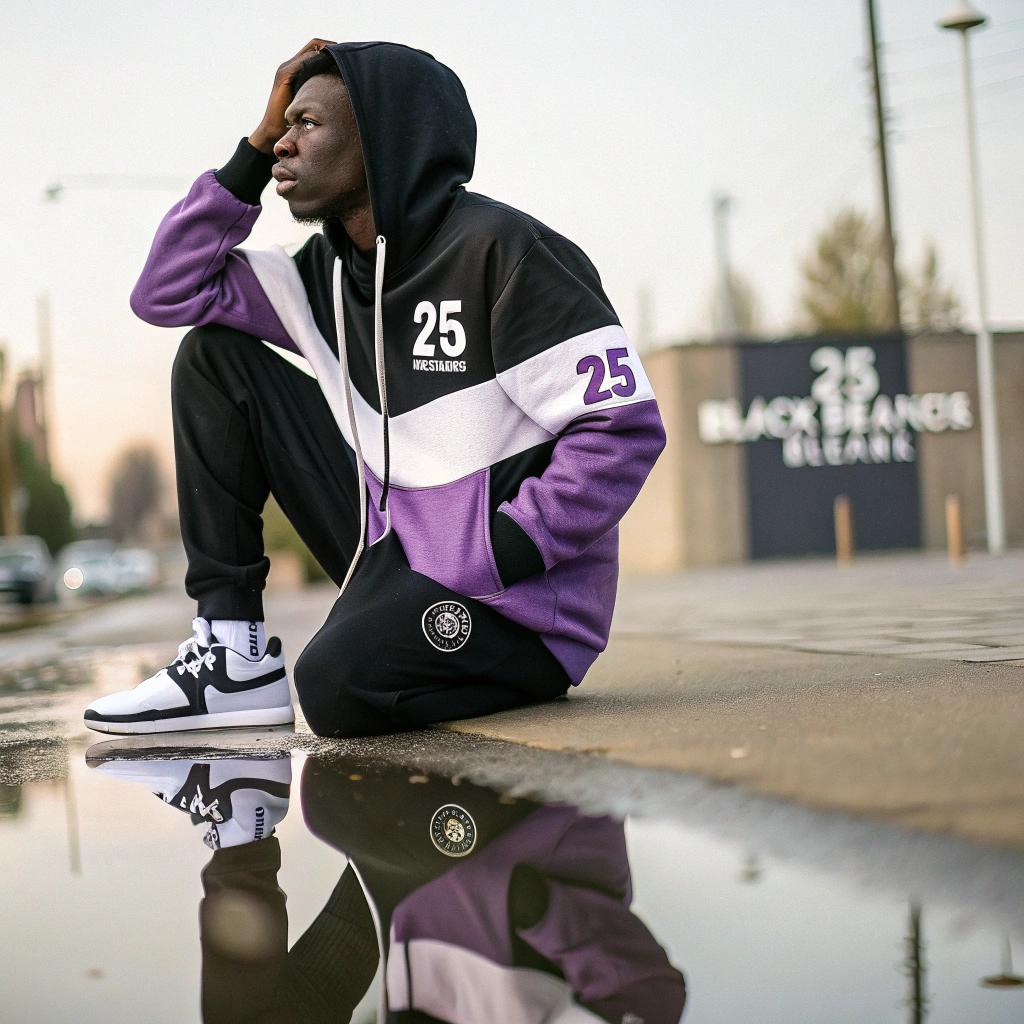

“There just are not that many good Black owned clothing brands, at least not ones that can compete with the big labels.”
That idea is false. There are many strong, creative, and well made Black owned clothing brands, across streetwear, luxury, basics, plus size, kids, and more. If you want a quick answer, yes, you can build almost your whole wardrobe from Black owned labels. You can find everything from tailored suits to swimwear to everyday hoodies, and platforms that group these black owned clothing brands in one place make it even easier.
I remember the first time I tried to shop mostly Black owned for my closet. I thought it would be a weekend task. It turned into a months long process of clicking, saving, comparing sizes, wondering if the shipping would be slow, and then getting pleasantly surprised when a package showed up quicker than expected.
So if you have had that same hesitation, you are not alone.
There is also this quiet pressure in the background. You want to support Black founders, but you do not want to sacrifice fit, style, or quality. You might also not have time to hunt through endless Instagram posts or random tags.
Good news: you do not have to pick between style and support. You can have both, and you can be quite picky about it.
This guide walks through 25 Black owned clothing brands worth knowing right now. Some are well known. Some are small and easy to miss. A few are very niche. The point is not to cover every single brand, but to give you a useful mix that can actually work for your closet.
I will break them into rough groups so it does not feel like a blur of names. You might not like every style here. That is fine. Fashion is personal. The goal is that, by the end, you have at least a handful of brands you genuinely want to try, not just bookmark and forget.
You might notice I go back and forth a bit between talking about price, story, and design. Real people shop that way. You think about budget, then you get caught up in a brand story, then you are back to trying to guess if the waistband will dig in after lunch.
So keep that headspace in mind as you read. Imagine you are actually building outfits, not just reading a directory.
Why Black owned clothing brands matter, without the buzzwords
I want to stay away from the usual marketing language here and keep this simple.
When you buy from a Black owned brand, a few things often happen at the same time:
- A founder who probably had a harder path to funding and visibility gets real support.
- The designs often reflect lived experience you do not see in many big labels.
- Money circulates more directly into Black communities, not just as charity but through actual business growth.
That does not mean every Black owned brand is perfect. Some are still learning about fit. Some have limited sizes. Some have long shipping times. You should still expect good service and fair quality. Support does not mean you accept anything.
But if two hoodies feel similar in quality and price, and one is from a brand that rarely features Black models and the other is from a small Black owned label that actually cares about how deeper skin tones photograph, the choice becomes easier.
Now, let us look at actual brands, grouped by the kind of wardrobe they fit into.
Streetwear and everyday style
These are the things you reach for without thinking: hoodies, tees, sweats, track pants, relaxed jackets. The clothes you travel in, work from home in, or wear to meet a friend for coffee.
1. Telfar
Telfar Clemens is known mostly for bags, but the clothing is worth your attention too.
Expect:
- Logo heavy pieces that still feel clean.
- Gender flexible cuts.
- Comfort fabrics that move well.
The brand often plays with unisex sizing, so you may need to check the size chart carefully. If you like pieces that feel casual but still get comments from strangers, this might fit you.
2. Pyer Moss
Pyer Moss changes from season to season, sometimes more artistic than practical, but there are core items that work for daily wear: tees with strong graphics, outerwear, and tailored sweatpants.
The clothes often carry messages about Black history or culture. Some people like that their clothing speaks. Others prefer a quieter look. You might be somewhere in between, which is fine. Pick the pieces that feel wearable for your routine, not just powerful on the runway.
3. Ruvé (example of a smaller label)
Not every brand has a massive following. Ruvé style labels focus on:
- Clean sweatsuits in coordinated colors.
- Simple crewnecks with small logos or subtle phrases.
- Soft fabrics that work for travel and errands.
You might not see them on billboards, but smaller streetwear brands can give you that “where did you get that” feeling, without shouting the logo.
4. Fear of God ESSENTIALS (Jerry Lorenzo)
Jerry Lorenzo is not always put in the “Black owned” box, but he is a Black designer, and his ESSENTIALS line shapes a lot of current street style.
Think of:
- Muted colors.
- Oversized fits.
- Minimal but strong branding.
Prices here are higher than standard mall basics, so you want to be honest with yourself. Are you paying for a silhouette you really like, or just the name? If you love the fit, it might be worth it. If you only like the logo, you can probably find a smaller Black owned brand that delivers the same feeling at a lower price.
Tailored, workwear, and dressed-up pieces
At some point you need real clothes for meetings, events, interviews, or nights out that are not just hoodies. These brands help on that front.
5. Sergio Hudson
Sergio Hudson is not for minimalists. The clothes are structured, sharp, and often bold in color. Think tailored suits, strong shoulders, wide leg trousers, fitted dresses.
If you work in a creative or higher profile field, Sergio Hudson pieces can look strong in rooms where everyone else plays safe.
You will likely need a larger budget here, so this is the kind of brand you save for big purchases rather than weekly orders.
6. Fe Noel
Fe Noel blends resort, occasion, and dressy daywear. You see:
- Wide leg pants.
- Draped tops.
- Prints inspired by Caribbean roots.
Some items work for beach weddings or vacations, others for summer events in the city. The line between “special” and “daily” is blurry here, in a good way.
7. Wales Bonner
Grace Wales Bonner often gets covered in fashion media, but her work is still underused in everyday wardrobes. The clothes have a tailored, slightly academic feel, influenced by European and Caribbean references.
Expect knitted polos, trim trousers, fine shirts, and track tops that feel a bit more grown than usual sportswear.
If you want pieces that look smart without feeling like a uniform, this is worth watching, especially during sales.
Plus size and curve friendly Black owned brands
One place where people get disappointed is size range. Some Black owned brands stop at large or XL, which leaves out a huge part of the community. These brands try to serve more bodies.
8. JIBRI
JIBRI focuses on plus size fashion and does not treat it as an afterthought. You get:
- Bold skirts and dresses.
- Dramatic silhouettes that do not hide the body.
- Statement pieces that still work in real life settings.
Fit is a big part of the brand identity, so if you have been burned by brands that simply scale up straight sizes, JIBRI is worth a look.
9. Hanifa
Hanifa offers figure hugging dresses, knit sets, and pants that work well on curves. Many pieces look good on multiple sizes, but the brand is especially popular with customers who have hips and a small waist.
This is one of those labels where you might scroll and think, “I do not know if I can pull that off.” The answer depends on comfort level, but the cuts are often more forgiving than they look in photos.
10. Rebdolls
Rebdolls covers a wide size range and offers everyday, party, and casual looks. You will see a lot of bodycon dresses, matching sets, and seasonal drops.
Prices are more accessible here, which helps if you are building a wardrobe on a budget and still want to support a Black owned brand that cares about size inclusion.
Luxury, designer, and runway level brands
Sometimes you want one serious piece in your closet. Something you save up for and keep for years. These brands live in that space.
11. LaQuan Smith
LaQuan Smith leans into high glamour. Many pieces are sheer, cut out, or body hugging. You see his work on red carpets and music videos.
Not everyone has a lifestyle that fits these clothes. That is normal. But if you ever need a statement dress or a dramatic top for a big event, this is a brand to check.
12. Brother Vellies (for footwear and more)
Even though this list is about clothing, I think it is fair to include one label where accessories and shoes steal the focus.
Brother Vellies works with artisans in several countries, using traditional methods. Designs often feel organic and textured. You might pair one of their sandals or boots with a simple Black owned dress and let the shoes do the talking.
Price points are high, but the pieces tend to feel special, not trend heavy.
13. Thebe Magugu
Thebe Magugu, based in South Africa, blends storytelling with modern tailoring. Many collections reference African histories or social themes.
Expect shirts, skirts, dresses, and suits that work for editorial shoots, but some quieter pieces translate well into a smart office setting or a formal dinner.
This is a good example of a brand where you can admire the show looks but buy the simpler items for real life.
Activewear and athleisure
If your closet is full of leggings, sports bras, and loose joggers, these brands help you stay active while supporting Black founders.
14. Actively Black
Actively Black was created with a clear goal: premium activewear designed by and for Black people. The brand focuses on:
- Compression tights and shorts.
- Training tops.
- Hoodies, joggers, and outerwear for warmups and daily wear.
They often feature Black athletes and use imagery that feels familiar if you grew up in Black communities. It goes beyond swapping models and actually tries to center Black wellness.
15. Gymwrap (by Nicole Ari Parker)
Gymwrap started with headwraps designed to manage sweat and protect hair during workouts. It has grown into a fuller range that pairs with the wraps.
If you have ever skipped a workout because you did not want to redo your hair, you understand the problem they are trying to solve.
This is a good example of a brand that builds clothes around actual lived problems, not just style.
16. Roam Loud
Roam Loud, founded by a Black woman of Liberian heritage, focuses on activewear that looks strong on deeper skin tones. Colors are carefully chosen so they do not wash out brown skin in photos.
The sets look good in the gym and also work for quick errands. If you like warm tones and rich neutrals, their palette might fit you well.
Street luxury and statement pieces
These brands sit between high fashion and casual wear. The prices are higher than fast fashion, but the vibe is still grounded in street style.
17. Off-White (Virgil Abloh)
Virgil Abloh, who passed away, left a major mark on fashion through Off-White. The brand is now huge, but it started with a blend of streetwear and high fashion that changed how many people dress.
The reason to include it here is simple: some of the design language that is now copied across fast fashion came from a Black designer. If you want the original vision rather than the copies, Off-White is part of that conversation.
That said, prices are high and logos are loud. You might find more subtle and affordable joy in smaller brands, but if you enjoy the aesthetic and have the budget, it is still relevant.
18. Daily Paper
Daily Paper, founded by friends of African heritage in Amsterdam, offers graphic pieces inspired by African culture, mixed with European streetwear fits.
Expect:
- Printed shirts.
- Track sets.
- Outerwear that looks good in cities.
It can be a nice bridge if you like both clean streetwear and cultural references without going full pattern clash.
19. Martine Rose
Martine Rose blends sportswear, tailoring, and subculture references. Her work is sometimes exaggerated or intentionally off beat, but there are also hoodies, shirts, and track pants that you can wear often.
The brand shapes trends more than it follows them. If you enjoy fashion that plays a bit with proportion and looks slightly undone on purpose, it might appeal to you.
Everyday basics from Black owned brands
It is one thing to buy a special piece from a Black owned brand once a year. It is another thing to refill your basics from them. These brands help with that shift.
20. Nubian Skin
Nubian Skin focuses on “nude” lingerie and hosiery for darker skin tones. That sounds simple but the impact is big.
For years, “nude” meant light beige only. Seeing bras, tights, and underwear that match deeper skin feels more normal now, partly because of brands like this.
If you wear sheer pieces or want a smooth base under clothes from other brands, Nubian Skin can quietly become one of your most used labels.
21. CUSHNIE (legacy but still influential)
CUSHNIE as a label closed, which is frustrating for many fans, but Carly Cushnie is still recognized for her work in tailored dresses and sleek separates.
Why mention a brand that closed clothing operations? Because you might still see CUSHNIE pieces on resale sites, and they are often well made. Buying past season items is one way to support Black design while staying within budget.
If you are open to secondhand, searching for older collections from Black designers can stretch your money and still keep your closet aligned with your values.
22. Kai Collective
Kai Collective became popular for printed mesh dresses that look strong on photos and in real life. Over time, they have added more tops, pants, and coordinates.
The pieces often hug the body, so if you prefer looser fits, you might need to size up or pick styles with less cling. But if you enjoy color and pattern, the brand can fill the gap between casual days and nights out.
Children, family, and matching looks
If you are shopping for children or want family looks that center Black designers, these brands are worth keeping in mind.
23. Miles & Milan
Miles & Milan makes kids clothing in neutral colors and simple shapes. Instead of loud cartoons, you get clean tees, leggings, and rompers that still feel comfy.
It works well for parents who want kids clothes that photograph nicely without looking fussy. The pieces mix easily with items you already have.
24. Cocoa Cutie
Cocoa Cutie focuses on bright, affirming prints for children that celebrate Black features and characters. You see t shirts, leggings, backpacks, and more.
If you want your child to see themselves reflected on their clothes in a positive way, brands like this matter. They can stand beside more commercial characters instead of being replaced by them.
25. Matching sets from smaller boutiques
Many smaller Black owned boutiques sell matching family sets around holidays, events, or cultural celebrations. These do not always become big brands with global press, but they play a strong role locally and online.
Some examples include:
- Mom and daughter dresses in the same print.
- Father and son shirts with subtle match.
- Whole family T shirts for reunions or group trips.
You will often find these through social media or online marketplaces that group Black owned brands together.
Quick reference: types of Black owned clothing brands
To make this easier to scan, here is a simple table that lines up brand type with typical use. This is not perfect, and some brands cross categories, but it helps if you are planning your wardrobe.
| Brand type | Example brands | Best for |
|---|---|---|
| Streetwear / casual | Telfar, Daily Paper, Martine Rose | Hoodies, tees, casual pants, weekend wear |
| Workwear / tailored | Sergio Hudson, Fe Noel, Wales Bonner | Office looks, events, dinners, speaking gigs |
| Plus size / curve | JIBRI, Hanifa, Rebdolls | Statement pieces for curvy and plus bodies |
| Luxury / designer | LaQuan Smith, Thebe Magugu, Brother Vellies | Special occasions, long term investment pieces |
| Activewear | Actively Black, Gymwrap, Roam Loud | Gym, yoga, running, athleisure outfits |
| Basics / underlayers | Nubian Skin, Kai Collective | Lingerie, tights, base layers, everyday sets |
| Kids / family | Miles & Milan, Cocoa Cutie | Children’s clothes, family matching looks |
How to actually shift your wardrobe toward Black owned brands
Reading about brands is easy. Changing habits is harder. Here are a few simple moves that feel realistic.
Start with one category
Instead of trying to flip your whole closet, pick one thing you buy often:
- T shirts
- Leggings
- Dresses
- Hoodies
Decide that your next purchase in that category will be from a Black owned brand. You do not have to spend more than you can afford. Just be intentional with where that money goes.
Use platforms that group brands together
One problem is discoverability. Most people do not have time to search for hours.
Platforms that organize Black owned brands by type, category, or price can save a lot of time. They also help smaller labels you might never see on big search pages or in malls.
You can treat these platforms like your first stop when you need something new, instead of going straight to the usual big retailers.
Balance support with standards
This may sound blunt, but it matters:
You can support Black owned brands and still expect decent quality, clear sizing, and honest customer service. Support does not mean lowering all your standards.
If an item falls apart quickly or fit is misleading, give feedback, ask for returns when needed, and move your money elsewhere if the brand does not improve. That is how any healthy market works.
At the same time, keep context in mind. A small brand may have slower shipping than a giant warehouse chain. That does not always mean they are unreliable. It can just mean they do not have massive logistics yet. You have to pick your priorities: speed, price, or ownership. Not every purchase will hit all three at once.
Common questions about Black owned clothing brands
Are Black owned clothing brands only for Black people?
No. Anyone can wear them. Many Black owned brands center Black stories, references, and faces, but the clothes themselves are for whoever likes them.
The key is respect. If a piece clearly carries specific cultural meaning, you should treat that with care and avoid turning it into a costume.
Are these brands more expensive?
Some are. Some are not.
Reasons for higher prices can include smaller production runs, better fabrics, ethical labor, or just the simple fact that a new brand does not have the volume discounts of a global chain.
If you want the lowest possible price every time, you might struggle. If you can spend a bit more on some items and balance that with secondhand or sales on others, it often works out.
How do I know a brand is truly Black owned?
You sometimes have to check:
- Look at the “about” page on the site.
- Search for interviews with the founder.
- See who is behind the company on professional networks.
If a brand hides this information or is vague about ownership while using Black aesthetics heavily, that can be a red flag.
Is it realistic to build a full wardrobe from Black owned labels?
Yes, but it may take time.
You might start with a few categories, test some brands, and slowly replace items as they wear out. Along the way, you will probably mix in thrift, vintage, and big box pieces. That is normal.
The goal is not perfection. It is direction. If more of your money flows consistently toward Black owned brands, you are already changing the picture.
What category do you feel most ready to switch first: your everyday tees, your gym clothes, or your date night outfits?
