

“3PLs are too expensive. By the time you pay all the warehouse fees, you might as well keep everything in-house.”
That sounds true on the surface, but it is only half right. A 3PL can absolutely drain your cash if you do not understand the fee structure, but once you break down the real 3PL warehouse costs and compare them with your own hidden costs, you usually find a clear tipping point. For most growing ecommerce brands, once you pass a certain order volume, a well priced 3PL is cheaper and more stable than running your own warehouse, as long as you know exactly what you are paying for and what to avoid.
So this is what we are really trying to figure out: what does a 3PL warehouse actually charge you for, how do those fees add up month after month, and at what point does it stop making sense to do your own fulfillment.
I will be direct. A 3PL charges you for five big things: storage, receiving, pick and pack, shipping, and extra services like kitting or returns. Everything else is just a variation of those. If you can estimate those five buckets, you will be close enough to plan your margins, set your prices, and decide if a quote is fair or padded.
You might already know some of this, but the small details are where brands get caught out. A tiny carton fee here, a weird “project” fee there, a minimum monthly spend that looked harmless in the proposal but hurts during slow months. I have seen brands ignore a 5 cent per unit increase that later erased most of their profit when they scaled.
So let us walk through each cost in a normal, human way. No magic. Just numbers you can plug into your own business.
What 3PL warehouse costs usually include
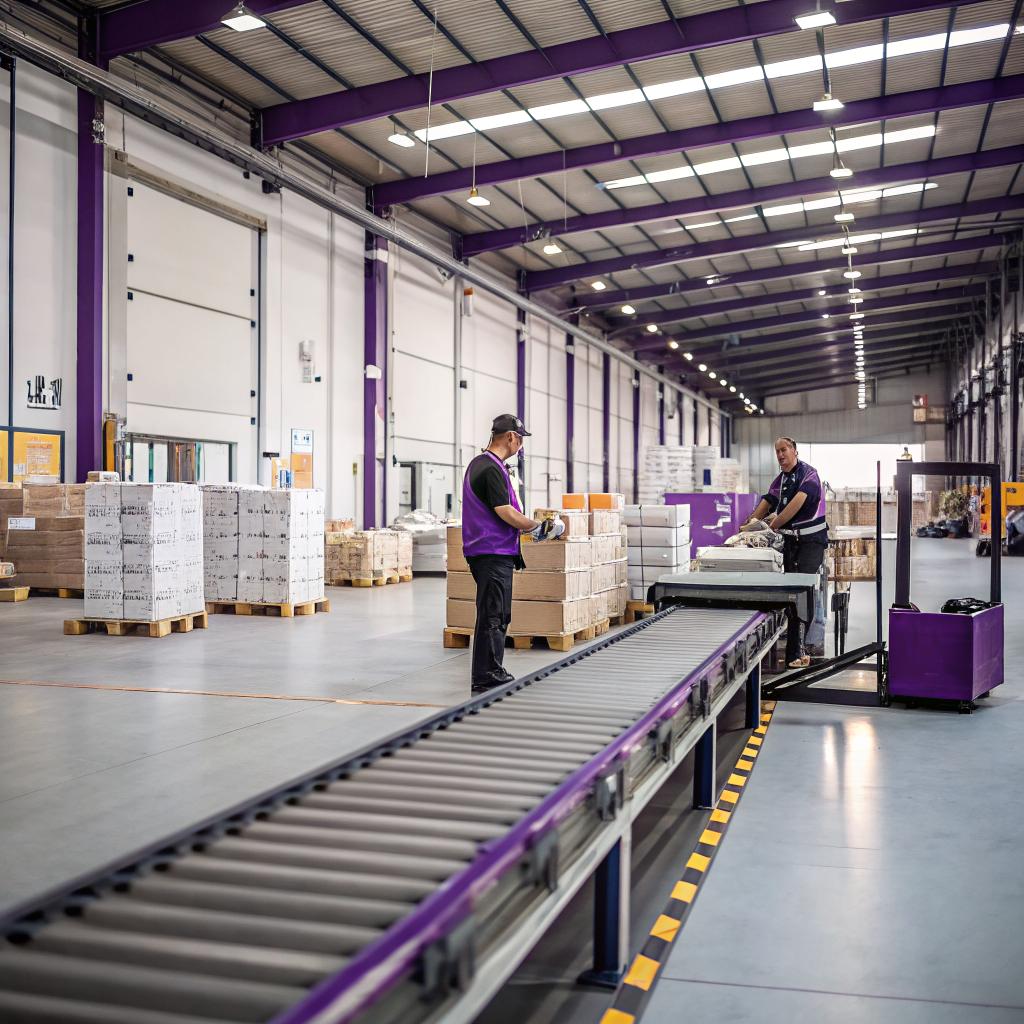
Think of a 3PL warehouse as four walls, a team, and a set of mini services that start the moment your inventory arrives and end when an order hits your customers doorstep.
At each step, someone touches your product, scans it, stores it, or moves it. Every touch has a cost. The 3PL either charges you directly for that touch, or they roll it into another fee. When you look at a proposal, your job is to figure out which is which.
Here are the typical cost categories, then we will go into each in more detail:
Most 3PLs charge separate fees for receiving, storage, pick and pack, packaging, and shipping labels, plus optional services like kitting, FBA prep, or returns handling.
That is the skeleton. The tricky part is that every 3PL names these items a bit differently, or bundles them in different ways, so two quotes that look nothing alike can actually be very close.
1. Storage fees
Storage is what you pay for your products to sit on their shelves or racks.
3PLs commonly charge storage as:
- Per pallet per month
- Per bin or shelf per month
- Per cubic foot per month
Each method has pros and cons.
If your product is large and palletized, pallet pricing is simple and usually fair. For example, 15 to 25 dollars per pallet per month is common in many US warehouses for standard pallets, sometimes a bit more in high rent areas.
If your product is small and high value, cubic foot pricing or bin pricing can make more sense. You pay for the actual space, not for a mostly empty pallet.
Here is a simple comparison just to give you a reference point. These are not universal rates, just the kind of range you may see in quotes.
| Storage method | Typical use case | Rough price range per month |
|---|---|---|
| Per pallet | Bulk cartons, wholesale, stable SKUs | $15 – $30 per pallet |
| Per bin | Small items, many SKUs, ecommerce | $1 – $5 per bin |
| Per cubic foot | Mixed inventory size, tighter control | $0.40 – $0.90 per cubic foot |
The real question you should ask is not “What is your storage rate?” but:
– How often do you measure my storage?
– Are you billing on average volume or peak volume in the month?
– Do you charge different rates for bulk storage vs pick locations?
Small shift here matters. If they bill on the highest point in the month, a big inbound shipment that arrives before a sale can inflate your charges even if it moves out quickly.
2. Receiving fees
Receiving is what happens when your inventory arrives at the dock.
The warehouse team unloads the truck, checks the cartons, scans items, and puts them away into storage. That costs time, and 3PLs charge for that time either per unit, per carton, per pallet, or per hour.
Some common methods:
- Per pallet received, such as $5 – $20 per pallet
- Per unit or per carton, such as a few cents per unit
- Per hour, usually when inbound work is messy or custom
Higher receiving fees hurt brands that receive many small shipments, or have SKUs that require lots of counting and relabeling.
Lower receiving fees can look good, but be careful. Some 3PLs keep receiving fees low and then charge extra for almost any “non standard” activity:
– Pallet rework
– Labeling or relabeling
– Sorting mixed pallets into separate SKUs
– QA checks
If your supplier sends clean, well packed, labeled pallets, a simple per pallet fee is fine. If your supplier is messy, you might pay more in handling than you think.
3. Pick and pack fees
Pick and pack fees are usually where the largest share of your 3PL invoice comes from each month, once your brand has some volume.
Pick and pack covers the work of:
– Taking the order from your ecommerce system
– Pulling items from bins or shelves
– Packing them into a mailer or box
– Applying labels and preparing for carrier pickup
Every 3PL has its own structure. A common setup looks like:
– Base fee for the first item in an order
– Small additional fee for each extra item
– Packing materials either included or charged separately
You might see something like:
– $2.00 for the first item
– $0.40 for each additional item
– Standard mailer included, custom packaging extra
At low volumes, a pick and pack fee of 1.80 to 3.50 dollars per order is pretty common for simple ecommerce orders that have 1 to 3 items. The fee per extra item matters most for brands that sell bundles or multi item carts.
One small detail that can add up is whether they charge extra fees for:
– Inserts, stickers, or codes
– Branded tissue or custom packaging
– Gift notes
– Special packing instructions
Alone, each fee looks minor. Together they can turn an order that seemed cheap into something much higher.
If your average order value is $40 and your total fulfillment cost per order is $9, your margin will always feel tight, no matter how good your marketing is.
That is why it helps to build a simple sheet and plug in your order profiles. Single item orders, multi item orders, and any bundles you sell often.
4. Packaging and materials
Sometimes packaging is included in the pick and pack fee. Sometimes not. You have to ask.
Packaging can cover:
– Basic mailers or small cartons
– Dunnage like kraft paper or air pillows
– Tape and labels
– Custom boxes or branded mailers
There are three usual approaches:
1. Standard packing materials included in the pick fee
2. Materials billed per unit (for example 20 to 60 cents per order depending on package)
3. Client supplied packaging, with a small handling fee
Custom packaging looks nice but it adds complexity. More SKUs for the warehouse, more inventory to track, and sometimes higher packing time. Some 3PLs reflect this in their pricing even if they do not say it out loud.
5. Shipping rates
Shipping is where things get messy in quotes, because the 3PL is just passing through carrier costs with some type of discount structure. Most 3PLs use commercial rates with UPS, FedEx, USPS, DHL, and so on.
They usually:
– Show you a rate table or some examples
– Offer “best way” options that pick the cheapest service that meets your target time
– Have different rates for ground, 2 day, international, and so on
The main advantage of a 3PL here is scale. They ship more than you. So they usually get better rates with carriers than you can get on your own. Not always, but often once you reach a moderate number of daily orders.
The key questions to ask:
– Are you passing through your carrier rates, or adding a markup?
– How do surcharges get handled?
– Do I get zone based pricing or flat rate options?
If your products are heavy or large, shipping is often the biggest cost by far. In that case, the warehouse location matters a lot, because distance adds cost.
Extra 3PL services that affect your pricing
Many ecommerce brands only think about pick, pack, and ship. Then three months into a 3PL relationship, they realize they also need kitting, returns processing, or FBA prep.
Those services can change your monthly bill quite a bit.
Kitting and assembly
Kitting means the 3PL creates a new SKU by combining several items. Think of:
– Subscription boxes
– Gift sets
– Packs of 3 or 6 units
– Product plus bonus sample
Some warehouses treat kitting as a project and bill it by the hour. Others have clear per kit fees, such as:
– 0.30 to 1.50 dollars per kit, depending on complexity and number of items
You want to know:
– Are kits built in advance and stored as their own SKUs?
– Or are kits assembled on demand when the order comes in?
Pre built kits cost more upfront in kitting fees and storage space but speed up shipping and cut pack errors. On demand kits save on storage but cost more per order in labor.
If your brand relies heavily on bundles and kits, you really need to model this out. Kitting can be the silent cost that makes a cheap looking 3PL quote expensive later.
Returns processing
Returns are an annoying subject, but they are real.
When a customer sends something back, the 3PL needs to:
– Receive the return
– Inspect the item
– Decide if it can go back to stock, get repacked, or be scrapped
– Update your system
Fees can be:
– Per return shipment
– Per unit in the return
– Per hour for inspection
For simple returns, you might see 1.00 to 3.00 dollars per return plus extra charges if items need cleaning, repackaging, or relabeling.
For fashion brands and high return categories, this cost category needs attention. Some brands accept higher return processing fees but lower pick and pack, or the other way around. You can negotiate based on your volume profile.
FBA prep and wholesale orders
Many growing ecommerce brands sell on Amazon, or ship pallets to wholesale customers. Those orders look very different from normal DTC parcels.
FBA prep might involve:
– Labeling every unit with barcodes
– Applying FNSKU labels
– Bagging products
– Poly bag suffocation warnings
– Bundling units with tape or shrink wrap
Wholesale orders often involve:
– Building pallets to a specific height or configuration
– Applying SSCC labels
– Using specific cartons or branded tape
– Detailed packing slips
These tasks are more like project work than simple pick and pack. So 3PLs usually bill per unit, per carton, or per pallet, and sometimes by the hour for setup.
If you plan to expand into wholesale later, bring that into the conversation earlier than you feel you need to. It affects whether your chosen 3PL is really a fit.
One time fees and minimums that can surprise you
Some costs do not show up in the main rate card but can still affect your decision.
Setup and onboarding
Setup fees can include:
– Connecting to your ecommerce platforms and marketplaces
– Configuring your SKUs and warehouse locations
– Testing order flows and returns flows
– Initial process mapping or SOP creation
I have seen quotes with setup fees of zero, and others with several thousand dollars.
No setup fee is attractive, but ask yourself: if there is no budget for setup, how much care will they put into the onboarding. A small, clear, one time fee that covers real work can actually mean fewer headaches later.
Monthly minimums
Many 3PLs have monthly minimum charges. For example:
– Minimum pick and pack revenue per month
– Minimum total invoice per month
– Minimum storage amount per month
If your volume is growing fast, this may not matter much. If your sales are lumpy or seasonal, minimums can hurt.
Imagine:
– Your slow season volume drops by 60 percent
– Your contract still expects a minimum bill of 2,000 dollars per month
For some brands that is fine, for others it kills cash flow. Be honest with yourself about your seasonality.
Special project fees
Any work that falls outside the agreed scope usually lands in “special projects” or “value added services.”
Examples:
– Reworking mislabeled stock from your factory
– Relabeling SKUs after a barcode change
– Running a one time promotional insert campaign
– Cleaning or repacking damaged units after a freight issue
These are often billed by the hour. The rate can be 35 to 75 dollars per hour depending on the warehouse and location.
You cannot predict every project, but you can ask for:
– The current hourly rate, in writing
– A commitment to provide an estimate and your approval before starting project work
How to compare 3PL quotes without going crazy
Comparing 3PLs is hard because none of them present pricing in quite the same way. One puts almost everything into the pick fee. Another has a low pick fee but separate charges for everything else.
I think the cleanest way is to ignore their format at first and build your own model.
Step 1: Define your “typical month”
You need some rough numbers for a normal month:
– How many orders do you ship?
– What percentage are domestic vs international?
– How many items are in the average order?
– How many SKUs do you carry?
– How many units do you keep in stock?
Then think about:
– Are you sending in pallets from your supplier once or twice a month?
– Do you plan to run regular kit or bundle promotions?
– Do you have any known wholesale or FBA prep needs?
You do not need perfect data. A reasonable guess is enough to test each quote.
Step 2: Plug each 3PL’s rates into your model
Build a simple table in a spreadsheet with rows like:
| Cost category | Formula | 3PL A monthly cost | 3PL B monthly cost |
|---|---|---|---|
| Storage | Pallets x pallet rate | $X | $Y |
| Receiving | Pallets received x receiving rate | $X | $Y |
| Pick & pack | Orders x base fee + extra items x add-on fee | $X | $Y |
| Packaging | Orders x packaging fee | $X | $Y |
| Shipping (labels) | Orders x average shipping rate | $X | $Y |
| Extras | Kits, returns, projects | $X | $Y |
Fill in your own numbers. The total for each 3PL is your estimated monthly cost.
Is this perfect? No. But you will at least be comparing apples to apples in your own world, not in theirs.
Step 3: Find your cost per order and cost per unit
From your monthly estimate, you can extract two simple numbers:
– Fulfillment cost per order
– Fulfillment cost per shipped unit
To find cost per order:
– Total monthly 3PL cost / total number of orders
To find cost per shipped unit:
– Total monthly 3PL cost / total number of items shipped
Now compare those numbers with your margins.
If you sell a product for 30 dollars, your landed cost from the factory is 10 dollars, and your 3PL cost per order is 8 dollars, you only have 12 dollars left for marketing, overhead, and profit. That might be tight.
This is where some brands realize their pricing is too low for their cost structure, or that their current 3PL setup does not match their product type.
Comparing 3PL warehouse costs with running your own warehouse
A common pushback is, “I can do it cheaper myself in my own space.” Sometimes that is true. Sometimes it is not.
To compare fairly, you need to count all of your real costs, including the ones that do not show up directly as a line on a landlord invoice.
Your own warehouse costs
Here is a non glamorous list of what running your own warehouse usually involves financially:
- Rent, property tax, utilities
- Warehouse staff wages, overtime, benefits
- Supervisors or managers
- Warehouse software and system maintenance
- Equipment like forklifts, pallet jacks, shelving, safety gear
- Packing materials and printers
- Carrier accounts and possible surcharges if your volume is low
- Insurance and workers compensation
- Shrinkage and errors
There is also your time and focus. Every hour you deal with staffing issues or process problems is an hour you are not working on product or marketing.
Of course, some founders enjoy the warehouse side and run it well. Others hate it. This is where personal preference sneaks in. That is fine, but it should not hide the actual math.
The tipping point
There is no exact order count where a 3PL always beats your own warehouse, but there is often a range.
Roughly:
– At very low volume, it is often cheaper to keep fulfillment in house, even if it is in your garage or a tiny unit.
– At moderate volume, a good 3PL starts to win because of labor flexibility and shipping rates.
– At very high volume, some brands go back in house or use a hybrid model because they have enough scale to justify full control.
This is one of those areas where people sometimes want a neat rule, but business is messier. You might stay with a 3PL at higher volume if they are very strong at your product type, or you might bring things in house earlier if you have cheap local space and a reliable team.
The right choice is not “3PL vs in house forever” but “What works best for the next 18 to 24 months, and how hard would it be to switch later if we outgrow it?”
If the idea of switching 3PLs or moving to your own warehouse later scares you, that is normal. But it should not freeze you in place.
How brand size changes which costs matter most
3PL warehouse costs affect a new brand very differently from a brand shipping thousands of orders per day. The same rate card can be either painful or fine, depending on scale.
Early stage: under 500 orders per month
At this stage:
– Setup fees and minimums matter a lot.
– A small change in pick fee does not matter as much as a big monthly minimum.
– You will likely care more about flexibility and support than the absolute cheapest rate.
Some early brands over optimize for the lowest possible rate and end up in warehouses that do not understand ecommerce, or where their tiny volume gets poor attention.
If you are in this small but growing stage, ask:
– Can I start small without heavy penalties?
– Will you care about me when I am only sending you 10 to 20 orders per day?
– How will your pricing change when I double or triple my orders?
Growth stage: 500 to 5,000 orders per month
Here:
– Pick and pack fee structure starts to matter a lot.
– Storage rates and how they bill volume become more visible.
– Shipping discounts have a real effect on your margin.
You might be experimenting more with bundles, subscriptions, and promotions. Small line items like kitting, inserts, or returns now add up in a noticeable way.
This is the stage where a simple cost model helps the most. At a few thousand orders per month, a 30 cent difference per order can mean a few hundred to a few thousand dollars each month.
Scale stage: above 5,000 orders per month
At higher volumes:
– You have room to negotiate rates more aggressively.
– You might look at multiple warehouse locations.
– You might want more detailed reporting and control.
Some brands mix models at this stage. They use a 3PL for certain regions or certain channels and operate their own facility for other work. It sounds complex, and it is, but it can also spread risk.
One mistake at this size is to choose only on price. Service quality becomes more valuable when your daily order count is high, because errors propagate quickly.
Signs a 3PL quote is likely fair vs risky
Without trying to be too neat about it, there are some patterns that show up in good, transparent 3PL pricing vs trouble waiting to happen.
Healthy signs
- Clear definitions of each fee with examples
- Separate listing of recurring fees vs one time fees
- Known project rates and when they apply
- Simple minimums with exact terms
- Volume based discounts explained upfront
If the salesperson can walk you through a worked example using your own volume profile, and you can follow it without feeling lost, that is usually a good sign.
Red flags
- Very low pick and pack rates with vague “operational” or “service” fees
- Many footnotes around “extra handling” that is not well defined
- Complex fuel or carrier surcharges not clearly tied to actual carrier invoices
- Long contract terms with steep penalties for leaving early
- Unclear process for rate changes over time
Some brands chase the lowest headline rate and ignore these things. A year later, they feel locked into a warehouse that no longer fits, but switching is painful.
It might sound negative, but asking blunt questions early can save you from that.
Practical questions to ask a 3PL about costs
Here are some direct questions you can ask any potential 3PL. These are not trick questions, they just help flush out hidden details.
About storage and receiving
- How do you measure storage volume, and how often is it updated?
- Do you charge different rates for bulk storage vs pick locations?
- Are there inbound appointments or fees if a truck misses its slot?
- What happens if my supplier sends mixed or messy pallets?
About orders and shipping
- What is included in your pick fee, and what is extra?
- Do you charge for packing materials separately?
- How do you choose shipping methods for “best way” options?
- Can I see example carrier invoices or a sample rate card?
About extras and long term terms
- What is your current hourly rate for projects?
- Is there a monthly minimum, and how long does that last?
- How often do you update your pricing, and how much notice do you give?
- If my volume grows fast, how does that change my pricing?
If a 3PL cannot give clean answers, you might face surprise charges later. Not always, but it is a fair worry.
Quick example: estimating your cost per order
To make all this less abstract, let us walk through a simple numeric example. Numbers will not match your brand exactly, but you can swap in your own.
Say you ship:
– 2,000 orders per month
– Average of 1.4 items per order
– You hold 3 pallets of inventory on average
– You receive 2 inbound pallets per month
A 3PL quote might say:
– Storage: 20 dollars per pallet per month
– Receiving: 15 dollars per pallet
– Pick and pack: 2.20 dollars for first item, 0.40 dollars each extra item
– Packaging: included
– Shipping: averages 6.00 dollars per order across services
– Returns processing: 2.00 dollars per return, 5 percent return rate
Let us do the math.
Storage:
– 3 pallets x 20 dollars = 60 dollars
Receiving:
– 2 pallets x 15 dollars = 30 dollars
Pick and pack:
– First item: 2,000 orders x 2.20 dollars = 4,400 dollars
– Extra items: 0.4 extra items per order x 2,000 orders = 800 items x 0.40 dollars = 320 dollars
– Total pick and pack = 4,720 dollars
Shipping labels:
– 2,000 orders x 6.00 dollars = 12,000 dollars
Returns:
– 5 percent of 2,000 orders = 100 returns
– 100 x 2.00 dollars = 200 dollars
Total monthly 3PL cost:
– 60 + 30 + 4,720 + 12,000 + 200 = 17,010 dollars
Cost per order:
– 17,010 / 2,000 = 8.50 dollars per order
Cost per shipped unit:
– 2,000 orders x 1.4 items = 2,800 units
– 17,010 / 2,800 ≈ 6.07 dollars per unit
Now you can put that beside your product price and product cost and see if your margin still feels healthy. If not, you either need:
– Better pricing with the 3PL
– Better product margins
– Different shipping options
– Or honestly, a different business model
It is better to find out at the spreadsheet stage than six months into a contract.
Common mistakes brands make with 3PL warehouse costs
I will end by calling out a few patterns that repeat often. If you avoid these, you are already ahead of many ecommerce brands.
1. Only looking at the pick fee
People love to compare “2.00 vs 2.50 per order” and declare that one 3PL is cheaper. But if the cheaper pick fee comes with higher storage, higher shipping markups, or stiff minimums, it may not be cheaper at all.
Run the full monthly model, even if it feels boring.
2. Ignoring seasonality
If your sales spike for holidays or one or two big launches per year, the average month hides the real peaks and troughs.
Ask the 3PL:
– Can you handle my peak without performance drops?
– How do minimums and storage charges behave outside peak months?
Some warehouses are very comfortable with seasonal brands. Others are not.
3. Underestimating project and kitting work
Brands love bundles. Customers like options. Operations teams often quietly suffer.
Try to map your planned promotions into services:
– How many bundles per order?
– Will kits be pre built or on demand?
– Do you plan frequent packaging changes?
Then get clear per kit or per project pricing in writing.
4. Not planning for growth
The 3PL that looks nice for 300 orders per month may not scale well at 3,000. Or their second facility might be far from your future customers.
You do not need a 10 year plan, but it helps to ask:
– What does working with you look like if I 5x my orders?
– At what point would I need another location?
Some 3PLs grow nicely with you. Others are best for a certain size band.
5. Forgetting quality and accuracy
Cheap fulfillment that constantly mispacks orders or misses SLAs is not cheap. It eats you in refunds, support tickets, and bad reviews.
Of course, this article focused mostly on costs. Just remember cost is only one part of the decision, even if it is a big one.
Common questions about 3PL warehouse costs
How much should a 3PL cost per order for a growing ecommerce brand?
For many DTC brands shipping in the US, a blended fulfillment cost (excluding product cost) of 6 to 10 dollars per order is common once you include pick and pack, packaging, and shipping labels. Light, compact products that ship cheaply can be near the lower end. Heavy, bulky products or those with lots of kitting and returns will sit higher.
If your cost per order is climbing above your average gross margin per order, something is out of balance.
Are 3PLs always cheaper than fulfilling in house?
No. For very small volumes or very simple operations, fulfilling in house can be cheaper, especially if you already have space and staff. 3PLs tend to become more attractive as order volume grows and labor complexity rises. The correct question is whether a 3PL is cheaper for your next stage of growth, not in some abstract sense.
How long should I commit to a 3PL contract?
For a first 3PL relationship, many brands prefer contracts that allow review after 12 months, with a clear path to leave if service is poor. Very long fixed terms with heavy penalties are risky unless you have deep confidence in the provider and a stable business model. Room to adjust is worth something.
Can I negotiate 3PL warehouse costs?
Often, yes, within reason. You are more likely to get flexibility on:
– Setup fees
– Minimums
– Volume based discounts
– Some project rates
You are less likely to change core cost structures unless your volume is large. It helps to come with your own model and explain which parts matter most to you. That is more effective than asking for a random discount.
What is one simple step I can take right now?
Take your last 30 days of orders. Count how many orders you shipped, the average items per order, and a rough estimate of your current packing and shipping cost per order. Then build a simple sheet using the cost categories in this article. Next time you talk to a 3PL, plug their numbers into your own sheet first, before letting their proposal format guide your thinking.
