
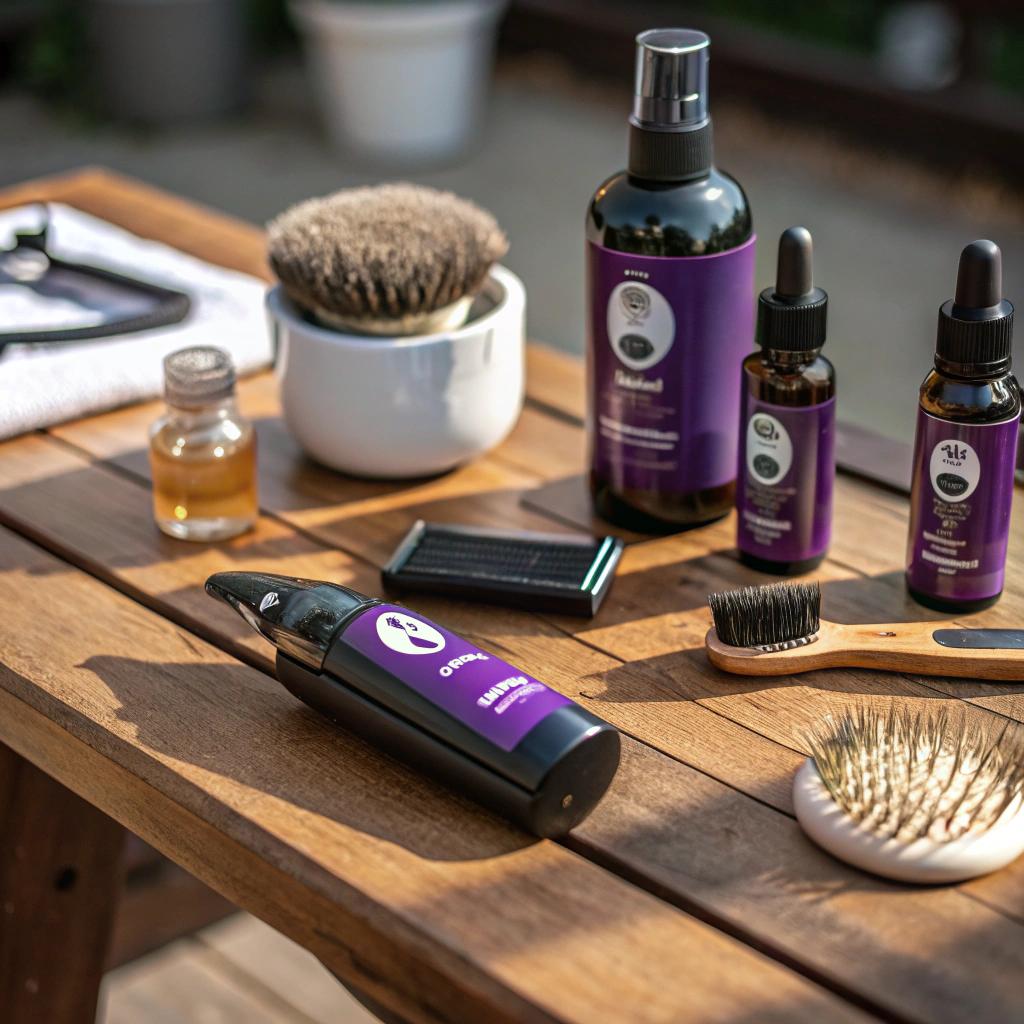

“Growing a thick, healthy beard is all genetics. Products do not really matter, especially if you are Black.”
That line sounds confident, but it is not true. Genetics decide where your beard grows and how dense it can be, but products and habits decide how healthy, soft, and full it actually looks. If you use the right routine, with high quality black owned beard products, you can reduce breakage, fill in weak spots over time, and keep your beard and skin in much better shape.
You will not turn a patchy goatee into a waist-length beard just by using oil. No product can do that. But you can improve thickness that already exists, prevent damage, and make your beard look fuller from week to week. That is where Black owned brands stand out, because many of them were created by people who have actually dealt with coarse, curly beards, razor bumps, ingrown hairs, and dryness.
I remember the first time I compared a basic, generic beard oil with a blend made by a small Black owned brand. At first I thought it was marketing. Same kind of bottle, same general idea. After a month, my cheeks were less itchy, and the skin under my beard did not feel tight at the end of the day. That was the difference. Not magic, just better ingredients and better thinking behind the formula.
So in this guide, I want to focus on how to build a healthy, full beard with products that are shaped around Black hair and skin. I will walk through what to look for, what to avoid, and some concrete product types that tend to work well. I will also highlight why buying from Black founders is not just nice branding, but often more practical for your beard.
If your goal is simple, like “I want my beard to stop itching” or “I want it to look fuller at the chin,” you can get there faster when you understand what products actually do, instead of just chasing the next trend. You might not need ten different bottles. You might need three, used well.
Why Black owned beard products hit different for Black beards
Many mainstream grooming brands were not created with Type 3 or Type 4 hair in mind. They often use the same formulas across straight, wavy, and tightly coiled hair. That can give average results for everyone, but not great results for you.
Curly and coily beards face a few recurring problems:
– Dryness, because the natural oils from your scalp and face have a harder time traveling down a tight curl pattern
– Breakage near the chin and jaw, where hair rubs against collars, coats, or pillowcases
– Ingrown hairs from tight curls growing back into the skin
– Razor bumps on the neck where hair curves and gets trapped
Black owned brands that focus on beard care usually start from these specific problems. Not theory. Real life struggles and, in a lot of cases, years of trial and error.
You tend to see:
– More nourishing plant oils like jojoba, grapeseed, avocado, and castor
– Butters like shea and mango in balms and butters
– Less harsh alcohol and fewer drying sulfates
– More attention to razor bump control, not only “smell good” marketing
Is every Black owned brand perfect? No. Some still use cheap fillers or over-fragrance their products. That is why the brand label alone is not enough. You want a brand that is Black owned and uses smart formulas for Black beards.
The building blocks of a healthy, full beard
Before getting into specific types of products and brands, it helps to break down what a full beard really needs. Think of it in four parts:
1. Clean, calm skin
2. Hydrated and nourished hair
3. Protection from breakage
4. Gentle shaping and hold
Each part connects to a certain category of product. If one of these is off, your beard can look thin, frizzy, or patchy, even if your genetics are decent.
Thicker looking beards often come not from “growth serums,” but from less breakage, better moisture, and healthier skin.
Step 1: Cleansing your beard the right way
Many people skip beard wash and just use whatever body wash or shampoo is in the shower. That can work for some hair types, but curly and coily beard hair reacts differently.
Regular shampoos often:
– Strip too much natural oil
– Leave your beard feeling squeaky and brittle
– Trigger more frizz once it dries
That might not sound serious, but if your beard hair is already prone to breakage, stripping it day after day can make it look thinner over time.
What to look for in a beard wash from Black owned brands
Good signs on the label:
– Sulfate free or at least very mild surfactants
– Added moisturizers like aloe, glycerin, or panthenol
– Natural oils in small amounts, not heavy coatings
Cleansers from Black owned companies often also add ingredients that help with razor bumps and ingrown hairs, such as tea tree, willow bark, or gentle acids. You do not need a strong chemical peel on your face, but a small amount can help keep the follicles clear.
Try to wash your beard 2 to 4 times a week, depending on your skin and lifestyle. Daily washing with a harsh cleanser can be too much. On the other hand, never washing your beard and just applying oil over dirt and sweat will not help either.
Step 2: Conditioning for softness and less breakage
If your beard feels wiry or hard, it is often a sign that it lacks water, not just oil. Conditioning helps your beard hold onto moisture, which reduces breakage and makes it easier to comb or pick.
You have two main options:
– Beard conditioner you rinse out
– Leave in conditioner you keep in the beard
For many Black men, a leave in product works especially well, because our hair tends to need more ongoing moisture.
Why conditioners from Black owned brands help more
You often see formulas that:
– Focus on slip, so your comb can glide through without tugging
– Use ingredients like aloe, honey, and panthenol to draw water into the hair
– Add butters and oils to seal that water in
Some brands even adapt formulas that started as natural hair products for the scalp but tuned them for facial hair. That can work, but you need to watch for pore clogging. Heavy butters layered right on the skin can cause bumps for some people.
If your skin breaks out easily, focus conditioner more on the hair shaft and less on the skin beneath.
Step 3: Beard oils from Black owned brands
Beard oil is often where people start. It smells nice and is easy to use. But it helps to be clear about what beard oil does and what it does not do.
Beard oil does not create new follicles. It does not give hair to an area that has none. What it can do:
– Reduce dryness and itching
– Soften the hair so it looks fuller, less frizzy
– Support a healthy environment around follicles
– Add a light shine that makes the beard appear denser
Key oils to look for
Many Black owned beard oils use blends that work well with curly hair. You might see:
– Jojoba oil, which is close to the skin’s natural oil
– Grapeseed oil, light and fast absorbing
– Sweet almond or apricot oil, gentle and softening
– Jamaican black castor oil in smaller amounts for thickness and weight
Castor oil is popular, but it can be heavy. I know a few people who used pure castor oil on their beard and ended up with clogged pores along the cheeks. It can be helpful, but usually inside a blend, not as the only oil.
If a beard oil feels greasy for hours and leaves your pillow soaked, it is likely too heavy for your daily use, or you are using too much.
Use a small amount first. Warm it between your palms, then work it into a damp beard. Focus on the skin beneath, not just the ends of the hair. That is where many people go wrong. They massage the tips and forget the base.
Step 4: Beard balms, butters, and creams
Once you have your basic oil routine, the next layer is something with more body. Balms, butters, or creams do two main jobs:
1. Seal in moisture
2. Give light hold and shape
Here is a simple comparison to make it easier to see the differences.
| Product type | Texture | Main use | Best for |
|---|---|---|---|
| Beard oil | Thin, liquid | Hydration and softness | All beard lengths, daily use |
| Beard balm | Solid, melts in hand | Moisture plus light hold | Medium to long beards, shaping |
| Beard butter | Creamy, whipped | Deep nourishment, less hold | Dry, coarse beards, nighttime use |
| Beard cream | Lotion-like | Hydration, flexible styling | Soft hold, everyday grooming |
Black owned brands often use unrefined shea butter, mango butter, or cocoa butter in these products. Those butters can be a blessing for dry hair. They coat strands, reduce split ends, and give body so your beard looks thicker.
The downside is that butters can be heavy on the skin. If you already have acne or very oily skin, look for balms that are more wax and oil based, with less butter directly near the cheeks.
Step 5: Tools matter more than most people think
You can buy the best products and still get poor results if your tools work against your beard.
Black owned grooming brands often pair their products with:
– Wide tooth combs that respect coils and curls
– Boar bristle or high quality synthetic brushes
– Wooden picks that create volume without snapping hair
Plastic combs with rough seams can tear hair, especially under the chin where it is most fragile. Over time, that breakage makes your beard look like it does not grow, when in fact it just keeps snapping at a certain length.
A simple change like a better comb can reduce daily shedding and give you a fuller look within a month or two. That sounds small, but it adds up.
Spotlight on problem areas: patches, bumps, and dryness
Everyone’s beard grows differently, but I often see the same three complaints:
1. Patchy cheeks
2. Bumps and irritation on the neck
3. Dry, brittle ends
Each one has a slightly different fix, and Black owned products tend to tackle them in targeted ways.
Patchy cheeks
Some patches are just genetics. That area may never fully connect. But some patchiness is from breakage or poor care.
Helpful steps:
– Use a gentle beard wash and conditioner so hair does not snap near the base
– Apply oil daily, focusing on thinner spots to keep them hydrated
– Use a soft brush to guide hair from fuller areas over patchy parts
Some Black owned brands offer growth oils with ingredients like peppermint, rosemary, or caffeine. These may support circulation. They are not guaranteed, but they can be worth a try as long as you keep expectations realistic.
If after a year of good care a patch still stays bare, it is probably a genetic limit, not a product problem.
Razor bumps and ingrown hairs
Razor bumps are one of the main reasons many Black men grow beards in the first place. But even with a beard, the neck and cheek lines can still get bumps.
Look for products that:
– Use mild exfoliants like lactic or salicylic acid
– Contain soothing ingredients such as aloe, chamomile, or green tea
– Avoid heavy, pore clogging oils along the shave line
Some Black owned aftershave products target bumps directly using willow bark, witch hazel, or tea tree oil blends. Used a few times per week, they can calm inflammation and make shaving cleaner.
If you always get bumps in one area, consider changing your shave direction or using clippers instead of a razor in that patch.
Dryness and brittle ends
Dryness is one of the easiest problems to improve with the right products. Often you just need a better moisture routine.
Try:
– Applying a water based leave in, then sealing with a light oil
– Using a beard butter at night a few times per week
– Sleeping on a satin pillowcase to reduce friction
Here again, Black owned beard butters with shea or mango butter can be very helpful, because they stay on the hair longer and protect the cuticle. Some people like to call this “overnight conditioning,” but really it is just giving your beard time to soak in nutrients without wind, sun, and constant touching.
How to build a simple routine using Black owned beard products
You do not need a complicated lineup. A basic but strong routine can look like this:
Morning routine
– Rinse your beard with lukewarm water. Use beard wash 2 to 4 times a week.
– Apply a small amount of leave in conditioner on damp hair.
– Add a few drops of beard oil, massaging down to the skin.
– Use a comb or brush to shape and spread product.
– If needed, finish with a light balm for extra hold.
Night routine
– If your beard feels dry, mist with water or use a very light leave in.
– Apply a small amount of beard butter or a richer oil, avoiding heavy buildup on the skin.
– Sleep on a satin pillowcase or use a satin scarf if your beard is longer.
This looks basic, but when the products are chosen well and fit your beard, it covers almost everything: moisture, softness, growth support, and protection.
Comparing common ingredients in Black owned versus generic products
Here is a quick table to show how formulas often differ.
| Category | Generic beard product | Typical Black owned beard product | Impact on Black beards |
|---|---|---|---|
| Oils | Mineral oil, cheap silicone | Jojoba, castor, grapeseed, argan | Natural oils absorb better, less buildup |
| Butters | Little to none | Shea, mango, cocoa | More protection for dry, coarse hair |
| Fragrance | Strong synthetic scents | Balanced scent, often essential oils | Lower risk of irritation for sensitive skin |
| Skin focus | Hair only | Hair and ingrown prone skin | Better for razor bumps and itch |
Of course, there are exceptions. Some non Black owned brands do a solid job, and some Black owned brands still rely heavily on fragrances or cheaper fillers. This is why reading the label matters more than just trusting the logo.
Still, if you want products that understood tight curls and dark skin from day one, shopping Black owned is usually a better starting point.
Common mistakes when using beard products
Even the best products will not help if you use them in ways that work against your beard. I have seen, and honestly done, a few of these.
Using too much product
If your beard feels sticky or heavy, or you keep getting pimples under the hair, you might be using too much oil or butter. Your beard should feel soft and flexible, not coated in a thick film.
Start with less than you think you need. You can always add a bit more.
Skipping the skin
Many people only rub oil over the surface of the beard. The hair might shine, but the skin stays dry. That can lead to flakes and itch.
Use your fingertips to get product all the way down to the roots. A soft brush can help distribute it evenly.
Not giving products time to work
If you change your entire routine every week, you will not see what actually helps. Hair grows slowly. The follicles respond over months, not days.
Try to keep a consistent routine for at least 8 to 12 weeks before you judge it, unless a product clearly irritates your skin.
Signs a Black owned beard product is worth your money
It is easy to get lost in marketing words like “premium,” “luxury,” or “all natural.” Instead, focus on small but clear signs of quality.
Look for:
– Short to medium ingredient lists that you can mostly recognize
– Oils near the top of the list instead of water in products that claim to be mainly oil
– Bottles that protect oils from light, such as amber or dark glass
– Honest claims about what the product does
I personally trust brands more when they admit limits, such as “supports healthier growth” instead of “guarantees 3 inches in 2 months.” You might think strong claims sound more confident, but in grooming they often signal empty promises.
Supporting Black founders while building a better beard
There is another layer here that matters, even if it is more personal than technical. Buying from Black owned grooming brands supports people who listened to problems that the wider market often ignored. Problems like razor bumps on Black skin. Dryness that regular products did not fix. Beards that did not act like the models on general ads.
You do not have to buy something only because the owner is Black. That would be a weak reason on its own. The better reason is that many of these brands grew out of real need, and they often reflect decades of lived experience.
And your beard benefits from that.
Quick Q&A to wrap things up
Do Black owned beard products really make a difference, or is it just branding?
They can make a real difference, but not just because of the label. The benefit comes from formulas that are designed for curly and coily hair, and for skin that is more prone to razor bumps and ingrown hairs. Many Black owned brands simply started from those needs, so their products often fit better from the start.
Can beard oil make my beard grow where there is no hair?
No. Beard oil cannot create new follicles in bare areas. What it can do is keep the skin healthy and reduce breakage, so hair that does grow can reach its natural length and thickness. That can make your beard look fuller, but it will not add hair to a completely empty patch.
How long before I see changes from a new beard routine?
You might feel less itch within days and see more softness within 2 to 3 weeks. For thickness and fewer patches, give it at least 2 to 3 months of consistent care. Beard growth cycles are slow, and results come from steady habits, not one amazing product.
If you look at your beard right now, what is the one thing you want to improve first: softness, thickness, or skin comfort under the hair?
