
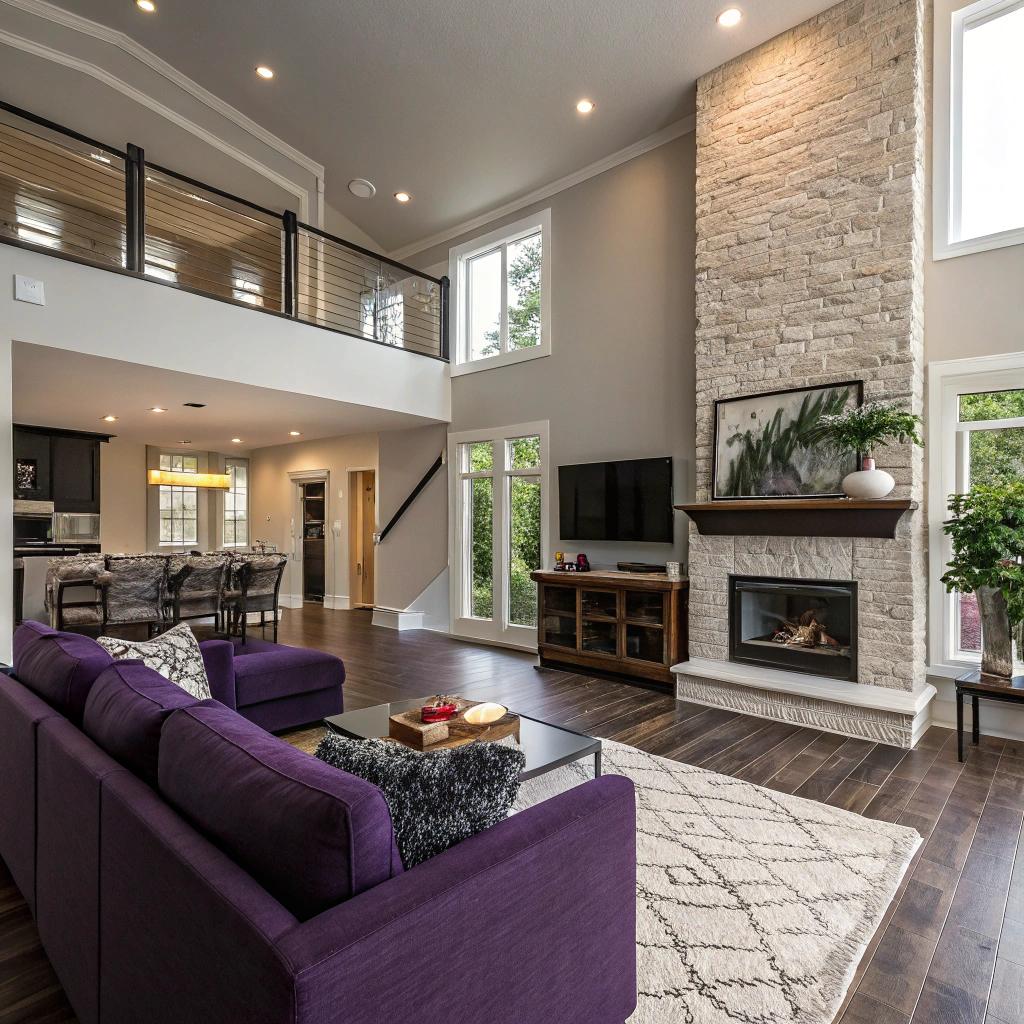

“You cannot update an older Fort Collins home for modern living without tearing it apart and starting from scratch.”
That quote sounds confident, but it is mostly wrong. Many older Fort Collins homes can feel current, comfortable, and practical with smart planning, not full demolition. Good space planning, better storage, and careful material choices usually matter more than taking everything down to the studs. If you plan your project well and work with people who understand remodeling Fort Collins homes and codes, you can get a modern, easy-to-live-in space without losing the character that made you like the house in the first place. If you want a shortcut resource, you can start by looking into remodeling Fort Collins options that focus on both design and build.
I know that when you look at your kitchen from the 1990s or the tiny main bathroom, it can feel like the only answer is a full gut job. Sometimes that is true, especially when there are serious layout or structural issues. But more often, the real problem is how the space works for your day, not how old the house is.
Maybe your kids dump backpacks at the front door and you trip over shoes every night. Or the kitchen is fine for one person but feels crowded with two. Or you work from home now and your dining room table has become a messy office you do not want guests to see. Those are lifestyle problems. A good remodel in Fort Collins should solve those first, then deal with the pretty finishes second.
I want to walk through how that looks in real homes here. Not as a perfect blueprint, but as a series of practical choices that add up.
You will probably notice that some ideas seem to pull in opposite directions. For example, I will talk about open spaces and then say it is better to keep a few walls. That is real life. Every house, and every family, has tradeoffs.
What “modern living” really means in Fort Collins homes
People use the phrase “modern living” a lot, but it often means different things from one person to the next. In Fort Collins, when homeowners talk about modern living, they usually mean a mix of these themes:
Modern living in Fort Collins often means: better flow, flexible rooms, low maintenance, and homes that feel connected to the outdoors.
Let me break that down a bit.
You want rooms that support daily life, not just look good in photos. That usually means:
– Places to drop bags, shoes, and coats without creating a mess.
– A kitchen that allows more than one person to cook or clean.
– A living space where you can both relax and host people.
– More storage than the home was originally built with.
Modern living here also means comfort across seasons. Fort Collins has bright sun, cold winters, and some hot afternoons. So insulation, windows, and heating and cooling matter just as much as countertops. Sometimes more.
And there is one more layer: connection to the outdoors. We have a lot of people who bike, hike, ski, or garden. Mudrooms, patio access, decks, and good outdoor lighting make daily life easier. That is part of remodeling too, not just interior design.
So when you think about updating your place, try to forget the word “modern” for a moment. Ask yourself instead:
– How do we actually live here now?
– What trips us up or frustrates us each day?
– What do we wish we could do in this house that we currently avoid?
Those answers guide the remodel more than any style term.
Reading the house you already have
Older Fort Collins homes fall into some broad groups. Small bungalows near Old Town. Mid-century homes with low roofs. 70s and 80s split levels and two-stories in mature neighborhoods. Newer builds at the edges of town.
Each group has common strengths and weak points.
For example:
– Old Town homes often have charm, nice windows, and walkable streets, but small closets and cramped kitchens.
– Mid-century homes may have good light and original woodwork, but outdated mechanical systems.
– 80s and 90s homes might have odd angles, golden oak, and compartmentalized rooms that do not match how people live now.
Before you think about finishes, it helps to “read” your house objectively.
Ask yourself:
– Which rooms get the best natural light?
– Where do people naturally gather now, even if it is not designed that way?
– Which spaces do you avoid or never use?
You might find that the problem space is not what you thought. For example, some people assume they need a larger kitchen. When we look closely, the square footage is enough, but the layout wastes half the room. Or the kitchen is fine, but the bottleneck is a tiny doorway or a badly placed island.
Sometimes a very small change, like widening a doorway or moving one wall a few feet, unlocks more comfort than a huge, expensive addition.
Table: Common Fort Collins home types and typical remodel targets
| Home type | Common issues | Remodel focus that works well |
|---|---|---|
| Old Town bungalow / cottage | Small kitchen, little storage, aging plumbing and wiring | Kitchen re-layout, built-in storage, updated mechanicals, better insulation |
| Mid-century ranch | Low ceilings, closed-off rooms, older windows | Openings between kitchen and living, window upgrades, modest ceiling work, patio connection |
| 70s / 80s split level | Choppy layout, tiny entry, awkward stairs | Entry remodel, railings, better lighting, bath updates, kitchen rework |
| 90s / early 2000s two-story | Formal rooms no one uses, heavy trim, dated finishes | Remove some walls, refinish cabinets, flooring changes, re-purpose dining room as office |
| Newer suburban build | Builder-grade materials, limited character, small yard access | Finish basement, upgrade fixtures and surfaces, improve patio and yard connection |
This table is not perfect or complete, but it shows a key idea: modern living is less about following trends and more about solving common, repeatable problems in each type of house.
Planning your Fort Collins remodel around real life
Many remodels go off track because they start with finishes instead of needs. Picking tile is fun. Thinking about plumbing vent stacks is not very fun. But without the boring part, the pretty part gets less useful.
Here is a simple way to plan, working from most important to least:
1. Start with how you use the home, hour by hour
Try this exercise for a week. It feels slightly silly but gives clear answers.
Each evening, ask yourself a few questions:
– Where did the house get in our way today?
– Where did we make a mess because there is no good place for things?
– When did we feel crowded or irritated with the layout?
Write down the answers. They might be small, like “no place to fold laundry near the washer” or “mail piles up on the kitchen counter.”
After a week, patterns appear. That pattern is your roadmap.
You can also flip the question:
– Where did the house work really well today?
– Which room felt calm or easy to use?
You want to protect these wins during the remodel. A common mistake is fixing one problem and creating a new one in a room that used to be fine.
2. Separate “must-have” from “nice-to-have”
This sounds obvious, but homeowners often mix them up. Granite, quartz, or another countertop material might feel like a must, but if your current kitchen has no vent hood and makes the whole house smell after cooking, ventilation is more urgent.
If your budget is tight, focus first on layout, structure, and comfort. Finishes are easier to upgrade later than walls, plumbing, or electrical.
Some things that usually belong in the “must” column for Fort Collins homes:
– Safe, updated wiring, especially in older houses.
– Good insulation and air sealing in attics and crawl spaces.
– Correctly sized heating and cooling for both winter and summer.
– Fixing leaks or water issues before they cause damage.
Once those are covered, you can move to what makes life pleasant:
– Better lighting.
– Storage built for how you live.
– Surfaces that clean easily.
– Calmer colors and materials.
3. Think about the next 10 years, not just the next 2
This is where people often underestimate their future selves. You might say, “We do not need a main floor bedroom” or “We never take baths, just showers.”
But lives change. Family members age. Injuries happen. Working habits shift. It is not about planning for every scenario, just leaving room for possible change.
Questions that help:
– Could this office also be a guest room if we needed it?
– Can we fit a small desk in the kitchen or living area for kids homework?
– If stairs ever become hard, is there any way to create a sleeping place on the main level?
You do not have to fix it all now. Just avoid design choices that lock you into one narrow use.
Key areas where modern living remodels pay off
Some rooms give you more daily comfort for each dollar you spend. In Fort Collins, I usually see the biggest changes in:
– Kitchens
– Bathrooms
– Entry and mudroom zones
– Basements
– Outdoor connections
Let us go through each.
Kitchen remodels: more than new cabinets
The kitchen has a special place in most homes. It is where people stand around during parties, where kids do homework, where you drop bags and keys. It is almost never just for cooking.
Modern living in a Fort Collins kitchen tends to focus on:
– Clear work zones so multiple people can move without collisions.
– Storage that matches your habits, not some perfect magazine idea.
– Easy cleaning, because winter boots, pets, and kids bring in dirt and snow.
Some practical approaches:
Re-think the layout
Before you replace cabinets, look at the floor plan. Is the sink in a useful place? Can someone open the fridge while another person uses the stove? Is there a direct path from the garage or main entry to the fridge and pantry?
Sometimes, moving one major appliance or opening up part of a wall changes how the room works more than all new cabinetry.
Plan storage for real items, not imaginary ones
If you own three large pots and a slow cooker, you need storage built for that, not for twenty tiny appliances you do not use. Consider deep drawers for pots and pans, pull-out shelves in lower cabinets, and a pantry that holds bulk items for winter.
Think about sunlight and heat
In Fort Collins, the sun can be intense. If your kitchen faces west, afternoons might feel hot, especially in summer. Shade, better window glass, or a layout that reduces direct sun on key work areas can make cooking more pleasant. This is boring to think about now, but you will notice it every day later.
Bathroom remodels for daily comfort
Bathrooms in older homes here tend to be small. They also often have poor ventilation and limited storage. A modern bathroom does not just mean a walk-in shower and fancy tile. It means:
– Good lighting that does not cast odd shadows.
– Vent fans that actually clear moisture.
– Enough storage for what you use daily, so counters stay less messy.
You might not need a huge bathroom. Sometimes, removing a seldom-used tub to make space for a better shower, slightly larger vanity, and more open floor area is enough.
Also, consider aging and injuries. Even if you are young, a curbless or low-curb shower, blocking in walls for future grab bars, and non-slippery flooring can help guests and future you.
Entries and mudrooms in a four-season climate
Snow, slush, mud, and dust are part of life here. Newer homes sometimes have a small mudroom, but older ones often have nothing more than a shallow coat closet.
That is where a lot of daily frustration lives.
A smart entry update might add:
– Hooks at kid height so coats do not end up on the floor.
– A bench with storage under it for shoes.
– Hard flooring that handles water and grit.
– A spot for keys, mail, and bags that is not the kitchen counter.
A mudroom does not always need its own room. You can often carve out an entry zone from a corner of the kitchen, garage entry, or hallway with some built-ins and better lighting.
Basements: from storage to flexible living
Many Fort Collins homes have basements that were partly finished sometime in the past. These often turn into awkward spaces, dark and underused, with low ceilings and dated paneling.
Modern living pushes basements to do more:
– Guest space for visiting family.
– Teen or kid hangout area, so the main floor can stay calmer.
– Home office, workout room, or hobby room.
– Storage that is neat and reachable, not a jumble of boxes.
Before finishing a basement fully, check for:
– Moisture problems or musty smells.
– Radon levels and needed mitigation.
– Low-hanging ducts or pipes that might make headroom tricky.
– Emergency escape windows if you want legal bedrooms.
Once those are handled, you can think about layout. Sometimes, a simple, open space with one closed room for guests is more useful than lots of small, cramped rooms.
Indoor-outdoor connection
Many older Fort Collins homes have small, awkward back doors with no good patio or deck. You end up not using the yard much, even though the climate allows for many comfortable evenings outside.
A remodel can help by:
– Replacing a small window with a larger sliding or French door that opens to a deck or patio.
– Creating a modest covered area for shade and light rain.
– Adding exterior lighting so the yard feels usable after dark.
– Planning a direct path from kitchen to grill or outdoor table.
This does not have to be a big, fancy outdoor kitchen. Even a small, level patio with some simple seating extends your living space in a way that feels very current.
Balancing character and modern needs
One fear many Fort Collins homeowners have is losing the charm of an older home. Maybe there is original wood trim, a brick fireplace, or built-ins that give the house personality. Modernizing can feel like a threat.
I do not think you have to choose one or the other. You can update comfort, safety, and function while keeping key details.
Think about:
– Keeping original doors and trim where possible, but pairing them with new, simpler hardware.
– Restoring a brick fireplace rather than covering it with fake stone.
– Refinishing original hardwood floors instead of installing new synthetic materials everywhere.
– Matching new windows with the original grid pattern, while improving glass quality.
A good Fort Collins remodel keeps what gives your home its character, while quietly upgrading the parts you do not see, like wiring, insulation, and structure.
Sometimes, you might decide to remove a historic feature because it hurts daily life too much. For example, if a giant chimney blocks the only path to a workable kitchen layout. These are hard calls, and you will not always be perfectly consistent. That is normal.
Local Fort Collins factors that shape remodel choices
Home remodeling here is not the same as in a coastal city or a hot, humid climate. A few local conditions affect smart decisions.
Climate and energy
Fort Collins has:
– Cold nights in winter.
– Dry air most of the year.
– Lots of sun.
– Big temperature swings between day and night.
For remodels, this translates into:
– Insulation and air sealing give huge comfort returns.
– Good windows matter for both heat loss and overheating.
– Heating systems should match the real use of the house, not just square footage.
– Cooling might need more thought in older homes that were built before air conditioning was common.
If you are opening up walls, that is usually the time to improve insulation, replace old wiring, and fix any vents that are not sized well. It is much harder and more costly to come back later.
Codes, permits, and inspections
Many homeowners hope to skip permits for small jobs. For some cosmetic work, that can be fine. But once you touch structural walls, plumbing, or electrical, you enter a different category.
Working with local inspectors can actually protect you. They can catch unsafe wiring, undersized beams, or bad venting. That might feel annoying in the moment, but down the line it often saves repair costs and stress.
Property values and neighborhoods
Fort Collins neighborhoods vary a lot in price, style, and future growth. You might worry about over-improving your house, or doing work that will not help resale.
I think resale value is worth keeping in mind, but not the only guide. You live in the home now. Modern living should serve you first.
A few reasonable questions to balance both:
– Does this change remove something buyers in this area expect, like a garage or a bath?
– Are we adding rooms that future owners are likely to use too, like an extra bath, office, or better entry?
– Are we making choices that are very personal but hard to reverse?
If you want a bright purple kitchen, you can have it. Just know that repainting might be part of your future plan if you sell.
Working with remodeling pros in Fort Collins
You said you did not want hype, so I will be blunt. Not every contractor is a match for every project. Some are better at bathrooms, some at whole-house remodels, some at structural changes. Some communicate well. Others do not.
When you talk with remodelers, watch for:
– Clear, specific answers to your questions.
– Realistic timelines that include design, permits, and construction.
– A willingness to say “I do not recommend that” and explain why.
– Detailed estimates that show where the money goes.
If a contractor agrees with every idea you have without any pushback or suggestions, that can be a red flag. You are hiring them for their judgment, not just for labor.
You also have to be honest about your budget. Many people feel awkward sharing a number. They say “just give me a quote.” That leads to designs that may be far beyond what you want to spend.
A cleaner approach:
– Decide your comfort range, not just your absolute ceiling.
– Share that range with the contractor and designer.
– Ask them what is realistic within it, and what tradeoffs they recommend.
You might need to phase the project. For example, you could update the kitchen and entry now and leave the basement for later, but rough in plumbing and electrical while the walls are open to save future work.
Common remodeling mistakes in Fort Collins homes
I do not want to sound negative, but learning from other people’s headaches can spare you some of your own.
Some patterns I have seen, or that friends have faced:
Chasing trends too hard
All-white kitchens, very dark floors, extreme open plans, heavy patterns that look great on social media but feel cold or impractical in person. Trends change fast. Your home should age more slowly.
Ask yourself:
– Will I still like this in 5 or 10 years?
– Does this finish hide dirt, or show every footprint and crumb?
– Does this choice fit the style of the house, or fight against it?
You do not need to play it safe all the time. Just pick a few elements where you take a risk, and keep most of the background calm.
Ignoring lighting
Fort Collins has strong daylight, but interior lighting often gets less thought than it deserves. Many remodels treat lights as an afterthought and end up with dark corners or bright but harsh glare.
Try to plan:
– Ceiling lighting for general use.
– Task lighting over counters, sinks, and work areas.
– Softer lamps or wall lights for evenings.
In basements, warm light color and multiple fixtures at different heights make a big difference.
Underestimating storage
I have yet to meet someone who complained “we added too much storage.” Houses fill up over time. Without planned storage, surfaces collect clutter.
Good storage is not just more closets. It is:
– Pantry shelves sized for what you buy.
– Bathroom storage for tall bottles, not just shallow medicine cabinets.
– Coat hooks, cubbies, and shoe space near entries.
– Space in the garage or shed for outdoor gear people in Fort Collins actually use: bikes, skis, camping gear.
Not planning for noise
Open layouts look clean but can be noisy. Sound travels. If you work from home, have kids, or play music, some walls are your friend.
Think about:
– Keeping one room that can fully close for quiet work or rest.
– Using soft materials like rugs and curtains to absorb noise.
– Adding solid doors to bedrooms, even if the style trend leans to open.
Cost, phasing, and living through a remodel
Money is always a factor. So is stress. Living through construction is not fun, even with a good contractor.
Here are some grounded ways to think about it.
Setting a realistic budget
Costs shift over time with materials and labor. I cannot give exact numbers that will match every project, but I can suggest a way to think about them.
Break your budget mentally into:
– Structural and system work: framing, foundations, HVAC, electrical, plumbing, insulation.
– Function changes: walls moved, doors and windows changed, layout updates, built-ins.
– Finish surfaces: cabinets, counters, flooring, tile, paint, trim, fixtures.
If funds are tight, protect the first two layers. Those are the bones and nervous system of your house. You can always upgrade cabinet doors, faucets, or lights in a few years.
Phasing the project
Sometimes, trying to do everything at once stretches finances and nerves too far. You can break things into stages, as long as you think ahead.
A simple staging approach:
1. Fix safety and structural issues.
2. Address water, moisture, and comfort (insulation, HVAC).
3. Update key living spaces: kitchen, baths, entry.
4. Finish secondary spaces: basement, guest rooms, specialized rooms.
5. Refine finishes: nicer counters, custom built-ins, upgraded fixtures.
If you tell your contractor that you plan to phase, they can sometimes rough in wiring, plumbing, or framing now to make future phases easier.
Living in the home during work
Not everyone can move out during a remodel. If you stay, consider:
– Setting up a temporary kitchen with a small fridge, microwave, and hot plate.
– Sealing off construction areas with plastic and zipper doors to reduce dust.
– Agreeing on work hours with the crew so you have some quiet time.
– Creating one “clean room” in the house with no tools or boxes, to give your mind a rest.
Remodel stress is real. You will probably hit a point where you are tired of decisions, noise, and dust. Knowing that ahead of time can help you plan breaks and not make rushed choices out of frustration.
Pulling it all together
By now, you might feel like remodeling for “modern living” in Fort Collins is both simpler and more complex than you first thought.
Simpler, because the main questions are quite basic:
– How do we live?
– What bothers us?
– What helps us feel calm and comfortable?
More complex, because turning those answers into walls, wiring, and finishes is a careful process with many tradeoffs.
I will end with a small Q&A that might mirror some questions you are already asking yourself.
Common questions about remodeling Fort Collins homes for modern living
Q: Do I have to open everything up to feel modern?
A: No. Some openness helps, like wider doorways or a partial wall removal between kitchen and living. But completely open spaces can be noisy and hard to furnish. A mix of open areas and defined rooms often works best.
Q: Is a kitchen remodel always the first priority?
A: Not always. If your home has wiring issues, winter comfort problems, or moisture in the basement, those might need attention first. A kitchen update can wait a year. Safety and comfort cannot.
Q: Will remodeling erase the character of my older Fort Collins home?
A: Only if you let it. You can keep original trim, doors, or built-ins while upgrading layout, insulation, and utilities. The key is to choose a few features to protect, instead of trying to preserve every single detail.
Q: Can a small house really feel “modern” without an addition?
A: Often yes. Smart storage, better lighting, and fewer but more flexible rooms can make a modest home feel surprisingly generous. Additions help in some cases, but they are not the only path.
Q: How do I know if my ideas are realistic for my budget?
A: Talk with a local remodeler or designer early, share your true budget range, and ask them to explain tradeoffs clearly. Push back when something feels off, and be ready to adjust scope instead of cutting corners on quality.
If you walked through your home right now and had to name just one place that feels most out of step with how you live, which space would you pick, and what single change would make tomorrow feel a little easier?
