
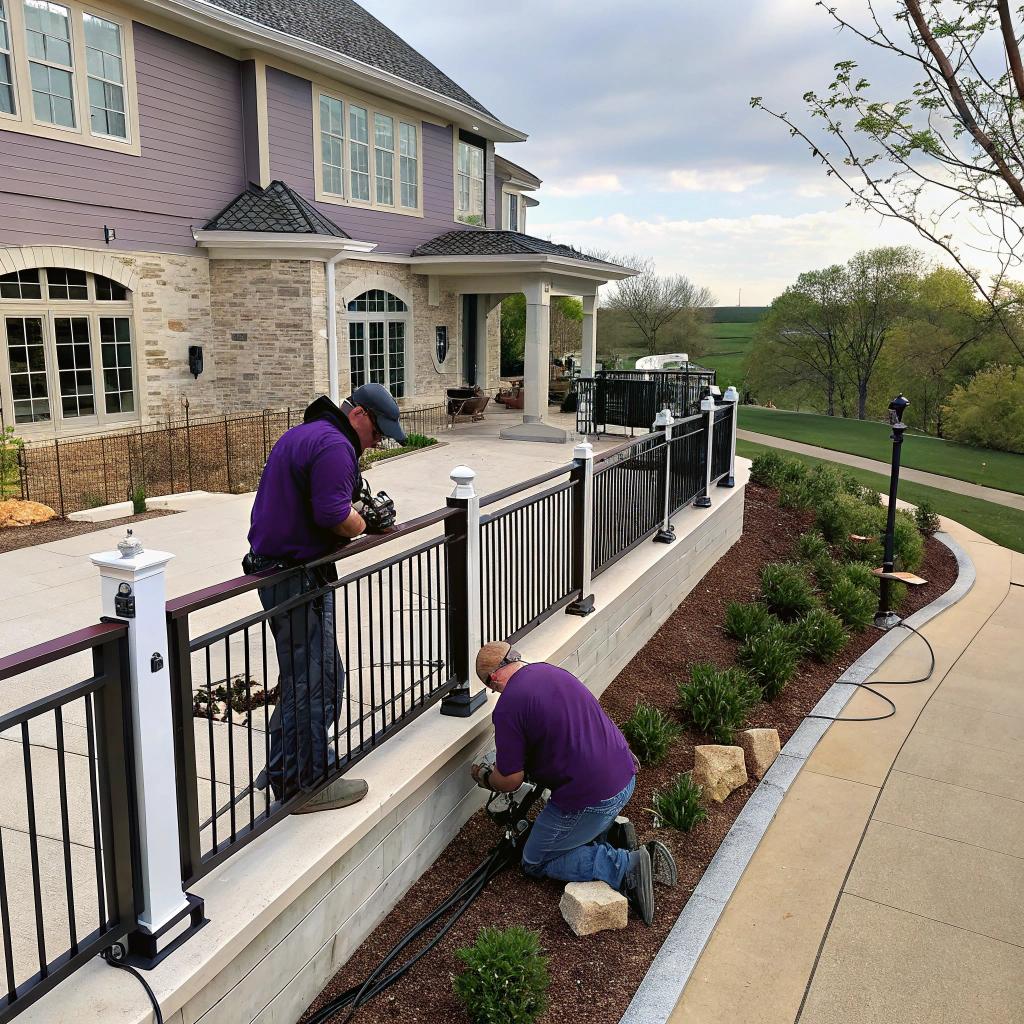

“All railings are pretty much the same, so you might as well just pick the cheapest one.”
That line comes up a lot, and I think it is one of the quickest ways to regret a home project. It is false. The right railing can change how safe your deck feels, how your stairs work day to day, how the outside of your house actually looks, and even how much maintenance you deal with every spring. If you are looking for top rated railing services Madison WI, you are really looking for three things at once: safety, durability, and a style that fits your home without turning into a headache later.
So, the short answer: no, railings are not all the same, and going with the lowest bid often means weaker materials, sloppy installation, and a railing you end up staring at for the next ten or fifteen years thinking, “I should have just done this right.”
I have seen it both ways. One neighbor picked a budget installer who rushed everything. The posts wobbled a bit from day one, which felt small at first, and then grew into a constant worry when kids were running around. Another friend paid more for a solid local crew that took their time, planned details, and checked every attachment. Their deck feels different. You just know it is solid from the first step.
This is the real split in railing work around Madison. On paper, projects can look similar. Same length, same material, similar color. But quality lives in the details you do not see right away: how the posts are anchored, how level everything is, what kind of fasteners get used, how water is kept from creeping into joints. The surface might look nice during the first week on almost any job. Year five is where you start to see who actually cared.
So if you are trying to figure out which railing contractor is worth your money, or which railing system makes sense for your house, it helps to slow down a bit and look under the surface. Not every top rated company will be the right fit for you, and not every high price quote is fair, but there are clear signs that separate solid railing services from the rest.
Let me walk through those in a practical way, and I will try to keep it grounded in what you will actually see on site, not just marketing language.
Why railing quality matters more than most people think
At first, a railing looks simple. Posts, top rail, infill to keep people from falling. That is it, right? Functionally, yes. But that simple structure does a lot more work for your home.
Here is what a good railing quietly handles every day:
– Stops falls and slips on stairs and decks
– Holds up to people leaning hard on it, sometimes several adults at once
– Stands through Wisconsin weather: freeze, thaw, snow, rain, UV
– Stays tight, without rattling, as wood around it moves and contracts
If any of those parts fail, you do not just get an eyesore. You get risk.
I think many homeowners underestimate how much force a railing deals with. When you have ten people on a deck, a few may lean against the rail at once. Kids pull on balusters. Someone might grab the handrail to catch themselves on an icy stair tread. It all adds up.
You also get the visual side. Railings create a strong line along your deck perimeter and stairs. From the yard, that line shapes how people see your house. From the deck, it frames your view. So the style and layout affect both curb appeal and how much you actually enjoy sitting outside.
When railing is done right, you do not think about it. When it is done wrong, you notice it every single time you step outside.
So yes, the question “Which railing service is best in Madison?” is really a quality-of-life question, not just a construction detail.
Types of residential railings you see most in Madison
Before choosing a contractor, it helps to know what kind of railing you actually want. Different materials fit different houses, budgets, and maintenance habits. If you hate scraping and repainting, for example, that narrows the field pretty quickly.
Here are the types you will most often see around Madison homes.
Wood railings
Wood railings are common on older decks and on more traditional homes. They match wood decks easily, especially if you already have pressure treated lumber.
Pros:
– Natural look that blends with a wood deck
– Easy to customize on site
– Simple to repair small sections
Cons:
– Needs regular sealing or painting
– Can warp, crack, or rot over time
– Balusters may loosen as wood moves
Wood can be a nice choice if you like a classic style and do not mind ongoing maintenance. But if you are already tired of sanding and staining, it may not be what you want to add more of.
Composite railings
Composite railing systems use materials made from plastic and wood fibers or similar blends. They have grown more common in newer deck builds.
Pros:
– Low maintenance compared to wood
– Resists rot and insects
– Consistent color and finish
Cons:
– Higher material cost
– Can get hot in direct sun
– Some systems look a bit more “manufactured”
For homeowners who want long term durability without a paintbrush in hand every other year, composite is often a good fit.
Aluminum railings
Aluminum is light, strong, and does well in wet and cold climates. You will see these on many mid to high end decks.
Pros:
– Strong and rigid, with slim profiles
– Resists rust and corrosion
– Works well with cable or glass infill
Cons:
– Can dent if hit hard
– Color choices are more limited than wood
– Poor quality powder coat can chip
If you want a clean, simple look with slimmer rails that do not block the view much, aluminum is worth a close look.
Wire and cable railings
Wire or cable railings are popular around Madison for homes with nice yard or lake views. Many people like how open they feel.
Pros:
– Very open view, especially compared to solid balusters
– Works nicely with wood, composite, or metal posts
– Modern and minimal appearance
Cons:
– Needs precise installation to keep tension consistent
– Low quality hardware can corrode and stain posts
– Must be installed to meet code spacing rules
If you look for “wire deck railing Madison” online, you will see a lot of decks that look sharp, but what you cannot see in photos is the tension and anchoring. This is one style where a skilled installer matters a lot.
Glass railings
Glass railings are less common but show up on higher end decks and patios.
Pros:
– Almost fully clear view
– Blocks wind while letting light through
– Clean, modern feel
Cons:
– Shows dirt and fingerprints
– Higher material and labor cost
– Needs careful cleaning and care
Glass is not for everyone, but on the right house, it fits very well.
How to judge top rated railing services in Madison WI
Good reviews help, but they do not tell the whole story. Many companies have a handful of 5 star ratings and some photos. That is a start, not a decision.
When you talk with railing contractors, pay attention to how they handle the points below. If they brush these off, that is a red flag.
1. Local code knowledge and permits
Madison and Dane County have clear building code rules for railings. Height, spacing, load strength, and attachment all matter. Top contractors know these from memory and can explain them in simple terms.
You want answers to questions like:
– How high will the rail be on my deck and stairs?
– What is the maximum gap between balusters or cables?
– How do you handle guardrails vs handrails on stairs?
– Who pulls the permit, you or them?
If a contractor gets vague or says, “We always do it like this, it is fine,” that is not very reassuring.
2. Post anchoring and structure
This is the part most homeowners cannot see clearly, and it might be the most critical. Posts carry the load of the railing. If they are not anchored well, the entire system is weak.
Ask:
– How do you attach posts to the deck framing or concrete?
– What hardware do you use?
– Do you block the framing under posts to stiffen it?
A strong answer will mention blocking, structural screws or through bolts, and inspection of existing framing. If the response is just “We use strong brackets,” that is not very specific.
3. Material quality and brands
There is a real gap between no-name hardware from a random supplier and tested systems from known brands. You do not need a brand lecture, but you should at least know:
– What material is used for posts, rails, and infill
– What finish is on metal (powder coat, anodized, etc.)
– What warranty exists on materials
Better companies are honest here. They may even show you sample pieces so you can feel the weight and see the coating.
4. Attention to details that affect daily use
This is where top rated services separate themselves. They think about how you will use the rail every day, not just how it looks on a drawing.
Practical questions:
– Will the top rail be comfortable to grip?
– Does the stair handrail feel natural in your hand?
– Are corners and transitions smooth or awkward?
– How easy is it to shovel snow around posts and balusters?
For example, square, sharp top rails might look nice but feel rough on bare forearms in summer. A rounded cap is more pleasant when you lean on it.
A good railing installer thinks about the hands that will use the rail, not only the eyes that will see it.
5. Communication and project process
This sounds a bit soft, but how a contractor communicates often matches how they build.
Pay attention to:
– How fast they respond to your first contact
– Whether they show up on time for appointments
– How clearly they explain the quote and scope
– Whether they pressure you for a decision
If the scheduling feels chaotic before the job starts, it rarely gets better later.
Common railing projects for Madison homes
Most homeowners in Madison reach out to railing contractors for a few core reasons. Knowing where your project fits can help you ask better questions and compare quotes more fairly.
Replacing an old wood deck railing
This might be the most common situation. You have an older deck with a wood railing that has gotten wobbly, splintered, or rotted. The deck structure might still be okay, but the rails feel tired.
Things to think about:
– Do you want to keep a wood look or switch to metal or composite?
– Is the deck framing under the railing posts strong enough for new rails?
– Will post locations change, or will they follow the existing layout?
Sometimes, rail replacement reveals deck issues, which can raise costs. Honest contractors will tell you if some deck boards or framing need repair before they attach new rails.
Adding railing to entry steps or small stoops
Front entry steps and small concrete stoops often lack handrails, especially on older homes. At some point it starts to feel unsafe, especially in winter.
On these projects, two things matter:
– Strong anchoring into concrete or masonry
– Style that fits your front door, siding, and trim
Even a short rail at the front steps can make a big difference in safety. It can also help with resale, since buyers notice secure entries.
Building new deck railings with a full deck project
If you are getting a new deck, railings are part of the bigger picture. A good deck contractor will think about railing layout from the start, not as an afterthought at the end.
This is where coordination matters. If the same company handles both deck and railing, they can plan post locations, blocking, lighting, and stairs together. If different contractors split the job, you want them to talk to each other and share plans.
Custom railings for unique layouts
Some Madison homes have more complex setups: wraparound decks, multi level platforms, or tight side yards with stairs that turn. These jobs need careful measuring and some creativity.
In these cases, you want to see drawings or at least a clear sketch before work starts. Angles, landing sizes, and handrail transitions matter a lot to how finished the project feels.
Comparing railing materials: a quick reference
It helps to see the tradeoffs side by side. Here is a simple table to give you a sense of how common railing types compare around Madison.
| Railing Type | Typical Cost Level | Maintenance | View | Common Use |
|---|---|---|---|---|
| Wood | Low to Medium | High (stain/paint every few years) | Medium (thicker balusters) | Older decks, traditional homes |
| Composite | Medium to High | Low (wash occasionally) | Medium | Newer decks, low maintenance homes |
| Aluminum | Medium | Low | Medium to High (slimmer profiles) | Decks, porches, stairs |
| Cable / Wire | Medium to High | Low to Medium (check tension, clean) | High (very open) | View decks, modern designs |
| Glass | High | Medium (regular cleaning) | Very High | High end decks, patios with views |
This is not perfect, but it gives a baseline. Your house style, budget, and how much cleaning you accept will point toward one or two good choices.
What makes a railing contractor “top rated” in practice
The phrase “top rated” gets used so often that it becomes blurry. So, think less about stars on a website and more about behavior on real projects.
Here are some traits that Madison homeowners consistently value, whether they use that exact phrase or not.
Clear, written estimates with detail
A solid contractor will break out:
– Materials by type and brand
– Labor scope (removal, prep, install, cleanup)
– Any optional upgrades (lighting, different infill, etc.)
– Estimated timeline
It does not have to read like a legal contract, but it should be clear enough that you know what you are paying for. Vague one line quotes like “New railing – 6,000” leave too much room for problems later.
Honest talk about existing conditions
On replacement projects, there are often surprises under old rails: rot, rusted fasteners, or weak framing. A good installer acknowledges this upfront and explains how they handle it if they find more damage.
Some will build in an allowance for possible repairs. Others will agree on a process to approve extra work before they do it. Either approach beats silence followed by a big surprise bill.
Realistic schedules, not wishful ones
Everyone wants a quick project. But in Madison, weather, permit timing, and supply availability can slow things down. Better companies give realistic ranges and keep you updated.
If a contractor promises “next week, no problem” when others say “a few weeks,” that might sound nice, but it could be a sign they are just telling you what you want to hear.
Respect for your property
This is one of those things that stands out when you hear neighbors talk about good and bad experiences.
Signs of respect:
– Protecting plants and yard areas around the work zone
– Keeping materials stacked neatly
– Cleaning up screws, nails, and debris
– Fixing small incidental damage instead of ignoring it
You do not need perfection, but you should not feel like a construction site is camping in your backyard for days after the crew leaves.
Stair railing installers in Madison: special things to check
Stair railings are slightly different from deck guardrails. They are used more often and take more direct hand contact. So your standard is a bit higher.
If you are hiring stair railing installers in Madison, it helps to focus on a few extra points.
Grip and comfort
Handrails should be easy to grasp, especially for kids and older adults. Round or gently curved profiles work better than wide, flat ones that feel like mini shelves.
Ask to see or touch sample handrails. If it feels awkward in your hand, that feeling will not go away later.
Height and code compliance on stairs
Stair railing height has different rules than deck guardrails. A proper installer will measure your treads and run to find the right mounting height, then keep it consistent along the entire flight.
Look out for:
– Uneven mounting heights
– Random height changes where the stair meets a landing
– Handrails that are too low or too high to grab naturally
A top rated crew takes time here. It is not just “follow the stringer” and hope it lines up.
Transitions at landings and turns
Many stairways turn, either with a small landing or a winder step. Handrails need to follow that turn cleanly.
On better installs, you see:
– Smooth, well aligned joints at corners
– No sharp edges or exposed screw tips
– Consistent spacing from the wall or posts
Little gaps and crooked cuts might not be unsafe, but they will bother you every time you walk up and down the stairs.
Wire deck railing in Madison: real pros and cons
Cable or wire deck railing looks great in photos. Many homeowners in Madison who have lake views or nice backyards consider it. I like the look myself, but it is not always the best choice for every deck.
Here are some practical points that do not always show up in brochures.
View and aesthetics
The strongest benefit is the open view. Horizontal cables almost disappear at a distance. If you enjoy looking out over trees or water, this can make your whole deck feel bigger.
But from up close, the hardware and fittings become part of the look. End posts with tensioners, corner posts with multiple cable directions, and visible fittings all stand out. Some people love that industrial touch, others do not.
Installation quality and long term tension
Cable railing must be tensioned correctly. Too loose and it looks sloppy and may fail code spacing rules. Too tight and it can stress posts and hardware.
Over time, cables can stretch slightly, which means a bit of upkeep to keep things tight. A good installer will:
– Use robust end and corner posts
– Size the cables and hardware properly
– Explain how and when to recheck tension
If someone proposes cable railing without talking about post stiffness or long term tension checks, I would be cautious.
Code and safety in a family setting
Some families worry about kids trying to climb horizontal cables. Opinions vary here. Code focuses on spacing to prevent falling through, not on climbability.
If you have very young children and are nervous about this, you might lean toward vertical infill instead. Talking about this honestly with your contractor is better than ignoring it.
Realistic cost expectations for railings in Madison
Costs shift over time, and materials change, so I will not throw exact numbers that will age too fast. But you can think in ranges and tradeoffs.
A few general patterns:
– Wood is often the lowest starting cost, but long term upkeep adds time and money
– Composite and aluminum land in the middle to higher range, with lower upkeep
– Cable and glass sit near the higher end, both for materials and labor
The complexity of your deck or stairs adds cost too. Straight runs with few corners are simpler. Multiple turns, built in seating, or mixed materials take more time and hardware.
Good contractors in Madison will usually not be the cheapest. But paying a bit more for a crew that cares about code, prep, anchoring, and details nearly always costs less than fixing a bad job later.
You are paying for what you cannot easily see as much as for what you can.
If a quote feels surprisingly low compared to others, ask what is different. Are they using thinner posts, cheaper hardware, or skipping blocking and reinforcement? Sometimes a “deal” is just a stripped down approach.
Questions to ask any railing contractor before you sign
When you meet or speak with railing services, it helps to have a simple list of questions ready. Not to interrogate them, but to get clear answers.
You might ask:
- Have you done projects similar to mine in Madison or nearby?
- What materials and brands do you recommend for my home, and why?
- How do you handle permits and inspections?
- What does your warranty cover on labor, and for how long?
- If you find rot or other hidden issues, how do you handle that with pricing?
- Who will actually be on site doing the work?
- How long do you expect the project to take, from start to finish?
You do not need perfect answers to every question, but you want clear, direct responses. If someone seems annoyed that you are asking, that tells you something too.
Bringing it all together for your Madison home
Railing work seems small compared to full room remodels, but it touches safety, comfort, and appearance all at once. That is why picking the right service in Madison is worth some effort.
If you care about getting it right, here is a simple way to think through your decision:
- Decide what matters most: low maintenance, natural look, clear views, or lower first cost.
- Look at the most common railing types with that goal in mind.
- Talk with at least two or three local railing contractors.
- Pay attention to how they explain code, structure, and materials.
- Choose the one that balances fair pricing with clear communication and solid detail.
You might change your mind halfway through the process, and that is fine. Maybe you start thinking wood is the answer and end up leaning toward aluminum. Or you plan on cable and later decide you would like something less “modern.” The right contractor should help you work through that, not rush you past it.
To wrap this up in a practical way, here is a question that comes up often, with a straight answer.
Common homeowner question about railing services in Madison
Is it worth paying extra for a higher rated railing contractor, or should I just choose the lowest quote?
In most cases, paying extra for a clearly stronger contractor is worth it. Not because expensive always means better, but because railing affects safety and long term use more than many people realize.
The lowest quote often cuts somewhere:
– Cheaper materials or hardware that do not age well
– Less time spent on framing prep and post anchoring
– Minimal attention to fit and finish on corners and stairs
You may not see the difference on day one. You will see it over a few winters, when screws start backing out, posts loosen, or finishes wear unevenly.
A fair way to decide is to compare:
– How each contractor describes the work
– What materials they use
– How confident you feel after talking with them
If the higher quote comes with better answers, clearer details, and a more solid plan, it is usually the better value, even if the number itself stings a bit at first. Would you rather think about the cost once, or think about a shaky railing every time someone leans on it?
