
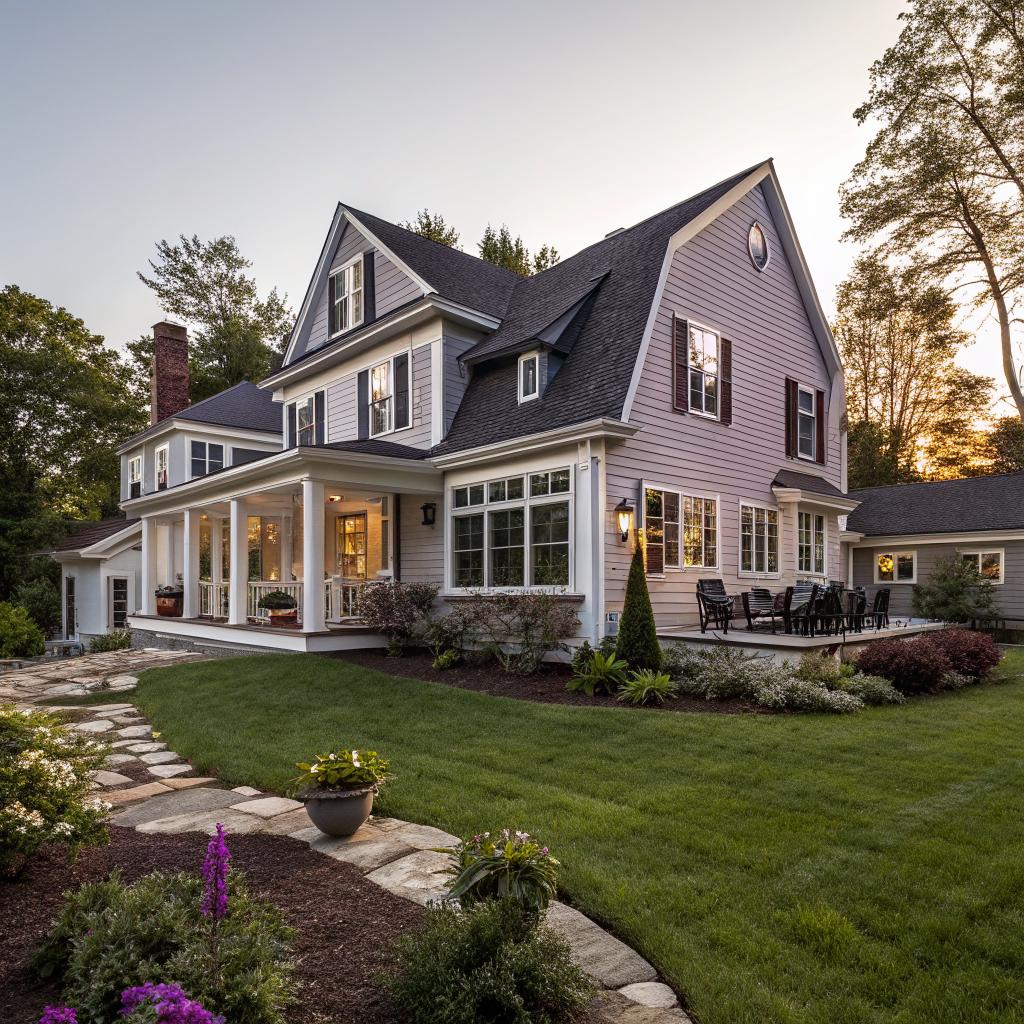

“You cannot add real space in a Boston home without tearing half the house down.”
That line sounds confident, but it is not quite true. You usually can add real, usable space to a Boston home without gutting the whole structure, as long as you plan carefully, respect local rules, and work with people who understand how these buildings are put together. Thoughtful home additions Boston.
Why Boston home additions feel different from suburbs
If you have lived in the suburbs at any point, you know the usual pattern. Big lot, long driveway, plenty of side yard, easy setbacks. If you want to add a room, you extend one side of the house and call it a day.
Boston is not like that.
Lots are narrow. Many houses share walls. There are historic districts, zoning overlays, and neighbors who care deeply about your roofline blocking their light. Winter adds another layer: ice dams, heavy snow, and tight streets where staging materials is a project on its own.
So when you think about adding space, you are really juggling a few big questions at once:
– Where can I legally build?
– Where can I build without annoying my neighbors?
– Where will the structure actually support an addition?
– Where will the new space feel natural, not tacked on?
Those four things rarely line up perfectly. This is why some Boston additions look odd from the street. The builder might have been solving a structural or zoning problem that you cannot see from the sidewalk.
Good home additions in Boston respect two things at the same time: how the house was built a hundred years ago and how you use it today.
You do not need to become a building scientist, but you should understand the main options you have, and the kind of tradeoffs each option brings.
The main types of home additions Boston owners use
There are many labels, but most projects fall into a few patterns. I will keep the words simple here.
1. Rear addition
This is one of the most common types in the city.
You extend the house out into the backyard. Sometimes by a few feet, sometimes by a whole new room. It often works well because the street view changes less, and you can keep most of the front façade intact, which helps with historic reviews.
A rear addition is popular for:
– Expanding a small kitchen into an eat in space
– Adding a family room that opens to a deck or small yard
– Creating a larger primary bedroom with a bath on upper floors
The tricky part is structure and light. Older Boston homes often have quirky framing and uneven foundations at the back. If the addition is deep, the middle of the house can start to feel dark.
I have seen projects where the rear family room looked great but turned the original dining room into a cave. That kind of half win is common when space planning does not consider how the whole floor works together.
2. Side addition
Side additions are harder in Boston because there is often very little side yard. When you do have some space, a side addition can bring real balance to the floor plan.
For example, on a narrow house, you might add a small side wing that holds:
– A mudroom and pantry
– A half bath
– A small office or guest room
It sounds simple, but those support spaces free the main rooms to breathe. Instead of stuffing everything into one long rectangle, you pull the clutter to one side.
This kind of project tends to involve careful work on rooflines, windows, and how water drains. Boston storms are not gentle. Any new valley or intersection in the roof can become a leak point if the detailing is rushed.
3. Second story or partial second story
Adding a whole new level sounds like the dream answer. More bedrooms, more baths, great views. In practice, it is a big lift, both structurally and in cost.
You need to know:
– Can the existing foundation carry another story?
– Will the new height break local zoning or shadow a neighbor?
– How will you live in the house while the roof comes off?
Sometimes the smart move is a partial second story. For example, you extend over a one story part of the house, like a garage or small rear wing. This gives you one or two new rooms without touching the main roof.
Many Boston homeowners use this approach for:
– A primary suite over a garage
– A pair of kids bedrooms over a rear den
– A studio or office with good light above an existing flat roof
It can be a nice middle ground between a full new level and a small bump out.
4. Dormers and attic conversions
If you have a pitched roof and unfinished attic, this might be your quiet secret weapon.
By adding dormers and finishing the attic, you can often gain:
– One or two bedrooms
– A small bath
– Storage tucked into knee walls
The nice part is that you work mostly within the existing footprint. You still have to watch height limits and neighbors, but the change is less drastic than a full extra story.
You need to pay attention to:
– Stair placement, so you do not lose too much space below
– Ceiling height rules
– Insulation and ventilation, so the top floor is not unbearable in summer
I have seen finished attics that looked pretty but were almost unusable on hot days because the insulation and vents were poorly planned. Fixing that later is messy and expensive.
5. Sunrooms, three season rooms, and enclosed porches
Boston has a long tradition of porches, especially on triple deckers and older single family homes. Turning a porch into conditioned living space, or adding a sunroom at the back, is one of the less invasive ways to add a sitting area or small dining nook.
The honest truth, though, is that half finished sunrooms can be frustrating. Too hot in August, too cold in February, and full of pollen in spring if the windows are cheap or poorly sealed.
To make this type of space truly useful, you need to think about:
– Real insulation, not some thin panel that looks modern
– Decent windows with good seals
– A way to connect it to the main heating and cooling system, or its own unit
When it is done with care, a sunroom can feel like a quiet buffer between inside and outside, especially if you have at least a bit of a view, even if it is just a small Boston backyard or a line of trees behind a fence.
Matching your addition to how you live, not just square footage
It is tempting to think about home additions as a numbers game. Square feet before, square feet after, and some estimate of resale value.
That can help, but it misses the main point. You do not live in numbers. You live in rooms, light, noise, and daily patterns.
A better way to start is with questions like:
– Where in the house do you feel cramped right now?
– Where do you avoid spending time?
– Where do you drop things when you walk in the door?
– Where do people gather naturally when you have friends over?
Walk through a normal day in your head. Morning rush, work from home hours if that applies to you, dinner, bedtime. Notice where things feel tight, loud, or awkward.
The best Boston additions solve a few specific daily problems at once, instead of chasing an abstract idea of more space.
For example, a modest rear bump out that holds a mudroom, half bath, and a breakfast area might do more for your daily sanity than a huge great room that overdoses the back of the house and leaves the entry as a bottleneck.
I know it sounds a bit boring to think about where backpacks land and where laundry sits, but that is the real world. If your new space does not help with those things, it will age poorly in your mind, even if it photographs well.
How Boston zoning and history shape what you can do
Every city has rules, but Boston brings its own flavor. Your options are shaped by:
– Zoning district
– Lot size and setbacks
– Height limits
– Historic overlays or conservation districts
You do not need to memorize these, but you should accept that your neighbor’s project might not be possible on your lot, even if the houses look similar from the street.
A few common Boston realities:
– Many lots are already nonconforming. The house may sit closer to the lot line than current rules allow. Adding to that side might trigger a zoning variance.
– Height can be tight in denser neighborhoods. A full second story might push the limit, while a modest dormer might be approved.
– In historic areas, changes that affect the street view, window style, and roofline can face more review. Rear additions often have an easier time than front ones.
Good contractors and designers who work in Boston learn these patterns and can tell you early if your idea is probably viable or likely to face heavy resistance.
I know some homeowners hope to skip this by doing a sort of quiet, partial project, but large additions without permits can become big problems when you try to sell or refinance. Boston inspectors are not blind, and neighbors talk.
How different addition choices stack up
Sometimes it helps to see things side by side. Here is a simple comparison of common Boston addition types and what they usually mean for cost, disruption, and daily life gains.
| Addition type | Typical cost level | Construction disruption | Common benefits | Main watch points |
|---|---|---|---|---|
| Rear room addition | Medium to high | Moderate, often while you stay in the home | Larger kitchen/family area, better link to yard | Light loss in middle rooms, foundation tie in |
| Side addition | Medium | Moderate | Mudroom, bath, office, better circulation | Setbacks, roof drainage, neighbor distance |
| Second story (full) | High | High, sometimes need to move out | Major bump in bedrooms/baths, views | Structure, zoning height, longer timeline |
| Partial second story | Medium to high | Moderate to high | Primary suite or two rooms with less impact | Roof connections, insulation, stair layout |
| Dormers & attic finish | Medium | Moderate | Extra bedrooms/office within footprint | Ceiling height, heat gain, stair code |
| Sunroom / porch enclosure | Lower to medium | Lower, often confined to one side | Light filled sitting or dining area | Temperature control, window quality |
These are rough ideas, not quotes, but they help you think about which direction fits both your budget and your tolerance for mess.
Room by room: additions that change how your home feels
Instead of thinking only in terms of “types of additions,” it helps to think in terms of what you want the new space to do.
Bigger, better kitchens
Many Boston homes have kitchens that were never meant to be the center of the house. Small windows, little counter space, just enough room for one person to move.
A smart kitchen focused addition often includes:
– A modest bump out that holds a dining nook or island
– A side wing with a pantry and mudroom so the main kitchen stays clear
– More window area facing the yard, which brightens the whole back of the house
The biggest trap is adding square feet without fixing the layout. If the sink, stove, and fridge are still fighting for space, and there is no good spot for people to sit without blocking the cook, you just have a bigger awkward room.
Sometimes reworking interior walls and moving a stair or powder room solves more problems than pushing the exterior out. That can feel strange to hear, since everyone talks about “more space,” but flow inside the existing footprint often leaves more room for a smaller, smarter addition.
Family rooms that actually work
A rear family room addition is popular, but it also creates some big questions.
Where do you watch TV? Where do kids play? Do you want this room open to the kitchen or more separate?
You can end up with two living spaces that do not quite have a clear purpose. One is used daily, the other drifts into “formal” status and collects dust, or toys, or both.
Try to decide, as clear as you can:
– Which room is for loud, daily life?
– Which room is for quiet reading or guests?
Then shape the addition to support that choice. For example:
– If the new room will be the main family area, give it good light, easy access to the kitchen, and some storage built in for games, blankets, and devices.
– If it will be the quiet room, focus on doors that close, views, and maybe a small built in desk or library wall.
A family room does not need to be huge. Proportion and furniture layout matter more than raw size.
Primary suites and added baths
Older Boston homes often have one shared bath upstairs and a cramped set of bedrooms. A well planned primary suite addition can be life changing, not to overstate it, but in a quiet way: better sleep, more privacy, less morning chaos.
You can find this space in a few ways:
– A partial second story over a one story part of the house
– An addition over a rear wing that ties into the upstairs hall
– A dormer based expansion that reworks the top floor
Pay close attention to:
– Closet placement that does not eat up all the window wall
– Sound between the suite and kids rooms
– How far you walk from bed to bath in the dark
Walk it through in your head. If you wake in the night, if you get ready at different times from your partner, if you have guests, how does it work? Nice finishes cannot fix a bathroom door that swings into a tight spot or a shower that feels like a tunnel.
Home offices and flex spaces
Work from home changed things. A corner of the dining table does not cut it long term for many people.
Boston additions that respond to this shift often add:
– A small office by the entry or in a side wing
– A quiet room in a finished attic with dormer windows
– A studio space over a garage or rear volume
You do not always need a large room. What matters more:
– Door that closes
– Some acoustic separation from the main living area
– Natural light without heavy glare on screens
It is easy to tuck an office into the leftovers of a plan. A skinny, dark room at the center of the house might seem fine on paper, but eight hours a day in that space will feel heavy.
Entry, mudrooms, and storage
This might sound almost too practical, but for Boston households, a proper entry or mudroom might be the best “feeling” upgrade you can get.
Think of winter. Boots, coats, wet backpacks, bags of groceries. If all of that lands in the kitchen, the whole house feels messy.
A small addition at the front or back that holds:
– Hooks and cubbies
– A bench
– A closet for longer coats
– A place to drop keys, mail, and packages
can calm the whole first floor. It is not glamorous, but when you walk into a house where that clutter has a home, the rest of the space feels larger and more open, even if the square footage did not change that much.
Planning a Boston home addition without losing your mind
You do not have to make this your full time job, but a bit of structure in the planning phase saves you from stress later.
Step 1: Clarify problems, not just wishes
Instead of starting with “I want a big new family room,” try to write down:
– What does not work today?
– Who is the new space really for?
– What must change, and what can stay the same?
For example:
– “We need one more real bedroom, not a guest space that doubles as an office.”
– “Our kitchen is fine in size, but there is nowhere to sit and talk while someone cooks.”
– “There is no way to enter without dragging snow and mud through the whole downstairs.”
These statements keep the project grounded. When you meet a contractor or designer, you are not just buying square footage; you are asking for fixes to clear, real problems.
Step 2: Walk your house with fresh eyes
Before speaking to anyone, walk through your home slowly, maybe with someone who does not live there. Notice:
– Dead corners where furniture never quite fits
– Walls that might be opened to share light
– Areas near the back or side that feel like natural extension points
Sometimes, you can find surprising potential inside the current shell. If you can gain some space by moving walls or combining rooms, the addition outside can be smaller and more focused.
Step 3: Get a sense of budget ranges
I will not throw detailed cost numbers here because they shift with materials, labor, and the year, but be honest about your comfort range and your limit.
You can ask local pros for ballpark ranges for:
– Small bump outs
– Full room additions
– Second stories
– Attic finishes
You might find that two smaller, targeted projects do more for your life than one massive architectural statement. Or you might decide one big push makes sense if you plan to stay for a long time.
Step 4: Talk to people who understand Boston houses
This is the part where many homeowners either move forward well or start to drift.
You want people who:
– Have real experience with Boston housing stock
– Can explain structural, zoning, and envelope issues in plain language
– Are willing to say “that is not a good idea here” when needed
A contractor or builder who works mostly on new construction in wide open suburbs might not have the right instincts for tight urban lots with older framing and quirky brick or stone foundations.
Try not to choose only based on the lowest initial estimate. A cheaper plan that ignores flashing details, insulation, or structural loads can cost more over time, in repairs and energy bills.
Design details that matter more than you expect
You do not have to obsess over every tiny thing, but a few elements of addition design in Boston have an outsized effect on how the space feels over the years.
Light and window placement
In tight neighborhoods, good daylight is precious. A badly placed big window that looks only at a wall three feet away might technically be large, but it will not feel generous.
Things to keep in mind:
– Try to get some light from at least two directions in main living spaces.
– Higher windows can bring sky view without exposing you too much to neighbors.
– A single, well placed window can feel better than a whole wall of glass, if the view is better.
Also, think about Boston winters. Where will the low sun enter? Can you capture that warmth without glare on screens or too much fading on furniture?
Ceiling height and transitions
Many older Boston homes have modest ceiling heights. When you add new space, you have a choice: match the old height, or open things up.
Raising the ceiling too much in one room can make the rest of the house feel squat. Matching the old height too perfectly can make the addition feel like a copy, not a fresh improvement.
A slight shift, a tray or sloped ceiling, or a step up into a new area can give a gentle sense of change without creating a strange, disconnected feeling.
Storage that does not show off
It is not glamorous, but built in storage is one of the best quiet upgrades in any addition.
Think about:
– Window seats with hidden compartments
– Shallow built ins between studs
– Mudroom benches with drawers
– Shelving tucked under stairs
These things reduce daily clutter, which lets the rooms feel calmer and more open without actually adding much size.
Exterior materials and blending old with new
Boston streets have strong visual patterns. Brickwork, clapboard, shingles; proportions that neighbors are used to.
An addition does not need to mimic the old house exactly, but it should feel related. Same general window shapes, similar trim depth, a roof pitch that makes sense with what is already there.
If you go for a strong visual contrast, do it with care. A very modern glass cube on a small traditional house can look sharp in photos, but it can also age fast or feel jarring to live with every day.
Sometimes a quiet addition that looks like it has always been there is more satisfying than something meant to stand out from every angle.
Dealing with seasons, noise, and neighbors
Boston is not a gentle climate, and city life has its own texture. Your addition has to live with that.
Snow, ice, and water
Roof shape and drainage are not just technical checkboxes. They decide whether you will spend winters worrying about leaks, ice dams, and gutters ripping away.
Try to avoid:
– Complex roof intersections that trap snow in valleys
– Flat roofs with poor drainage that hold water
– Tiny gutters that cannot handle heavy storms
Good detailing at roof edges, window heads, and at the joint between old and new parts of the house can save a lot of future repair bills.
Noise from streets and neighbors
If your addition faces a busy street or sits close to another building, think about sound control.
This can be as simple as:
– Using better insulated windows on the noisy side
– Adding more insulation in certain walls
– Planning quieter rooms away from the loudest areas
You will not block everything, but small choices add up. A quiet bedroom or office can change how you feel about the whole house.
Neighbor relations
In tight Boston streets, construction affects more than you. Trucks, noise, yard access, staging; all of that touches the people around you.
You do not have to get everyone to love your project, but a little conversation goes a long way. Let them know the rough timetable, what parts of the property line might be involved, and who they can talk to if there is an issue.
A neighbor who feels surprised and ignored is more likely to call Inspectional Services for every small thing. A neighbor who feels informed may still be annoyed at times, but will usually be more patient.
Common mistakes with Boston home additions
No project is perfect, but there are a few patterns that show up again and again.
- Adding space without solving the circulation problem. You get more rooms, but people still bump into each other in the same tight hallway.
- Ignoring storage. New living space but no place for coats, shoes, or gear. The clutter spreads into the new area and makes it feel smaller.
- Over glazing without thinking about heat. Huge windows that look nice in spring but feel like an oven in July and an ice box in January.
- Not tying new systems into old thoughtfully. A separate little heater or window AC in the new part that never really matches the rest of the house.
- Rushing early design. Making big layout choices during framing instead of on paper, which leads to compromises you would not have made with more time.
If you can avoid even half of these, your odds of ending up with a space you really like go way up.
A good Boston home addition should feel almost obvious six months after you move into it, as if the house was always meant to be that way.
Questions Boston homeowners often ask about additions
Will a home addition always raise my home’s value?
Not always. Extra square footage helps, but buyers also look at design quality, layout, and how the new space fits the rest of the house.
A small, well integrated addition that creates a real primary suite and a better kitchen can add more value than a large, awkward extension that looks out of place or feels tacked on.
If resale is part of your plan, pay attention to:
– Bedroom and bathroom count compared to nearby homes
– Quality of finishes in the new space versus the old
– How the exterior looks from the street and yard
Can I live in my home during the addition work?
For most rear or side additions, yes, many people stay in the house. It can be dusty and noisy, and you might lose use of certain rooms for a while, but it is usually possible.
For full second story additions where the roof comes off, moving out, at least for part of the project, is often safer and more practical. Your builder can explain what is realistic for your specific plan.
How long does a Boston home addition usually take?
Timelines vary widely with size and complexity, but rough ranges look like this:
– Small bump out or porch enclosure: a few months
– Medium rear family room or kitchen addition: four to six months
– Larger two story or second story project: six months or more
Permits and design add time before any work on site starts. You should plan your life around the whole arc, not just the visible construction period.
Is it smarter to move than to add on?
Sometimes, yes. If your current lot is very tight, or if zoning rules block the kind of space you need, moving might be the cleanest path.
But in Boston, finding a new place with more room in the same neighborhood can be hard and costly. By the time you factor in moving costs, higher purchase prices, and the usual updates on a new house, staying put and adding on can look more appealing, especially if you like where you live now.
The honest answer depends on your budget, your attachment to the neighborhood, and how big your space needs are. It is not as simple as “adding on is always better” or “just buy bigger.”
What is the first concrete step I should take?
Walk through your home, jot down the daily problems, and gather a few photos of spaces that feel right to you, even if they are simple. Then talk with a Boston based builder or designer who can visit your house and react to your actual structure, not just your wish list.
From that first visit, you should start to get a sense of what is possible on your lot, where the smart addition zones are, and what kind of budget range you are entering.
If you can stay honest about your needs and open to expert feedback about what works in Boston houses, the project starts to feel less like a gamble and more like a clear, step by step change to how you live in your home.
