
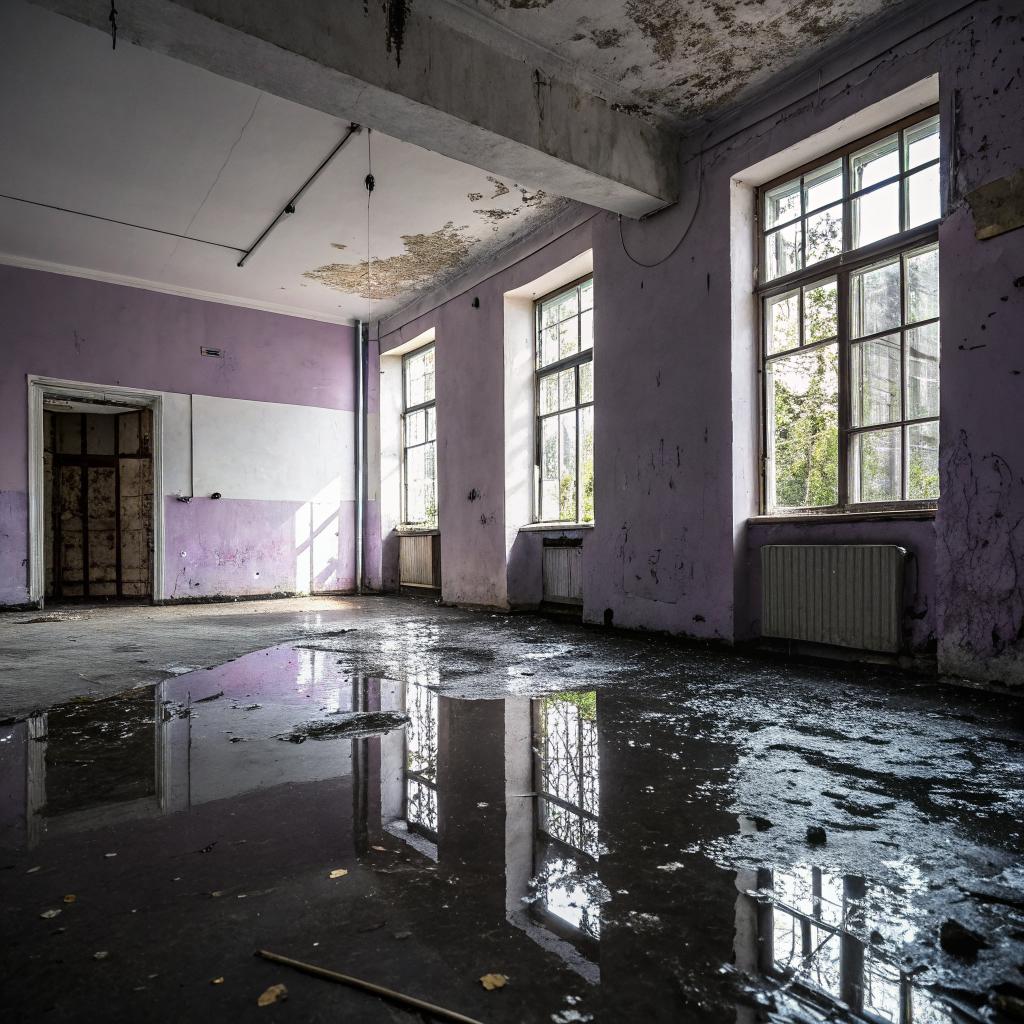

“If the water is gone and the floor looks dry, the damage is fixed.”
That idea sounds comforting, but it is not true. With water damage in a Salt Lake City home, the real trouble usually starts after surfaces look dry. Hidden moisture behind walls, under flooring, and inside insulation can lead to mold, warped framing, and expensive repairs. The short answer is this: if you catch the water within the first 24 to 48 hours, shut it down at the source, remove wet materials, and dry the structure thoroughly, you have a good chance of saving most of your home. If the problem is bigger than a small spill or a minor leak, you should treat it as a serious project and consider calling a local pro who handles Water Damage Cleanup Salt Lake City work every week.
I know that is not what anyone wants to hear after walking into a wet basement or a soaked living room. You just want it over with. You grab some towels, maybe a shop vac, open a window, and hope for the best. I have done the same thing, to be honest, and it feels like progress. But water has a way of hiding where you cannot easily see or reach. In our dry climate, it is very easy to think “It will air out on its own.” Sometimes it does. Many times it does not.
If you own a home in Salt Lake City, you also deal with some odd local wrinkles. Snowmelt, frozen pipes in winter, heavy rain on already dry ground, and older homes with questionable plumbing all raise the odds that you will face water damage at least once. When that day comes, what you do in the first hour, and then the first day, matters more than almost anything else.
So this guide is meant to be practical, not dramatic. No scare tactics. I will walk you through what to do from the moment you see water, how to judge when you can handle it yourself, when to stop and get help, and what the cleanup and repair process usually looks like in real life, in a normal Salt Lake City house.
First things first: what exactly counts as “water damage”?
Water damage is any harm to your home caused by water getting where it should not be or staying where it should not stay. That sounds obvious, but the range is wider than people think.
It might be as small as a slow drip under a sink that stains the cabinet bottom. Or it could be a burst supply line that soaks half your main floor in minutes. Melted snow seeping into a basement wall is water damage. So is a failed water heater that leaks for hours while you are at work.
What matters more than the size alone is:
– How long the water has been there
– What materials got wet
– Where the water came from
Water that has just spilled on tile and is mopped up right away is not the same problem as water that has sat under carpet for two days. And clean water from a broken supply line is very different from a backed-up sewer line.
If you remember nothing else, remember this:
Clean, short-term water on hard surfaces is usually manageable. Long-term moisture or dirty water inside walls, floors, or insulation is a different level of risk.
Common causes of water damage in Salt Lake City homes
Salt Lake City is not a coastal town, but the local weather and building styles create some patterns you see again and again. Knowing them helps you react faster.
1. Frozen or burst pipes
Winter here can be harsh. Pipes in outside walls, garages, crawlspaces, and unheated basements can freeze. When they thaw, they sometimes burst and release a lot of water in a short time.
Signs this might be your issue:
– Sudden loss of water pressure
– Wet spots on ceilings or walls after a cold snap
– Water pooling near exterior walls or in the basement
If you hear water running when no fixture is on, that is a bad sign. Turn off the main water shutoff and start hunting.
2. Roof leaks from snow and rain
Heavy snow sitting on an older roof, ice dams, or spring rain can push water under shingles. It then travels along rafters and shows up as stains on ceilings or upper walls. Sometimes the leak is far from the visible stain.
People often ignore small ceiling spots. That is risky. The damp area behind that stain can be much larger than it looks.
3. Basement seepage and foundation cracks
Salt Lake homes, especially older ones, often have basements. High groundwater after storms, poor grading, or aging foundations can push water through cracks. Sometimes it just looks like mysterious damp patches on the floor or wall.
That slow, quiet moisture is one of the biggest mold triggers. It feels minor because there is no big dramatic flood, but it keeps the structure wet.
4. Appliance and plumbing failures
Common culprits:
– Washing machine hoses
– Water heater failures
– Dishwasher leaks
– Fridge ice maker lines
– Toilet supply lines and wax ring failures
These problems often start as small leaks and grow. A few drops behind a dishwasher can become rotten subfloor months later.
5. Exterior drainage and sprinklers
Sometimes the problem is from outside. Sprinklers hitting the siding every day, clogged gutters, downspouts that discharge right next to the foundation, or poor grading can push water against the house. Over time, it finds a way in.
Step-by-step: what to do the moment you find water
When you first notice a wet area, it is easy to panic a bit. That is normal. Try to slow down and think in this order: safety, source, standing water, then drying.
Step 1: Think about safety first
Ask yourself three quick questions:
– Is there any chance electricity and water are mixing here?
– Is the ceiling sagging or looking like it could fall?
– Does the water look dirty, smell like sewage, or come from a toilet overflow or drain backup?
If your answer is yes or “I am really not sure” for electricity or sewage, do not wade in. Kill power to that part of the house if you can do it safely, and avoid contact with the water. Call a pro.
For ceiling sagging, stay out from under it. Wet drywall can give way without warning.
Step 2: Stop the source, or at least reduce it
Water damage cleanup is pointless if the leak is still running.
Common quick steps:
– For plumbing leaks: turn off the main water shutoff. There is usually a valve where the line enters the house.
– For a leaking appliance: unplug it if safe, and shut off its supply valve if present.
– For roof leaks: place a bucket under the drip inside, move furniture, and cover belongings. The roof patch itself usually needs a roofer, but you can control interior damage.
– For basement seepage in a storm: move valuables off the floor and start collecting water in a low point where you can pump or vacuum it.
Step 3: Remove standing water if it is safe
If the water is clean and shallow, you can start.
Ways to remove it:
– Towels and mops for small areas
– Wet/dry shop vac for moderate puddles
– Small pump for deeper water, if you own one
Do not use a normal household vacuum. It is not designed for water.
Try not to push water into wall cavities or under baseboards. That just hides the problem.
Step 4: Protect belongings and furniture
Move items out of the wet area:
– Furniture
– Rugs
– Electronics
– Boxes and storage bins
Put aluminum foil or wood blocks under furniture legs that must stay in place. That keeps moisture from wicking up into the furniture.
Wet cardboard boxes can hide mold quickly, so open them up and move the contents somewhere dry.
When can you handle water damage yourself?
There is a lot of alarm online about water damage. Some of it is reasonable, some is just trying to scare you into hiring services. You do not need a crew for every small leak.
Here is a simple way to think about it.
You can usually tackle cleanup yourself if the water is clean, the area is small, and you can get it dry within 24 to 48 hours.
Ask these questions:
– Did the water come from a clean source, like a supply pipe, sink overflow, or appliance line?
– Is the wet area limited to a small part of one room?
– Has the water been there for less than a day?
– Can you see and reach almost everything that is wet?
If you answer yes to all of those, a careful DIY approach might be fine.
If:
– The water is from sewage, a drain backup, or floodwater
– More than one room is affected
– The water has been there more than 48 hours
– Walls, insulation, or ceilings are soaked
then professional help is usually more sensible. Not because you are not capable, but because the tools and process are different, and the risk if you get it wrong is higher.
Drying out your home: what it really takes
This is where many people underestimate the work. Drying a home means more than just making it feel less damp. The structure itself has to return to a safe moisture level.
Airflow, dehumidifiers, and time
Good drying usually needs three things:
– Airflow across wet surfaces
– Dry air to absorb moisture
– Time for materials to release that moisture
Here is a simple comparison of typical tools and how they help.
| Tool | What it does | Best use |
|---|---|---|
| Box fans | Move air across surfaces | Small, open areas with light moisture |
| Air movers | High-speed airflow to lift moisture from materials | Larger or more serious losses, usually by pros |
| Home dehumidifier | Pulls some moisture from air | Minor dampness in one room |
| Commercial dehumidifier | Removes significant moisture each day | Big leaks, multiple rooms, or basements |
| Heater | Raises temperature to help evaporation | Cool basements and winter conditions |
If you are drying a small area yourself:
– Open windows if the outside air is dry and not raining
– Place fans so they blow across the wet surface, not just into the middle of the room
– Run a dehumidifier in the same room and empty it often
– Let it run for days, not hours
Many homeowners stop when things feel “pretty dry.” Wood and drywall can still hold a lot of hidden moisture at that point.
When you need to pull materials out
Some items simply do not recover well once soaked.
In many cases you will need to remove:
– Soaked carpet padding
– Wet insulation
– Swollen particleboard cabinets or shelving
– Severely warped baseboards and trim
– Drywall that has wicked up water from the floor
As a rough rule, if drywall has been wet higher than a few inches from the floor, or it has been wet for more than 48 hours, cutting it out from floor to at least a foot above the wet line makes sense. It feels drastic, but leaving damp material in the wall often leads to mold.
Mold: why you should not shrug off that “musty” smell
Mold is what most people worry about, and for good reason. It is not just an aesthetic issue or an odd smell. Mold can affect indoor air quality and can trigger health problems, especially for people with asthma or allergies.
Mold growth usually needs:
– Moisture
– Organic material such as wood, paper, or dust
– Time, often as little as 24 to 72 hours
So a damp wall cavity is almost an invitation.
Signs that mold is becoming a problem:
– A musty or earthy odor that lingers
– Discoloration or spotting on walls, ceilings, or baseboards
– Peeling paint or bubbling on walls
– Worsening respiratory symptoms when in a certain room
You will sometimes see people try to wipe visible mold off drywall and call it done. That rarely solves the underlying issue. The moisture source and any hidden growth behind the surface need to be addressed.
Salt Lake City specifics: climate and building quirks
Water damage in a humid coastal town behaves one way. In our dry, high-desert climate, it behaves a little differently.
Dry air can help, and it can also fool you
Our natural low humidity can speed up surface drying. A wet towel will dry faster here than in a damp climate. That is helpful.
The downside is that it can give a false sense of security. Surfaces feel dry to the touch sooner, while the deeper layers of wood, subfloor, or framing can still hold moisture. By the time you smell something musty, mold may already be established.
Older basements and additions
Many Salt Lake City homes have older basements or later additions that were built to different standards than the original structure. You sometimes see:
– Poor or missing vapor barriers
– Inconsistent insulation
– Odd plumbing runs that are hard to access
So water can travel in strange paths. A leak in one corner may show up in another. This is one reason professionals often use moisture meters and sometimes even infrared cameras to trace wet areas.
Working with insurance for water damage
This part can be frustrating. Coverage depends on your specific policy, and I am not an insurance agent, but there are some patterns that come up a lot.
Often covered:
– Sudden and accidental pipe bursts
– Appliance failures that cause damage
– Some roof leaks from storms, if the roof was in reasonably good shape
Often not covered:
– Long-term slow leaks that were ignored
– Groundwater seepage through foundations
– Flooding from natural sources, if you do not carry separate flood insurance
If you think your situation might be covered, it usually helps to:
– Take clear photos and short videos before you move too much
– Note dates, times, and what you did to reduce damage
– Keep receipts for any emergency work or equipment rental
You can start basic cleanup right away, even before an adjuster visits. Most insurers want you to reduce ongoing damage, not let water sit.
What professional water damage cleanup usually involves
Homeowners often expect a mysterious or highly technical process. In practice, professional cleanup is methodical, but not magical.
It usually looks something like this:
1. Inspection and moisture mapping
They will:
– Ask questions about how and when the water appeared
– Use moisture meters on walls, floors, and baseboards
– Sometimes use thermal cameras to spot hidden wet areas
From there, they decide where to remove materials and where to dry in place.
2. Removing unsalvageable materials
This can include:
– Pulling baseboards
– Removing carpet and padding
– Cutting out sections of drywall
– Removing insulation in affected walls or ceilings
The goal is not to gut your home for fun. It is to get air into spaces that would otherwise stay wet.
3. Setting up drying equipment
They place:
– Air movers directed across wet surfaces
– Dehumidifiers sized to the volume of the room
– Sometimes containment plastic to isolate areas
The equipment then runs for several days. It can be noisy and a bit disruptive. It is not pleasant, but it is temporary.
4. Daily monitoring
They should visit and:
– Take moisture readings
– Adjust equipment placement
– Remove equipment as areas dry
Once readings reach normal levels for the building materials, the drying phase ends and repairs can start.
Repairs and restoration after water damage
Cleanup is the first chapter, not the whole story. After things are dry, the house still needs to be put back together.
Typical repair tasks:
– Replacing drywall sections and retexturing
– Installing new baseboards and trim
– Replacing carpet and padding, or other flooring
– Painting walls and ceilings
– Rebuilding damaged cabinets or vanities
You can treat this as a chance to address upgrades you already had in mind, but it is also fine to aim for simple, clean repairs and move on. Not every water loss needs to turn into a full remodel.
How to prevent water damage in your home
You cannot control every storm or freak accident, but you can lower your risk. A few regular habits can save a lot of headaches.
Plumbing habits
– Inspect under sinks regularly for dampness or staining
– Replace rubber washing machine hoses with braided lines
– Check around toilets for soft flooring or chronic dampness
– Listen for unusual sounds when water is running
Roof and exterior care
– Clean gutters at least twice a year
– Make sure downspouts discharge well away from the foundation
– Check the roof visually for missing shingles after major storms
– Seal around windows and doors where needed
Basement and foundation care
– Store boxes on shelves, not directly on basement floors
– Use a dehumidifier in naturally damp basements
– Look for new cracks and recurring damp spots on walls
– Consider a sump pump if flooding has happened before
Appliance awareness
– Check behind the fridge for leaks from the ice maker line
– Look around the dishwasher for soft or discolored flooring
– Replace water heaters before the end of their expected life, not years after
Realistic timelines: how long does cleanup take?
People often want a clear schedule. Real life is messy, but some rough timing helps.
| Type of incident | Typical drying time | Typical repair time |
|---|---|---|
| Small leak, one area, caught quickly | 1 to 3 days | 0 to 7 days, if repairs are minor |
| Moderate leak, several rooms | 3 to 7 days | 1 to 3 weeks, depending on trades and materials |
| Major water loss, structural materials involved | 5 to 10+ days | 3 to 8 weeks, sometimes longer |
These ranges assume people are available when you need them, which is not always true, especially after a big storm or cold snap when many homes are affected at once.
DIY vs professional: an honest comparison
It is easy to say “just hire a pro” for everything. That can be expensive, and not always required. On the other hand, trying to handle a serious water loss alone can cost more in the long run if mold or structural problems appear later.
Here is a straightforward look at both paths.
| Approach | Pros | Cons |
|---|---|---|
| DIY cleanup | Lower upfront cost; Immediate start; Full control over the process | Limited tools; Harder to measure moisture; Risk of missing hidden damage |
| Professional cleanup | Specialized equipment; Moisture testing; Experience with insurance and repairs | Higher cost; Some disruption while equipment runs |
The middle ground is common. Many homeowners:
– Stop the water
– Remove standing water
– Move belongings and protect furniture
Then they call in help for structural drying, mold concerns, or complex repairs. That blend can sometimes keep costs manageable while still protecting the home.
What many homeowners wish they had done differently
After helping or talking with people who went through serious water damage, a few patterns repeat. They often say things like:
– “I thought it would dry on its own, so I waited too long.”
– “I did not know the water had spread under the wall into the next room.”
– “I kept the carpet but tossed the pad, and the smell never really left.”
– “I did not take photos, so dealing with insurance was harder.”
And one that I find interesting:
– “I was so stressed about the mess that I did not pay attention to what the workers were doing. Later I wished I had asked more questions.”
You do not have to supervise every step, but asking why they are cutting where they cut, or how they know something is dry, can make you feel more in control and catch misunderstandings early.
Frequently asked questions about water damage cleanup in Salt Lake City
How fast does mold start after a leak?
Under the right conditions, mold can start in 24 to 72 hours. That does not mean huge colonies appear overnight, but growth can begin quickly. That is why addressing moisture in the first two days matters so much.
Can I just use fans instead of a dehumidifier?
Fans help move moisture off surfaces into the air. Without something pulling that moisture out of the air, it just moves around. In a dry climate like Salt Lake City, open windows may help, but a dehumidifier still improves your odds, especially in basements or closed rooms.
Is all water damage covered by standard homeowners insurance?
No. Sudden, accidental events are more likely covered, such as a burst pipe. Long-term problems, maintenance issues, or groundwater seepage often are not. Reading your policy and asking direct questions of your agent is better than guessing during an emergency.
Do I have to replace carpet after water damage?
Not always. If the water was clean, the carpet was wet for a short time, and it is thoroughly dried and cleaned, it might be saved. The padding almost always needs replacement when soaked, because it holds water longer and is cheap compared to carpet.
What if my basement keeps getting damp every spring?
That is usually a sign of drainage or foundation issues instead of a one-time accident. Improving grading, fixing gutters and downspouts, adding interior drainage or a sump pump, and sealing problem areas can all be part of the fix. Treating each incident as a new surprise without addressing the pattern tends to become expensive.
Is it really that bad if the wall feels only a little cool and not wet?
A slightly cool or clammy feel on a wall can mean there is hidden moisture inside. That does not always mean serious damage, but it is worth checking with a moisture meter or having a pro assess it. Many long-term problems start with small “probably nothing” signs.
What is the single most helpful step I can take right now, before anything happens?
Walk through your home and find your main water shutoff valve. Make sure it turns freely. Show everyone in the house how to close it. That one habit can turn a major event into a much smaller clean up.
If you woke up tomorrow and found water on the floor, would you know what to turn off, who to call, and what to move first?
