
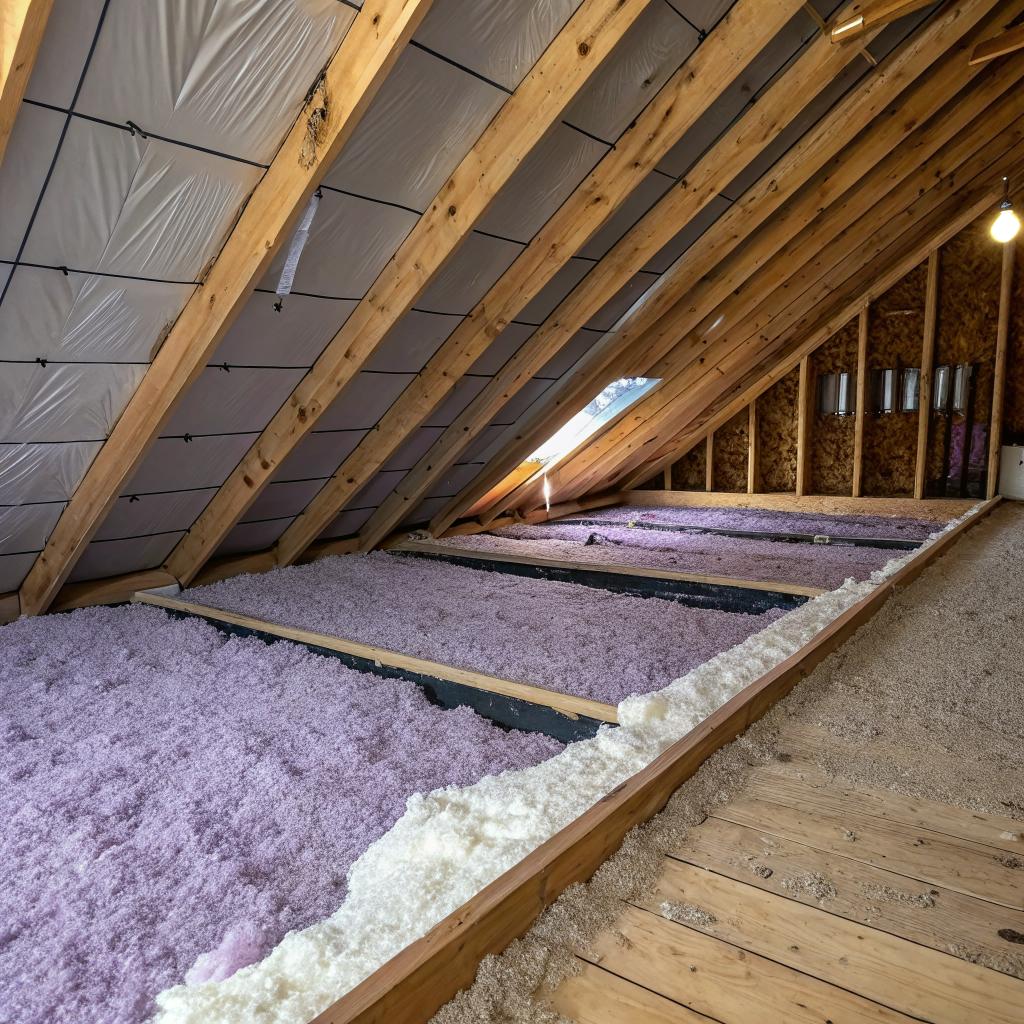

“In Houston, attic insulation does not really matter. The heat is so intense that your energy bill will stay high no matter what you put up there.”
That statement is false. Attic insulation matters a lot in Houston, and if you do it right, you can cut your summer electric bills by 20 to 40 percent, sometimes more. That is the short answer. If your attic is poorly insulated, you are paying the power company every single month for heat that should have been blocked. Improving your attic insulation Houston Texas setup is one of the most direct ways to lower bills, and it usually beats fancy windows or smart devices in pure dollar savings. A good place to start is talking to an attic contractor, such as attic insulation Houston Texas, but let me walk through what actually matters so you do not get lost in sales talk.
I live in a hot climate too, and I remember standing in my attic one August afternoon and feeling like I had opened an oven door. The air felt still, heavy, and the plywood was almost too hot to touch. Downstairs the thermostat said 76, but the unit was running almost nonstop. That was the day I stopped guessing and started looking at what was going on above the ceiling instead of just blaming the air conditioner.
Houston heat is different. You get long stretches of 95 to 105 degree days, high humidity, and almost no cool evenings in summer. Your attic can reach 130 to 150 degrees in the afternoon. At that point the sheetrock ceiling is not just a ceiling. It is acting like a large, warm panel that radiates heat into your rooms. If the insulation on top of it is thin, patchy, or old, you are paying a premium to fight that heat.
So, if the goal is lower bills, the real questions are simple: how much insulation do you need, what kind, what about radiant barriers, and what mistakes actually cost money in Houston homes? Let us take those step by step.
Attic insulation is not about feeling “extra comfortable” or chasing perfection. It is about slowing heat transfer so your air conditioner cycles less and lasts longer.
How attic insulation cuts your Houston energy bills
There is a simple idea behind attic insulation: slow the flow of heat. Heat moves from hot areas to cooler areas. In Houston summers, that means from your hot roof and attic into your cooled rooms. In our mild winters, it flips and tries to escape from your warm interior into the cooler attic.
Insulation is graded by R-value. The higher the R-value, the more resistance to heat flow. Think of R-value as thickness in terms of performance. Not physical thickness, but how strongly it resists heat moving through.
If your attic only has a few inches of old insulation, heat passes through fairly quickly. Your thermostat keeps calling for cooling. The air conditioner runs longer, and your bill goes up. When you raise the attic insulation level to the recommended range, that heat flow slows, your rooms warm up more slowly, and the air conditioner has longer breaks.
I know that sounds obvious, but many people in Houston assume that because the heat is extreme, insulation “can only do so much”. That is not true. Yes, insulation will not magically make an old, poorly sized air conditioner into a high performance system. But it will reduce how hard it has to work, and over a full cooling season that is real money.
Recommended attic R-values for Houston homes
Houston sits in what building codes call Climate Zone 2. For attics in this zone, the commonly recommended insulation levels are:
| Location | Climate Zone | Recommended Attic R-Value | Typical Insulation Depth |
|---|---|---|---|
| Houston, TX | Zone 2 | R-30 to R-60 | 10 to 20 inches (depending on type) |
Most older homes around Houston that I have seen photos of, or that people describe, have something like 3 to 8 inches of loose fill or fiberglass batts. That often gives maybe R-10 to R-19. So they are short of what is normally advised for this climate.
If your attic is below R-30, there is a good chance that adding insulation will pay off. Will you cut your bill in half? Probably not, and anyone who claims that across the board is overselling. But moving from R-10 to R-38 can be the difference between an air conditioner that runs 80 percent of the time on a hot afternoon and one that cycles normally.
Common types of attic insulation used in Houston
You will see four main options for attic insulation in Houston:
1. Blown-in fiberglass
Contractors use a machine to blow small pieces of fiberglass across the attic floor. It settles like a fluffy blanket.
Some basic traits:
– Good for topping up older insulation
– Non-combustible
– Does not absorb water, though it can hold moisture long enough to show you that there is a leak
– Easy to install fast
For a typical Houston house with clear attic access, blown fiberglass is often the most common choice for adding R-value. It is usually priced per square foot per R-value, and many companies run promotions on it.
2. Blown-in cellulose
This is made from treated recycled paper. It is also blown in with a machine.
Traits:
– Dense and good at filling small gaps
– Treated for fire and insects
– Slightly heavier than fiberglass
– Can settle a bit more over time
Some people prefer cellulose because it has higher density and can slow air movement through the insulation layer a bit more. Others like fiberglass because it holds its loft better over time. Both can work well if installed correctly.
3. Fiberglass batts
These are the familiar rolls or rectangles you see in big box stores. They are often pink, yellow, or white.
Traits:
– Good for DIY in easy, rectangular areas
– Can be placed between ceiling joists
– Easy to do wrong if you compress them or leave gaps
Batts can work in Houston attics, but they are less forgiving. Every gap becomes a pathway for heat. Contractors often prefer blown-in for retrofits because it covers the entire attic floor more evenly.
4. Spray foam insulation
Spray foam is applied as a liquid that expands and hardens. In Houston, it is often sprayed on the underside of the roof deck rather than the attic floor. This turns your attic into a “conditioned” or “semi-conditioned” space.
Traits:
– High R-value per inch
– Seals air leaks as well as insulates
– Usually the most expensive option
– Requires a trained installer, and you really want crew experience here
Spray foam can dramatically reduce attic temperatures because it keeps the roof deck itself cooler. In some Houston homes where ductwork runs through the attic, this can help reduce duct losses a lot. The tradeoff is higher upfront cost and a more complex job. Also, if it is sprayed poorly, fixing it is harder than fluffing more blown-in.
Where Houston attics usually leak money
Insulation is only part of the picture. In my opinion, the largest waste points in Houston attics are usually three things: air leaks, missing insulation in key spots, and overheated ductwork.
The attic that “looks fine” from the hatch can still be costing you a lot if there are gaps around lights, ducts, and the access door itself.
Here are some common trouble areas I hear about:
Attic access hatch or pull-down stairs
That panel or folding ladder is often just a piece of plywood with a thin weatherstrip, if anything. It sits right under 130 plus degree air.
If there is no insulation on top of the hatch, you basically have a square hole in your insulation layer. Some people describe feeling a warm draft around the pull-down ladder in summer. That is not your imagination.
A simple insulated cover or box built over the hatch can make a clear difference. You can buy pre-made covers or build one from rigid foam board.
Recessed lights and ceiling penetrations
Older recessed lights, bath fans, and electrical penetrations can be open to the attic. Warm attic air finds those gaps and sinks into your rooms. At the same time, cool air from your rooms can rise into the attic.
This movement of air is separate from simple heat flow through insulation. And it matters. If you are paying to cool air that is literally escaping through gaps, thicker insulation alone will not solve the whole problem.
Caulking and foam sealant around penetrations, plus using rated covers for recessed lights where needed, helps tighten this up before you add more insulation.
Ductwork in the attic
Most Houston homes have the air conditioner ducts running through the attic. So even if your rooms feel cool, that cool air has to travel through a 130 degree attic in flexible or metal ducts.
If the duct insulation is thin or torn, you can lose a lot of cooling before the air reaches the rooms. In some homes, leaky ducts also pull hot attic air into the system. That means the system cools hot, dusty attic air along with your indoor air. Not great.
I am not saying you must re-do your ducts, but if you are already up there working on insulation, checking for obvious duct leaks, crushed runs, or bare spots in insulation is smart.
Radiant barriers and why Houston is a special case
In hot, sunny climates like Houston, radiant heat from the roof is a big part of the attic problem. Sunlight hits the roof, heats it up, and then that heat radiates down into the attic.
A radiant barrier is a reflective material, usually an aluminum foil surface on a backing, installed under the roof deck or laid on top of attic insulation. The idea is to reflect radiant heat back toward the roof instead of letting it warm the attic space.
In a high-sun market like Houston, a properly installed radiant barrier can:
– Lower peak attic temperatures by 15 to 30 degrees
– Reduce the cooling load on the house
– Help the insulation work under less strain
Some people worry that a radiant barrier is a gimmick. There are scammy marketing pitches sometimes, which does not help. But when combined with proper insulation, it can be quite effective in a Houston summer.
Think of it this way: insulation slows heat movement, while a radiant barrier reduces how much heat enters the attic in the first place.
Radiant barrier vs more insulation
If you can only afford one improvement, I would usually pick bringing your attic to at least R-30 before paying for radiant barrier work. A radiant barrier on top of thin insulation is not ideal.
Once your insulation is at a solid level, then radiant barrier starts to make more sense. It can lower attic temperatures so your ducts and insulation sit in a cooler environment.
Roof deck vs attic floor radiant barrier
You will see two main approaches:
– Stapled or sprayed to the underside of the roof deck
– Radiant barrier material laid on the attic floor on top of existing insulation
Roof deck installation usually gives better, more consistent performance and avoids problems with dust settling on the surface. Floor radiant barriers can lose effectiveness if they get covered in dust over time, because that dust reduces reflectivity.
In Houston, roof deck radiant barriers are common in new construction and attic remodels. Retrofitting older homes sometimes leads to a mix of approaches, depending on access.
Cost vs savings: what Houston homeowners can realistically expect
Everyone wants exact numbers. The truth is, the savings depend on:
– Your current insulation level
– Size and layout of your home
– Condition of ducts and air sealing
– How cold you set your thermostat
– Your electricity rate
That said, we can talk in ranges. Suppose you have a 2,000 square foot single story Houston home, with about R-13 in the attic now, older ducts in the attic, and a typical central air system.
If you add enough blown-in fiberglass or cellulose to reach about R-38 to R-49 and seal obvious attic leaks, common outcomes are:
– Lower cooling costs, often 15 to 30 percent reduction
– Shorter and less frequent AC cycles
– More even temperatures between rooms, especially rooms under the hottest part of the roof
Some projects, combined with duct sealing and radiant barrier, report savings in the 30 to 40 percent range for cooling. I do not like promising that across the board, but it does happen, especially when the starting point is bad.
This is where getting a good assessment from a local insulation contractor in Houston can help. They can estimate payback periods. If a project costs, say, 2,000 dollars and saves you 600 dollars per year in electricity, the simple payback is a little over three years. That is not guaranteed, but it gives you a ballpark way to think about it.
Signs your Houston attic insulation is not doing its job
You do not need fancy tools to suspect you have a problem. Some warning signs are basic.
1. Huge summer electric bills compared to neighbors
If people on your street with similar square footage and thermostat habits pay much less than you do, and your AC system is not wildly different, that is a clue.
2. Rooms under the attic feel much warmer
If the top floor or rooms directly under the roof are several degrees warmer than other rooms, and your vents are open and blowing, attic insulation may be part of the issue.
3. AC runs almost nonstop on hot afternoons
Some run time is normal in Houston during peak heat. But if the system rarely cycles off from 2 to 8 pm on a sunny day, that points to heavy heat gain.
4. You can see the tops of ceiling joists
If you poke your head into the attic and can clearly see the wood framing tops, that is a quick visual hint that the insulation level is low. In most well insulated attics, the insulation should cover the joists so completely that you cannot see their tops.
5. Dust and dirt trails in the insulation
Streaks or dusty paths in the insulation can show where air is moving through. This hints at both air leakage and disturbed insulation.
DIY vs hiring an insulation contractor in Houston
There is a temptation to handle attic insulation yourself, and sometimes that is fine. But it is worth being honest about the tradeoffs.
When DIY can make sense
You might consider doing part of the work yourself if:
– Your attic is easy to access and walk in
– You are topping up insulation, not starting from bare sheetrock
– You are comfortable with basic safety, especially around electrical wiring
For example, renting a blower from a home center for a weekend and adding 6 to 10 inches of fiberglass or cellulose over existing insulation is a fairly common DIY project. The store often includes the blower if you buy a certain number of bags.
But even here, I would suggest that you first seal the obvious air leaks around light fixtures, exhaust fans, and penetrations. That prep often takes more time than blowing insulation, but it helps your work do more for your bills.
When a pro is usually worth it
Hiring a Houston insulation contractor starts to make more sense when:
– You want spray foam or roof deck radiant barrier
– You need to address serious duct problems at the same time
– Your attic is cramped or tricky to move around in
– You are not comfortable working in 120 degree plus attics for hours
Experienced crews bring two things: speed and pattern recognition. They have seen what common Houston roof structures look like and can spot weak points faster. They can also often bundle services like duct sealing, insulation, and radiant barrier in one project.
The downside is, of course, cost. You pay for labor and overhead. But if they do in one day what might take you three or four weekends of sweaty, slightly risky work, that tradeoff may be worth it, especially if you are not a fan of crawling on trusses with dust in your eyes.
How attic ventilation fits into the Houston picture
Many Houston homes have passive roof vents, ridge vents, or gable vents for attic ventilation. The idea is to let hot air escape and bring in outside air so the attic does not get even hotter than it has to.
People sometimes assume that adding more vents will fix an attic heat problem. It helps, but it is not magic. Ventilation can:
– Lower attic temps a bit
– Help remove moisture
– Support shingle life
But even a well ventilated attic in Houston will get very hot on a sunny day because the roof surface is still baking. You still need insulation to slow that heat from entering your living space.
One caution: powered attic fans that pull air from the attic to the outside can sometimes create negative pressure and pull cool air from your house into the attic through ceiling gaps. That means you are literally venting your conditioned air outdoors. If you use attic fans, air sealing between the house and attic becomes much more important.
Practical steps: where to start if you want lower bills
If you feel a bit overwhelmed, you are not alone. The attic is out of sight, and most people are not sure what they are looking at up there. A simple order of actions can help.
Step 1: Inspect and measure your current insulation
Grab a flashlight, some protective gear, and safely enter your attic. Pick a few spots that represent different parts of the house. With a tape measure, check the depth of the existing insulation.
Then:
– Look for bare spots where insulation is thin or missing
– Notice if you can easily see wiring, ductwork, or framing
– Check around the attic hatch to see if it is insulated or not
Even a rough average depth tells you where you stand. There are charts online that convert inches of each insulation type to R-value. For a quick guess, many fiberglass products are about R-2.5 to R-3 per inch, and cellulose is similar or a bit higher per inch.
Step 2: Address easy air leaks
Before adding more insulation, spend effort on gaps between the attic and living space. Things like:
– The attic hatch perimeter
– Plumbing and electrical penetrations
– Gaps around exhaust fans
Use foam sealant or caulk, and weatherstripping for the hatch. This is not glamorous, but it can noticeably reduce hot air entering and cool air leaving.
Step 3: Decide on insulation type and target R-value
For most existing Houston homes:
– Aim for at least R-30, with R-38 to R-49 being a good goal if your budget allows
– Pick blown-in fiberglass or cellulose for most attic floor additions
– Consider spray foam or radiant barriers if your ducts and roof structure make those options attractive and the budget is there
Do not get stuck chasing R-60 if your budget is tight and your attic is currently at R-10. That first jump gives the biggest return. Piling on more and more beyond code levels has diminishing returns for each inch.
Step 4: Get at least two quotes if you hire a pro
If you decide to bring in a contractor, I would not go with the first company you talk to without at least one other quote. Listen to what each one focuses on. Someone who asks questions about your bills, comfort problems, and duct location is usually thinking about the whole system, not just selling you more fluff.
Ask:
– What R-value will I have after the job?
– Are you air sealing before you insulate?
– Will you check or seal ductwork?
– Will you protect recessed lights properly?
The details matter. Blowing insulation over a lot of leaks is like putting on a thick sweater while leaving your windows cracked open.
Common myths about attic insulation in Houston
I keep hearing the same claims about insulation in hot climates. Some have a grain of truth, others are just wrong.
“Insulation only keeps heat in; it will make my house hotter in summer”
Insulation slows heat flow in both directions. In winter, it slows heat from leaving your home. In summer, it slows heat from entering. In Houston, the summer benefit usually dwarfs the winter one because cooling loads are heavier than heating loads.
“I have a radiant barrier, so I do not need much insulation”
Radiant barriers help, but they are not a replacement for proper R-value. They reduce radiant heat from the roof but do not fully address conductive and convective heat transfer. A thin layer of insulation plus foil is not the same as a full insulation job.
“My house is old, so insulation will not help much”
Older homes often have more gaps and thinner insulation, which actually means the potential gains are larger. Yes, you may also have older windows or fewer wall insulation options. But the attic is one of the easiest places to improve in an older structure.
“More insulation always pays back quickly”
That one is not always true. Going from almost no insulation to recommended levels often pays back well. Going far beyond that can have long payback periods. It depends on energy costs, climate, and how your home is built. That is why a reasonable target is smart.
How Houston weather shapes your insulation strategy
Houston has long, hot, humid summers and short, mild winters. That shapes how you think about attic upgrades.
– Cooling is the main energy cost for many homes
– Humidity control is almost as important as temperature
– Occasional cold snaps mean you still care about keeping some warmth in winter, but it is a smaller part of your yearly bill
Because of this, strategies that reduce peak attic temperature and protect ducts can be especially valuable. That includes:
– Higher attic R-values
– Radiant barriers on the roof deck
– Better attic ventilation
– Sealed and insulated ducts
You are not trying to turn your attic into a refrigerator. You just want it less extreme so your system does not fight as hard every day from May through September, and honestly, some years, into October.
What about moisture and mold in Houston attics?
Hot, humid climates raise fair questions about moisture. People worry that sealing up an attic will trap moisture and cause mold. It can, if done carelessly, but good attic design actually reduces moisture issues.
Some points:
– Adequate attic ventilation helps moisture escape
– Proper bathroom and kitchen exhaust vents should terminate outside, not just dump into the attic
– Air sealing between the house and attic reduces moist indoor air from escaping into cooler attic surfaces in winter
Insulation itself does not produce moisture. It just changes how surfaces warm and cool. If you have active roof leaks or exhaust fans venting into the attic, those need fixing before or during your insulation project. Adding more insulation over a wet spot hides the problem, and that is never good.
Q & A: Common attic insulation questions from Houston homeowners
“Should I remove my old insulation before adding new material?”
In many Houston homes, you do not need to remove old insulation unless it is contaminated by pests, moldy, or soaked from past leaks. You can often air seal around penetrations, then blow new insulation over the old layer to reach your target R-value. Removing old material adds cost and mess, so it is usually reserved for problem cases.
“Is spray foam on the roof deck better than blown-in on the attic floor?”
Not always. Spray foam creates a more controlled attic space and can be very helpful when ducts run up there, but it is more expensive and changes how the house breathes. For many existing homes, adding blown-in insulation on the attic floor, sealing air leaks, and perhaps adding a radiant barrier will give strong results at a lower cost. Spray foam tends to make the most sense in major renovations, new builds, or when you have specific duct or space conditioning goals.
“If I can only afford one upgrade this year, where should I start?”
If your attic insulation is below R-30, raising it to at least that level, and doing basic air sealing while you are at it, is usually the best first move for lower bills in Houston. It offers a clear, predictable benefit, and it improves comfort across the whole house. Later, when the budget allows, you can look at radiant barriers, duct sealing, or HVAC upgrades.
