
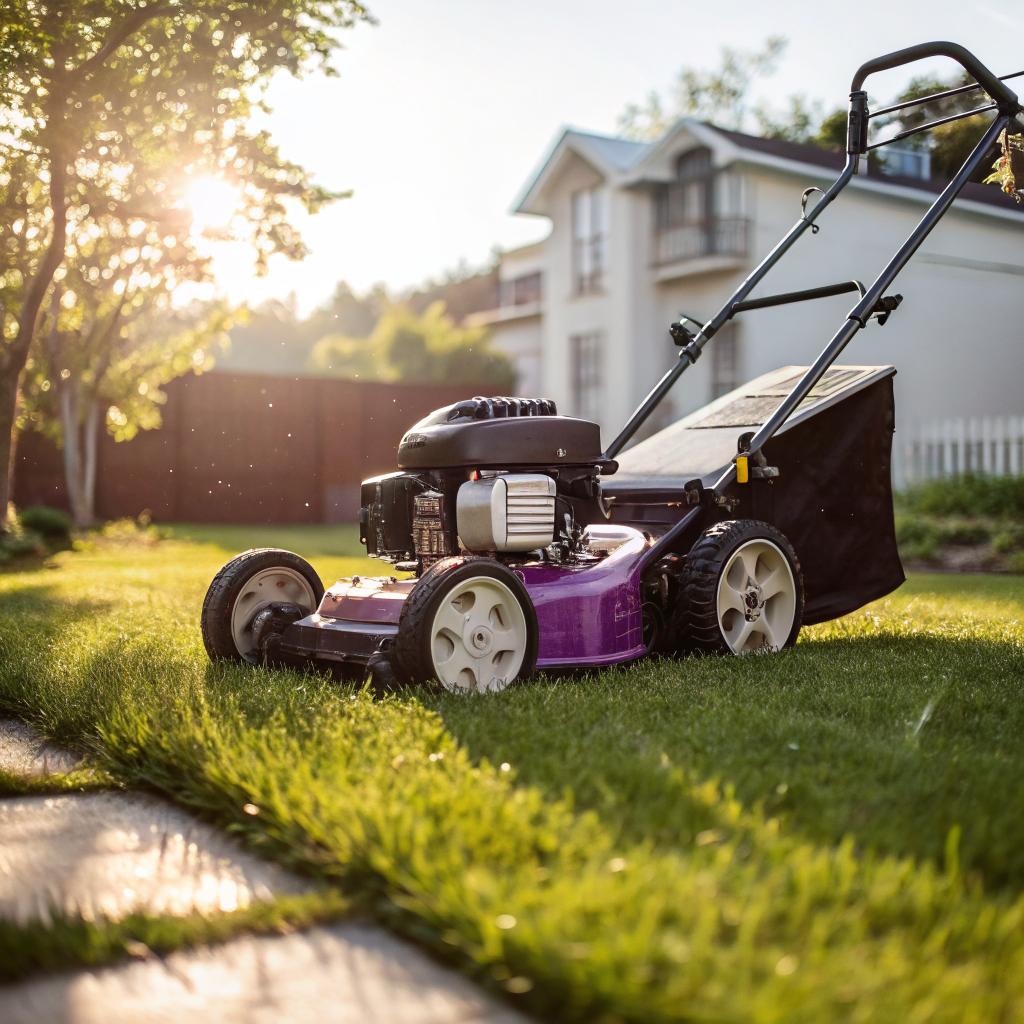

“Mowing is simple. Anyone with a lawnmower can do it, and the yard will look the same no matter who cuts it.”
That sounds reasonable on the surface, but it is not really true. The way your grass is cut, the timing, the pattern, and even the equipment all change how your yard looks and how healthy it stays through hot Cape Girardeau summers and cold, wet winters. If you just want a fast cut, then yes, almost anyone can push a mower. If you want lawn mowing Cape Girardeau homeowners actually trust for consistent results, you look for someone who treats it as ongoing care, not a quick chore. That is where companies like lawn mowing Cape Girardeau providers come in, especially when they focus on regular schedules, correct mowing height, and trimming that fits the way your property is laid out.
I have seen both sides. One neighbor on my street used to mow whenever he felt like it. The grass looked fine for a day, then turned light brown in spots and grew weeds along the edges. Another neighbor hired a local mowing service that kept a steady schedule and paid attention to the details around trees, sidewalks, and the driveway. Same street, same weather, same basic type of turf. The yards did not look the same at all. You could tell which one had a plan and which one was guessing.
So if you are wondering whether hiring a trusted lawn mowing service in Cape Girardeau really matters, the short answer is yes. It affects how your lawn looks week to week, how it handles heat and rain, and how much time you spend fixing problems later. The longer answer takes a bit more unpacking, because mowing is simple and not simple at the same time.
Why mowing in Cape Girardeau is not just “cutting the grass”
Cape Girardeau has a mix of weather that is not always kind to lawns. Hot, humid summers. Plenty of rain in spring and fall. Some winters that bite harder than you expect, then others that feel oddly mild. Grass still grows, of course, but it reacts to all of this.
Mowing affects how your lawn copes with these swings.
Cut it too short, and it gets stressed, especially during heat waves. Leave it too long, and you end up with a soft, patchy mess that invites insects and disease. Some people think they can solve this by “scalping” the lawn early in the season, so they do not have to mow as often later. That might make sense in your head. On the lawn, it plays out differently.
“If I cut the grass really short, I will not need another mow for two or three weeks.”
You probably will not need another mow for a while. What you will get instead is:
– Brown, weak blades that cannot shade the soil
– More weeds, because sunlight hits the soil directly
– Shallow roots that dry out faster
Grass is not just there to look nice. It is also a living ground cover that protects the soil, cools the area around your home, and slows erosion when heavy rain rolls through. Mowing with the right height and timing keeps that green cover strong. That is where a crew that knows Cape Girardeau conditions adds real value.
Cool season vs warm season grasses in the area
Cape Girardeau sits in a sort of transition area where you might see:
– Cool season grasses like fescue
– Warm season grasses like zoysia or bermuda
They do not behave the same way:
– Cool season types grow fast in spring and fall, slow down in the heat
– Warm season types wake up later and hit their stride in hot weather
If your mower, or the person behind it, does not know which grass you have, you can end up cutting at the wrong height during the wrong part of the year. That is when lawns “suddenly” thin out or turn patchy.
I have talked to homeowners who blamed bugs or bad seed, when it was really just stress from poor mowing habits over several months.
What “trusted” lawn mowing actually looks like
People throw around the word “trusted” a lot. It gets old. With mowing, trust shows up in small, repeatable actions, not big promises.
Here is how that usually looks in day to day service:
1. Predictable schedule, not random drop-ins
A lawn in Cape Girardeau grows quickly after rain and during warm weeks. Then it slows down again later in summer. A crew that knows the area does not just mow when they “happen to be nearby.” They follow a plan, often weekly or every 10 days during peak growth, then adjust if rain or drought changes things.
You should know roughly:
– What day they are coming
– How often they plan to mow in each season
– How they handle weather delays
When the schedule jumps around, you see it in the lawn. Tall, then chopped, then tall again. That up and down pattern is not just ugly, it also puts extra strain on the grass.
2. Correct mowing height for your grass type
This point sounds a bit technical, but it is actually simple and very practical.
Most Cape Girardeau lawns do best when the grass is kept somewhere around these ranges:
| Grass type (common in Cape Girardeau) | Typical mowing height | Notes |
|---|---|---|
| Tall fescue | 3 to 4 inches | Likes to stay on the taller side for deeper roots |
| Bluegrass blends | 2.5 to 3.5 inches | Can handle slightly shorter, but still better a bit tall in summer |
| Zoysia | 1 to 2 inches | Dense, warm season grass, needs sharp blades and regular cuts |
| Bermuda | 1 to 2 inches | Grows fast in heat, can tolerate short height if mowed often |
A trustworthy mowing service will:
– Ask what type of grass you have, or at least look and make a good identification
– Set mower decks at the correct height and adjust for seasons
– Avoid removing more than one third of the blade at one time
If someone comes in and just drops the deck all the way down because it “looks cleaner,” your lawn pays the price later, even if day one looks tidy.
3. Clean, sharp blades and maintained equipment
Sharp blades cut. Dull blades tear. Torn grass tips turn brown and invite disease.
You can see the difference if you look close the day after a mow. Healthy cut tips look smooth and more or less level. Torn tips look frayed and whitish or brown.
Most homeowners do not want to spend weekends sharpening mower blades or fixing small engine problems. That is one reason they call a lawn mowing service in the first place. A good crew takes that off your plate and quietly keeps their tools in shape.
You do not need to see them sharpening blades on your driveway. You just need to see the result:
– Even cuts, no streaks of tall grass left behind
– No clumps of uncut or half-cut grass along each pass
– Less browning at the tips a day or two after the mow
Why Cape Girardeau homeowners hand this off
Some people like mowing. They enjoy the routine, the smell of cut grass, the sense of order afterward. If that is you and you have the time, there is nothing wrong with doing it yourself.
Plenty of other homeowners are busy, tired, or simply do not want to manage one more thing. That does not make them lazy. It just means they choose to spend their time on something else.
From what I have seen and heard, here are the main reasons people in Cape Girardeau hire a mowing service and stick with it.
Less weekend pressure
The weather does not always care about your schedule. Grass grows when it grows. It rains when it rains. If the only time you can mow is Saturday afternoon, but it storms that day, suddenly you are trying to fit it in after work or letting it get too tall.
Hiring a trusted crew removes that stress. They watch the forecast, they adjust their routes, and they work around local conditions. You just see a lawn that keeps looking cared for.
Consistent curb appeal
Real estate agents like to talk about curb appeal for selling, but it matters even if you are not planning to move. When you drive up to your own house after a long day, a scruffy lawn sends a message. So does a neat, even one.
This is not about making your yard a showpiece. It is more about a steady, clean look:
– Edges trimmed along sidewalks and driveway
– Grass evenly cut, no obvious dips or ruts
– Clippings blown off hard surfaces
Do you absolutely need that every week? No. But once you get used to it, it is hard to go back.
Better long term lawn health
People often separate looks and health, but with lawns, they overlap a lot. Healthy grass tends to look good, and good mowing habits support that health.
Regular, correct mowing helps:
– Shade the soil, keeping moisture in
– Crowd out weeds by giving grass a strong, thick base
– Reduce compaction, since heavy mowers follow smart patterns
Some services also combine mowing with simple extras like basic fertilization and weed control. Others focus just on mowing and trimming but do it very well. Both approaches can work, as long as the fundamentals are handled with care.
How to tell if a mowing service is actually “trustworthy”
The word “trust” is a bit vague by itself. So how do you tell if a company really earns it?
You do not need a background in turf science. You just need to watch for a few clear signs.
They listen to what you want from your yard
Not every homeowner wants the same thing. Some want a golf-course look. Others simply want “neat and safe for kids and pets.”
A mowing company that earns trust will ask things like:
– How short do you like your grass to look?
– Are there areas we should avoid, like new seed or flower beds?
– Do you have irrigation heads, drainage grates, or buried pet fences we should watch for?
If they never ask questions and just assume every yard should look the same, that is a red flag.
“A lawn service that listens will usually avoid the biggest mistakes before they even start up the mower.”
They show up when they say they will
This is basic, but it matters more than some people admit.
Life happens. Trucks break. Storms roll through. Schedules shift. That is normal. The trust part comes from how a service handles those changes.
Do they:
– Let you know if they are running late or need to move a day?
– Keep roughly the same day of the week for your yard?
– Avoid skipping visits unless there is a solid reason, like drought stress?
Inconsistent visits produce inconsistent lawns. Honest, simple communication is one of the clearest signs that a company cares about your property, not just about squeezing in another job.
They fix small issues without a fight
No service is perfect. Grass gets missed behind a shed. A small flower bed gets a bit too close with the trimmer. Clippings get left where they should have been blown.
The test is what happens next.
If you point out a problem and they:
– Listen without getting defensive
– Make it right at the next visit, or sooner
– Learn from it so it does not keep repeating
then you can feel fairly comfortable staying with them. If they argue, blame the weather, or ignore you, that trust fades quickly.
What actually happens during a quality mowing visit
From the outside, mowing looks simple. A truck pulls up, people hop out, the yard is noisy for a while, and then everything looks shorter.
If you pay closer attention, you can almost always tell the difference between a quick in-and-out crew and one that is more careful.
Here is a typical sequence for a well run visit:
Walkthrough and prep
Some crews do this very fast, but they still do it.
They look for:
– Toys, sticks, and debris that could damage blades or become projectiles
– Wet, soft spots that might rut under heavy mowers
– Areas with new seed, fresh sod, or delicate beds
If they skip this step, you often see track marks, mower damage to corners or tree roots, or missed patches behind items left on the lawn.
Mowing with a pattern
A good crew follows straight, overlapping passes, often changing the pattern week to week:
– One week, front yard might be cut north to south
– Next week, east to west
Changing direction helps prevent ruts and encourages grass to stand upright rather than leaning the same way all season. It also gives a more even look.
They also adjust speed. Racing the mower leaves uncut strips and can scalp high spots.
Trimming and edging
Mowing alone rarely reaches every spot. Trimmers handle:
– Around trees and posts
– Along fences
– Near flower beds or mulch rings
Edgers cut a clean line along sidewalks and driveways. This one detail often separates a “bare minimum” job from something that looks finished.
Cleanup
Clippings on the lawn are usually fine, especially in moderate amounts, because they break down and feed the soil. Clippings on the driveway, porch, or road are not fine.
Quality crews:
– Blow clippings off hard surfaces back into the lawn or into collection
– Avoid blowing debris into streets or neighbors yards
– Check that gates are closed when they leave
This last step, closing gates, matters if you have pets or kids. Simple, but easy to forget. And when a crew never forgets, you notice.
Common mowing mistakes that hurt lawns in Cape Girardeau
You can learn a lot from what goes wrong. Here are some of the most frequent problems I see or hear about from local homeowners.
Cutting too short during summer heat
It is tempting to “set it and forget it” on the mower height. But summer in Cape Girardeau can be unforgiving. When the sun bakes the soil and rain is scattered, short grass struggles.
Signs your lawn is cut too short:
– Brown patches show up on sunny slopes or near sidewalks
– Soil cracks or feels hot to the touch
– Weeds like crabgrass or nutsedge pop up in thin spots
During peak heat, most lawns benefit from a slightly higher cut. It does not look as tight, but it stays healthier and actually looks greener.
Mowing wet grass
Sometimes schedules collide with weather. It rains for a few days, and grass gets long. The temptation is to mow as soon as possible, even if the soil is still soft and the grass still damp.
Problems that follow:
– Clumps of wet clippings that smother patches of grass
– Ruts in the soil from heavy equipment
– Uneven cuts where blades struggle through wet turf
A careful service will skip or delay a mow if the lawn is too wet. That can be a little frustrating when you want things tidy, but that patience often prevents bigger problems.
Ignoring the “one third” rule
A simple rule of thumb:
“Try not to remove more than one third of the grass blade height in a single mow.”
If your grass is 6 inches tall, cutting it down to 2 inches in one go is stressful. It suddenly reduces the leaf area that grass uses to produce energy. It also exposes stems that were shaded before.
When a lawn gets out of control, a better approach is to:
– Raise the deck and do a higher cut first
– Wait a few days
– Come back for a second cut to reach the desired height
Yes, this takes more time. But lawns recover far better from two lighter trims than one extreme haircut.
How pricing usually works for lawn mowing in Cape Girardeau
Money decisions feel more grounded when you have some frame of reference. Every company prices differently, but the same factors show up again and again.
Common elements that shape cost:
– Lawn size
– Obstacles and layout
– Slope and access
– Frequency of service
Here is a simple comparison table to make sense of it:
| Factor | Lower cost situation | Higher cost situation |
|---|---|---|
| Lawn size | Small, flat city lot | Large corner or multi-acre property |
| Obstacles | Open lawn with few trees | Many trees, beds, playsets, and garden features |
| Slope | Mostly level | Steep areas or hills that require caution |
| Access | Wide gates, easy truck access | Narrow gated areas, tight spaces for equipment |
| Frequency | Weekly during growing season | Irregular or “just when needed” visits |
One point that surprises some people: regular, scheduled service is often more affordable over time than sporadic “emergency” cuts when the lawn gets out of control. Tall grass takes longer, stresses equipment, and usually needs more trimming.
Questions to ask before you hire a mowing service
If you are thinking about hiring a mowing company in Cape Girardeau, it helps to ask some simple, direct questions. Not a long interview, just enough to see how they work.
Practical questions that matter
Here are some you might use:
- “How often do you recommend mowing my lawn during spring and summer?”
- “What mowing height do you plan to set for my grass type?”
- “Do you rotate mowing patterns or follow the same path each time?”
- “What is your process if it rains on my scheduled day?”
- “Who should I contact if I notice something missed or damaged?”
You do not need fancy answers. You just want clear, confident ones. If they struggle to explain the basics or seem annoyed by questions, that is telling.
Things you can check on your own
– Look at a few neighbors yards they service, if possible. Are the lines even? Are edges clean?
– Check whether their crew seems rushed or reasonably steady.
– Notice if they clean up clippings on sidewalks and driveways or just drive off.
Real trust usually builds over the first few visits. You do not have to decide everything after day one, but your first impressions often turn out to be accurate.
Balancing DIY effort with professional help
Not every yard needs full weekly service from spring to fall. Some homeowners like a mix.
For example:
– A service handles weekly mowing and trimming
– The homeowner handles watering, some fertilizing, and maybe mulching beds
Or:
– The homeowner mows most of the year
– A service steps in during busy months or vacations
You do not have to commit either way forever. Grass does not care if its caretaker changes, as long as the basic rules are respected.
If you enjoy mowing and have the time, you can still learn from how the pros do it:
– Match your mowing height to your grass type
– Avoid cutting when the lawn is soaked
– Keep blades sharp and equipment clean
– Follow the one third rule when growth surges
If, on the other hand, mowing feels like one more thing on a long list, it can be a relief to step back and let someone else handle it. Your time has value too, even if it is just time spent relaxing.
A few small details that make a big difference
Sometimes the most trusted services stand out not by grand promises but by small habits they repeat over and over.
Here are some you might notice:
Respect for your property
Good crews:
– Lift mower decks near tree roots to avoid cutting into them
– Avoid blasting mulch beds with string trimmers
– Watch for sprinkler heads and drain covers
Over one season, these details prevent a lot of minor damage. Over several years, they help keep trees, beds, and hardscapes in better shape.
Awareness of kids and pets
Cape Girardeau neighborhoods often have kids playing, dogs roaming fenced backyards, and people out walking. A careful mowing company will:
– Scan for toys, leashes, or pet gear before they start
– Close gates when they leave
– Be cautious with blowers near people and cars
You might not think about these details on a quote sheet, but you will notice them once service starts.
Honest advice about what mowing can and cannot fix
Mowing solves many problems: shaggy appearance, uneven growth, some basic weed pressure.
But it does not fix:
– Severe drainage issues
– Major soil compaction
– Heavy insect or disease pressure
A company you can trust will tell you when you have a problem beyond mowing. They might suggest aeration, overseeding, or changes in watering. Or they might simply say, “This issue is outside what we do, but here is what you might look into.”
That kind of honesty is worth more than a promise that mowing alone will cure everything.
Common questions from Cape Girardeau homeowners
How often should my lawn be mowed here?
Most lawns in Cape Girardeau do best with weekly mowing during peak growth in spring and early summer. As growth slows later in summer, you might stretch to every 10 to 14 days, especially if heat and lack of rain slow things down.
If your grass is growing fast enough that you are breaking the one third rule between visits, then the gap between mows is too long.
Is bagging clippings better than mulching?
Not always. For many lawns, mulching clippings back into the turf is helpful. The clippings break down and return nutrients to the soil.
Bagging might make sense when:
– The lawn is very tall and would leave heavy clumps
– You are dealing with some weed seeds and want to remove them
– You are preparing a yard for a special event and want a perfectly clean look
Trusted mowing crews often adjust between mulching and bagging based on conditions, not just habit.
Can I skip mowing for a couple of weeks without harm?
You can skip, but the grass reacts. Skip once or twice and it is usually fine, as long as you handle the next cut carefully and maybe raise the deck a bit. Skip repeatedly, and you start to stress the lawn every time you “catch up.”
If you know ahead of time that you will be out of town or busy, that is a good moment to bring in a service, even if only for a month or two.
How do I know if my current mowing service is doing a good job?
Look for these signs over several visits:
– The lawn looks more even and thicker over time, not patchier
– Edges are neat and not over trimmed
– There are no deep ruts or repeated damage in the same spots
– They are responsive when you raise a concern
If you keep noticing the same problems and get weak answers, it might be time to compare options.
Is professional mowing worth it for a small yard?
This is mainly a question about your time and energy.
For a very small yard, professional mowing can still make sense if:
– You have no place to store equipment
– You work long hours or have health limits
– You simply prefer to use that time for family, hobbies, or rest
For larger lots, the time savings grow quickly, and the value of consistent care often becomes clearer.
What is the first step if I want to change how my lawn looks this season?
Start simple:
“Pick one clear goal, like ‘I want the lawn to look more even’ or ‘I want fewer brown patches in summer,’ and talk that through with whoever is mowing your yard.”
From there, you can adjust mowing height, timing, and patterns. If you are working with a service, share what you notice between visits. If you are mowing yourself, keep an eye on how the lawn responds as the weather shifts.
You do not need a perfect yard. You just need a plan that fits your life and keeps the grass strong enough to handle Cape Girardeau weather, week after week.
