
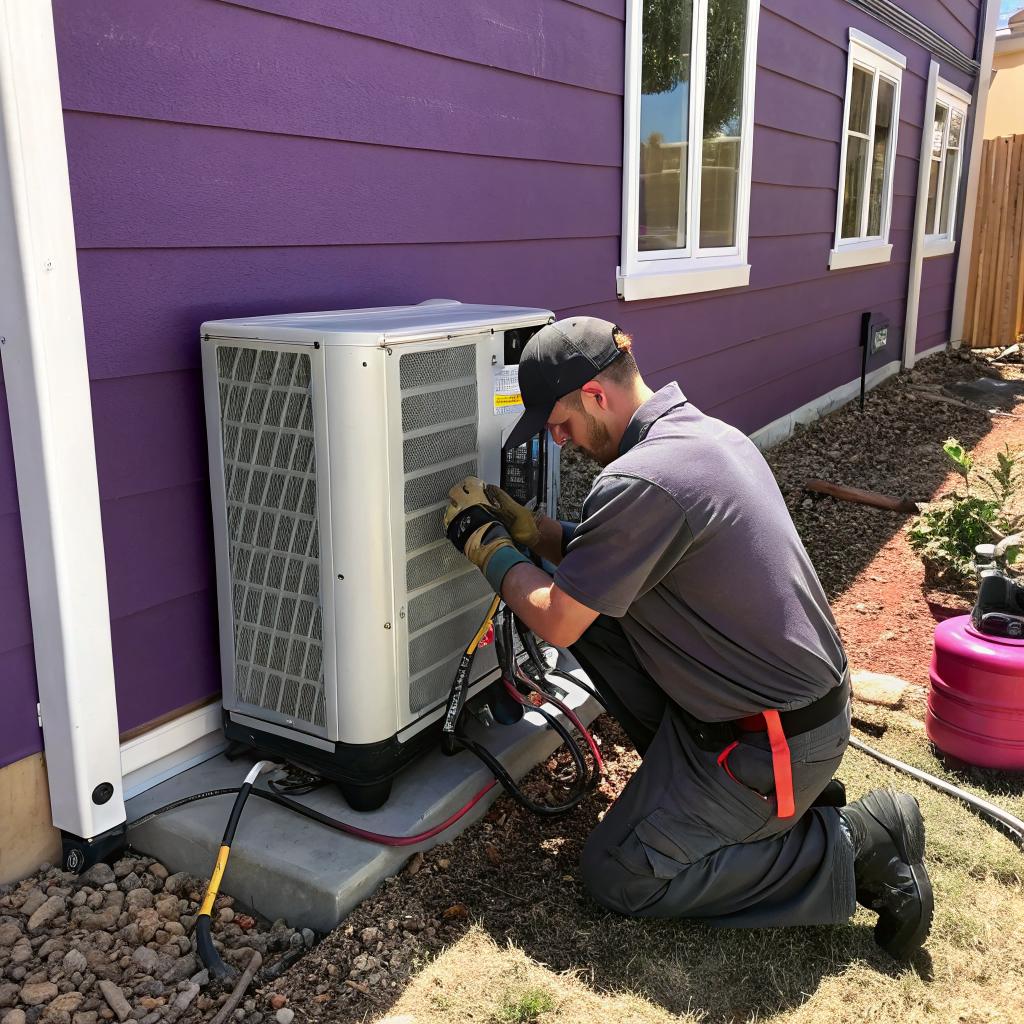

“Heat pumps do not work in cold places like Colorado Springs, so they are a waste of money.”
That statement used to be closer to true than it is now, but today it is mostly false. Modern cold climate heat pumps can work very well in Colorado Springs, if they are sized right, installed correctly, and handled by a trusted heat pumps contractors Colorado Springs CO. The challenge is not the equipment itself. The real issue is choosing the right contractor and making sure they design your system for our climate, your home, and your budget.
You are probably not shopping for a heat pump just for fun. You might be tired of high gas bills. Or your old furnace is loud and unreliable. Maybe you just want one system that can heat and cool. Whatever the reason, picking the right contractor in Colorado Springs matters more than the brand sticker on the unit.
Heat pumps are a bit different from a standard furnace and AC setup. They move heat instead of creating it. That makes design, airflow, and controls more sensitive. If a contractor cuts corners, you often feel it as uneven rooms, high bills, or constant short cycling. I have seen people blame the heat pump when the real problem was a rushed installation or lazy sizing.
So, if you are trying to find top heat pump experts in Colorado Springs, the first step is not memorizing brand names. It is learning how to tell a careful, honest contractor from a rushed or sales-focused one. You do not need to become an engineer, but you should know what good work looks like and what questions to ask.
Let us walk through that in a calm, practical way. No hype, no magic tricks, just how to choose someone who will do the job right and keep your home comfortable when the wind whips off Pikes Peak in January.
How heat pumps really perform in Colorado Springs
Colorado Springs has a strange mix of weather. Dry air. Big temperature swings. Mild days in winter followed by sudden cold snaps. That mix is actually pretty good for heat pumps most of the time, and a bit hard during the coldest nights.
Here is the basic reality.
Heat pumps pull heat from outside air in winter and move it indoors. When it gets very cold, there is less heat available to pull, and the system loses capacity. That is the part that scares people. But modern units, built for cold climates, are designed to keep working at much lower outdoor temperatures than older units.
If you grew up hearing that “heat pumps are only for the South,” you are not imagining it. Older units often struggled near freezing. Newer ones are closer to a quiet, low-temperature machine that can still run near or below 0°F, though usually with some help on the coldest nights.
The key is matching the type of heat pump to your home and to Colorado Springs conditions. That is where a contractor either shines or fails.
Air source, dual fuel, and ground source: which fits Colorado Springs?
There are three broad types you will hear about. Each has a different sweet spot in our area.
| Type | How it works | Pros in Colorado Springs | Possible drawbacks |
|---|---|---|---|
| Standard air source | Moves heat between indoor air and outdoor air | Lower upfront cost, good comfort most of the year, replaces AC and often furnace | Needs backup heat in very low temps, must be sized carefully |
| Dual fuel (hybrid) | Pairs a heat pump with a gas furnace, switches between them | Handles very cold nights with gas, strong comfort, flexible energy use | More complex, higher initial price, needs smart control setup |
| Ground source (geothermal) | Moves heat to and from the ground loop | Very stable performance, quiet, low operating cost over time | High upfront cost, trenching or drilling, not for every property |
Many homes in Colorado Springs end up with either a cold climate air source heat pump or a dual fuel setup. Ground source fits some homes, but not every yard or budget.
A solid contractor will not push one type for everyone. They will ask questions like:
– How long do you plan to stay in the house
– What are your current gas and electric rates
– How tight is your home, insulation wise
– Do you have ductwork already, and what shape is it in
If no one asks about your plans or your home envelope, that is a small red flag. They might be trying to sell what they like to install, not what you actually need.
What sets a top heat pump contractor apart in Colorado Springs
You can find many HVAC companies that are fine at basic AC work but only “okay” at heat pumps. The top heat pump contractors tend to stand out in a few ways, though they might not advertise it loudly.
They treat design and sizing as real work, not paperwork
Careful sizing is crucial with heat pumps in a climate that can bounce from 60°F to 5°F in the same week.
A real pro will:
– Measure your home, or at least do detailed load calculations
– Look at window types, insulation levels, exposure to sun and wind
– Ask about problem rooms that are often too hot or too cold
If a contractor sizes your new heat pump only by “whatever is in there now” or “tons per square foot,” they are guessing. Houses get new windows, more insulation, or additions over time. The old size might be wrong.
An oversized heat pump can lead to short cycling, more wear, and uneven comfort. An undersized unit may run flat out on cold days and still leave you shivering at the far bedrooms.
They understand cold climate performance curves
This sounds technical, but here is the simple part. Every good heat pump has data that shows how much heating it can provide at 47°F, 17°F, 5°F, and so on.
A careful contractor in Colorado Springs:
– Looks at those cold weather capacity numbers
– Checks your local design temperature for winter
– Matches the unit so it covers most of your heating down to some low point
Then they plan how backup heat or dual fuel will take over when needed.
If you ask how the chosen model performs at low temperatures and the answer is vague, that is not a great sign. You do not need a chart in your hand, but you want proof that someone on their team understands it.
They are picky about ductwork and airflow
Heat pumps need good airflow. Restricted ducts, undersized returns, or crushed flex duct can ruin performance.
Top contractors often:
– Inspect the duct system, not just the indoor and outdoor units
– Measure static pressure to see if airflow is restricted
– Suggest duct modifications if needed
Sometimes this feels annoying because you may just want to “swap the box” and be done. But skipping duct fixes can turn a good heat pump into an average one. And it is not always a big renovation. It might be as simple as adding a return, sealing leaks, or slightly resizing key runs.
They are honest about where heat pumps make sense and where they do not
A trustworthy contractor is not afraid to say:
– “In your particular case, a full heat pump may not be the right choice.”
– “Your electrical panel cannot handle this size without an upgrade.”
– “For your short time frame in this house, a hybrid system might be better.”
You want a company that can say no to a sale if the fit is poor. That is rare, but when you find it, you likely found someone worth keeping.
“Good contractors do not sell the same system to every house. They match the system to the way you live, not the other way around.”
How to interview a heat pump contractor in Colorado Springs
Treat this like hiring someone for an important job, because that is exactly what you are doing. You do not need a formal checklist, but walking in with a few clear questions will help.
Questions to ask, and what good answers look like
Try questions like these and listen for clear, simple explanations.
1. “How will you size the heat pump for my home?”
Better answers mention:
– A Manual J or similar load calculation
– Looking at insulation, windows, and square footage
– Checking existing ductwork and comfort issues
Weak answers sound like:
– “We match your current system.”
– “We always put a 3 ton in homes your size.”
You do not have to correct them on the spot, but you should be cautious.
2. “How will this system perform on very cold nights?”
Good contractors often respond with:
– A rough temperature below which backup or gas will be needed
– An explanation of balance point
– How the thermostat or controls decide when to switch to backup or gas
If they just say “It will be fine” with no detail, that is more of a sales reply than a technical one.
3. “What kind of backup or auxiliary heat will I have?”
Heat pumps in Colorado Springs almost always need a backup plan. That may be:
– Electric heat strips in the air handler
– A gas furnace in a dual fuel system
– A separate backup heater in rare cases
You want to know:
– How often that backup will run
– What that backup costs to operate compared to gas or your current setup
– Whether you can see or track when backup heat is active
4. “Will you check and, if needed, upgrade my ductwork?”
Look for clear signs they take ducts seriously. Even a sentence like:
“We will test the static pressure, check your returns, and propose duct changes if needed.”
is good. Silence about ducts is usually a hint they plan to skip that step.
Common mistakes Colorado Springs homeowners make with heat pumps
You are not alone if you feel unsure. Many people only go through this once or twice in their whole life. There are a few patterns that come up often, and they can be avoided.
Focusing too much on brand, not enough on the installer
Brand matters somewhat, mainly for reliability, parts, and support. But a mid-level unit installed with care often beats a top-end unit installed sloppily.
If you find yourself arguing over brand A vs brand B but you have no idea how either contractor will size and design the system, you are giving attention to the wrong problem.
Chasing the lowest bid without checking the scope
Sometimes a low bid is just an honest, efficient company. Other times, it is cheaper because:
– They are skipping ductwork checks
– They plan a simple “like for like” swap without real design
– They use minimal labor time for commissioning and testing
Ask each contractor what is included: duct tests, commissioning, thermostat programming, filter setup, and follow-up visit. You might find the low bid is actually just a smaller job.
Expecting furnace-like behavior from a heat pump
This is more of a mindset issue, but it affects satisfaction.
Furnaces tend to blast hot air for short periods. Heat pumps often run longer cycles with milder supply air. They feel different. Some people worry that the air “is not hot enough” even when the home is at the right temperature.
A good contractor will explain that to you ahead of time. If they do not, you may feel uncomfortable simply because it feels new and strange, not because anything is wrong.
How local altitude and climate affect heat pump choices
Colorado Springs sits at high altitude. That affects both your body and your HVAC equipment.
Altitude impact on capacity
Compressors and fans can be slightly less effective at higher elevations. This can trim the effective capacity compared to sea level ratings.
A knowledgeable contractor will:
– Adjust calculations for altitude
– Choose a unit that can still cover the load after that adjustment
– Factor in that ducts may also behave slightly differently
It is a small effect, but when you are sizing equipment that has to work at 5°F, small details matter.
Dry air and comfort
Winters here are often dry. Heat pumps do not dry the air as much as a hot furnace cycle can, which sometimes feels more comfortable. At the same time, you might still want a humidifier, especially if you get cracked skin or static shocks.
Ask if your contractor will check how a new heat pump will interact with your current humidifier, or if they suggest adding one. Comfort is not just temperature. It is also humidity, airflow, and noise.
Signs you are dealing with a real expert
It can be hard to judge expertise when you are not in the trade. Still, certain small behaviors give a lot of clues.
They ask more questions than you do
If the tech or salesperson is curious, that is good. They might ask about:
– Utility bills
– How long you plan to stay in the home
– Specific rooms that bother you
– Past problems with your current system
Someone who is interested in your answers usually wants to design a better solution. Someone who talks at you, without listening, is usually pushing a script.
They are comfortable discussing downsides and tradeoffs
No system is perfect. A real expert can say:
– “This model is quieter but costs more.”
– “This option has better cold weather performance but uses more electricity.”
– “If we keep your current ducts, you save money now, but you may have some hot/cold spots.”
You might notice they sometimes contradict themselves slightly as they think through options. That is not always bad. That can show they are weighing real tradeoffs in real time, not reading you a brochure.
They offer clear documentation and support
Look for:
– Written scope of work
– Clear warranty terms
– A plan for maintenance and tune-ups
You can ask: “If I have issues during the first winter, what happens?” A good answer describes a process, not just “Call us.”
“Any contractor can sell you a heat pump. The real question is whether they will still care about your comfort two winters from now.”
Costs, rebates, and operating bills in Colorado Springs
Money matters, and not just the sticker price.
What you are likely to pay upfront
Costs vary with home size, duct condition, and system type, but here is a rough idea:
| System type | Typical range (installed) | Notes |
|---|---|---|
| Standard cold climate air source | $$$ to $$$$ | Often includes new outdoor unit and indoor air handler, may reuse ducts |
| Dual fuel (heat pump + gas furnace) | Higher $$$$ | Two heat sources, more flexible but higher initial cost |
| Ground source (geothermal) | Highest $$$$$+ | Includes drilling or trenching for ground loops |
I kept the numbers vague on purpose, because local labor, permitting, and equipment choices shift them a lot. The key is to compare similar scopes, not just price tags.
Rebates and incentives
In many parts of Colorado, utilities offer rebates for heat pumps, especially higher efficiency or cold climate models. There may also be tax incentives.
Ask each contractor:
– Which rebates apply to the specific model they are quoting
– Whether they help with paperwork or if you are on your own
– How those rebates show up, as a check, bill credit, or something else
If they cannot answer at all, that may mean they do not work with heat pumps often.
What about monthly bills?
This is where people sometimes get both hopeful and nervous. They want lower bills but fear surprise electric charges.
A good contractor can at least estimate:
– Rough annual heating cost with your current system
– Expected heating cost with the proposed heat pump or hybrid system
– How mild winter days vs very cold snaps might trade gas use for electric use
No estimate will be perfect. Weather changes. Rates change. Your habits might shift. But you should leave the quote process with a rough sense of operating cost, not just a promise of “it will save you money.”
What to expect during and after installation
Understanding the process can calm some of the stress around a big purchase like this.
Before they start work
You should see:
– Clear schedule: start date, expected duration
– Basic layout of where equipment will sit
– Discussion of any electrical upgrades if needed
If permits are required, they should handle that or explain who does.
During installation
Work can take from a day to several days, depending on complexity. Expect:
– Some noise from tools
– Power off at times
– Heat or cooling interrupted for part of a day
Ask how they protect floors, how they handle old equipment removal, and where they place any outdoor units in your yard.
Commissioning and testing
This step is often rushed, but it is where a lot of long-term problems can be caught early. A careful team will:
– Check refrigerant charge
– Verify airflow
– Test backup heat
– Set thermostat options for dual fuel or backup lockout
You might not follow every detail, but you can ask: “Can you walk me through what you are testing and why?” Their answer will show how seriously they take this step.
First season of use
The first winter or summer with a new heat pump is a learning period. You will notice:
– Longer but gentler heating cycles
– Different sounds compared to your old furnace or AC
– Maybe a defrost cycle on very cold, damp days where the outdoor unit steams for a few minutes
If anything feels really wrong, such as constant cold air, tripped breakers, very sharp temperature swings, or frequent error codes, call them back. Many good contractors offer a post-install checkup after a month or after the first season.
Maintenance habits that extend heat pump life
Heat pumps can last many years in Colorado Springs, but they are not “set and forget.” Simple habits can lengthen life and keep bills under control.
Basic homeowner tasks
You can handle quite a bit yourself:
- Change filters regularly, often every 1 to 3 months.
- Keep the outdoor unit clear of snow, leaves, and debris.
- Keep plants and fences at a safe distance from the outdoor unit for airflow.
- Watch for ice buildup in winter that does not melt after defrost cycles.
If snow regularly drifts around the outdoor unit, ask your contractor if a small stand or slight relocation would help.
Professional maintenance visits
Once a year, or sometimes twice, a technician should:
– Check refrigerant levels
– Inspect coils
– Confirm electrical connections
– Test defrost operation
– Check system controls and safety devices
If a contractor says you never need maintenance, that is not realistic. Everything mechanical benefits from some attention over time.
“A good installer builds a system that works. A good maintainer keeps it working long after the truck pulls away.”
When a heat pump might not be your best choice
It might sound strange, but in some cases a contractor who quietly suggests “maybe you should stick with a furnace and AC” is helping you avoid a poor fit.
Situations where a full heat pump may not be ideal:
– You plan to move very soon and do not care about long-term energy savings.
– Your electrical service is very limited and upgrading it is too costly.
– Your duct system cannot be reasonably fixed and a ductless solution is not attractive to you.
– You have very specific temperature needs that are hard to meet cost-effectively with a heat pump in deep cold.
In those edges cases, a high efficiency furnace plus a basic AC might make more sense for you. Not for everyone, but for some.
Simple checklist to keep in mind
If lists help you, here is a short one you can keep nearby. If they do not, feel free to ignore it. No need to overcomplicate things.
- Ask how they size the system. Look for more than “match the old one.”
- Ask how the unit handles cold nights and what backup heat you have.
- Make sure they inspect ducts, not just the old equipment.
- Compare scope, not just price, between contractors.
- Clarify rebates, warranties, and follow-up support.
- Expect some learning as you adjust to how a heat pump feels.
If at least one contractor can walk through these points with calm, specific answers, you are likely closer to finding a true expert.
Common questions about heat pumps in Colorado Springs
Do heat pumps actually work in our cold winters?
Yes, modern cold climate heat pumps can handle most winter days, especially in a well insulated home. On the coldest nights, a backup source like electric strips or a gas furnace often helps. The right contractor designs your system with those extremes in mind.
Will my bills go up or down?
They can go either way, depending on what you have now, your rates, and how the system is designed. Many people see lower gas use and a modest increase in electricity, with the total bill staying similar or dropping. Ask for a rough cost comparison before you agree to the install.
How long does a good heat pump last here?
Often 12 to 15 years, sometimes more, with proper maintenance. Outdoor units live in sun, snow, and dust, so regular care and a good install help a lot.
Is a dual fuel system better than an all-electric heat pump?
“Better” depends on your goals. Dual fuel gives you strong performance on very cold nights and can balance gas and electric use. All-electric is simpler and avoids gas, which some people prefer. A good contractor in Colorado Springs can lay out both options with pros and cons in plain language.
What is the single most important thing I should look for in a heat pump contractor?
If you boil everything down, look for this: do they treat your home as a unique project and explain their design choices, or do they push the same package on everyone? The best heat pump contractor in Colorado Springs will slow down, ask questions, and make you feel that your comfort and long-term costs matter more than closing a fast sale.
