
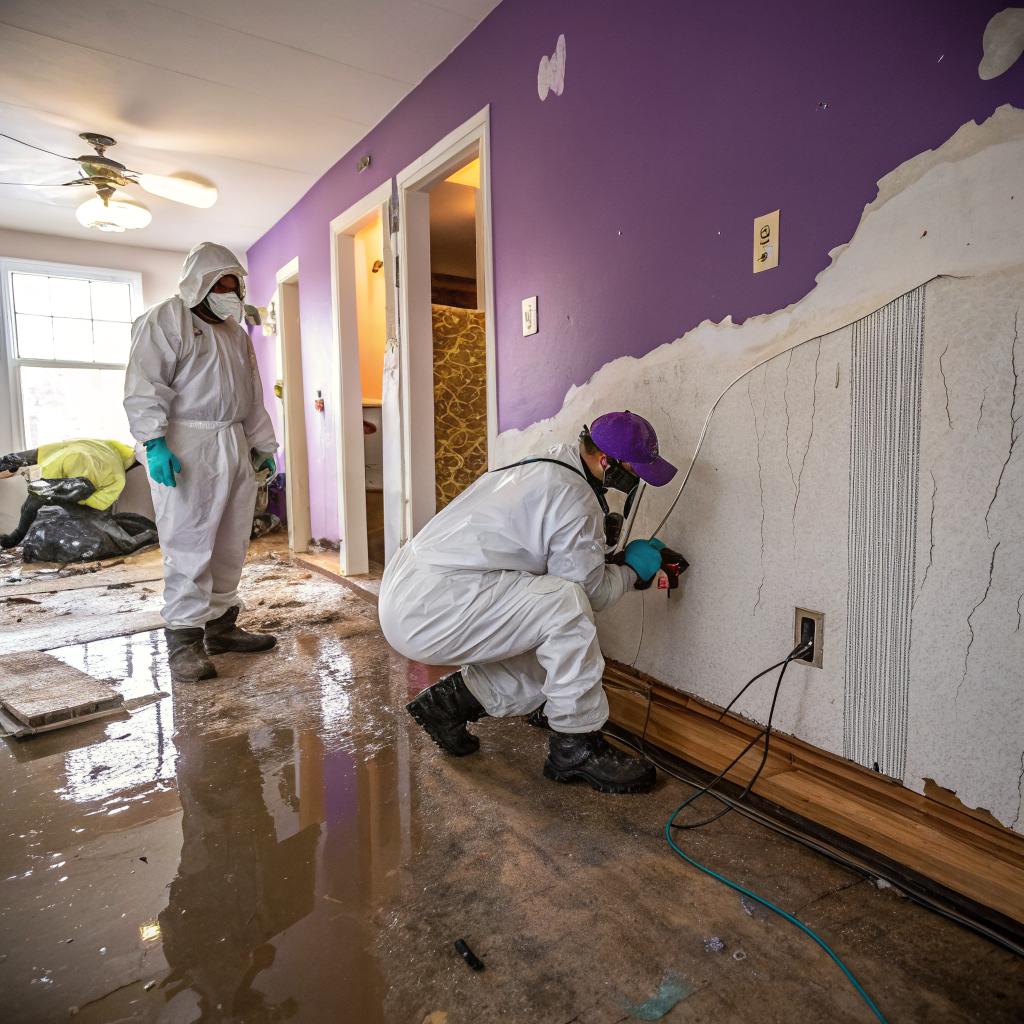

“If the water looks clean and dries out on its own in a few days, your home in Salt Lake is probably fine.”
That sounds comforting, but it is false. In Salt Lake, even “clean” water that dries on its own can still leave trapped moisture in walls, floors, and insulation. That hidden moisture can lead to mold, warped wood, damaged drywall, and long term odors. If you want your home to really be safe after a leak or flood, you need a clear plan, fast action, and in many cases help from a proper Salt Lake water damage repair service, not just a box fan and hope.
Let me walk through this in a straightforward way. I will try not to scare you, but I also will not pretend that a soaked carpet is no big deal. Sometimes it is small. Sometimes it turns into a months long headache because the first steps were rushed or wrong.
I will focus on Salt Lake homes, so we will talk about things like snowmelt, basement leaks, and swamp coolers, not just big dramatic floods from movies. Most water damage here starts quiet and boring. A tiny supply line leak behind the fridge, a failed wax ring on a toilet, a water heater that rusts out at the bottom. You see a small stain in the ceiling or notice the laminate floor buckling a little and think, “I will get to that later.”
That delay is where repair gets expensive.
You do not need to panic, but you do need to act. Fast action in the first few hours can be the difference between drying and saving materials or ripping everything out. And I should say this clearly: there is a limit to DIY. I like to fix things myself too, but once water has soaked into walls or insulation, you can only see a fraction of what is going on without the tools that restoration companies use.
Still, there is a lot you can do right away, and you should understand the full repair process so you can tell if the work done in your home is actually good or just “good enough.”
How water damage in Salt Lake usually starts
Most homeowners I talk to are a bit surprised when they learn where their water came from. It is not always a dramatic burst pipe. Often, it is one of these:
Common sources inside the home
- Leaking supply lines on toilets, sinks, fridges, and dishwashers
- Overflows from tubs, sinks, or toilets
- Washing machine hoses that crack or pop off
- Water heaters that fail at the bottom
- Slow leaks around shower pans or tile grout
- Condensation from HVAC or swamp coolers running into the wrong place
Common sources from outside
- Snowmelt leaking into basements through foundation cracks
- Rainwater pooling next to the foundation because of poor grading
- Gutters and downspouts that clog and send water down exterior walls
- Sprinkler heads spraying directly on siding or windows
One thing that makes Salt Lake a bit tricky is the mix of hot dry summers and cold winters. In winter, pipes can freeze and burst. In spring, you get snowmelt and rain hitting already saturated soil. In summer, the air is dry, so people think water will just “evaporate quickly.” It does from surfaces, but not from the inside of walls or under flooring.
Water that you can no longer see can still be causing damage every day behind the scenes.
That is the main idea to keep in mind as we go through the repair steps.
First steps right after you find water
Your first reaction sets the tone for the rest of the repair. You do not have to be perfect, but you do need to be safe and logical. Here is a simple order that works for most indoor leaks.
1. Make the area safe
Before you touch anything, ask yourself two questions.
1. Could electricity be involved here?
2. Is there any chance this is sewage?
If water is near outlets, power strips, or appliances, do not walk into standing water where wiring may be submerged. If you can reach the main breaker on dry ground, switch it off for the affected area. If not, wait for a professional.
If the water came from a toilet backup, floor drain, or sewer line, treat it as contaminated. Do not wade in barefoot. Do not let kids or pets near it. That kind of situation needs different handling, and usually a pro.
2. Stop the water at the source
It sounds obvious, but many people start mopping before they stop the leak. If a pipe or fixture is the problem, find the nearest shutoff valve. If you cannot find it, or it does not turn, go to the main water shutoff for the house.
If the water is coming in from outside during a storm, your focus shifts to limiting the flow. Sandbags, towels at door bottoms, moving items off the floor, even plastic sheeting on short notice can help until the weather passes.
3. Protect what you can
Once the water has stopped, move furniture, rugs, boxes, and electronics out of the wet area. Lift furniture legs on to blocks or plates so they do not wick up moisture from a damp floor. Remove anything cardboard. Cardboard is like a sponge and a mold starter kit at the same time.
This is also the point where many homeowners think, “I will just let it dry.” That works for very small spills on hard surfaces, like a bit of water on tile you can wipe up fully. If water has soaked into carpet, baseboards, or drywall, you are past the “just let it dry” stage, even if it looks minor.
How to tell if damage is minor or serious
This is where you want to be honest with yourself. I will lay out a simple way to think about it. It is not perfect, and an expert with moisture meters can give a more precise answer, but at least you can avoid wishful thinking.
3 main factors that decide how bad it is
- How long the area was wet
- What kind of water it was
- What materials got wet
Here is a table that helps you place your situation:
| Factor | Lower risk | Higher risk |
|---|---|---|
| Time wet | Found within 0 to 12 hours | Sitting for 24+ hours, or you are not sure how long |
| Water source | Clean supply line, rain through roof in small amount | Toilet overflow, drain backup, outdoor flood water |
| Materials affected | Tile, sealed concrete, small area of vinyl | Carpet, pad, drywall, insulation, wood subfloor |
If everything on your list is on the left column, small area, and you caught it fast, you can likely handle a good part of the drying yourself.
If even one factor is on the right column, especially time or water source, it is not “minor” anymore, even if the visible area is small. In those cases, calling a restoration company in Salt Lake is not overkill. It is damage control.
If water has touched drywall or insulation, assume you are not seeing the full reach of the damage unless someone checks with proper tools.
What proper Salt Lake water damage repair actually involves
It helps to know what a thorough repair job looks like. That way, you can decide how much you want to do yourself and how much you want a company to handle, and you can tell if the company you hire is cutting corners.
I will break this into stages. Some overlap in real life, but thinking in stages makes the process clearer.
Stage 1: Inspection and moisture mapping
A trained tech will:
- Ask about when you first saw the water and where
- Check the obvious wet areas by sight and touch
- Use moisture meters on walls, baseboards, and floors
- Sometimes use infrared cameras to see patterns of moisture spread
This part sounds boring but it matters. Skipping it is how you end up with mold behind a “dry” wall two months later. In Salt Lake, where the air is dry most of the year, the surface of the wall can feel fine while the inside of the cavity is still saturated.
They should mark out the wet areas or at least note them carefully. Some companies take moisture readings and record them so you can see progress over a few days.
Stage 2: Water removal
If there is standing water more than a thin film, pumps and wet vacs are used to remove as much as possible. The faster you remove liquid water, the less work the air movers and dehumidifiers have to do later.
On carpet, they may do “extraction” where they pull water out of the carpet and pad using weighted tools. In some cases, they may remove the pad entirely because it is cheaper and safer to replace than to dry.
This step usually goes faster than people expect. What takes time is the drying.
Stage 3: Controlled demolition and material removal
This part makes homeowners nervous, and I understand that. The idea of cutting out parts of your wall or ceiling when you just want things “put back” feels wrong. But keeping wet material in place often makes the repair longer and more expensive.
Common removals include:
- Pulling baseboards to allow air to circulate into wall cavities
- Removing sections of drywall at the bottom where water wicked upward
- Taking out wet insulation that will not dry in place
- Removing carpet pad and sometimes carpet if it is too saturated or contaminated
In dirty water cases, like sewage backup, most porous material that got wet needs to go. There is not a safe way to “clean” drywall or insulation that has soaked up that kind of water.
Is there judgment involved here? Yes. Some techs will be more aggressive than others. As a homeowner, you can ask them to explain why they are cutting where they are. If they shrug and say “we always do it this way” without tying it to moisture readings or contamination, that is a red flag.
Stage 4: Drying and dehumidification
This is the part you will live with for several days. Fans and dehumidifiers will run almost nonstop. It is noisy and a bit annoying, but this is what prevents mold.
Here is what a solid drying setup usually includes:
- Air movers placed to push dry air across wet surfaces
- Dehumidifiers to pull moisture out of the air
- Temperature control to keep the space in a good drying range
- Daily checks and moisture readings to track progress
Drying in Salt Lake can be faster than in very humid climates, but that does not mean you can just open windows and call it good. Exterior air can sometimes be cooler and holds less moisture, which in some cases slows down drying inside. A good tech will adjust equipment based on readings, not just by “feel.”
Stage 5: Cleaning and disinfection
This step matters especially when the water was from anything other than a clean supply line.
Typical tasks here:
- Cleaning and treating affected surfaces with appropriate antimicrobial products
- Removing debris and dust from demolition
- Cleaning salvageable contents like furniture legs, plastic storage bins, and non porous items
This is not about soaking your house in strong chemicals. It is about targeting areas that were actually affected and leaving them in a condition that will not support mold or bacteria growth.
Stage 6: Repairs and rebuilding
Once moisture readings show that materials are back to normal levels, the repair part starts.
This can include:
- Replacing drywall, taping, mudding, and sanding
- Reinstalling or replacing insulation
- Painting walls and ceilings
- Installing new baseboards and trim
- Replacing flooring, whether carpet, laminate, or tile
Sometimes the restoration company handles this. Sometimes they pass it on to a general contractor. You can also choose your own contractor if you prefer a certain look or have specific upgrades in mind.
This is where you can make small improvements. For example, if your basement carpet was borderline anyway, you might switch to a hard surface with area rugs to reduce future risk. Or you might insulate and seal a previously unfinished wall better than it was.
Special Salt Lake considerations: basements, snow, and dryness
Every region has its quirks. Salt Lake is no different. It helps to look at a couple of local patterns.
Basement water in Salt Lake homes
Basement leaks are one of the most common water issues here. They often show up as:
- Damp carpet along exterior walls
- Water lines on foundation walls
- Musty smells in one corner
- Paint or drywall bubbling low on the wall
Sometimes the source is obvious, like a window well full of water. Other times it is trickier, such as hydrostatic pressure pushing water through hairline foundation cracks after heavy rain or snowmelt.
Long term fixes can involve:
- Improving grading so water runs away from the house
- Extending downspouts away from foundation
- Cleaning and repairing gutters
- Adding or repairing interior or exterior drainage systems
For repair, the steps are similar: stop water, remove damaged material, dry thoroughly, and rebuild. The difference is that you also need to address how the water got there, or you will repeat the whole process next year.
Dry climate does not mean dry walls
Salt Lake’s dry air is a bit of a trick. It does help surface drying, and that can lower humidity in general, but inside a wall cavity there is very little air movement. Moisture can stay trapped for weeks.
That is why a moisture meter is more useful than your hand. A wall can feel room temperature and dry, but readings can still show it as high in moisture. Skipping this step is one of the more common mistakes I see in DIY drying attempts.
Assume the inside of the wall is wetter than the outside looks, not the other way around.
What you can reasonably do yourself
You are not helpless, and you do not need a company for every tiny spill. Here is a practical look at where DIY works and where it usually causes trouble.
Good DIY tasks
- Stopping the water quickly at the source
- Removing small amounts of water on hard surfaces like tile or sealed concrete
- Moving furniture and contents out of the wet area
- Setting up basic fans to help dry minor, shallow spills
- Taking photos and notes for insurance
If the area is small, on a hard surface, and you caught it fast, you can mop, towel dry, and run a few fans until it is clearly dry, usually within 24 hours.
DIY that often backfires
- Trying to dry soaked carpet and pad with only a small household fan
- Painting over water stains on walls without checking for moisture
- Bleaching mold on drywall instead of removing the affected section
- Ignoring a musty smell because the surface “looks fine”
These are the situations where it feels like you saved money, but then you pay more later when the hidden damage shows up. One of the most common stories is someone drying carpet after a leak, thinking it is all good, then finding mold smell in a closet a few months later.
If anything feels borderline, you can at least get an inspection. Many companies will come out, check with moisture meters, and give you an honest scope. If they push you to do a lot of work when the readings are normal, that tells you something about them.
Working with insurance on water damage claims
This part can be frustrating, but understanding the basics helps. I am not an insurance adjuster, and policies vary, so this is general. Still, there are patterns.
What is often covered
Many standard homeowners policies cover “sudden and accidental” water damage. Examples:
- A supply line that bursts and floods a room
- A water heater that fails suddenly
- A dishwasher that overflows because of a broken part
They usually do not cover the cost to fix the broken appliance or pipe itself, but they cover the damage the water caused to building materials.
What is often not covered
Slow, repeated leaks that the insurer can argue were “ongoing maintenance issues” are often denied. For example:
- A slow drip under a sink that rotted out the cabinet over months
- Long term seepage into a basement from poor grading
- Mold that built up because previous water damage was not handled properly
Also, flood water from outside, such as rivers, heavy surface water, or widespread flooding, usually requires separate flood insurance.
How to help your claim go smoother
A few simple habits make a big difference:
- Take clear photos and videos as soon as you discover the damage
- Do not throw away damaged materials before the adjuster sees them, unless safety requires it
- Keep receipts for any emergency work or temporary housing
- Write down dates and times of everything: when you found the leak, who you spoke to, when work started
Ask the restoration company if they have experience working with your insurer. Many in Salt Lake do, and they can help explain the scope in a way that fits common policy language.
How long does Salt Lake water damage repair usually take?
This is one of the first questions people ask, and the honest answer is that it varies by scope. I know that sounds vague, so let us put some rough ranges on it.
| Type of damage | Typical active drying time | Typical full repair time |
|---|---|---|
| Small room, clean water, quick response | 2 to 4 days | 1 to 2 weeks |
| Multiple rooms, clean water | 3 to 7 days | 2 to 4 weeks |
| Basement with structural materials affected | 4 to 10 days | 3 to 6 weeks |
| Sewage or contaminated water | Similar or shorter drying, more demolition | Often 4 to 8 weeks |
Keep in mind:
- Drying happens first, before repairs
- Moisture readings, not just time, decide when drying is done
- Delays with materials and scheduling can stretch the rebuild phase
If someone tells you they can fully fix a soaked basement in two days, that is a problem. Either they mean only “clean up the visible water” or they are ignoring the way materials actually dry.
How to prevent repeat water damage in your Salt Lake home
You cannot prevent everything. A random pipe burst could still happen. But you can greatly lower the risk of water damage repeating, especially in the same areas.
Simple checks inside the home
- Inspect under sinks a few times a year for dampness or staining
- Look around toilets for soft flooring or discoloration
- Replace old washing machine hoses with braided stainless ones
- Check your water heater age and plan to replace it before failure if it is very old
- Watch for small ceiling stains and trace them back sooner rather than later
Outside and basement checks
- Clean gutters and downspouts at least once a year, more if trees are nearby
- Make sure downspouts discharge away from the foundation
- Look at the grading: does the soil slope away from the house, or toward it?
- Inspect basement walls and window wells for signs of moisture after heavy rain
You do not need to obsess over each of these every week. But dealing with small issues early often prevents the kind of “surprise” water damage that turns into an insurance claim.
What to ask a Salt Lake water damage repair company
If you decide, or your situation demands, that you bring in professionals, you still need to choose a good one. Not all companies work the same way.
Here are questions worth asking:
- How soon can you get to my home to inspect the damage?
- Do you use moisture meters and document readings, or just inspect by sight?
- Will the same team follow the job from start to finish, or does it change often?
- Do you handle both the drying and the rebuild, or just one part?
- Can you explain what materials you think will need to be removed and why?
Listen not just to the words, but to how they explain things. If they talk in vague terms, rush you to sign, or cannot describe a clear process, that is not a good sign. A solid company will answer patiently and give you a sense of what the next few days and weeks will look like.
Common myths about water damage that cause trouble
Let me push back on a few ideas that keep coming up. Some of them sound harmless, but they steer people in the wrong direction.
“Mold only grows in humid states, not here.”
Not true. Mold needs moisture, organic material, and time. Salt Lake has plenty of drywall, wood, and dust, and when water is present for more than about 24 to 48 hours in a warm interior, mold can start. The outside climate does not protect the inside of your walls.
“I can just spray some bleach and it will be fine.”
Bleach can lighten stains, but it does not fix the cause. If the material is still wet inside, or if the mold is inside porous surfaces like drywall, you did not remove it, you just dulled the surface. Also, breathing in strong bleach fumes in enclosed spaces is not good for you either.
“If it smells fine now, it must be dry.”
Smell is one clue, but not a perfect one. Early water damage may not have a strong odor. Some people are less sensitive to smells than others. Trust readings and visual inspection more than just your nose.
Frequently asked Salt Lake water damage repair questions
Can I live in my home during water damage repairs?
Often, yes, you can stay in the home while drying and repair are going on, as long as the damage is limited to part of the house and there is no major contamination. It might be noisy and a bit dusty, and some rooms might be off limits, but many families stay. Large losses, sewage situations, or extensive demolition may make it easier to stay elsewhere for a while. Your insurance policy may help with that in some cases.
How do I know when everything is really dry?
You know by measurement, not just by touch. The company should use moisture meters to compare wet materials to known dry areas of the house or standard values for that material. They should share those readings with you if you ask. When readings drop back to normal across all affected areas, then you can say it is dry.
Is water damage repair different in winter vs summer in Salt Lake?
The overall steps are the same, but winter can slow drying if the structure is colder. Equipment may need to run longer, and attention to temperature matters more. Also, in winter, many water losses are from frozen pipes in less insulated areas, so access and containment can be trickier. In summer, you might have more issues tied to storms, roof leaks, and sprinkler overspray.
What if I do nothing and just paint over the stains?
You cover the symptom and leave the cause. If the wall is truly dry and the leak is fixed, painting over a stain is fine as a cosmetic step. But if moisture remains, or if the leak is not fully solved, the stain will often come back, and mold may grow behind the paint. Skipping proper drying and repair saves time now but often costs more later.
How fast do I need to act after I find water?
Ideally, you start within hours. The first 24 hours are key. Quick action limits how far water spreads and how much material needs to be removed. After about 48 hours, the risk of microbial growth increases a lot, especially in warm interiors. You do not have to fix everything that day, but stopping the source, removing standing water, and starting air movement and dehumidification early makes a big difference.
If you walk into a wet room right now, what is the first small step you will take to move the situation in a better direction?
