

“All senior living in Charleston is the same. You just pick a building and hope for the best.”
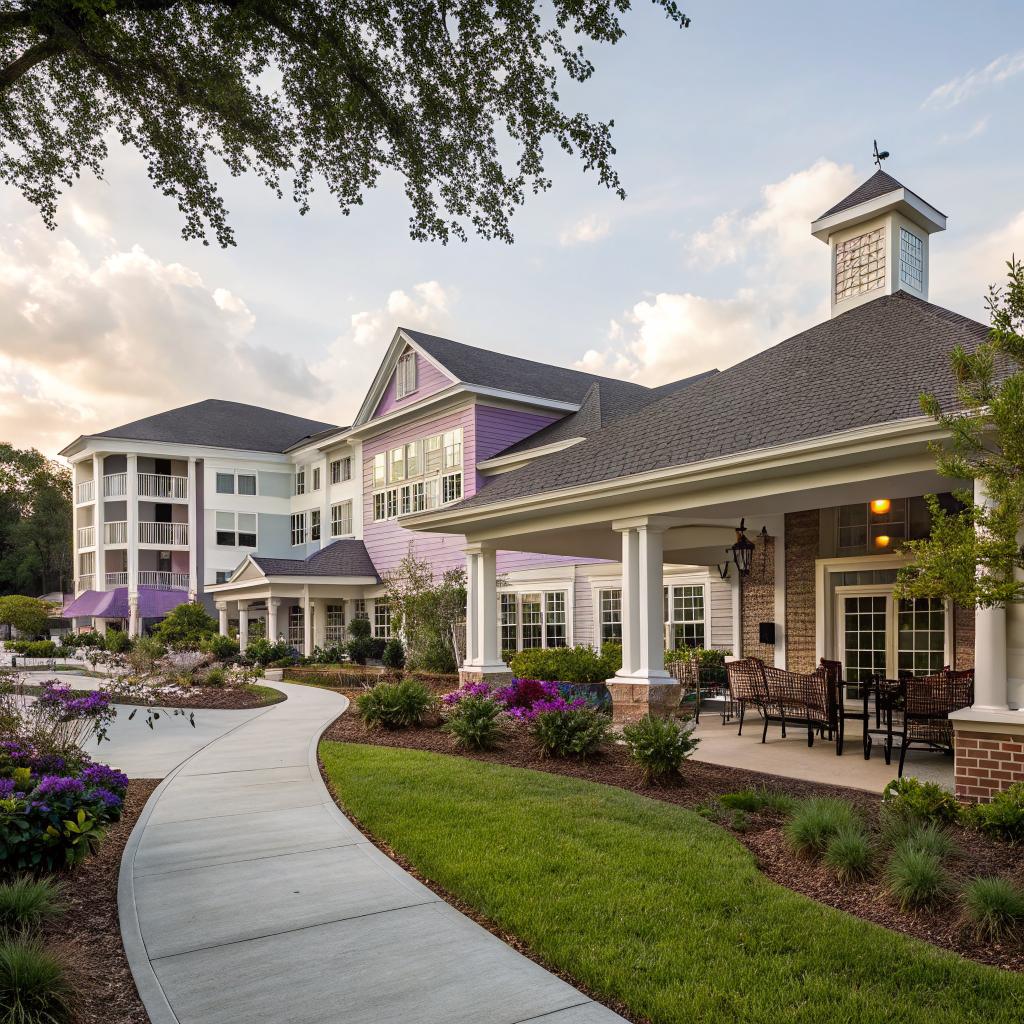
That statement is false, and it can lead to poor choices. Senior living in Charleston varies a lot in cost, services, atmosphere, and staff approach. If you want comfort and real care, you have to look closely at the details, visit in person, and ask direct questions. A good starting point is to compare communities that specialize in comfort and daily support, such as senior living Charleston SC options, then match what they offer with what you or your family member actually needs right now, not in some vague future. The short answer is this: the right senior living setting in Charleston should feel safe, respectful, and calm, and it should give both the resident and the family room to breathe.
I want to walk through this in a way that feels real, not like a brochure.
If you are reading this, you might be in one of a few spots. Maybe your parent is starting to forget appointments and medication. Maybe your spouse needs help getting dressed or showering, and you are exhausted and a bit guilty for thinking about senior living. Or you are planning ahead for yourself and want more comfort, less home maintenance, and more peace of mind.
Charleston is a beautiful place to grow older, but beauty alone does not help at 2 a.m. when you are worried about a fall or wandering. That is where the right type of senior living comes in. Some people only need a bit of help with meals and housekeeping. Others need a secure memory care setting. Mixing those needs up, or waiting too long, can make life harder than it has to be.
I remember touring a community with a friend who was moving her father. The lobby looked like a hotel, everyone smiled, and the pastries were good. She almost signed the papers on the spot. Then she asked one simple question about nighttime staffing, and the mood changed. The staff member hesitated, then admitted that at night there were fewer aides than she expected. She walked away and found a better fit. That small moment shows why details matter more than glossy surfaces.
Charleston has plenty of options, but also some confusion. Terms like “assisted living,” “memory care,” “independent living,” and “rehab” sometimes blur together in conversations. People say “nursing home” when they mean “assisted living,” which is actually quite different. This guide tries to sort that out and keep the focus on comfort and care, not jargon.
Comfort in senior living is not only about soft chairs and nice meals. It is about feeling safe, heard, and unhurried in everyday life.
You might already know what you want. Or you might be unsure and second guessing everything. That is normal. Let us go step by step and look at what senior living in Charleston can offer, what to watch for, and how to balance comfort and care without losing your own sanity in the process.
What “Senior Living” Really Means in Charleston
The phrase “senior living” covers several different setups. In Charleston, you will most often see four broad types, though not every place offers all of them:
Independent living
This is for older adults who can manage most things on their own but want fewer chores. Think of it as apartment living with extras like meals, activities, and some transportation. Staff do not provide regular hands-on care. It suits someone who:
– Manages medications alone
– Moves safely without much help
– Wants social life and convenience more than daily care
Independent living can be a smart early move. If someone is already lonely at home or tired of cooking and cleaning, moving earlier can keep them stronger longer. People often wait too long because they think “I am not old enough yet,” then end up moving only after a crisis.
Assisted living
Assisted living is more care centered. Residents live in private or semi-private apartments, but staff help with daily tasks. These tasks can include:
– Bathing and dressing
– Medication reminders or administration
– Meal preparation and serving
– Housekeeping and laundry
– Getting to and from activities or dining
The atmosphere is usually homelike, not clinical. There are call buttons, care plans, and nurses or nurse supervisors. Some communities feel quiet and relaxed, others are more active. I think style matters, but fit matters more. The best place is the one that handles your specific needs without making you feel rushed or like a number.
Memory care
Memory care communities, or secured memory care wings, support people with Alzheimer’s or other forms of dementia. Safety is a big piece, since wandering and confusion can lead to injury. Doors are secured, outdoor areas are enclosed, and staff are trained to handle behaviors like:
– Repeated questions
– Agitation or sundowning
– Resistance to bathing or medication
– Nighttime wakefulness
The goal is not just to keep people “contained” but to create a calmer, structured day. Good memory care in Charleston will have routines, quiet spaces, and staff who speak slowly and gently. Families often say they wish they had made this move earlier once they see their loved one relax a bit in a supportive setting.
Skilled nursing and rehab
Hospitals often send people to short term rehab after surgery or illness. This is different from assisted living. Rehab centers and long term nursing homes provide medical care from nurses, therapists, and doctors. They handle complex medical needs like:
– Wound care
– IV medications
– Feeding tubes
– Complex mobility issues
You might move from rehab to assisted living once recovery is stable. For long term comfort and a sense of home, many families aim for assisted living or memory care, not long term institutional care, if medical needs allow.
What Comfort Really Looks Like For Seniors In Charleston
Comfort sounds simple, but when you look closely, it has several layers. A comfortable senior living setting in Charleston usually pays attention to at least these areas.
Physical comfort
This is the obvious one, but still worth spelling out. Is the bed comfortable? Are the chairs supportive? Are hallways wide and free of clutter? Are there handrails where they are actually needed, not just where they look good?
Room temperature matters more with age. Many older adults feel cold more often. A good community will not scold someone for wanting the heat higher. It will offer extra blankets, room controls, and clothing suggestions.
Noise level is part of physical comfort too. Constant loud TV in common areas, blaring music, or slamming doors can be tiring. When you tour, listen as much as you look.
Emotional comfort
This part is harder to measure, but you can feel it. Ask:
– Do staff address residents by name?
– Do they kneel or sit to speak at eye level?
– Is there laughter that sounds natural, not staged?
Emotional comfort also means not feeling like a burden. Many older adults worry they are “trouble” for their kids. A good community tells them, in words and actions, that they are welcome and valued. Even small rituals like morning greetings or consistent caregivers can reduce anxiety.
Real comfort in senior living shows up at small moments: an aide taking time to chat while helping with socks, a nurse remembering a favorite snack, or someone noticing a new bruise before it turns into a fall risk.
Social comfort
People differ. Some want lots of activities. Others prefer quiet and a small circle. Comfort here is about having a choice instead of being pulled into group events all day or left alone in a room.
Look at:
– Activity calendar: Does it offer variety? Not just bingo, but also discussion groups, gentle exercise, crafts, music, and maybe faith based options.
– Meal seating: Are residents forced into the same spots, or can they choose where to sit and with whom?
– Spaces: Are there quiet corners for reading, not just big active rooms?
In Charleston, many communities bring in local musicians, church groups, and school visitors. Some have outings to the waterfront or nearby parks. Ask whether participation is optional or expected. It seems minor, but choice matters a lot to dignity.
Spiritual and cultural comfort
Charleston has a strong faith presence and a mix of cultures. Some seniors care deeply about attending services, prayer groups, or Bible studies. Others want none of that. Comfort means the community respects both sides.
Ask:
– Are there regular worship services or visits from local clergy?
– Can residents watch services on TV or online if they prefer?
– Are holiday traditions handled in a simple, respectful way?
Food is cultural too. Southern cooking can be comforting, but many seniors also have dietary restrictions. A good kitchen can balance taste with medical needs like low sodium or diabetic friendly options.
Levels Of Care: How To Match Needs To Support
One of the hardest parts is knowing when it is time to move from “I am okay at home” to “I need more help.” Families often delay because no one wants to admit change is happening. But comfort and safety usually improve once the right support is in place.
Here is a basic comparison of what care levels often look like. Every community will be a bit different, but this can give you a sense of how they compare.
| Type of living | Who it suits | Typical support |
|---|---|---|
| Independent living | Active seniors with few medical needs | Meals, housekeeping, activities, light transportation |
| Assisted living | Seniors who need help with daily tasks | Bathing, dressing, medication help, meals, 24/7 staff |
| Memory care | Seniors with dementia or serious memory loss | Secure setting, structured routines, behavior support |
| Skilled nursing | Seniors with high medical needs | 24/7 nursing, rehab therapies, complex medical care |
If you are unsure where you or your loved one fit, watch daily life for a few weeks. Sometimes keeping a simple log helps. Write down:
– Missed medications
– Falls or near falls
– Skipped meals
– Confusion about date, time, or location
– Panic or anxiety episodes
– Wandering or getting lost, even in familiar places
When these issues become frequent, home might not be the safest or most comfortable option anymore, even if it still feels “familiar.”
Cost Of Senior Living In Charleston And How To Think About It
Money is one of the main reasons families hesitate. They may feel guilty choosing a paid community instead of “keeping Mom at home,” even when they are exhausted. But home care has costs too, both financial and emotional.
What affects cost
Senior living costs in Charleston vary based on:
– Level of care: Memory care usually costs more than standard assisted living.
– Apartment size: Studios cost less than one or two bedroom units.
– Services: Extra care, escorts, or private duty aides add to the bill.
– Location and building age: Newer or more central buildings often charge more.
Some communities bundle care into one rate, others charge a base fee plus care tiers. Be careful with quotes. Ask what is included and what raises the rate.
Comparing home vs senior living costs
Many families only compare rent at a senior living community with their current mortgage or rent. That is not enough. At home you also have:
– Property tax
– Utilities
– Groceries
– Home repairs
– Lawn care
– Transportation
– Home health aide hours if needed
If you add home aide hours at even a modest rate, the monthly cost can quickly match or pass an assisted living rate. The big difference is that senior living bundles many of these pieces into one payment and adds 24/7 backup.
Ways families pay
Most senior living costs are paid privately. Common sources include:
– Social Security income
– Pensions or retirement accounts
– Sale of a home
– Long term care insurance, if someone bought it years earlier
– Help from family members
– Veterans benefits for those who qualify
Medicare does not pay for room and board in assisted living or memory care. It only covers medical services. That can be frustrating, but it is reality, and it is better to face it early when planning.
When Memory Care In Charleston Makes Sense
Memory loss is one of the hardest changes for families. People often promise never to place a loved one in “a home,” then find themselves overwhelmed by wandering, aggression, or sleep loss. It is okay to change your mind when safety and well being are at stake.
Here are signs that a Charleston memory care setting might be the right move:
Safety is at risk daily
Examples include:
– Leaving the stove on
– Trying to leave the house at night
– Getting lost in the neighborhood
– Letting strangers into the home
You can install locks, alarms, and cameras, but there is a point where a secure setting with trained staff is kinder than constant scolding or lock downs at home.
Caregiver burnout
If the primary caregiver is not sleeping, skipping their own medical appointments, or feeling hopeless, the system is breaking down. People sometimes ignore their own health to “keep Mom at home.” Then they land in the hospital themselves.
Memory care can give everyone a reset. You still visit, help, and love, but you are not the only one on duty.
Behavioral changes
Dementia can cause:
– Aggression
– Hallucinations
– Rapid mood swings
– Suspicion and accusations
Trained memory care teams see these daily. They know when to call the doctor, when to redirect, and when to offer quiet instead of argument. At home, these episodes can strain relationships that used to be close and warm.
What To Look For When You Tour Senior Living In Charleston
Brochures and websites are polished. Real life is what you see, hear, and smell when you walk through the building unannounced, if possible.
Here are some practical things to check. This is one place where a list can be useful, so I will use one.
Environment and cleanliness
- Are hallways, dining rooms, and bathrooms clean and free of clutter?
- Do residents look clean, with hair brushed and clothes fresh?
- Is there any strong odor that lingers, not just a brief medical smell?
- Are lights bright enough for safety but not so harsh that they feel like a hospital?
Staff behavior
- Do staff greet residents by name without prompting?
- How do they react to a resident who is confused or upset while you are there?
- Are staff rushed or do they have a moment to chat?
- Is management visible or hidden away in offices?
Resident mood
- Do residents look mostly engaged or mostly parked in front of a TV?
- Is there a mix of activities or just one thing happening?
- Can you picture your loved one fitting in here, or would they feel out of place?
Food and dining
- Ask to see a current menu, not a “sample” menu created months ago.
- If possible, eat a meal there yourself.
- Watch how staff handle residents who eat slowly or spill food.
A small personal note here: I once watched a dining aide gently help a man who dropped his fork over and over. She never sighed, never scolded. She just picked it up and joked lightly. He smiled. It took longer than it “had to,” but that is care. Those are the moments that tell you more than the framed awards on the wall.
Questions To Ask About Care And Comfort
You do not need to be an expert to ask strong questions. Bring a notebook and write down answers. Here are some to consider.
Staffing and training
– What is the staff to resident ratio during the day and at night?
– Are nurses on site 24/7, or only on call?
– How are new aides trained, especially for dementia behaviors?
– How long do staff usually stay here, or is turnover high?
Care plans and communication
– How do you create a care plan for a new resident?
– How often do you review and adjust that care plan?
– How will you contact me about changes in health or medication?
– Is there a portal or regular family meeting time?
Medical support
– Which doctors visit the community, if any?
– How do you handle a fall or sudden illness?
– What hospital do you usually use for emergencies?
Daily life
– Can residents wake and sleep on their own schedule, or is it fixed?
– Are visitors welcome in the evenings or on weekends?
– Are there quiet hours?
Ask at least one question that makes you a bit nervous. The answer will tell you more about honesty and culture than any brochure ever will.
If an answer is vague, ask for a specific example. If the person seems annoyed by your questions, that is useful information too.
Planning The Move: Comfort From Day One
Even the best senior living community can feel strange at first. Most people do not like change, and leaving a long time home can feel like a loss. But you can make the move smoother.
Involve the person as much as possible
If your loved one can participate, bring them to tours. Ask their opinion on:
– Room layout
– Furniture to bring
– Favorite chair or photos
– Quilt or bedding that makes it feel like “theirs”
Do not decide everything for them unless you have no choice. Control over small things can protect dignity.
Start with familiar routines
Share a short “about me” page with staff. Include:
– Preferred wake up time
– Coffee or tea habits
– Hobbies
– Things that comfort them
– Topics or triggers to avoid
This helps staff talk to them as a person, not just “a new resident in room 204.”
Visit, but give space
After move in, regular visits help. But being there all day every day can make adjustment harder. Try a steady pattern, like several short visits each week at different times. This lets staff build their own relationship with your loved one too.
Balancing Independence And Help
One fear many seniors share is “losing independence.” Senior living can actually protect independence by preventing crises. A fall that never happens because there is a grab bar and an aide nearby is one less hospital stay, one less decline.
Still, there is a balance. If staff do everything, muscles weaken and confidence drops. If they do too little, risk rises.
Good communities talk about “doing with, not doing for.” That means:
– Letting someone dress themselves as far as they are able, then helping with buttons or shoes only if needed.
– Offering a walker as a support tool, not as a symbol of frailty.
– Encouraging participation in simple tasks like folding towels or setting tables, if the person enjoys that.
You can ask during tours:
– How do you decide what to help with and what to leave to the resident?
– Can we adjust support up or down over time?
Listen for a flexible answer instead of a one size fits all script.
Charleston Specific Factors: Weather, Family, And Community Ties
Charleston has some unique conditions that matter for senior living.
Heat and humidity
Summers are hot and humid. Older adults can overheat quickly or get dehydrated. Ask:
– How do you handle hydration in summer?
– Are outdoor activities adjusted on very hot days?
– Are rooms individually climate controlled?
Storm planning
Hurricane season is real. A serious community will have written evacuation or shelter plans. They should be able to explain:
– How they communicate with families during storms
– Where residents go if they must leave the building
– How medical records travel with them
If the answer feels vague, keep looking.
Family access
Many families in Charleston are spread out along the coast or in nearby towns like Summerville. Distance affects visit patterns. Pick a location that your likely visitors can reasonably reach, not just the prettiest spot on a map.
Ask about:
– Visitor parking
– Visiting hours
– Virtual visit options, such as video calls that staff can help set up
Red Flags That Signal A Poor Fit
No place is perfect, and a grumpy resident or two does not mean a community is bad. But some patterns should give you pause.
Watch for:
– Residents calling for help and waiting a long time
– Staff talking about residents in front of them as if they are not there
– Confusion about billing or hidden fees
– Frequent recent management changes
– Staff who seem afraid to answer direct questions
Trust your gut. If something feels off and you cannot shake the feeling, you probably will not relax enough to feel good about leaving a loved one there.
How To Talk About Senior Living With A Loved One
The conversation itself can be harder than the research. Many older adults react with fear or anger when senior living comes up. They picture an old style nursing home, not modern assisted living or memory care.
Some ideas that can help:
Start early
Do not wait for a hospital crisis. Bring up the topic gently while things are still relatively stable. You might say:
– “What would you want if stairs get harder?”
– “How do you feel about help with meals or housekeeping in the future?”
You do not need to get an answer on day one. Plant the seed.
Use real examples
If a neighbor fell at home or a family friend moved to assisted living, talk about it. Ask what your loved one thought of their choice. Sometimes people are more open minded than you expect, but they are afraid to bring it up themselves.
Acknowledge loss and fear
Telling someone “Do not worry, it will be great” rarely helps. It can feel dismissive. It might be better to say:
– “I know this feels like a big change.”
– “I cannot promise it will be easy right away, but I think it can be safer and calmer for you.”
Honesty builds trust.
Common Questions About Senior Living Comfort And Care In Charleston
Q: How do I know if it is “time” for senior living?
A: There is rarely a single perfect moment. Look at patterns. If safety issues, skipped medications, or caregiver burnout are common, it is probably time to start serious tours and planning. Waiting for a crisis usually leaves fewer choices and more stress.
Q: Will my parent be lonely in senior living?
A: Some adjustment time is normal. Many people are quiet in the first weeks. Over time, most residents become less lonely than they were at home, simply because there are more chances to see other people and join activities. The key is to pick a place with a pace and style that fits their personality.
Q: Can someone “age in place” in assisted living, or will they have to move again?
A: It depends on how their health changes and how much care the community can safely provide. Many people stay in the same Charleston assisted living or memory care community for years, even as needs increase. Ask what happens if care needs rise, and what the limits are.
Q: What should I bring to make a new apartment feel like home?
A: Bring familiar things: a favorite chair if it fits, photos, a quilt, a lamp they love, books they read often, and a small radio or music player. Try not to crowd the space. Being able to move safely is more comforting than being surrounded by every object from the old house.
Q: Is it selfish to look at senior living because I am tired of caregiving?
A: Feeling tired and overwhelmed does not mean you love your parent or spouse any less. It means the care level they need has grown past what one person can provide without harm. Senior living can be a way to share the load so that your role shifts from exhausted caregiver to involved family member again. In many cases, the relationship improves once everyone is less stressed.
If you imagine your life one year from now, what would comfort and good care in Charleston look like for you and your loved one?
