
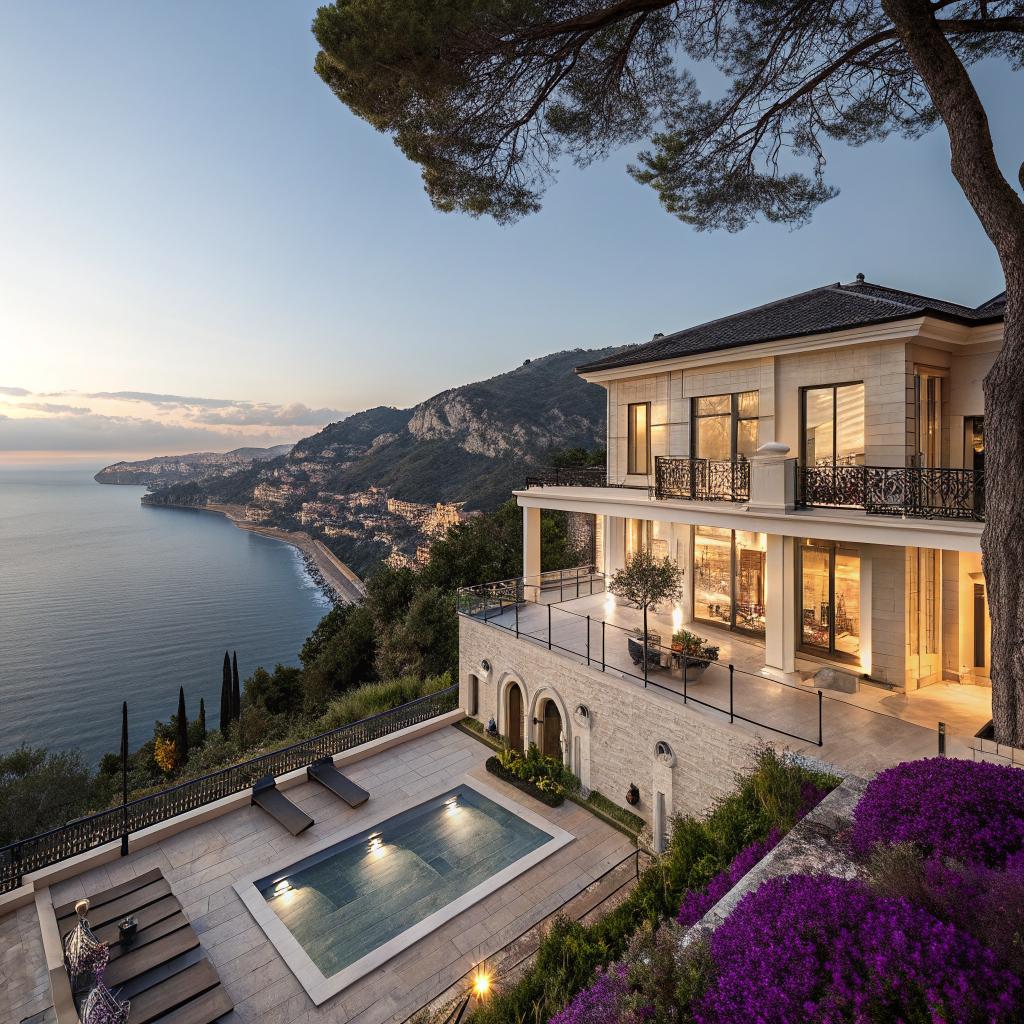

“Property in Monaco is only for billionaires, and unless you have an unlimited budget, you should not even bother looking.”
That sounds convincing at first, but it is not fully true. You do need serious funds to buy property for sale in Monaco, of course, yet the market is broader and more nuanced than that one sentence suggests. If you are considering property for sale in Monaco, there are ways to move from vague dream to clear, step by step plan. Prices are high, but there is a spectrum. Studios, one bedroom apartments, family apartments, penthouses, and even rare villas all exist in a very small area, and they do not all look or feel the same.
When I first looked at price reports for Monaco, my reaction was simple: “No chance.” The numbers felt distant, like reading about private jets. Then I spoke with a broker who lived in a compact 35 square meter apartment and loved it. That short chat changed the picture. Monaco is expensive, yes, but it is also a real place where real people live, work, walk their kids to school, and argue over parking. If you treat it only as a fantasy, you miss what actually makes ownership there interesting.
You might be asking a very basic question: Why would anyone pay multiple millions for an apartment that, in another city, might cost half? Part of the answer is emotional. People like the idea of living where the sea, security, and status meet in one tiny state. Part of it is more practical. Low personal income tax, stable government, strong infrastructure, and a long track record of attracting wealth all support demand.
At the same time, the idea that “everything sells itself” is a bit romantic. Properties that are priced too high can sit. Views matter. Building reputation matters. Renovation quality matters. The right floor, exposure, and layout can make two similar apartments feel completely different, and it shows in the final sale price.
“All Monaco apartments are more or less the same: small, shiny, and overpriced.”
This is another shortcut that hides the real picture. Monaco is small but very varied. Old Belle Epoque facades stand next to 1970s blocks and new glass towers. Some buildings feel like classic Riviera residences, with wide terraces and older layouts. Others are compact, efficient, and modern. You find quiet residential pockets a short walk from the main harbor, and you also find streets that feel busy at nearly any hour.
Let us unpack how this tiny state works as a property market, what kinds of homes are actually for sale, and how you can approach a search with a bit more clarity and a bit less myth.
Why Monaco property is so expensive, and why buyers still line up
You do not need a long economic paper to understand Monaco pricing. Three basic facts explain much of it.
There is very limited land.
There is strong, international demand.
There is a layer of lifestyle and tax benefits on top.
Monaco covers around 2 square kilometers. A few football fields here, a few there, and that is nearly it. The sea blocks expansion on one side, France on the other. Land reclamation projects like Portier Cove add a bit of space, but not enough to change the basic rule: supply is tight.
On the demand side, you have wealthy individuals from Europe, the Middle East, Asia, and the Americas looking for a safe, stable place to base themselves or at least spend part of the year. Personal income tax is not applied to residents (with some exceptions such as US citizens under US law), and this alone attracts many. Combine that with strong security, a very clean public environment, good schools, and proximity to Nice airport, and the draw is clear.
Property is a key entry point. If you want Monaco residence, you usually need a lease or a property purchase that matches your lifestyle. That naturally supports the sales and rental markets.
There is another element that people sometimes forget. Monaco has a long record of resilience. During wider economic shocks, prices might pause or adjust, but the principality has not experienced the deep, long downturns that some other markets faced. Long term owners like that pattern. It feels boring, in a good way.
Overview of property types in Monaco
Monaco is known for apartments, and for good reason. Most buyers will look at apartments first. Still, there is more variety than you might expect for such a compact area.
Studios and one bedroom apartments
These are common entry points for individuals and for investors. A studio near the center might be under 30 square meters, sometimes even less. Clever design can help, but space is tight. For many buyers, this is fine, because the goal is residence status, a base on the Riviera, or a rental investment.
One bedroom apartments open things up slightly. You get separate living and sleeping spaces, which matters if you plan to spend more time there.
People often ask: “Is a studio too small to enjoy?” That depends on how you live. If you spend most of your time outside, at work, or traveling, a well placed small apartment with a balcony can feel surprisingly comfortable. If you work from home full time, space might start to feel pinched.
Family apartments: two to four bedrooms
Once you look beyond one bedroom units, the number of options thins out but remains meaningful. Two bedroom apartments suit couples who want an office or a guest room, or small families. Three and four bedroom apartments appeal to larger families or buyers who like to entertain.
These properties often come with larger terraces, more storage, and sometimes better views because they are placed on higher floors. They are also the kind of homes people hold for longer, which can reduce supply.
Many family apartments sit in residential districts like Fontvieille, parts of La Rousse, or the Jardin Exotique area. Each has a slightly different character. Some are quieter and more “local” in feel, others are closer to main shopping streets and office areas.
Penthouses and duplexes
This is the top of the market in most buildings. Penthouses can feel like villas in the sky, with large wraparound terraces, private pools or jacuzzis, and huge glass surfaces facing the sea. Duplex layouts spread living and sleeping areas across two levels, sometimes with internal staircases that create a more “house like” feeling.
Not every penthouse is a huge palace. Some are more modest in size but still carry the appeal of top level privacy and views.
These homes often attract buyers who already own property elsewhere and want something special in Monaco rather than a simple pied a terre.
Villas and townhouses
Villas in Monaco are rare. Many have already been bought, rebuilt, or converted. The few that trade can command very high prices per square meter, because you join a very small group of owners.
Townhouses or small private homes can sometimes be found in areas like the Jardin Exotique or around the old town surroundings, but they are not common. When one enters the market, serious buyers tend to know fast, because local agents keep close track.
“If you are not buying an apartment directly on the sea, you are making a mistake.”
This is one of those strong opinions that sounds confident. The truth is more mixed. Sea front properties are beautiful and rare, but you pay for each extra meter of view. For some buyers, a well planned apartment a bit further back, but closer to offices or schools, fits life better. You might trade a perfect sea view for easier daily routines and a lower entry price.
Main districts to look at for Monaco property
Monaco is divided into several districts, each with its own feel. You do not need to know every street by heart, but a rough sense of areas helps you decide where to focus.
Monte Carlo and Carré dOr
This is the area most people picture when they think of Monaco. The Casino, designer boutiques, grand hotels, and many of the most known buildings sit here.
Properties in or near the Carré dOr often have:
– Prime central position
– High quality finishes
– Strong demand for both rentals and resale
Prices here tend to stand at the upper end of the scale. Some buyers accept smaller living areas in exchange for this address and the ability to walk to almost everything.
Larvotto
Larvotto borders the main public beach. Recent redevelopment has improved the promenade, restaurant offer, and general atmosphere. Apartments facing the sea here can be very attractive for people who value quick beach access and wide water views.
The area is also popular with families who like being close to the sea and flat walking routes.
Fontvieille
Fontvieille is a more recent extension of Monaco on reclaimed land. It has a different mood, a bit calmer, with a mix of residential buildings, offices, and a small harbor. You find supermarkets, sports facilities, and parks nearby.
Many family apartments are located in Fontvieille. Buyers who want a practical lifestyle often like the combination of services and relative calm.
La Condamine and Port Hercules
This area wraps around the main harbor where the Formula 1 grid forms. It has a more “village” feeling in some streets, with markets, cafes, and a bit more everyday life. Apartments can have direct harbor views or be set a bit back.
If you like the image of watching the Grand Prix from your balcony, this is the area that tends to appear in your daydreams. Just remember that events bring noise and crowds at times, which some people enjoy and others dislike.
Jardin Exotique
This district sits higher, on the slope above the main city. Many buildings benefit from wide, open views across Monaco and the sea. The trade off is that you walk or drive down to reach the center and the harbor.
Prices per square meter can be more accessible here than in the Carré dOr, while still offering high quality apartments. For space focused buyers, this area can be worth a careful look.
Typical price ranges and how to read them
Public reports often give average prices per square meter, which can be useful but also misleading. A single average number hides the difference between an outdated ground floor unit and a fully renovated penthouse with a large terrace.
Here is a very simplified snapshot of how prices often stack up. These are ballpark figures, for orientation only, and real cases can sit above or below these bands depending on condition, building, and timing.
| Type of property | Approximate price range per m² | Typical buyer profile |
|---|---|---|
| Studio / 1 bedroom (secondary streets) | 45,000 – 60,000 EUR | Single professionals, first Monaco buyers, investors |
| 2 bedroom (good building, mid level) | 55,000 – 75,000 EUR | Couples, small families, mixed use (living and renting) |
| Prime sea view apartment | 70,000 – 90,000+ EUR | High net worth individuals, residence driven buyers |
| Penthouse / trophy property | 90,000 – 120,000+ EUR | Ultra high net worth, collectors, family offices |
When you see a price per square meter, it helps to ask yourself:
– Which district is this in?
– How old is the building, and what is its reputation?
– What floor is it on, and what are the views?
– Is it freshly renovated, or will you need to invest more?
Two properties with the same surface can easily show a 30 percent price difference if these factors vary.
New developments vs older buildings
There is often a quiet split in the Monaco market between buyers who want new, modern buildings and those who prefer older residences.
New or recently built residences
Newer projects often bring:
– High ceilings and large windows
– Modern amenities like gyms, pools, or concierge services
– Secure underground parking
– Energy efficient windows and systems
They tend to appeal to buyers who value easy living and do not want to manage structural upgrades for many years. Finishes can be very high end, and common areas are usually well designed.
On the other side, these projects can come with higher service charges. Some people also feel that certain new buildings are a bit “global” in style and less tied to traditional Riviera charm. This is a matter of personal taste.
Older residences with character
Historic or mid 20th century buildings can offer:
– Thicker walls and a different acoustic feel
– More generous room proportions in some cases
– Facades with classic or Belle Epoque details
They may sit on prime plots that are impossible to match today. The trade off is that elevators, plumbing, windows, and common areas might need more regular upgrades. Service charges can still be high, but for different reasons.
Investors often look at older apartments that need renovation, because a high quality update can add strong value in a market where many buyers like “turn key” homes. Yet renovation in Monaco comes with strict rules, building approvals, and practical limits. It is not always fast.
Buying property in Monaco: steps and timeline
The buying process in Monaco is structured but not overly complex if you have the right support. The outline below is a general guide rather than a strict rulebook.
1. Define your goals and budget
This sounds obvious, but many people skip it in detail. Ask yourself:
– Is your main goal residence, investment, lifestyle, or a mix?
– How much capital do you want to tie up in Monaco relative to other assets?
– How long do you plan to hold the property?
If residence is a strong driver, you also need to match Monaco’s banking and proof of funds expectations, which can shape how you structure the purchase.
2. Speak with local experts early
Talking with a Monaco based agent and possibly a local notary or lawyer early can save time. They can explain:
– Which districts fit your life and budget
– Which buildings fit your preferences
– How current demand looks in your range
There is also a practical point. Some of the best apartments never appear widely online. Owners prefer discreet marketing, and agents match them with pre qualified clients. If you only rely on public listings, you might miss part of the real supply.
3. Property viewings and shortlisting
Once you have a rough idea of your direction, real visits help much more than photos.
Some advice that sounds simple but matters in Monaco:
– Pay attention to ceiling height, terrace depth, and storage. Small differences change daily comfort.
– Listen to street noise with windows closed and open. Event routes can bring seasonal sound.
– Check which direction the main rooms face. Morning or afternoon light can matter in apartments that are not huge.
After a few visits, you will likely see a pattern. You might find that you value view more than extra room, or the reverse. That helps focus the search.
4. Making an offer
When you find a suitable property, you usually make a written offer, sometimes through a simple offer letter. Your agent can advise on a realistic price based on recent comparable sales, the owner’s position, and how long the property has been on the market.
In Monaco, negotiation can be firm. Some sellers prefer to wait rather than accept a discount, especially for rare properties. Others are more flexible if they need liquidity for another project.
5. Preliminary contract
If your offer is accepted, the next step is typically a preliminary sales agreement signed with a notary, along with a deposit (often around 10 percent of the price). This contract fixes the main terms and sets a timeline for completion.
At this point, financing must be well advanced if you plan to use a mortgage. Monaco and some neighboring banks are active in this space, but they have their own criteria for non resident clients.
6. Final deed and transfer
The notary prepares the final deed, checks title, any charges, and conducts the formalities. On the agreed day, you sign the deed, transfer the balance of the price and fees, and receive the keys.
From start to finish, a straightforward purchase can take a few months. If you involve complex financing, structuring through companies or trusts, or residence applications in parallel, the timeline stretches.
Costs beyond the purchase price
Many buyers think first in terms of headline price per square meter. That is understandable, but the full cost structure has a few more parts.
Notary fees and registration
For existing properties, you usually face around 6 to 7 percent total for notary fees and registration taxes. On new properties bought from a developer, the structure can differ, with VAT applied instead of some transfer taxes. A local notary can provide clear breakdowns for your case.
Agency fees
Sales agency fees are common in Monaco and are usually paid by the buyer, although arrangements can vary. They are often around 3 percent plus VAT. This should be confirmed before you sign any mandate.
Service charges
Each building has monthly or quarterly service charges to cover common costs such as:
– Concierge or guardian
– Cleaning and maintenance of common areas
– Heating and cooling systems
– Pool, garden, or gym if present
In a basic residence, charges might feel manageable. In a full service luxury building with 24 hour concierge, pool, and more, they can be high. Over years, the difference matters, especially if you see the property as an investment.
Taxes and ongoing expenses
Monaco does not apply property tax in the same way many countries do, but you still face:
– Insurance
– Utilities (water, electricity, internet)
– Possible wealth or income tax in your home country, depending on your personal situation
Because these cross border issues can be complex, many international buyers speak with a tax advisor who understands both Monaco and their home country rules.
Investing in Monaco property: lifestyle and returns
Some buyers focus on numbers, others on lifestyle, most on both. It helps to see how a Monaco property might fit as an investment, beyond the simple “I might make a gain someday.”
Rental potential
Monaco has a strong rental market, driven by:
– Professionals working in finance, services, and events
– Families relocating for residence and schools
– Seasonal demand on top of long term demand
Smaller apartments near offices and main transport links can be easier to rent quickly. Larger family homes and sea view properties attract a more specific audience but can command higher rents.
Yields, if you look purely at rent divided by purchase price, are not high compared to some other markets. The appeal lies more in stability, low vacancy for the right properties, and the combined value of residence and lifestyle.
Long term value protection
Many owners see Monaco as a store of value. They are not chasing high yields. They want:
– A home that can be used or left to children
– Exposure to a market that has held up through several global shocks
– A base in a place with strong rule of law and low crime
This mindset helps explain why supply of quality properties can feel tight. Owners do not always sell when markets wobble. They often prefer to hold or rent.
Diversification in a wider portfolio
If you already hold real estate in your home country, buying in Monaco spreads your exposure. It links part of your property wealth to a very specific, international micro market that does not behave exactly like larger cities.
Of course, concentration risk exists too. Monaco is tiny. If policies changed sharply, the market could feel it. There is no perfect shield. That is why some buyers pair Monaco property with investments in more liquid assets elsewhere.
Common mistakes buyers make in Monaco
Over time, certain errors appear again and again. Being aware of them keeps your search grounded.
Chasing only the lowest price per m²
It is tempting to hunt for the cheapest price per square meter and call it a smart deal. The risk is that you end up in a building or location that future buyers avoid. Liquidity matters, especially if you are not sure how long you will own.
Sometimes paying a bit more per square meter in a better building leads to a stronger, more liquid asset.
Ignoring daily life details
Future owners sometimes focus so much on views and terraces that they overlook small details like:
– Storage for luggage and sports gear
– How you will reach your parking space daily
– The distance to your childs school or your office
These mundane factors shape your mood far more than marble in a bathroom.
Underestimating renovation time and cost
Buying a property that “needs work” can seem smart. You pay less, invest in upgrades, and enjoy the result. In practice, many people underestimate:
– Approval times for works in certain buildings
– The availability of contractors
– The price of high quality materials and custom joinery in Monaco
If you are patient and plan well, renovation can work out. If you need a ready home fast, you may want to target apartments in good condition, even if headline price looks higher.
Relying only on online listings
As mentioned earlier, some of the most attractive properties circulate through private networks. Owners prefer not to advertise widely. Staying in touch with a well connected Monaco agent gives you access to that side of the market.
Practical tips for your property search in Monaco
A few simple habits can make your search smoother and help you feel more in control.
Spend time on foot in each district
It is easy to form an idea of Monaco from photos of the harbor and the Casino, but the city feels different up close. If you can visit:
– Walk the main streets at different times of day
– Sit in a local cafe and watch who passes
– Check noise levels during morning rush and late evening
By doing this, you might discover that an area you had on your list feels too busy or, surprisingly, calmer than you expected.
Track real examples, not just averages
Ask your agent or notary to show you a few recent closed sales near your target range. Seeing real cases with size, building name, view, and final price helps you judge asking prices more objectively.
Prepare your file
Monaco is serious about financial transparency. Having the following ready can speed things up:
– Bank references
– Proof of funds or financing capacity
– Basic identity and residence documents
For residence applications, further paperwork is needed, but as a property buyer you improve your position if owners see that you can complete without drama.
Think about exit options
Even if you plan to hold forever, ask yourself:
– Who would want to buy this property after me?
– Does it appeal to a broad audience or a narrow one?
– Are there any clear drawbacks that another buyer might use to negotiate hard?
This mindset pushes you to focus on assets with durable appeal, not only on your personal taste today.
Questions and practical answers about Monaco property
Is it realistic to buy in Monaco if I am not extremely wealthy?
It depends on what “extremely” means, but many buyers are not billionaires. If you are comfortable in the high six or seven figure range and have stable financials, a smaller apartment can be within reach. The key is to be honest about size and district compromises.
Can foreigners buy property in Monaco without restriction?
In general, yes. Monaco welcomes international buyers, and there are no broad nationality based limits like in some other markets. You still go through standard checks for funds and identity, but there is no blanket block based on passport.
How long does it take to complete a purchase?
For a straightforward cash purchase, a few months is typical from accepted offer to final deed. If you involve complex financing or corporate structures, the process can stretch, sometimes toward half a year. The notary guides the timeline.
Is it better to buy new or to renovate an older apartment?
There is no single right choice. New can be easier, with less work and modern services, but you pay for that comfort. Renovation can unlock value and allow you to shape details, but you need patience and a clear budget. If you dislike managing works, new or fully renovated units are safer.
What is the smallest property that still works well for daily life?
For many single professionals, a 30 to 40 square meter studio or one bedroom with a usable terrace can feel fine, especially if you are not at home all day. Couples often prefer at least one bedroom plus a small extra room or office. The key is layout. A well planned 35 square meter apartment can feel more livable than a poorly planned 45 square meter one.
Will Monaco property still hold value in the long term?
No one can promise future prices. The last decades suggest strong resilience, supported by limited land, high demand, and political stability. Could policies or global conditions change that balance? Of course. That is why many buyers treat Monaco as a part of a wider plan, not their only property bet.
If you think about all this, what role do you want a Monaco home to play in your own life and portfolio, and what kind of property would match that role best?
