
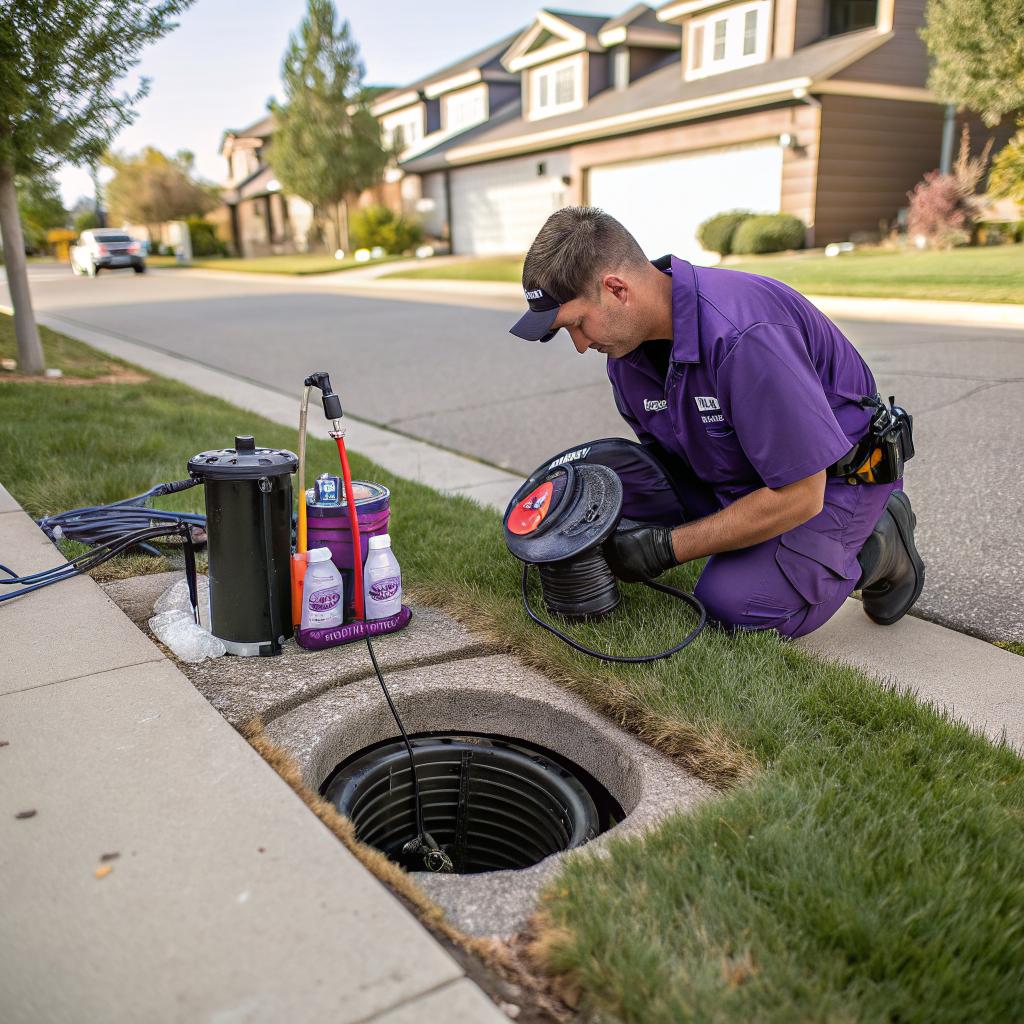

“As long as the water is still draining, you do not need a professional drain cleaning service.”
That sounds reasonable at first, but it is not true. Slow drains, gurgling sounds, and recurring clogs are early signs that your pipes are building up grime and blockages. If you wait until the drain stops completely, you risk bigger repairs, higher bills, and sometimes damage to floors or walls. If you want fast, reliable help, a local service that focuses on drain cleaning Arvada CO can clear the line, check what is happening inside the pipe, and help you avoid another sudden backup.
I think many people hope a drain will fix itself. You pour in a store cleaner, the water moves a bit better, and you feel like the problem is solved. Then a few weeks later, the same sink slows down again. That pattern is a sign that the clog was only softened on the surface, not removed. In Arvada homes, where you have older lines in some neighborhoods and lots of tree roots in others, that kind of quick fix rarely lasts.
A better way to look at drain cleaning is to treat it like maintenance for your plumbing, not just a reaction to an emergency. When you call a trained plumber, they can find out why your drain keeps slowing down. Is it grease? Hair? Soap scum? Tree roots? A section of pipe that has settled and now holds water? Each cause needs a different approach, and guessing at it with chemicals or a cheap store snake often makes things worse or just delays the real repair.
You do not have to become a plumbing expert, though. What helps is knowing what good service should look like, how fast is reasonable, and what you should expect from a company that claims to be both fast and reliable. That is what we will walk through here, step by step, with a focus on what actually happens in Arvada homes and small businesses, not in some perfect lab example.
Some of this may sound obvious, but I have seen people ignore small drain issues for months, then feel surprised when they end up needing partial pipe replacement. So if you are already dealing with a clog, or you are just trying to avoid one, stay with me and we will go through the practical side of getting drains cleaned the right way.
Slow drains are not just annoying; they are your plumbing system trying to tell you something is wrong.
If you listen early, you usually spend less, stress less, and your home stays cleaner.
Why drain problems are common in Arvada homes
Arvada is not a tiny town, but it is not a huge city either. You get a mix of older houses with cast iron or galvanized pipes and newer builds with PVC. That mix is one of the quiet reasons drain problems are so common here.
Older metal pipes rust from the inside and rough surfaces grab grease and debris. Newer plastic pipes do not rust, but they can sag a little if not supported well, which creates low spots where sludge collects. Add hard water, kitchen habits, hair, and the way modern households use more products in showers and sinks, and clogs become pretty normal.
A few things that often show up in local service calls:
– Kitchen drains packed with grease from cooking
– Bathroom sinks clogged with toothpaste, hair, and soap film
– Shower drains full of hair and shampoo residue
– Laundry drains slowed down by lint and detergent build up
– Main sewer lines invaded by tree roots from yards or city strips
I remember a homeowner in west Arvada who was sure his slow kitchen drain was a city sewer issue. He had lived in the house for ten years and never had a problem. When a plumber ran a camera, they found a long, sticky plug of old cooking oil and rice jammed about ten feet into the line. It took less than an hour to clear, and the city lines were fine. His drain habits were not.
That is a common theme: what you send into the drain matters a lot. A professional service can clear the line fast, but how long that result lasts often depends on what happens in the kitchen or bathroom the next day.
Fast vs rushed drain cleaning: knowing the difference
When you are standing in a bathroom with water up to your ankles, speed matters. Still, there is a big gap between fast and rushed.
A fast, reliable drain cleaning job usually has three stages:
1. A quick check to find the likely cause
2. The right tool used at the right access point
3. A short test afterward to confirm the drain is truly clear
A rushed job might skip the first and third parts. Someone arrives, shoves a cable a few feet into the pipe, gets a bit of water moving, and packs up. The drain may look fine for a few days and then slow down again, because the core of the clog is still there.
Here is a simple comparison that helps make sense of this.
| Good “fast” service | Rushed “fast” service |
|---|---|
| Asks questions about when the problem started and which fixtures are affected | Starts working with almost no questions |
| Chooses tools based on pipe size, material, and likely clog type | Uses the same tool on every call |
| Runs enough cable or jetting hose to reach the real blockage | Stops as soon as water seems to move, even if only partly |
| Tests multiple fixtures and checks for gurgling or backup | Runs one faucet for a moment and leaves |
| Explains what they found in plain language | Gives a vague answer like “just buildup” |
You deserve the first type of service, not the second. Fast does not mean careless. It means well prepared, with the right tools, and enough experience to know where to start.
Common types of drain cleaning used in Arvada
You will hear different terms when you talk to plumbers about drain cleaning. Some sound technical, but they are not as complicated as they seem. Here are the main methods you will run into, with plain explanations.
Hand augers and small snakes
These are the simple cables, sometimes with a crank handle, that work well on small clogs near a sink or tub.
A plumber might:
– Remove the trap under a sink
– Feed the cable directly into the line
– Turn the handle to break up or hook the clog
– Pull out hair or debris, then flush with water
They are good for short, local blockages. They are not strong enough for long lines or tree roots.
Motorized drain machines
For tougher clogs, pros use powered drain machines with thicker cables and special heads. These can clear:
– Long bathroom or kitchen lines
– Laundry drains
– Main sewer lines from the house to the street
Different cutting heads are used for different jobs. Some are shaped to scrape the inside of pipes, others to cut roots. A good technician will pick a head that matches your pipe size and the suspected clog.
Hydro jetting
Hydro jetting uses high pressure water to clean the inside of pipes. Think of it like pressure washing the pipe interior, but with controlled pressure so the pipe is not harmed.
This method is helpful when:
– Grease buildup coats the pipe walls
– Older clogs keep coming back
– There is heavy sludge in a long run of pipe
Hydro jetting is often used on main sewer lines or larger drains. It can restore pipe diameter far better than a basic snake, which often just punches a narrow path through a clog.
Camera inspections
A small waterproof camera on a flexible cable is pushed through the line. You and the plumber can see the inside of the pipe on a screen. This is especially useful when:
– Drains clog again soon after cleaning
– You suspect roots or a broken section of pipe
– You are buying a home and want to check the sewer
Camera work does cost more than a simple drain clear, but it can save money if it prevents repeat visits or points directly to a small section of pipe that needs repair instead of guessing.
If a drain problem keeps coming back, a camera inspection is often the shortest path to a real fix.
Without it, both you and the plumber are working half blind.
DIY drain cleaning vs hiring a pro in Arvada
It is reasonable to want to save money and handle simple things yourself. Some drain problems really can be handled at home. Others should not be, at least not beyond very basic steps.
Here is a practical way to think about it.
When DIY might be enough
You can safely try a few simple steps if:
– The problem is a single slow sink or tub
– The issue started recently
– Water still drains, just more slowly
In those cases, you might:
– Remove and clean the sink stopper
– Use a plastic hair removal tool in a bathroom drain
– Clean the P trap under the sink if you feel comfortable doing so
Avoid harsh chemical cleaners if you can. They often do not remove the whole clog and can weaken older pipes, plus they create a hazard if a plumber later needs to open the line.
When you should call a professional
Once you see any of these, it is time for a pro:
– Multiple fixtures backing up at the same time
– Toilets gurgling when you run a sink or shower
– Sewage odor inside the house
– Standing water that will not drain at all
– A clog that returns more than once in a few weeks
These signs point to a deeper issue, often in the main line or in pipes behind walls or under floors. Waiting or guessing at this point usually just adds stress and sometimes damage.
How a drain cleaning visit usually goes
Many people feel nervous about calling a plumber because they do not know what will happen or how long it will take. The reality is usually more simple than expected.
Here is a common visit flow for a typical Arvada home.
1. Short conversation and basic check
The plumber asks things like:
– When did you first notice the issue?
– Is it just one drain or several?
– Have you used any chemicals in the line?
They might flush toilets, run taps, and listen for gurgling. This quick check helps them decide if the problem is local to one fixture or in the main line.
2. Choosing an access point
Good techs try to work from a cleanout fitting if possible. That might be:
– A cap in the basement or crawl space
– A cleanout near the foundation outside
– A roof vent, in some cases
If that is not reachable, they may remove a toilet or use the trap under a sink. The goal is to reach the clog in the straightest path.
3. Running the machine or jetter
Once set up, they feed in a cable or jetting hose, working it through the line until they feel the blockage and then past it. This part can be quick or take longer, depending on how tough the clog is.
You might hear the machine or some vibration in the pipes. That is normal, as long as the tech seems in control and is not forcing things without thought.
4. Testing and cleanup
After the clog clears, they run a lot of water. Sometimes they will fill a tub and let it drain all at once to stress test the line. If the water moves well and there is no gurgling, that is a good sign.
Then they wipe up, reassemble any traps or toilets, and talk through what they found. This talk matters more than many people realize, because it tells you how to avoid the same problem.
A good drain cleaning visit should leave you with clear pipes and clear information, not just an invoice.
If you walk away unsure about what caused the clog, you may be back in the same spot sooner than you like.
How fast is “fast” for drain cleaning in Arvada
Response time depends on time of day, day of week, and how busy plumbers are, but there are some rough expectations that make sense.
| Situation | Reasonable response time | Typical on-site time |
|---|---|---|
| Single slow sink, no backup | Same day or next day | 45 to 90 minutes |
| Main line backup with toilets not flushing | Within a few hours, often same day | 1 to 2 hours |
| Sewage backing up into tubs or floor drains | Emergency response, as soon as possible | 1.5 to 3 hours, sometimes longer with jetting |
| Recurring clog needing camera inspection | Scheduled visit within several days | 1.5 to 3 hours |
If someone claims they can guarantee every job will be done in 20 minutes, I would be careful. Some clogs really are quick. Others are stubborn and need time and patience. Real speed is about fast arrival and a process that respects your time, not a fixed promise that every job is a five minute fix.
What affects the cost of drain cleaning
Prices vary, and each company has its own structure, but you can understand the general cost drivers without much drama.
Type and location of the clog
– A simple hair clog near a bathroom sink is usually the least expensive.
– A main sewer line with heavy roots or grease is more.
– Hard to reach lines, like buried cleanouts or roof vent work, add time.
The deeper and tougher the clog, the more time and equipment are needed.
Time of day and urgency
If you call on a weekday afternoon for a slow sink, you will likely see standard pricing. If you call at 2 a.m. with sewage in the basement, there will be an emergency rate. That might feel painful, but in that situation, fast help is still usually cheaper than letting water continue to damage flooring or drywall.
Equipment used
Basic cable cleaning is usually less than hydro jetting or camera inspection, because the tools and setup are simpler. That does not mean cheaper is always better. In some cases, using a basic snake on a line that really needs jetting just delays the real fix, and you end up paying twice.
Signs you have found a reliable Arvada drain cleaning service
Since we are talking about fast and reliable service, it helps to know what reliability looks like in practice, beyond marketing words.
A company that takes your time and your home seriously will usually:
– Give a clear arrival window and update you if something changes
– Ask good questions before they start working
– Protect your floors and work area with drop cloths or covers
– Explain their recommended method and any options in simple words
– Provide a clear price structure before doing more than basic work
You do not need perfection. People can run late, machines can break, and jobs can take longer than expected. What matters more is how the tech communicates and whether you feel they are being honest.
If someone refuses to answer basic questions, cannot explain what tool they are using or why, or pressures you into extra services without any clear reason, it is reasonable to be cautious.
How often should you plan on drain cleaning
There is no single schedule that fits every home. A small household that is careful about what goes down the drain might go years with no serious clog. A rental with many tenants, or a home that does a lot of cooking, might see issues more often.
Still, here are a few general patterns:
– Homes with older sewer lines and trees nearby often benefit from a main line cleaning every 1 to 2 years.
– Heavy kitchen use, especially with a lot of grease, may need more frequent kitchen line attention.
– If you have had two or more serious clogs in a year, it is smart to ask about a camera inspection rather than just another cleaning.
Treat drain cleaning a bit like dental cleaning. Waiting until something hurts usually makes the visit longer, more stressful, and more expensive.
Practical habits that help keep Arvada drains clear
Some of this you may have heard before, but it still gets ignored all the time. Small habits really do make a difference in how often you need professional help.
Kitchen habits
– Wipe grease from pans with a paper towel before washing.
– Collect used cooking oil in a container and throw it in the trash, instead of pouring it down the sink.
– Use a sink strainer to catch food scraps, and empty it into the trash or compost.
– Run plenty of cold water while using the garbage disposal and for a bit afterward.
Cold water helps fat stay solid so it can move through the pipe instead of coating the walls. Hot water alone does not magically protect your drain from grease.
Bathroom habits
– Use hair catchers in shower and tub drains and clean them often.
– Try not to rinse large amounts of clay, sand, or dirt into sinks or tubs.
– Be careful with “flushable” wipes. Many of them do not break down quickly in real pipes.
A lot of recurring clogs in Arvada bathrooms come from hair and wipes. If you reduce both, your drains usually behave better.
Laundry and utility areas
– Make sure there is a proper lint trap and that it is cleaned regularly.
– Avoid dumping paint, concrete mix, or similar materials into utility sinks.
Heavy solids settle in the pipe and can form hard blockages that are much harder to remove than hair or grease.
Drain cleaning for Arvada businesses and rental properties
If you manage a restaurant, salon, rental, or small office in Arvada, drain issues can hit your schedule and reputation fast.
Restaurants deal with grease and food waste every day. Salons and barbers have to manage hair and product buildup. Rentals sometimes face harsher use simply because more people share the same plumbing.
For these properties, it often makes sense to plan regular preventive cleaning instead of waiting for a panic call. A set schedule for hydro jetting or cable work on key lines can keep operations smoother and reduce unexpected closures.
Property managers also benefit from working with a plumber who can respond quickly to tenant calls, explain basic dos and donts to residents, and provide simple reports after service. That kind of consistency is part of what “reliable” means in a business context.
Can drain cleaning reveal bigger plumbing problems
Yes, and this is both helpful and sometimes a bit frustrating. You might call just to clear a clog, and the tech may discover:
– A crack or offset joint in the sewer line
– A section of pipe that has settled and now holds water permanently
– Heavy root intrusion that will keep coming back until repaired
At first, this can feel like bad news. But finding these issues during a cleaning is usually better than discovering them after a full sewer backup or a yard collapse.
If a plumber recommends a repair, ask them:
– Can you show me the problem on video or with photos?
– What happens if I wait on this?
– Are there temporary options and long term fixes?
You do not have to say yes to everything on the spot. A reasonable contractor will understand if you want to think, compare quotes, or budget. But ignoring serious damage for too long can turn a manageable repair into a bigger excavation.
Questions people in Arvada often ask about drain cleaning
Will professional drain cleaning damage my pipes?
Used correctly, modern drain cleaning tools are designed to protect pipes while removing clogs. Problems usually happen when untrained people use too much force, the wrong cable size, or harsh chemicals. A trained technician knows what level of pressure and which heads are safe for your type of pipe.
How can I tell if the problem is in my house or in the city line?
If only one fixture is affected, the issue is almost always on your property. If multiple fixtures, especially on lower levels, are backing up at once, the main line is involved. A plumber can test and often run a camera to see where the blockage is. If it is beyond your property line, you can contact the city with that information.
Are chemical drain cleaners a good idea?
They sometimes give short term relief on small clogs, but they often do not remove the full blockage. They can be hard on older pipes and dangerous for plumbers who later open the line, because residue can splash. Mechanical cleaning with cables or jetting is usually safer and more thorough.
Do I really need a camera inspection, or is that just an upsell?
You do not need a camera for every clog. For a first time, simple blockage that clears and does not come back, cleaning alone is often enough. A camera makes more sense when clogs repeat, when there are signs of root intrusion, or when you are buying or selling a property and want proof of pipe condition.
Can I prevent tree roots from getting into my sewer line?
Roots enter where there are small cracks or weak joints in the pipe. Chemical treatments can slow root growth, and regular cleaning can cut roots back, but they do not fix the cracks. The only long term fix is repairing or replacing the damaged section. A plumber can explain options like spot repairs versus full line replacement.
Is professional drain cleaning worth the cost compared to DIY?
For small, local clogs, simple DIY tools can solve the problem and save money. For repeated issues, deeper blockages, sewage smells, or multi fixture backups, professional work usually costs less in the long run than repeated quick fixes, days of frustration, or water damage. The key is knowing when the problem has moved beyond what a basic hair tool or plunger can handle.
If you think about your own drains right now, are there any slow sinks or gurgling sounds you have been ignoring for a while?
