
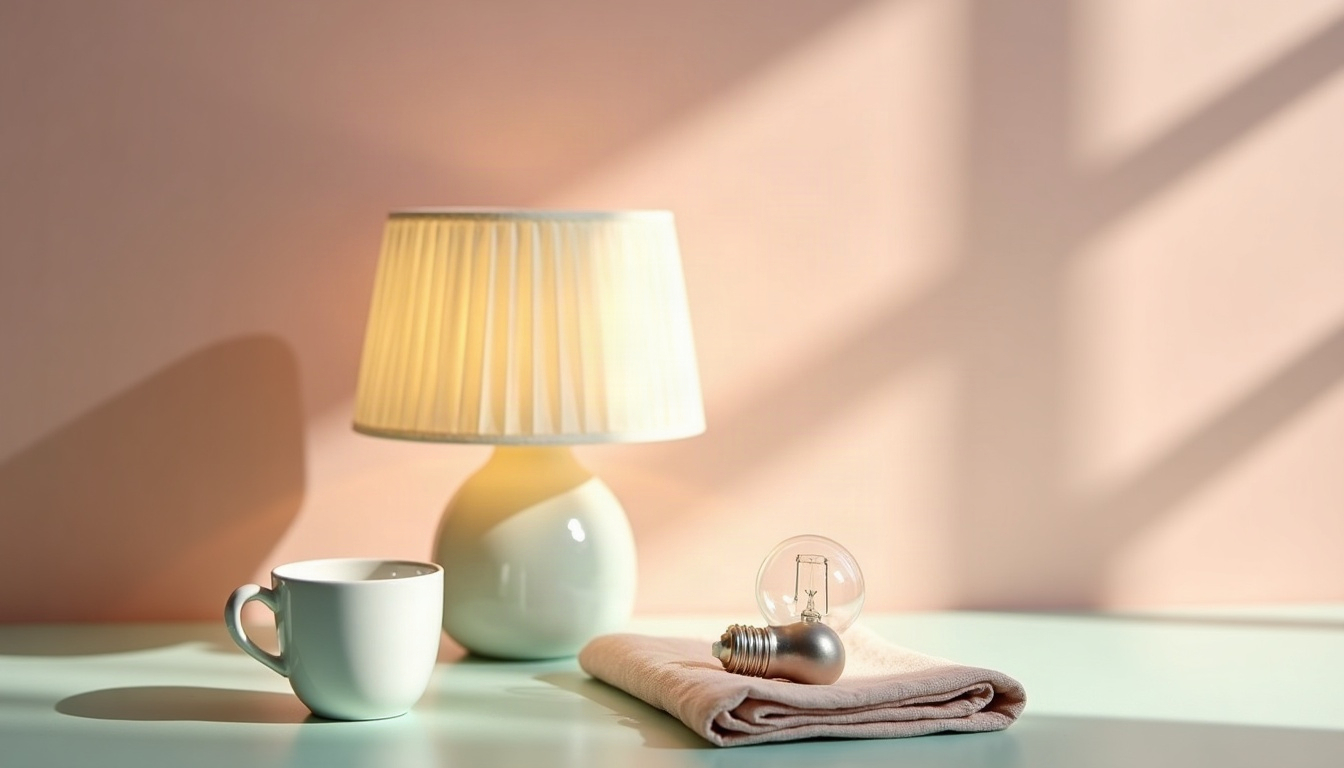

There’s a particular light in a room at four o’clock on a winter Sunday. The daylight has packed up, nobody has switched anything on, and you realize you’ve read the same paragraph three times. The usual remedy is the switch by the door, whereupon the ceiling light arrives like a visiting inspector.
That’s the moment to treat lighting as something designed. If you’d like to see how a local company describes its lighting services, one option for Akron-area homeowners is Titan Electric Ohio. Whoever you end up asking, it helps to know a little about what light does in a home, and a surprising amount of it traces back to a quiet change in how bulbs work.
Sunday shortcut
Give every room two or three smaller, warmer light sources instead of one bright overhead, and leave anything involving the wiring to a licensed electrician.
The bulb that was really a small heater
The old incandescent bulb made light by running current through a thin filament until it glowed white-hot. That means most of the energy it used came out as heat, and only a modest share as light. Anyone who has changed one that was still switched on knows this from experience. LEDs make light by a different route, directly in a small semiconductor chip, and they waste far less as heat, which is why a modern bulb can light a room while staying so much cooler.
The change also broke a habit. For generations we bought bulbs by watts, and watts were a fair stand-in for brightness. But watts measure how much power a bulb uses, not how much light it makes. The measure of light is the lumen, the one term in this article worth remembering: it tells you how much visible light a source puts out. When you shop, read the lumens for brightness and the warm-or-cool line on the box for mood. Warm light, the color of candles and late sunsets, suits the places where you unwind in the evening. Cool light, closer to midday, suits the places where you chop onions.
One more detail from the box: the same bulb shape can come in very different colors of light, which is how a living room ends up feeling like a parking garage. Buy a single bulb first, try it for an evening, and only then stock up. It’s the sort of small experiment that teaches a good deal for very little.
Three small lamps beat one big opinion
A single fixture in the middle of the ceiling lights everything equally, and therefore nothing in particular. Designers often think in three layers instead. Ambient light is the general glow that lets you cross the room without bruising a shin. Task light is for the jobs that need it: the reading chair, the kitchen counter, the desk. Accent light is the small flourish that picks out a shelf, a picture or the texture of a wall. A room with two or three of those layers feels calmer and somehow larger, even if nothing else has changed.
Kitchens reward the idea more than any other room. The ceiling light throws a shadow of your own head across the cutting board, which is the opposite of what a task light is for. Light placed beneath the wall cabinets, shining down onto the counter, puts the brightness where the knife is and leaves the rest of the room softer for whoever is leaning on the refrigerator with a glass of something. It’s a small change in where the light comes from, and cooks tend to notice it at once.
You can try the idea this very evening, for nothing. Turn the overhead light off and bring in whatever lamps you own: one by the reading chair, one on a sideboard, perhaps one low in a corner. Within half an hour you’ll know which spots want light and which were only getting it out of habit.
The step beyond lamps is fixed lighting, such as dimmable fixtures, under-cabinet lights and wall lights, and that’s where an electrician comes in. Adding or moving a fixture, fitting a dimmer or running a new circuit involves the house wiring, so it’s licensed work. A professional will also check that the dimmer and the bulbs are compatible, which matters more than people expect, since mismatched pairs can buzz or flicker.
Outdoors, where the long gray months live
Akron winters tend to be cold and gray, with the dark arriving early, so the outside of a house spends a large part of the year lit by whatever you’ve provided. Outdoor lighting does three modest jobs: it shows you where the steps are, it tells visitors which door is yours, and it makes the house look lived in. The best schemes are restrained. A light at each entrance, gentle light along a path or steps, perhaps something to catch a tree or a wall you’re fond of.
Steps deserve the most attention. An edge you can’t see is the real hazard, and a modest, even light on the stairs or the change in level does more good than a dazzling one across the yard. The same goes for the walk from the car to the door on a snowy evening, when your hands are full and your boots are wet. Light that falls on the surface you’re about to step on, rather than into your eyes, is the whole trick.
Brightness is the usual mistake. A harsh floodlight blinds you to everything beyond its beam and annoys the neighbors, while a few low, shielded lights show you the way and leave the night sky alone. Timers or sensors let the lights follow your routine instead of your memory. Outdoor fixtures also have to be rated for the weather (look for a damp or wet rating on the product), and since outdoor wiring is a place where water and electricity meet, it’s work for a licensed electrician.
What to ask before anyone climbs a ladder
A good lighting conversation starts with how you live, not with a catalog of fixtures. Tell the electrician where you read, where you cook, where you sit when the house is quiet. Ask whether the existing circuits can take the added lights, how the switches and dimmers will be arranged, and which bulbs they’ll work with. Ask what happens to the old fixtures, and ask whether a permit is needed for the work; the local building department can answer that last one for certain.
Replacement deserves its own question. If you’re swapping existing fixtures for new ones, ask whether the existing box and wiring suit the new fixture, particularly if the house is older, and whether the fixture is meant for the room it’s going into. A bathroom, a covered porch and a bedroom ask different things of a light. None of this is exotic, and a good electrician will check it before the fixture goes up, not after.
If you can, arrange the visit near dusk. That’s when the house shows you what it actually needs, and it saves a lot of imagining at noon. A thoughtful professional will walk the rooms with you, notice where you linger and suggest light for those places first.
Back to four o’clock on that winter Sunday. Before Monday, run the experiment: switch off the ceiling light, bring in two lamps and sit in the dimmer room for ten minutes. The room that felt like a waiting area may start to feel like somewhere you’d choose to be, and you’ll have a short list of what the house needs and what it merely tolerates.
