
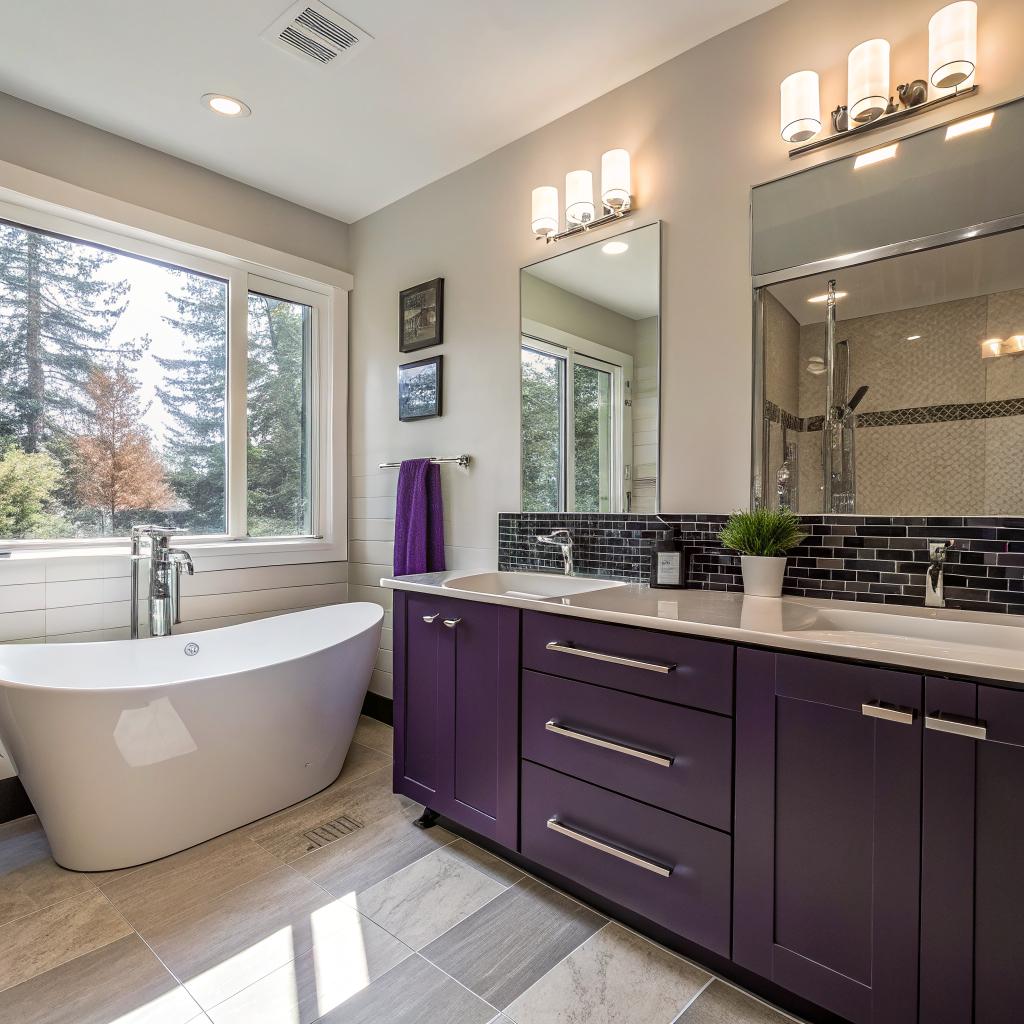

“You cannot get a real bathroom remodel in Bellevue without gutting everything and spending a fortune.”
That line is half true at best. If you want to move walls, change plumbing lines, and start from bare studs, then yes, the bill climbs fast. But a smart, well planned bathroom remodel Bellevue WA does not always mean tearing everything out or draining your savings. The real question is what you want your bathroom to do for you, and how you can match that with a clear plan, honest budget, and a contractor who treats your space like a real home, not just a job site.
Let me put it plainly. You can change how your bathroom looks, feels, and works without going overboard. Fresh tile, better lighting, a new vanity, and a more practical shower layout can already change your daily routine. When people say, “You have to gut it or it is not worth it,” they are usually repeating something they heard from someone who had a different house, a different problem, and a different budget.
I have seen situations where a simple swap of the tub for a walk in shower made an older homeowner feel safer and more relaxed every morning. Then there are people who did a full layout change, moved plumbing across the room, added a window, and still felt like something was off. So cost and effort do not always equal satisfaction. Clarity does.
So, if you live in or around Bellevue and you are thinking about changing your bathroom, the starting point is not “How much to gut everything?” It is closer to, “What bothers me about my bathroom today, and what do I want it to be like in a normal week?”
Let us walk through this in a practical way, without sugarcoating or empty hype.
Why people in Bellevue really remodel their bathrooms
When you listen to actual homeowners instead of glossy ads, you hear the same few reasons show up again and again. Some are simple, some are a bit emotional, and some are about safety.
You might recognize yourself in one of these.
You are tired of the old finishes. The tile looks dated, grout is stained, and the vanity feels like something from a rental from the 90s. Nothing is exactly broken, but you dislike walking in there.
You need more function. Maybe you share one bathroom with kids, guests, or a partner, and mornings feel crowded. You bump into each other. There is not enough storage, or the layout forces you into odd corners.
You have safety worries. Slippery floors, a tall tub wall that is hard to step over, no grab bars, poor light. For older family members, this is not a small concern. A fall in the bathroom can change everything.
You want better use of space. Many Bellevue homes, especially some of the older ones or the townhomes, have strange bathroom layouts. Oversized tubs you never use. Tiny showers. Long empty walls but no smart storage.
You want to raise home value before a sale. A clean, updated bathroom can help buyers feel like the home is cared for. But you might also want to enjoy it for a few years before you sell, instead of remodeling only for the next owner.
The tricky part is that more than one of these reasons can be true at the same time. You can want something that looks modern and feels safer and adds storage, all together. This is why copying a random bathroom from a magazine rarely works. Your life in Bellevue, your weather, your water, your family, your habits. They do not match a showroom.
How much does a bathroom remodel in Bellevue usually cost?
No one likes vague budget talk. Still, if someone gives you a single number with zero context, I would be cautious. Costs swing based on the age of your home, hidden issues behind the walls, material choices, and how much you are changing.
Here is a simple table that gives rough ranges for many projects in Bellevue. These are not quotes, just ballpark figures that reflect real projects people talk about in the area.
| Type of bathroom remodel | What it often includes | Typical ballpark range |
|---|---|---|
| Light refresh | New vanity, faucet, lighting, mirror, paint, minor repairs | $8,000 – $18,000 |
| Mid range remodel | New tub or shower, tile surrounds, new flooring, vanity, toilet, lighting | $20,000 – $40,000 |
| Full gut remodel | Down to studs, all new plumbing fixtures, tile, surface changes, some layout tweaks | $40,000 – $70,000+ |
| High end or custom layout change | Moving walls, major plumbing/electrical moves, custom cabinets, heated floors, luxury fixtures | $70,000 – $120,000+ |
If these numbers feel high, you are not alone. Labor in the Bellevue and Seattle area is not cheap. Quality tradespeople, permits, updated codes, and good waterproofing all add to the total. Trying to push below realistic numbers often means something gives: either quality, schedule, or honesty.
The better move is to decide what range you are comfortable with, and then adjust scope and materials inside that. Instead of asking, “Can I get all of this for half that number?” ask, “What gets me the biggest change for the budget I can live with?”
Deciding how big of a remodel you actually need
It can be tempting to think, “If I am touching it at all, I might as well change everything.” That is not always wise.
Here is a simple way to think about scope.
If your bathroom layout already works
If you like where your sink, toilet, and shower sit, and water pressure is fine, you may only need a surface remodel.
That might look like:
– New vanity and countertop
– New faucet and sink
– New toilet with better flushing and lower water use
– New floor tile or luxury vinyl
– New shower door and fixtures
– Fresh lighting and mirror
– Good quality paint made for humid spaces
You still get a bathroom that feels new when you walk in, but your plumbing stays mostly in the same spots, which keeps labor lower.
If the layout drives you crazy
Sometimes the layout is just wrong. The toilet is in full view from the hallway. The shower is cramped. The door hits the vanity.
In that case, a deeper remodel can be worth it. Moving drains and water lines costs more, especially in older Bellevue homes with tricky framing or limited crawlspace access, but the daily comfort you gain can be real.
Still, you do not always need a full layout flip. Small moves, like shifting a vanity a few inches or changing a swinging door to a pocket door, can open up the room without moving every pipe.
Common problems in older Bellevue bathrooms
Bellevue has a mix of ages in housing. Some bathrooms from the 70s or 80s look dated but are solid. Others hide problems behind tile that you only find when you open the walls.
You cannot see everything in advance, but you can be aware of common trouble spots.
Moisture and ventilation
Bathrooms collect steam. If the fan is old, weak, or vents into the attic instead of outside, moisture can build up. Over time, that can cause:
– Peeling paint
– Mold on ceilings or corners
– Soft drywall
– Rot in framing near the tub or shower
When you remodel, upgrading the fan is not glamorous, but it matters for the long term. A quieter, properly sized fan that vents outside reduces mold risk and helps paint and finishes last longer.
Old plumbing
Some older homes in the area still have galvanized pipes or odd mixtures of plumbing materials. These can corrode or clog.
If your water pressure is uneven, your drains gurgle, or you see frequent clogs, bring this up before the remodel. Fixing old plumbing while the walls are open will save you a headache later. It costs more in the short term, but it helps protect the new finishes.
Previous DIY or low quality work
I have talked with homeowners who discovered layers of tile stacked on top of each other, cardboard used as a shower backing, or no waterproofing behind the walls. This is not rare.
A good contractor will inspect as much as possible before demo, and will be honest that some surprises only show up once things are open. There is no magic way around that. What you can do is set aside a small contingency in your budget, and work with someone who explains findings in plain terms.
“Hidden issues are not a reason to panic. They are a reason to fix things the right way while you have the chance.”
Choosing styles and materials that make sense in Bellevue
Bathrooms in this area often share a certain feel. Calm colors, clean lines, not too fussy. But trends shift every few years. You do not need to chase every new look.
Here are a few style and material choices that tend to age well and work with our damp climate.
Tile choices
Porcelain tile is a strong pick for floors and shower walls. It is dense, resists water, and comes in many looks.
Ceramic tile can also work, especially for walls, and is usually a bit more budget friendly. For floors, you want something with some grip, not a glossy finish that turns slick when wet.
Large format tiles reduce grout lines and can make a smaller bathroom feel calmer. But small mosaic tiles can be helpful on shower floors, since the many grout lines add traction.
Natural stone looks beautiful, but it needs more care. Sealing, gentle cleaners, and more attention to water spots. If you do not want to think about maintenance, simple porcelain that imitates stone might be a better match.
Countertops and vanities
For vanities, people often choose:
– Quartz countertops
– Solid surface materials
– Occasionally natural stone
Quartz is popular because it handles moisture well and does not need sealing as often as many stones. If you drop makeup, hair dye, or toothpaste, it handles that better.
As for the cabinet itself, plywood boxes with good hardware last longer than particle board. Soft close hinges are common now. They are not just for show; they actually reduce stress on doors and drawers.
You can pick a floating vanity to make the room feel bigger, especially in smaller Bellevue bathrooms. The floor continues under it, which visually opens the space. Just remember you lose a bit of storage compared to a full furniture style cabinet that sits on the floor.
Showers vs tubs
This is a big decision for many people.
Some families still need a tub for bathing small children. Others never use the tub and prefer a generous walk in shower.
If you have only one bathroom in the home, many buyers still expect at least a tub somewhere. If you have more than one bathroom, converting a tub to a shower in one space often makes sense, while keeping a tub in another.
Walk in showers with a low curb or curbless entries are helpful for aging in place. They reduce tripping risk and allow easier entry. They do require careful waterproofing and slope work, so they are not a place to cut corners.
Planning your bathroom remodel step by step
A remodel that feels chaotic is almost always a planning problem. The work itself follows a pretty clear sequence.
1. Define your must haves and your nice to haves
Before you talk to any contractor, write down:
– What you cannot stand about the current bathroom
– What absolutely must change
– What would be nice if the budget allows
For example:
Must have: More storage, new shower that feels safer, better lighting, quiet fan.
Nice to have: Heated floors, built in shower niches, a towel warmer.
That list will guide every choice that comes later.
2. Set a budget range, not a single number
If you only have one fixed number in your head, any surprise feels like a crisis.
Instead, think in ranges. Something like:
– Preferred budget: $30,000
– Stretch budget if there are good reasons: up to $38,000
Then decide in advance what might justify using the higher number. For example, replacing old pipes that are corroded, or upgrading to tile that you will not hate in three years.
3. Talk with contractors and compare more than price
You asked for straight talk, so here it is. Picking the lowest bid without context is a common mistake.
This is what you want to compare:
– How they explain the process
– How detailed their proposal is
– Whether they break down materials, labor, and allowances
– How they handle permits in Bellevue
– What kind of project schedule they give
– How they talk about possible surprises
Ask questions like:
– “Who will be in my home each day?”
– “How will you protect my floors and the rest of the house?”
– “How do you handle change orders?”
– “What kind of waterproofing system do you use in showers?”
If a contractor gets annoyed or vague when you ask clear questions, that is a red flag. Good ones do not mind explaining.
4. Finalize design and materials before work starts
Last minute changes in the middle of the job cause delays and cost jumps. Try to pick as many materials as possible at the front:
– Tile
– Cabinet style and color
– Countertop material
– Plumbing fixture finishes
– Lighting fixtures
– Paint color
– Hardware (pulls, towel bars)
You do not need to be an interior designer. You just need a consistent direction. Neutral base finishes with a few accents tend to age better and work with different towels and decor.
5. Prepare for daily life during the remodel
Remodeling is messy and sometimes tiring, even with a good contractor.
Ask yourself:
– Where will you shower if the bathroom is out of service?
– How will noise affect remote work or small children?
– Where will you store bathroom items during the project?
Good crews will protect floors, set up plastic barriers, clean up each day, and tell you when water will be off. Still, planning for the disruption helps.
“A remodel that feels calm usually has more to do with expectations and communication than the size of the budget.”
Small design choices that make a big difference
Some details seem minor during the planning stage but matter a lot once you start using the new bathroom every day.
Lighting
Many older bathrooms in Bellevue have a single bar light over the mirror and maybe a ceiling light. That creates shadows and makes shaving or makeup harder.
Think in layers:
– Overhead light for general brightness
– Vanity lights at face level for grooming
– Optional shower light for a brighter, safer stall
– Sometimes toe kick or night lighting for late night trips
Warmer white light tends to feel calmer and more flattering. Very cool, blue toned light can make faces look tired.
Storage
Clutter can ruin the look of a new bathroom quickly.
Built in niches in the shower keep shampoo off the floor or the edges of the tub. Medicine cabinets, especially recessed ones, provide storage without feeling bulky. Deep vanity drawers are more useful than narrow ones that only hold small items.
Think about what you actually keep in the bathroom: towels, hair dryers, cleaning products, extra toilet paper. Then make sure you have a home for each of those.
Accessibility and aging in place
Even if you are not older now, simple choices can make life easier later.
Examples:
– Wider doorway if you are touching framing
– Lever style handles instead of round knobs
– A shower with a lower curb and a handheld shower head
– Blocking in the walls for future grab bars, even if you do not install them yet
These do not have to make the bathroom look like a hospital. Many modern grab bars and seats blend into the design.
Working with a Bellevue contractor vs trying to do it yourself
DIY can make sense for paint or simple fixture swaps. A full bathroom remodel is a different story. Not because you cannot learn, but because plumbing, waterproofing, and electrical all carry real risk if done poorly.
If something leaks behind a wall, you may not see it right away. That kind of slow damage is costly.
A good local contractor who works in Bellevue often will:
– Know city permit rules and inspection timing
– Be familiar with local building conditions and common issues
– Have relationships with suppliers and trade partners
– Understand what finishes hold up well in this climate
You pay for that experience. The benefit is that you are less likely to face avoidable mistakes. The key is finding someone who respects your budget and explains trade offs honestly.
Common myths about bathroom remodeling in Bellevue
It might help to clear a few false ideas you still see online or hear from neighbors.
Myth 1: You always get your full remodel cost back when you sell
Return on investment is not a simple 100 percent in, 100 percent out number. Many reports show that mid range bathroom remodels in strong markets can recoup a good share of their cost, but not all.
Your personal comfort matters too. If you plan to stay in your home for several years, the daily use you get from a better bathroom has value beyond resale.
Myth 2: More expensive materials always mean better quality
Price and quality do not always rise together. Some expensive finishes are just trendy or branded.
A practical example: a simple porcelain tile installed well will outlast an expensive natural stone that is not sealed or maintained.
It is smarter to put money into critical parts like waterproofing and good valves, even if that means choosing more modest tile or fixtures.
Myth 3: You should copy what is popular online
Trends move fast. That all white bathroom you see everywhere might feel cold in real life to you. Or the very dark grout that looks bold in photos may bother you after a few months.
Use photos for ideas, but filter them through your own taste, lighting, and habits. This is your space, not a stage.
“A good bathroom remodel feels less like a photo shoot and more like a room you are happy to walk into every day.”
How long does a bathroom remodel in Bellevue usually take?
Timelines vary, but for a typical hall or primary bathroom, you might see something like this:
| Phase | What happens | Approximate duration |
|---|---|---|
| Planning and design | Measurements, layout, selections, proposal, contract | 2 – 4 weeks |
| Permits and ordering | City permits, order materials, scheduling | 2 – 6 weeks |
| Demolition | Remove old fixtures, tile, drywall as needed | 2 – 5 days |
| Rough plumbing and electrical | New lines, moving fixtures, inspections | 1 – 2 weeks |
| Walls, waterproofing, tile | Drywall, backer board, waterproofing, tile setting and grout | 2 – 3 weeks |
| Cabinets, fixtures, and finishes | Vanity, countertop, shower glass, trim, paint | 1 – 2 weeks |
All together, from first meeting to final walkthrough, you might be looking at a couple of months, sometimes more if custom items or inspections take longer.
If someone promises a full gut remodel in a week, ask a lot of questions. Fast work is not always bad, but quality at that speed is hard.
A quick example of how choices affect cost and feel
Let us say you have a small hall bathroom in Bellevue, about 5 by 8 feet. It has a tub with dated tile, a basic vanity, and old vinyl flooring.
You could go two ways:
Option A: Simple refresh
– Keep the tub, reglaze it if needed
– Install new wall panels or modest tile around the tub
– New 30 inch vanity with quartz top
– New single lever faucet and standard toilet
– Updated light over mirror, fresh fan
– New vinyl plank flooring
– Neutral paint
This keeps most plumbing in place and focuses on surfaces. Your cost stays near the lower range, and the space feels clean and new.
Option B: Deeper upgrade
– Replace tub with a tiled walk in shower
– Custom glass door
– Larger vanity with better storage
– Upgrade to wall mounted vanity and wall hung toilet
– Heated tile floors
– Recessed lighting and a bigger fan
– Some layout change, such as shifting toilet slightly
Now you have more comfort and a modern look, but also more labor for plumbing, tile, and electrical. The cost moves into mid or high range.
Neither choice is wrong. The right one depends on your budget, how long you plan to stay, and how much you care about certain details. This is where honest discussion with your contractor helps. Not everything needs the premium option.
Questions to ask yourself before you start
To wrap this up in a practical way, here are a few questions you can use as a personal checklist. You do not need to answer them all right now, but they will help shape your project.
1. How long do you plan to stay in this home?
If you plan to move within a couple of years, you might aim for a clean, updated bathroom that appeals to many buyers without going for very custom features.
If you plan to stay 10 or more years, you can shape the space more closely around your daily routine and comfort, and think about aging in place.
2. What bugs you most each day?
Is it the lack of counter space? The cold floor? The dim mirror? Identifying the top two or three annoyances gives you a clear focus.
3. How much maintenance do you want to handle?
If you hate cleaning grout, choose larger tiles and stain resistant grout. If you do not want to seal stone, skip it and pick quartz or porcelain looks instead.
Being honest here is better than feeling guilty later about “not taking care” of high maintenance finishes.
4. How much disruption can you live with?
If you have only one bathroom, talk with your contractor about ways to reduce downtime, or consider temporary setups. Sometimes people stay with family for a week during the most intense work. It is not always necessary, but it is worth thinking through instead of waiting until the last minute.
5. What is one thing you want to feel when you walk into the new bathroom?
Calm. Energized. Safe. Spacious. Pick one word. Then, as you look at design ideas or make choices, ask if they support that feeling.
If your word is “calm”, you might avoid very bold patterns in a small space. If your word is “energized”, you might like brighter colors or stronger lighting.
One last question and a straight answer
Is a bathroom remodel in Bellevue really worth the hassle?
If your current bathroom works fine, does not leak, and you do not mind how it looks, then pushing for a remodel just because you feel like you are “supposed to” is not a great idea. You would be taking on cost and disruption without a clear reason.
If, on the other hand, you walk into that room every day and feel frustrated, unsafe, or embarrassed when guests see it, then yes, a well planned remodel can be worth the hassle.
The key is to match your scope to your real needs, protect the parts of your home that you do not want to change, and work with someone who treats your questions with respect. When you do that, the process still takes time and money, but you end up with a bathroom that actually fits your life in Bellevue, not one that just looks nice in photos.
