
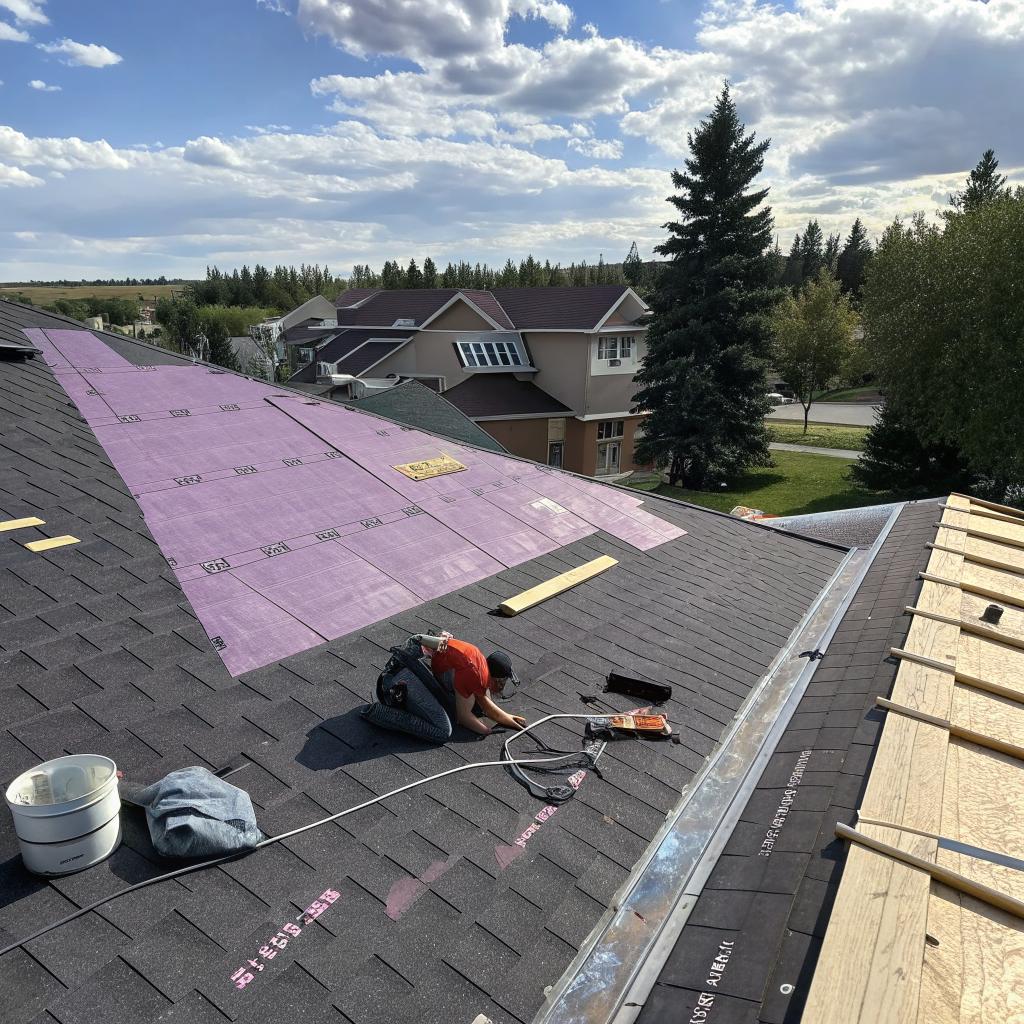

“Roofs in Calgary only need attention after a leak shows up on the ceiling.”
That statement is false, and waiting for a visible leak is usually the most expensive way to treat your roof. In a city with freeze-thaw cycles, wind, hail, and those sudden spring storms, you often need to think about inspections, small fixes, and even planning bigger work like Calgary roof repair long before the water stain appears. If you own a home here, the short answer is this: check your roof at least twice a year, fix minor issues within weeks, and be ready to replace the roof when repairs stop making financial sense.
I will walk through how to figure out the condition of your roof, what you can safely do yourself, when you really should call a roofer, and how Calgary’s weather quietly changes the rules a little.
I live in a place with cold winters too, and I used to think my shingles were fine as long as they “looked okay” from the driveway. Then a windstorm curled a few tabs back, and a month later I noticed a small water spot near a bedroom vent. It was annoying. The repair was not huge, but the roofer told me that if I had checked the attic after that storm, I probably would have caught it earlier and spent less. That stuck with me.
You do not have to climb on the roof every weekend. That would be strange. But making roof checks a routine part of owning a house in Calgary is just practical. It is a bit like changing your furnace filter. Not exciting, not fun, but it saves money and stress later.
Roofs feel complicated at first. There are vents, valleys, underlay, flashing, all these pieces you might not think about. Still, if you focus on a few simple ideas, it starts to make sense:
Water always wants the easiest path in.
Sun and temperature changes wear out materials.
Wind and hail create sudden weak spots.
Everything in this guide really comes back to those three points.
How Calgary’s climate affects your roof
Calgary is tough on roofs. If you understand why, you can predict which problems are most likely to show up.
Freeze-thaw cycles
In winter and even in spring, Calgary often flips above and below freezing in the same day. Snow melts a bit, then refreezes. That cycle repeats many times.
What that does to your roof:
– Water slips under shingles when it melts.
– At night it freezes, expands, and can push shingles up.
– Small gaps in flashing or around nails start to widen.
This is one reason older shingles start to crack or curl. It is not just age. It is the constant stress of expansion and contraction.
Hail and strong wind
You know the stories. Calgary gets serious hail. Even if you do not see shattered shingles, hail can bruise asphalt shingles, knock away protective granules, or dent metal vents and flashing.
Wind can lift shingle edges, pull nails slightly, or even tear entire strips off the roof. The tricky part is that from the ground, the roof might still look almost fine.
Dry air and strong sun
UV light breaks down asphalt shingles over time. Dry air does not sound dangerous, but it speeds up aging. Dark south-facing slopes get hit hardest.
You will often see more wear on the south and west sides than the north side. That uneven aging can make repair decisions a bit weird, because one side may need more work than the rest.
Calgary’s weather rarely destroys a roof in one day. It just keeps poking at weak spots until something finally fails.
How to tell if your roof needs repair
You do not need special tools to get a first impression. Your eyes, a pair of binoculars, and a simple attic check can tell you a lot.
Signs from the ground
Start with a slow walk around your house. Look up from different angles. Take your time.
Look for:
– Shingles with curled or lifted edges
– Missing shingles or obvious bare spots
– Dark uneven patches where granules have worn off
– Exposed nail heads that shine in the light
– Sagging or uneven areas on the roof surface
– Cracked or rusty metal around chimneys, vents, or skylights
Then check the ground:
– Do you see shingle pieces in the yard after a storm?
– Are there lots of small asphalt granules in your gutters or at downspout exits?
Granules in gutters are normal for older roofs, but if you notice a sudden increase after hail, that suggests impact damage.
Signs inside your home
Inside, you are mostly looking for water and moisture clues.
Walk through your top floor and check:
– Ceilings near exterior walls
– Corners of rooms
– Around vents or bathroom fans
You might see:
– Yellow or brown stains
– Peeling or bubbling paint
– Bubbling in drywall tape lines
– Musty smell in one room near the roofline
Small roof leaks often show up near light fixtures, fans, or vents first, because those are penetrations through the ceiling finish.
Checking the attic
If you can safely get into your attic with a flashlight, this is one of the best ways to spot trouble early.
Look for:
– Dark stains or streaks on the underside of the roof sheathing
– Damp or compressed insulation
– Frost buildup in winter
– Mold or mildew on wood
– Sunlight showing through where it should not
You should not see visible daylight except at vents or the ridge vent. Even tiny points of light can be problem areas where water might enter in wind-driven rain.
Try to check the attic once in winter and once in warmer weather. After a big wind or hailstorm, another quick look is helpful.
Repair or replace: how to decide
This is where many homeowners feel stuck. You do not want to spend money on a new roof if a repair can safely extend its life. At the same time, you do not want to keep patching a roof that is near the end of its life.
Here is a simple way to think about it:
Key factors that affect the choice
| Factor | Leans toward repair | Leans toward replacement |
|---|---|---|
| Age of roof | Under 10–12 years, in decent shape | Over 15–20 years, many worn areas |
| Leak history | First small leak, easy to reach | Repeated leaks in different spots |
| Storm damage | Isolated wind damage, few shingles | Wide area of hail or wind damage |
| Visual wear | Most shingles still flat and secure | Many curled, cracked, or bare shingles |
| Cost over 5 years | Small repair cost vs long remaining life | Repairs adding up close to new roof cost |
If the roof is relatively young, and the problem is local, repair often makes sense. If the roof is old and problems keep popping up, replacement is usually cheaper over a few years.
When repairs start to feel like “patching a sinking ship,” it is time to seriously look at replacement options.
Common roof problems in Calgary homes
Different roofs fail in different ways, but a few issues keep showing up around Calgary.
Shingle damage
On most homes you will see asphalt shingles. These are layers of fiberglass, asphalt, and granules. Over time they can:
– Curl at the edges
– Crack across the surface
– Lose granules and show black bare spots
– Lift up where nails have pulled
Wind often starts lifting shingles along eaves and ridges. Once an edge is lifted, water and more wind can get under, which speeds the damage.
Hail can leave bruises that you feel more than you see. If you gently press on a hail mark and feel soft spots, the shingle may be compromised.
Flashing and roof penetrations
Flashing is the metal that seals joints where the roof meets walls, chimneys, and other surfaces. In Calgary, this metal can crack or pull away as the building shifts and as ice forms around it.
Watch out for:
– Loose or rusted step flashing along walls
– Cracked sealant around chimneys and vents
– Bent or gapped metal in valleys
– Loose rubber boots around plumbing vent pipes
Many leaks start at flashing, not in the middle of the shingles.
Ice dams and poor ventilation
Ice dams form when warm air from inside your home melts snow on the roof. The water runs down to the cold eaves and refreezes, building a ridge of ice. Water backs up behind the ice and can work under the shingles.
Signs of ice dam issues:
– Thick ridges of ice along the eaves in winter
– Icicles running down siding
– Stains on ceilings near exterior walls
– Attic insulation wet or compressed near eaves
Poor ventilation in the attic makes this worse because warm moist air is trapped. You might see frost on the underside of the roof sheathing in winter. Over time, that can lead to mold and rot.
Flat or low-slope roofs
Some Calgary homes, garages, or additions have low-slope or flat roofs. These need different materials, often membranes instead of shingles. Water tends to pool on them.
Typical issues:
– Ponding water that stays for more than 48 hours
– Seams opening between membrane sections
– Blisters or bubbles in the surface
– Cracks along parapet walls or at drains
Flat roofs usually require more frequent inspection because small problems turn into leaks quickly.
What you can do yourself (and where to stop)
You can safely tackle some tasks if you are careful and do not push your comfort level. But roof work carries real risk. If you feel any doubt about balance, ladder setup, or weather, call a roofer instead.
Safe DIY tasks
Here are tasks many homeowners handle:
- Cleaning gutters and downspouts
- Removing small debris from the roof with a roof rake from the ground
- Visual inspections with binoculars
- Checking the attic for moisture signs
- Replacing a few easily reached shingles on a low, simple roof, if you are physically capable and understand basic shingle installation
For any ladder work:
– Set the ladder on firm, level ground
– Follow the three-points-of-contact rule
– Do not go up in snow, ice, or high wind
Roof safety is not about bravery. It is about not ending up in the emergency room.
Tasks better left to professionals
You should not try to:
- Walk on steep or high roofs
- Repair extensive hail or wind damage
- Fix complex flashing issues around chimneys or skylights
- Work with torch-applied or complicated flat roof systems
- Handle structure repair when roof decking is soft or sagging
Pros have harnesses, roof jacks, and training. They also know how to spot hidden damage that is easy to miss.
If you are unsure, ask yourself a simple question: “If I slip right now, what happens?” If the answer feels scary, step down and make a phone call.
When to call a Calgary roofing contractor
Timing matters. Waiting a week or two for a small repair is usually fine. Ignoring an active leak for months is not.
Consider calling a contractor quickly if:
– Water is actively dripping inside
– You see new stains getting bigger after each rain
– Wind has torn off multiple shingles in one area
– A tree branch has hit the roof
– You suspect hail damage across a large section
A good local roofer will often:
– Inspect the roof surface and attic
– Take clear photos of damage
– Explain whether a repair or replacement makes more sense
– Provide a written estimate
If a contractor refuses to show photos, pushes you hard to sign something on the spot, or will not answer simple questions, that is a red flag.
Questions to ask a roofer
Here are questions that tend to get honest answers:
- How many more years do you think this roof has, if we repair only this area?
- What could happen if I delay this work for a year?
- Are there any code changes in Calgary that affect this repair or a future replacement?
- Do you see any ventilation or insulation issues that could cause ice dams?
- What is covered by your warranty, and for how long?
Listen for clear, plain responses, not just technical terms. A good roofer can explain complex things in simple language.
The basic steps in a typical repair
Every roof is different, but most shingle repairs follow a similar pattern. Knowing the steps helps you judge if the work seems reasonable.
Small shingle repair
For a small area of damaged shingles, a roofer might:
1. Inspect and mark the damaged area.
2. Carefully lift surrounding shingles and remove nails.
3. Remove and discard broken shingles.
4. Check the roof decking underneath for rot or soft spots.
5. Install new underlayment if needed.
6. Nail in new shingles, matching the pattern and exposure.
7. Seal exposed nail heads on overlapping shingles.
On a simple slope, this might only take a couple of hours. Matching color on older roofs can be tricky, since new shingles are often darker. The color difference is mostly cosmetic.
Flashing repair
A flashing repair around a chimney or wall often takes longer than shingle replacement because the roofer may need to:
– Remove siding or brick trim near the joint
– Pull out old step flashing and damaged shingles
– Install new flashing and tie it correctly into the wall
– Reinstall or adjust siding or exterior finish
– Seal all joints
It is common for the roofer to find hidden damage in these areas, such as rotten wood or missing underlayment, especially on older homes.
Flat roof repair
On a flat or low-slope roof, repair steps depend on the material. Generally, the contractor will:
– Clear debris and dry the surface
– Mark and cut out damaged membrane or blistered spots
– Inspect the underlying layers
– Patch with compatible material with proper overlap
– Seal seams and edges carefully
Flat roofs are much more sensitive to bad patch work. Poor repairs can trap moisture and cause bigger trouble later.
Calgary roof repair costs: what to expect
Prices shift with material costs and labor rates, so any numbers here are only rough ranges. But they help you sense whether an estimate is reasonable.
Typical cost ranges
| Type of work | Approximate cost range (CAD) | Notes |
|---|---|---|
| Minor shingle repair (few shingles) | $250 – $600 | Simple access, no structural damage |
| Moderate repair (partial slope) | $600 – $1,500 | Includes underlayment and flashing work |
| Chimney or wall flashing repair | $500 – $1,800 | Complexity depends on siding/brick |
| Flat roof patch (small area) | $400 – $1,200 | Varies by membrane type and access |
| Full asphalt shingle replacement | $6,000 – $15,000+ | Size, pitch, and material quality affect price |
Insurance can change the picture, especially after hail. Policies are often picky about timing and documentation. Take lots of photos right after a storm, before any temporary patches, and keep receipts.
Seasonal roof care for Calgary homeowners
If you pay a bit of attention at the right times of year, you avoid many bigger repairs. Think of it as a yearly rhythm.
Spring check
After snow is mostly gone:
– Walk around the house and inspect shingles, flashing, and gutters.
– Look for new granules in gutters or at downspouts.
– Check soffits and fascia for signs of water damage.
– Go into the attic on a sunny day and look for damp spots or stained wood.
Spring is also a good time to schedule professional inspections, since roofers tend to be less overloaded than during peak storm season.
Summer and hail season
When big storms come through:
– After a hailstorm, look for dented gutters, outdoor AC units, or metal vents. If those are dented, shingles may be bruised too.
– Use binoculars to check for missing or torn shingles.
– Note the date and take photos of any visible damage.
If neighbors are booking roof inspections after a storm, it is not overreacting to do the same. Just be careful with door-to-door offers. Take your time to verify any company that appears uninvited.
Fall preparation
Before snow returns:
– Clean gutters and downspouts so meltwater can flow freely.
– Check that attic vents are clear and not blocked by insulation.
– Look for damaged or missing shingles that will be stressed by snow loads.
– Seal or repair small gaps around penetrations.
You do not want to be on a ladder when temperatures drop below freezing. Try to wrap this work early in the season.
Winter awareness
You cannot do much roof work in the middle of winter, and that is fine. Still, keep an eye on:
– Ice dams building along eaves
– Unusual frost patterns in your attic
– Interior leaks during chinook warm spells
Roof rakes that you can use from the ground to pull snow off lower sections can help reduce ice dams. Stay off the roof itself in winter. That is where accidents happen quickly.
Understanding materials used in Calgary roofs
Knowing what is on your roof helps you understand its likely lifespan and repair options.
Asphalt shingles
Most Calgary homes use asphalt shingles because they are relatively affordable and handle a range of weather. Typical lifespan is about 15 to 25 years, depending on the product, ventilation, and exposure.
There are two main types:
– 3-tab shingles: Flat, single-layer, cheaper, less common on new installs now.
– Architectural or laminated shingles: Thicker, layered look, better wind resistance, more common on newer homes.
When high quality shingles are installed over good underlayment and ventilation is decent, you can often reach the upper end of the lifespan range.
Metal roofing
Metal roofs are less common on typical suburban homes, more common on rural or custom builds, but you will see them. They have good longevity, handle snow well, and shed water fast.
Common problems involve:
– Loose fasteners over time
– Failed gaskets around screws
– Sealant cracking at joints
– Misaligned panels from thermal movement
Metal repairs often involve tightening or replacing fasteners and re-sealing joints.
Flat roof membranes
On flat or low-slope roofs you will usually find:
– Torch-on membranes
– Single-ply membranes like TPO or EPDM
– Older built-up roofing with gravel surfaces
Each type has its own repair methods. Many Calgary roofers specialize in one or two systems. If you have a flat roof, look for a contractor who clearly states this experience.
Ventilation, insulation, and why they matter to roof repair
Many roof problems in Calgary are not caused only by the shingle on top, but by what is happening in the attic.
How ventilation works
A healthy attic usually has:
– Intake vents at the eaves or soffits
– Exhaust vents at or near the ridge or roof peak
Air enters low, exits high. This flow carries out warm moist air from your home before it can condense on the underside of the roof.
Signs of poor ventilation:
– Very hot attic in summer
– Frost on nails or sheathing in winter
– Moldy smell or visible mold on wood
– Ice dams along the eaves
Improving ventilation can:
– Reduce ice dams
– Extend shingle life
– Cut down on condensation and mold
Sometimes a roof repair includes adding or adjusting vents, especially if previous work blocked soffit vents by piling insulation over them.
Insulation and moisture
Insulation helps keep heat inside your home. When it is uneven or compressed, warm spots appear on the roof. That encourages ice dams.
Good attic insulation for Calgary:
– Has an even depth across the space
– Stays dry and fluffy, not dense and damp
– Does not block airflow from soffit vents
When roofers repair leaks, they often see insulation that has been wet for a long time. Wet insulation loses its R-value and can grow mold. In many cases, part of the repair includes removing and replacing damaged insulation.
How to plan for a future roof replacement
Even the best repair strategy only stretches so far. Every roof ages out at some point. If yours is 15 years or older, it is smart to start thinking ahead, even if it is not urgent yet.
Signs you are within 3–5 years of replacement
You might notice:
– Widespread curling or cracking of shingles
– Many granule-bare spots, especially on sunny slopes
– Repeated minor leaks in different locations
– Repairs that do not seem to last long
– Higher energy bills because of attic issues related to roof age
At this stage, repairs can still help, but they are more like buying time than fixing the root problem.
Budgeting and timing
If you expect to need a new roof in a few years:
– Start getting rough estimates from two or three companies.
– Ask about different material options and their lifespans.
– Set aside money monthly so the cost does not hit you all at once.
Spring and early summer are common times for replacements. If you can plan ahead, you avoid trying to schedule major work during peak emergency periods after big storms.
Combining repairs with upgrades
When planning replacement, it is a good chance to improve:
– Ventilation (add or adjust vents)
– Attic insulation (coordinate with another contractor)
– Ice and water shield coverage in valleys and along eaves
– Flashing quality around chimneys and walls
These upgrades cost more up front but reduce the chance of future leaks and ice dams.
Frequently asked questions about Calgary roof repair
How often should I have my roof checked?
For Calgary homes, a practical schedule is:
– A quick visual check from the ground twice a year.
– A closer professional inspection every 3 to 5 years, or after a major hail or windstorm.
If your roof is older than 15 years, you might move to inspections every 1 to 2 years.
Can I repair my roof in winter?
Minor emergency patches are sometimes possible in winter, especially on warmer days, but full repairs or replacements are harder. Adhesives do not bond well in extreme cold, and surfaces can be unsafe. Many roofers focus on emergency leak control in winter and schedule full work for warmer months.
Should I repair or replace after hail damage?
It depends on how widespread the damage is and the age of your roof. If hail has affected most slopes and the roof is already older, replacement often makes more sense, especially with insurance involved. If damage is light and limited to one area, repair is often enough. A proper inspection with photos helps you decide.
How long do roofs last in Calgary?
A typical asphalt shingle roof here might last 15 to 25 years. Harsh exposure, poor ventilation, or repeated storm damage can push it toward the lower end. Better materials, careful installation, and good attic conditions can push it higher. Metal roofs and some premium materials can last longer.
What is the biggest mistake homeowners make with roof care?
Waiting until water appears inside the home before taking any action. The roof often gives small signals years before that happens. Regular checks, simple maintenance, and quick response to early signs usually save money and stress.
Is it worth fixing a small leak, or should I just plan for a new roof?
Fix the small leak. Water in your attic or walls can damage insulation, drywall, framing, and even wiring. A small repair now can prevent a much larger repair later. While you are at it, ask the roofer for an honest opinion about the remaining life of your roof. Use that information to plan for the future.
If you look up at your roof today and decide on one small action, whether it is a quick inspection or a call for advice, you are already ahead of many homeowners who wait for the stain on the ceiling.
