
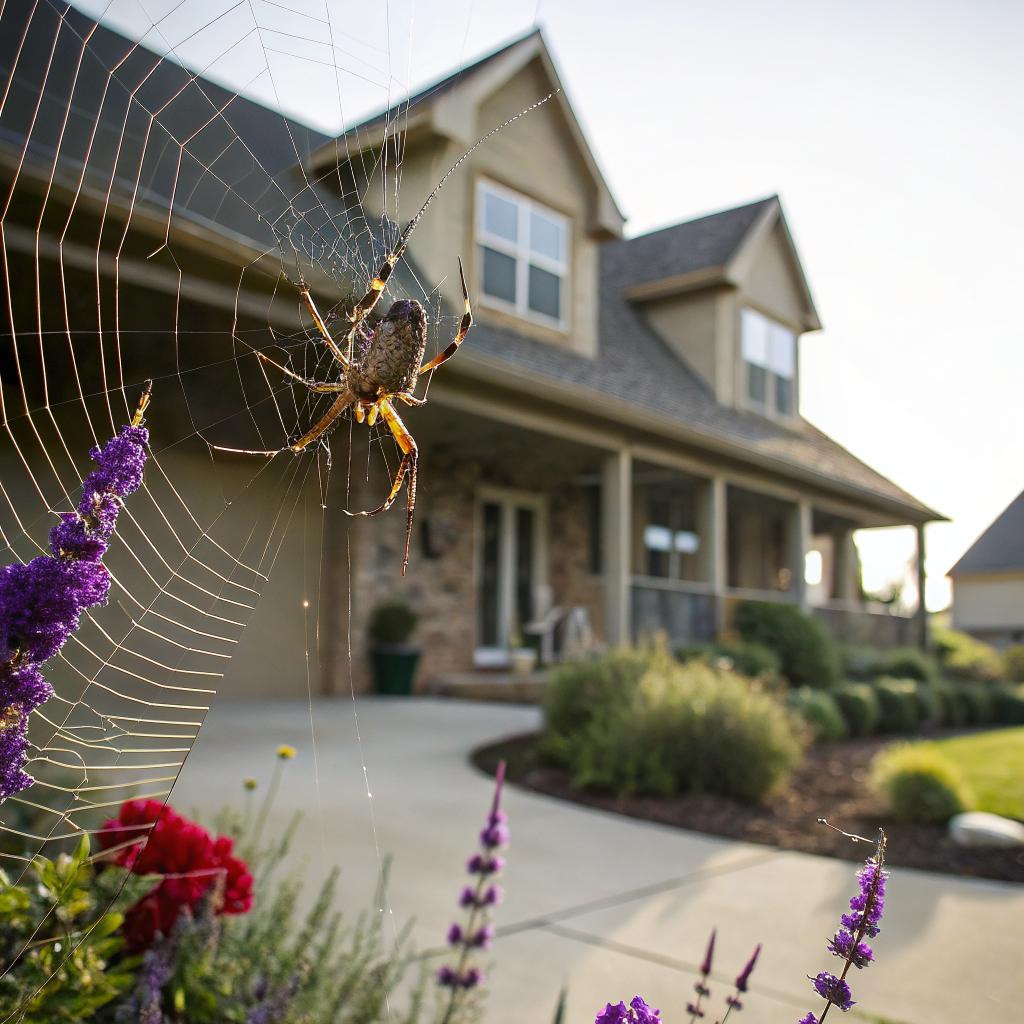

“If my house looks clean, I do not have a pest problem.”
That sounds nice, but it is often wrong, especially in Flower Mound. Many of the worst problems start quietly inside walls, attics, and crawl spaces long before you see a single roach on the floor. If you want real protection, you need a simple routine that combines good habits, smart prevention, and, when needed, professional help such as Flower Mound pest control. The short answer is this: seal entry points, remove food and water sources, monitor regularly, and act fast when you see early signs.
That is the part people tend to skip. You do not need a complicated system, but you do need a clear plan. Most homes in Flower Mound face the same usual suspects: ants, spiders, mosquitoes, termites, rodents, and sometimes roaches. The soil, the trees, the heat, and the sudden storms all help pests feel at home. So if you are only reacting when you see a big problem, you are always a bit late.
I have seen homes that look spotless where the attic insulation was full of rodent tunnels. The owners were surprised because they “never saw anything.” That is the point. Pests usually try to stay hidden. They build nests in quiet places, come out at night, and use gaps you do not think about, like where wires come into the house.
So instead of thinking “clean equals safe,” it helps to think “clean plus sealed plus checked equals safer.” Not perfect, nothing is perfect, but much better. In a place like Flower Mound, the weather can swing from hot and dry to humid and stormy. That change lets pests breed, move, and explore new spots in your yard and walls. If you do not pay attention for a few months, you can suddenly feel outnumbered.
In this guide, I will walk through the areas that matter most: outside, inside, the attic, and the yard. I will share simple habits and also some things you might not want to handle alone, like termite activity or a serious rodent issue. You will probably recognize your own home in some of these examples. That is fine. The goal is not a perfect house. The goal is a house that is hard work for pests.
And yes, I am going to repeat a few points along the way. That is on purpose. The same weak spot, like a gap around a garage door, can invite in mice, scorpions, spiders, and roaches. So some ideas apply in more than one place.
How Flower Mound weather affects pests in your home
Flower Mound has warm months, humid air at times, and plenty of rainstorms. That pattern gives pests what they like: food, water, and shelter nearby. You feel it as “nice weather” most of the year, but pests feel it as “good breeding season.”
Here is where that shows up:
1. After rain, pests move indoors
When the soil gets soaked, many insects and rodents head for dry ground. That often means your:
– Slab foundation
– Garage
– Crawl space (if you have one)
– Attic
If you see ants, spiders, or crickets suddenly appear in higher numbers after a storm, that is not random. They are escaping wet soil and looking for dry, stable areas.
2. Heat helps pests breed faster
Warm air speeds up many insect life cycles. Eggs hatch faster, larvae grow faster, and colonies expand. Ants and roaches are big examples of this. You might feel like one summer went by with no trouble, then the next year it feels like everything doubled.
Pest pressure builds over time. So a small ant trail you ignore one year could turn into a layered colony in the wall the next.
3. Mild winters do not reset the clock
A harsh freeze can reduce some pest populations. In North Texas, winters do cool things down, but not always enough to cut colonies back much. Rodents and some insects simply move deeper underground or further into your home.
So your plan cannot just be “wait for winter to fix it.” You need year round habits, even if they are light.
Common Flower Mound pests and what they really want from your home
“Pests are random. If they show up, it is just bad luck.”
Not really. Most of the time, pests want one of three things from your house: food, water, or shelter. If you think about your home that way, it becomes easier to see where you can push back.
Here is a simple table to make sense of this.
| Pest type | What attracts them | Risk to your home | Key early sign |
|---|---|---|---|
| Ants | Crumbs, pet food, sugary spills, moisture | Food contamination, trailing through walls and wiring paths | Single line of scouts in kitchen or bathrooms |
| Spiders | Other insects, quiet corners | Bites in rare cases, cobweb build up | Webs in corners, near exterior lights |
| Rodents (mice, rats) | Stored food, trash, bird seed, warmth | Chewed wires, droppings, insulation damage, disease risk | Droppings, scratching in walls or attic at night |
| Termites | Wood, moisture near foundation | Structural damage over time | Swarmers or mud tubes on foundation |
| Mosquitoes | Standing water, shaded plants | Bites, disease risk outdoors | Clouds of mosquitoes at dusk near yard edges |
| Roaches | Grease, clutter, trash, water under sinks | Allergy issues, contamination | Droppings, musty smell, late night sightings |
If you read the table, you might notice a pattern. Moisture and food storage show up over and over. That is why taking care of leaks and clutter gives you more benefit than buying random sprays at the store.
Exterior tips: make the outside less inviting
Many Flower Mound homes have nice lawns, mature trees, fences, and nearby greenbelts. All of that looks good, but it also gives pests long, safe highways to your walls. So the first line of protection is outside.
Seal gaps and cracks that pests use as doorways
Walk slowly around your home and really look. You are not just checking the big things like windows, but also small spots:
– Gaps around pipes, cables, and AC lines
– Cracks along the slab or brick
– Openings under siding
– Garage door seals that do not touch the ground fully
If you can see light, a lot of small pests can get through. If you can push a pencil into a gap, a mouse may be able to squeeze in.
Use caulk for small cracks and weatherstripping or door sweeps at the base of doors. For larger openings around pipes, use a combination of steel wool and exterior caulk or foam. It does not have to look perfect, but it should block movement.
Do not expect to do this once and never again. Homes shift a little, sealants age, and kids or pets bang up doors. Plan to do a walkaround a couple of times a year.
Trim plants and trees away from your house
Plants right up against your walls look nice, but they also hide insect trails and give rodents cover. Branches that touch the roof turn into bridges for squirrels and roof rats.
As a simple habit:
– Keep shrubs a little bit away from walls so air can move and pests have fewer hiding spots
– Trim tree branches so they are not touching the roof or eaves
– Clear ivy or vine growth that climbs walls, since those can hide ants and spiders
You do not need a bare yard. Just avoid giving pests a straight, sheltered path from the fence to your roofline.
Fix drainage and standing water
Flower Mound storms can leave puddles that sit for days. That is perfect for mosquitoes. Water near the foundation also supports termites and ants.
Check:
– Gutters that overflow or leak at joints
– Downspouts that dump water right next to the slab
– Low spots where water collects after rain
– AC drain lines that drip on the same spot all summer
Redirect water away from the foundation. Sometimes that means installing a small splash block or extending a downspout a few feet. For low spots, adding soil and regrading can help.
If you have birdbaths or water features, refresh the water often or use treatments that are safe for pets and birds but break mosquito breeding.
Garage and entry points: the quiet weak spots
For many homes, the garage is the first door pests use. It is open and close all day, it often has boxes or tools, and sometimes food or trash ends up there.
Make the garage less of a shelter
Try to notice a few things next time you stand in your garage:
– Is there pet food stored in thin bags on the floor?
– Are there old cardboard boxes on the ground near the walls?
– Is there trash or recycling that sits for a long time?
Rodents and roaches love cardboard and paper. They chew it, nest in it, and hide behind it. Replace old boxes with plastic bins where you can. Keep items a few inches off the floor if possible.
Garage doors often have small gaps at the corners or in the middle. A stiff door sweep and side seals can reduce this. If you can see daylight under the door, pests see an opening.
Front and back doors
It sounds very basic, but worn weatherstripping and door thresholds are a big entry point. Ants, spiders, and even small scorpions can crawl right in. Check:
– The rubber seal at the base of the door
– The frame corners, where gaps develop
– Screen doors that have tears or do not close fully
If you like to leave doors open for air, a tight screen without holes is critical. A single evening with the door propped open can invite in a whole set of insects.
Kitchen and pantry habits that reduce pests
“If I spray the baseboards now and then, I do not need to change how I store food.”
Sprays can help control some insects, but if the kitchen provides food every day, pests will keep trying to come back. The kitchen is usually the central draw. So small habits here go a long way.
Store food in containers that pests cannot chew
If you keep cereal, pasta, pet food, or snacks in their original thin bags, you are offering easy access. Mice can chew through those in one night.
Better options:
– Thick plastic or glass containers with tight lids
– Metal cans for bulk pet food
– Strong plastic bins on pantry floors instead of loose bags
Try not to leave fruit that attracts flies or ants sitting out too long. Short periods are fine, just do not let overripe items sit for days.
Clean in a way that targets real pest trails
You do not need to scrub every hour. Focus your effort where pests travel:
– Under and behind the stove and fridge where grease collects
– Under the sink where it can be damp and dark
– Baseboards and corners where crumbs roll
A quick sweep or vacuum at night in the main cooking area can remove a lot of what ants and roaches are searching for.
It might feel repetitive, but routine nighttime cleaning in the kitchen is one of the strongest defenses you have.
Watch moisture under sinks
Slow leaks under kitchen or bathroom sinks are like an open bar for pests, especially roaches and ants. They are attracted to both the water and the softness of damp wood.
Once a month, open each sink cabinet, feel the wood, and check for:
– Damp spots
– Swollen particle board
– Condensation on pipes
– Any musty smell
Fixing a tiny leak early is cheaper than dealing with rot and pests later.
Bathrooms and laundry: hidden moisture zones
People often think of the kitchen as the only major source of moisture inside, but bathrooms and laundry rooms add up too.
Ventilation matters more than it seems
If you take hot showers with no fan or a very weak fan, the room stays moist. That humidity encourages mold and gives insects a water source.
You can:
– Run the fan during and after showers long enough to clear the mirror
– Check that vent ducts go outside, not just into the attic
– Leave the door open afterward to let air circulate
In laundry rooms, the washer drain and any utility sinks can also be slow leak spots. The same habit applies: look under, feel for dampness, and repair early.
Clutter on floors gives pests cover
Dirty clothes piles, damp towels, and stacked items on the bathroom floor all create hiding spots. Ants and roaches like to travel along edges and under items, where you do not see them.
Keeping the floor more open makes it harder for pests to move without being noticed.
Attic and crawl spaces: where real damage happens
Many Flower Mound homeowners rarely enter the attic. That is where the real surprises hide. Rodents, wasps, even raccoons can cause damage without you knowing for months.
Signs of rodent activity in attics
Rodents are a big concern in North Texas. They look for warm, quiet places, and attics fit that.
Look for:
– Tunnels or flattened paths in insulation
– Small dark droppings along beams and near access points
– Shredded paper, insulation, or fabric used as nesting material
– Gnaw marks on wood or wiring
You might also hear scratching or scampering at night, especially near ceilings or walls that face the outside.
Rodents can chew electrical wires, which adds fire risk. This is one area where a professional inspection is often worth it, because they know where to look and how to identify all entry points.
Wasps, bees, and other stinging insects
Sometimes stinging insects build nests in soffits, near vents, or just under roof edges. If you see them going in and out of the same gap repeatedly, they might be building a nest there.
Avoid sealing the opening while they are active. Trapping a hive in the wall can push them into living spaces. This is a case where calling a pro is usually smarter than trying sprays on your own.
Yard and outdoor living areas: controlling the pest “staging zone”
Your yard is the buffer between wild insects and your living room. If pests thrive in the yard, they are more likely to cross the line into your home.
Reduce mosquito breeding around your home
Mosquitoes can make outdoor time miserable, and they also carry disease. Flower Mound yards often have:
– Clogged gutters
– Plant saucers
– Kiddie pools
– Unused buckets
– Tarps where water collects
These can all hold enough water for mosquitoes to breed.
Try this weekly routine:
– Walk the yard and tip out any standing water
– Check gutters during or after rain for overflow
– Keep pool covers tight and dump water off the top
You can also add fans in seating areas. Mosquitoes are weak fliers, so a simple box fan on a patio can cut down bites when you relax outside.
Manage woodpiles and yard debris
Piles of firewood, old boards, and leaf piles provide shelter for rodents, spiders, termites, and ants.
Where possible:
– Store firewood away from the house and off the ground
– Bag and remove leaves instead of letting thick piles sit at the base of walls
– Keep mulch a couple of inches below siding level
Wood stacked right up against the house wall for months is a quiet invitation. Termites and ants love the contact between soil, wood, and a warm wall.
Early warning signs you should never ignore
“If I only see one or two bugs, it is not worth worrying about.”
Sometimes that is true, sometimes it is not. One random fly that got inside is not a big deal. One termite swarmer, though, is different. The trick is to know which signs matter.
Here are some signals that deserve quick action:
1. Termite swarmers and mud tubes
In spring or after warm rains, you might see small winged insects near windows or lights. People often confuse them with flying ants.
Termite swarmers:
– Have straight bodies
– Have equal sized wings
– Have straight antennae
Ant swarmers usually have a bent “waist” and uneven wing sizes.
Mud tubes look like thin dirt tunnels along your foundation, sometimes under siding or near garage edges. These are highways termites build to stay moist while moving from soil to wood.
If you see anything that fits this description, call a pest control company. This is not a do it yourself project in most cases.
2. Repeated ant trails in the same place
If ants show up once or twice and then vanish after you clean, that might be small. But if you see a trail in the same area, especially kitchen or bathroom, every few days, there is likely a nest inside or very close to the house.
Store bought sprays often just wipe out the visible trail. Bait products can be more effective because ants carry the active ingredient back to the colony. Still, heavy or frequent activity often means you should get an expert to identify the species and nest location.
3. Rodent droppings or scratching sounds
Rodent droppings are small, dark, and usually pointed at both ends. You might see them in:
– Garages
– Attics
– Under sinks
– Pantry corners
Scratching or running sounds in walls or ceilings at night also point to rodents. This is not something to watch for months. The longer rodents stay, the more damage they cause and the more entry routes they create.
4. Roach sightings in daylight
Most roaches are active at night and hide during the day. If you see them often in daylight, that can mean the population is large enough that some are forced out of hiding. That deserves quick and structured treatment, not just occasional spraying.
DIY pest control vs professional help in Flower Mound
You do not need a company for every little thing. Basic cleaning, sealing, and some ant bait work are realistic for many homeowners.
But there are moments when going alone is risky or just exhausting.
When DIY can work
Situations where home methods can help:
– Occasional ant trails that respond well to bait and cleaning
– A few spiders and webs that you sweep and vacuum away
– Light mosquito issues handled with yard cleanup and fans
– Minor gaps that you can seal around doors and windows
Keep in mind, though, that spraying random products without a plan can push pests deeper into walls and make it harder later.
When it makes sense to call a professional
Cases where trained help is usually wiser:
– Suspected termite activity, swarmers, or mud tubes
– Ongoing rodent noise or droppings, especially in the attic
– Persistent roach problems that do not respond to cleaning and baits
– Allergies or health risks in the home that pests can worsen
Many companies in Flower Mound offer recurring plans that include inspections, exterior treatments, and targeted indoor work when needed. That routine, combined with your daily habits, often gives the best long term control.
Some people try to avoid any professional service for cost reasons. That is understandable, but ignoring termites or rodents for months tends to cost far more in repairs later. So the “save money” approach can backfire.
Building a simple yearly pest control routine
Pest control is not a one time event. It is a routine, like yard care or HVAC service. The good part is that once you know what to check, it does not take long.
Here is a basic yearly rhythm you can adapt.
Spring: inspection and sealing
Spring in Flower Mound wakes up a lot of insects. This is a good time to:
- Walk your exterior and seal new gaps and cracks
- Check gutters and downspouts before heavy storms
- Inspect the attic for any new signs of rodents or nests
- Look closely at foundations for mud tubes or swarmers
If you start the warm season with tight seals and a clean perimeter, you are ahead.
Summer: moisture and mosquito control
Summer is about managing heat and water:
- Keep up with yard inspections for standing water
- Watch for ant trails and treat early with proper bait
- Run bathroom fans more consistently to handle humidity
Also, pay attention to how often you see spiders or beetles inside. A steady climb can signal a larger outdoor issue.
Fall: rodent prevention
As nights cool, rodents look for warm winter shelter. This is your time to:
- Recheck garage and door seals
- Reduce clutter against walls inside and in the garage
- Trim branches before winter winds bring them down on the roof
Listen more carefully at night for any scratching or shuffling in walls and ceilings.
Winter: monitor and plan
Winter can look calm, but pests are still around, just slower:
- Use the quieter season to plan repairs or upgrades, such as new weatherstripping
- Check storage areas for droppings or insect damage on boxes
- Review your year: which pests were worst, and what worked best
This makes the next spring’s plan more focused.
Frequently asked questions about Flower Mound pest control
Q: If I pay for professional service, do I still need to do any of this myself?
A: Yes. A good company can handle many problems and apply products correctly, but they cannot control how you store food, whether you fix leaks, or how cluttered the garage is. Think of it as a partnership. Their work is far more effective if your home is not constantly attracting new pests.
Q: Are store bought sprays enough for most problems?
A: Sometimes they help with light issues, but they are often used in a way that only kills what you see. Many pests live behind walls, in soil, or in nests you never see. Sprays can also drive insects into deeper hiding. Without solving the reason they came in, the problem often returns.
Q: Do clean homes really get roaches and rodents?
A: Yes. Cleanliness reduces risk, but location, building age, nearby fields, and weather all matter. I have seen very tidy homes with rodent tunnels in the attic because of a small gap at the roofline. Clean habits help a lot, but they are not a shield on their own.
Q: How often should I walk around my home to look for pest entry points?
A: Two to four times a year is a good target. Once in spring, once in fall, and maybe a quick look after any major storm. You can combine this with other chores, such as checking gutters or mowing.
Q: Is it realistic to keep a home completely pest free in Flower Mound?
A: Probably not in the strict sense. An occasional spider or ant will find its way in at times. The more realistic goal is to prevent infestations and serious damage. If you rarely see pests, and when you do it is easy to control, that is success.
Q: Where should I start if I feel overwhelmed by all of this?
A: Start small. If you pick only three actions, these give you the biggest impact:
Fix known moisture issues, seal the most obvious gaps, and get control over food storage in the kitchen and pantry.
Once those are done, you can add attic checks, yard water checks, and more detailed sealing over time. What is the next weak spot in your own home that you can tackle this week?
