
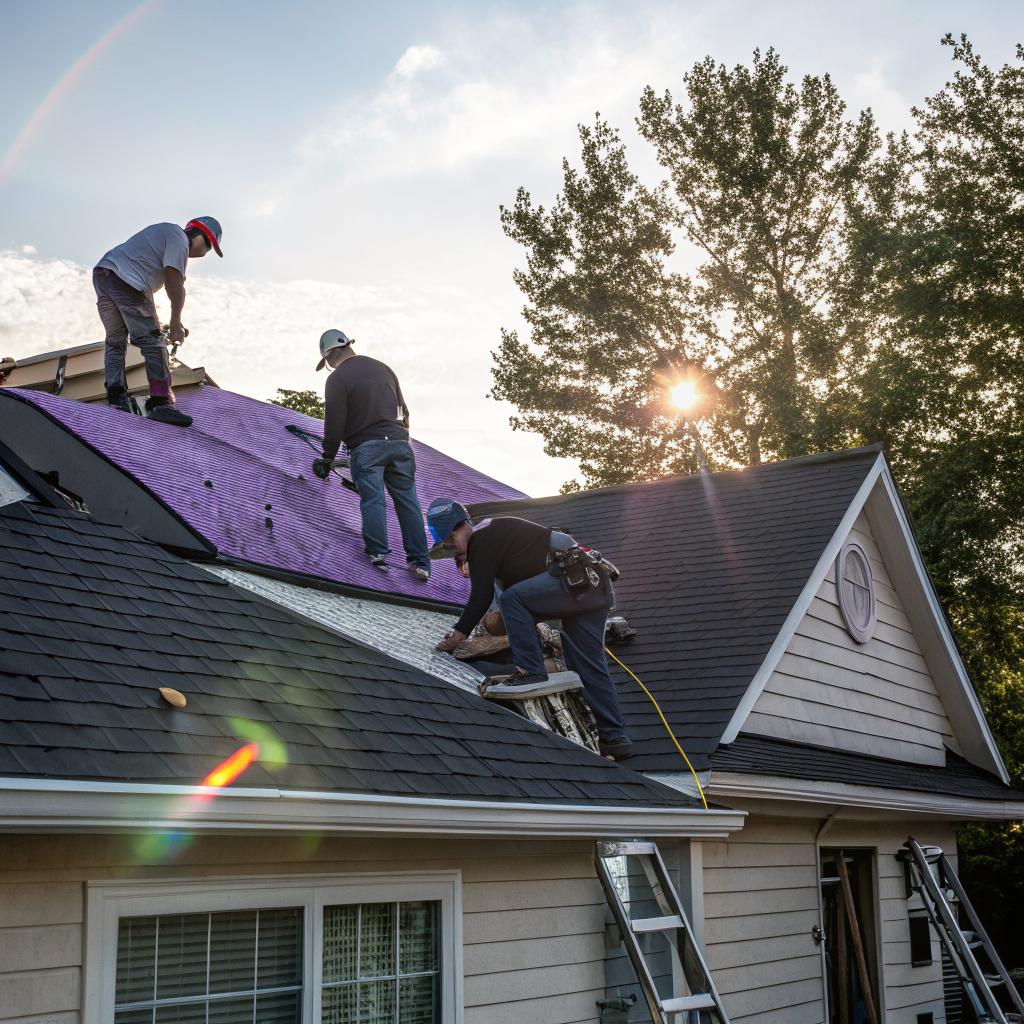

“All insulation contractors are the same. Just pick the cheapest one and move on.”
That line is false, and it is the fastest way to end up with a hot, stuffy house and a bigger energy bill. If you want Houston insulation contractors you can actually trust, you need to slow down a bit, look at how they work, and check what they care about besides the sale. Price matters, of course, but the real test is whether the crew in your attic treats your home like theirs, explains things in plain language, and backs it up with clear photos, clear pricing, and clear results. A good starting point is to compare a few local options, including companies like Houston insulation contractors that focus on attics, radiant barriers, and real energy savings, instead of quick one-time jobs.
I will say this directly. Good insulation in Houston is not a luxury upgrade. It is almost a survival tool in August. Our summers cook roofs. Attics hit temperatures that feel unreasonable. If your insulation is thin, patchy, or just old, your air conditioner works harder, runs longer, and sometimes never really catches up.
So yes, choosing the right contractor is a big decision. Not dramatic, but still serious. I have seen people pay twice for the same attic because the first crew cut corners, left gaps, or buried problems under new material. The second crew had to remove everything, fix air leaks, then start again. That is not what you want.
Let us walk through how to avoid that kind of mess and how to spot a contractor you can actually trust in Houston, without getting buried in sales talk or technical noise.
What “trust” really means with insulation contractors
Trust can sound like a vague word, but in this context it is pretty concrete. When you let a crew into your attic or walls, you are trusting them with:
– Your comfort
– Your monthly energy bill
– Your safety
So a “trustworthy” contractor is not just friendly on the phone. They do a handful of very specific things:
– They tell you what you need, not what pays them the most.
– They show you proof of what they did, not just talk about it.
– They give you straight answers when you push back or ask awkward questions.
Here is the part that sometimes gets ignored. You also have a role in this. If you do not ask questions, if you rush to the cheapest quote, or if you accept vague promises, you make it easier for a weak contractor to slide by.
You do not need to be suspicious of every person you call. But a bit of healthy doubt helps. If a contractor cannot explain in simple words why they recommend one material over another, something is off.
How Houston’s climate changes the insulation conversation
Houston is not like a mild northern city where insulation is all about winter. Here the story is mostly about heat, humidity, and roofs that soak up sun all day.
A lot of homeowners only think about the number on the insulation bag, usually the R-value. Higher R-value sounds better, and in many ways it is. Still, that is not the full picture in a climate like ours.
Here is why Houston is a little different:
– Our attics can shoot past 130°F on hot days.
– Humid air sneaks into gaps and can lead to condensation and mold.
– Air conditioning already uses a big share of your power bill.
So a good contractor in this city looks at more than just “how thick should the insulation be.” They think about:
– Controlling attic temperature, not just insulating the living space
– Managing moisture around ducts and vents
– Protecting the roof deck from long term heat
Some companies treat Houston like any other city and give you a copy-paste package. The better ones adjust the plan to your house, your roof, and even how you use different rooms.
Types of insulation you are likely to see in Houston attics
A trustworthy contractor will not just throw a single option at you. They will walk through what is on the table, what you already have, and what makes sense to keep or replace.
1. Fiberglass batts and blown fiberglass
Most older homes have fiberglass in some form. It is common, familiar, and relatively simple to install. You see it as those fluffy rolls or as loose fill that looks like pink or white cotton.
Good points:
– Non-combustible
– Widely tested and known
– Affordable per square foot
Weak points:
– Can leave gaps if not installed with care
– Can lose some effectiveness if compressed or very dirty
– Itches like crazy if handled without protection
A decent contractor will not automatically throw away your existing fiberglass. If it is dry, clean, and not badly compressed, they might build on top of it with more fiberglass or other products. If it is full of rodent droppings or mold, that is a different story.
2. Cellulose insulation
Cellulose is made from treated, shredded paper. It sounds basic, but in many attics it performs very well.
Strengths:
– Fills odd gaps and corners
– Helps reduce sound between rooms and floors
– Made from recycled material
Weak spots:
– Can settle over time if not installed at the right density
– Needs proper air sealing underneath to perform well
In Houston, cellulose can work nicely if the attic is air sealed first. A good contractor will talk about that seal, not just about blowing in more material and calling it a day.
3. Spray foam insulation
Spray foam is the “big topic” in many contractor visits. Some companies push it hard. Some homeowners love it. Others hate the cost or have heard worrying stories.
Here is the simple version.
Closed-cell spray foam:
– Acts as insulation and air barrier
– Adds rigidity to the roof deck
– Good for tight spaces and vents
But:
– Costs more than other options
– Needs careful installation and curing
– Hard to remove if someone does a poor job
Open-cell spray foam:
– Lighter and usually cheaper than closed-cell
– Good for sound reduction
But:
– Lets moisture through more than closed-cell
– Needs special attention to roof ventilation strategy
A careful contractor in Houston will not push spray foam as the miracle fix for every attic. They will ask about your budget, roof structure, and any plans for future work. If every answer they give you leans toward “foam is the answer to everything,” you might be sitting with a sales script, not a genuine consultant.
4. Radiant barrier solutions
In our climate, radiant barriers can make a noticeable difference. They reflect a large chunk of the sun’s heat away from your attic space.
Radiant barrier is usually:
– A reflective foil installed on the underside of the roof deck
– Sometimes a coated decking material used during re-roofing
Good facts:
– Reduces attic heat gain from sunlight
– Helps your existing insulation do a better job
– Often pays back in lower cooling costs in hot months
Misunderstandings:
– It does not replace insulation. It works with it.
– It will not make your attic “cold,” just cooler than it would have been.
A trustworthy contractor will present radiant barrier as one tool out of several, not as magic. If they tell you that a radiant barrier alone is all you need and that insulation depth “does not matter,” be careful.
Signs a Houston insulation contractor is worth your trust
Here is where it moves from theory to what you can watch for when you talk to real people and they walk through your home.
They do more than a quick glance at your attic
A rushed contractor might pop a head into the attic access for ten seconds and quote a number. A better one will:
– Climb into the attic and move around
– Check insulation depth in more than one place
– Look for duct leaks, unsealed can lights, and bathroom vents
– Ask about any hot or cold rooms in the house
They might take photos or short videos for you and show them on the spot. That is a good sign. It means they know you cannot see what they see, and they want you involved.
They talk about air sealing, not just “more inches”
Good insulation without air sealing is like a thick blanket full of holes. Warm air and cool air trade places around it and your gains shrink.
Trustworthy contractors in Houston usually:
– Seal around plumbing penetrations
– Seal around recessed lights that are rated for insulation contact
– Address gaps around attic access doors
– Look at top plates on interior walls for air leaks
If your quote is just “Add R-38 insulation, price X” with no mention of sealing, baffles, or venting, you are not getting the full picture.
They explain ventilation in plain language
Insulation and attic ventilation go hand in hand here. You want enough intake and exhaust so your attic does not trap moisture or heat excessively.
You should hear about:
– Soffit vents
– Ridge vents or other exhaust options
– Baffles to keep insulation from clogging soffits
A contractor you can trust will show you where vents are blocked or missing and will tell you how they plan to fix that. If they sound vague, or if they cannot show you the spots they are worried about, that is a weak sign.
A contractor who cannot explain your attic plan without technical jargon probably does not fully understand it themselves.
Questions to ask a Houston insulation contractor before you say yes
You do not need a quiz sheet, but a few good questions can tell you a lot in a short time. Here are questions that tend to reveal how someone works:
1. “What would you do if this were your own house?”
This is a simple question, but it puts them in a different frame of mind. Listen for a clear, specific answer. For example:
– “If this were mine, I would air seal these areas, add cellulose on top of the existing fiberglass, and clear your soffit vents.”
If they give you a vague or rehearsed line, or if they dodge it and go back to pricing, that is not ideal.
2. “Can you show me photos of past jobs that look like my house?”
Do not just accept one “before and after” from a large luxury home if you live in a small one-story house. Ask for similar projects.
Look for:
– Attic shots that show baffles, not just fluffy material
– Evidence of clean work around ducts and vents
– Examples of insulation removal if they are proposing that
3. “What are the top 3 things that could go wrong if this is not done right?”
This question forces them to talk about risk and mistakes. An honest contractor will accept that things can go wrong with poor work:
– Moisture problems
– Uneven temperatures between rooms
– Voided roof warranties if ventilation is blocked
You want someone who can describe the downsides clearly instead of pretending there are none.
4. “How will you keep my house clean while you work?”
Insulation can get messy. A careful crew will talk about:
– Covers for floors and furniture near access points
– Vacuum systems for blown insulation and removal
– How they seal the access while they work
If they shrug this off, be cautious. The way they treat your floors is often a hint about how they handle your attic.
Comparing quotes: not just about the lowest number
You will probably collect more than one quote. That is good. But looking at the bottom line only is not enough. Two quotes that both say “R-38 in attic” might be very different jobs.
Here is a simple way to compare.
| Item | Contractor A | Contractor B |
|---|---|---|
| Insulation type and R-value | Blown fiberglass to R-38 | Cellulose over existing fiberglass to R-49 |
| Air sealing included | No mention | Yes, around penetrations and attic hatch |
| Ventilation work | None | Add baffles, clear soffits |
| Insulation removal | Not included | Remove contaminated areas near bathroom vent |
| Photo documentation | No | Before and after photos promised |
| Warranty | 1 year workmanship | 3 years workmanship |
| Price | Lower | Higher |
In that example, Contractor A is cheaper, but you are not getting air sealing, ventilation work, or photo proof. Contractor B costs more but likely gives you a better performing, longer lasting result.
Sometimes the cheapest quote is fine, especially for a small, simple project. Still, you want to know what is included and what is quietly left out.
If a quote fits on a sticky note, it is probably not detailed enough for a full attic project.
Insulation removal in Houston: when “starting over” makes sense
People often hope to just add more insulation and call it done. That works in many cases. But sometimes removal is the smarter call.
Here are common reasons to remove old insulation:
– Rodent infestation
– Heavy dust and debris from past renovations
– Water damage from roof leaks
– Old insulation that is badly compressed or uneven
Removal is messy and not pleasant. You probably do not want to be in the house watching it happen. This is where trust is huge, because you are relying on the crew to do thorough work where you cannot easily check.
Signs of a careful removal process:
– They use industrial vacuums to pull insulation out to bags outside
– They protect the entry path into the attic
– They inspect for wiring issues, open junction boxes, or damaged ducts once insulation is gone
Some contractors skip removal and just bury all the problems. That might be cheaper at first, but long term you are locking in issues under a new layer of material.
Why radiant barriers and insulation work best together in Houston
A lot of marketing around radiant barriers oversells the product. You might see claims that you will cut energy bills in half, or that you will “never feel heat again.” That kind of hype is a red flag.
Here is a calmer, more realistic way to see it.
Radiant barriers:
– Reflect solar heat before it fully enters your attic
– Reduce the load on your insulation and your AC
– Help even more when combined with proper venting
Traditional insulation:
– Slows down heat flowing into the living space below
– Works day and night, summer and winter
Using the two together in Houston can:
– Lower attic temperature
– Help the AC cycle less
– Make upstairs rooms feel more stable
A contractor you can trust will often show you an energy model or at least explain rough savings ranges instead of wild promises. They might say something like “You can expect a noticeable difference in attic temperature, and some customers see their cooling bills drop by around 5 to 15 percent, depending on the house.” That kind of answer, with ranges and “it depends on your situation,” is usually more honest.
What a realistic before-and-after looks like in a Houston home
Let me walk through a simple example that feels closer to what actually happens.
A one-story home in Houston, built in the early 2000s:
– Existing insulation: Patchy fiberglass, about R-13 to R-19 in most areas
– Attic: Hot, stuffy, with some blocked soffit vents
– Problems: Bedrooms on the west side are warmer in the evening, AC runs almost nonstop on the hottest days
A careful contractor might propose:
– Remove contaminated insulation near an old roof leak
– Air seal major gaps and around ceiling penetrations
– Install baffles to keep airflow from soffit vents
– Add blown cellulose or fiberglass to reach R-38 or higher
– Install radiant barrier on the roof deck
What the homeowner can expect afterward:
– Attic temperatures lower by a noticeable amount
– AC runs in more defined cycles instead of nearly constant
– West bedrooms feel closer in temperature to the rest of the house
– Noise from outside might drop a bit, especially with cellulose
Will it turn the house into a perfectly comfortable cave during a record heatwave? No. You still live in Houston, and the outside weather still matters. But your system will not struggle as much, and your bills should stop creeping up for no clear reason.
Red flags when talking to insulation contractors
So far we have talked about good signs. It also helps to be honest about things that should make you pause.
Some warning signs:
1. Pressure tactics
If someone says:
– “This price is only good if you sign today.”
– “Everyone else will charge double what we do.”
You can step back. Good companies stay busy, but they do not need to force you into same-day decisions.
2. Wild savings claims
If they promise that you will cut your energy bill in half, or give you a guaranteed number without looking closely at your house, treat that as marketing, not reality.
Every house is different. Your AC unit, your windows, your habits, and even how many people live there all matter.
3. No questions about your goals
If a contractor never asks things like:
– “Which rooms bother you the most?”
– “Are you planning to stay in this house for a long time?”
– “Do you have any allergies or concerns about specific materials?”
They might just be selling their standard package. A trustworthy company usually wants context.
4. Very vague scope of work
If the proposal just says “Add insulation” with no mention of:
– Material type
– Target R-value
– Any prep or sealing
– Any ventilation adjustments
You are left open to surprises.
The more precise the written scope, the less room there is for misunderstanding once the crew shows up.
How to prepare your home and yourself before the crew arrives
You can make the project smoother and easier if you do a few things ahead of time. It also helps you feel more in control.
Some simple steps:
Clear access
If your attic access is in a closet or a hallway, move:
– Clothes, storage bins, or shelves away from the hatch
– Fragile items that might get bumped
Ask the contractor:
– “Where will your crew enter, and what should I clear?”
That small question helps them plan too.
Talk about pets and kids
Let them know if you have pets that might be anxious about noise, or kids who nap at certain times. A decent crew will try to work around those needs when possible or at least warn you about the loudest phases.
Agree on photo documentation
Ask directly:
– “Can you send me before and after photos of key areas in the attic?”
This is not about catching them doing something wrong. It just gives you peace of mind about parts of the house you rarely see.
Why some homeowners regret rushing the choice
I have heard people say, “It is just insulation, why make it a big deal?” Then, a year later, you hear a different tone:
– “Our house is still hot upstairs.”
– “We had to pay again to fix duct leaks that should have been spotted.”
– “The crew covered our soffits, and now we have moisture problems.”
Almost every regret story has the same pattern:
1. They went with the cheapest quote.
2. The scope of work was vague.
3. The company did not talk much about air sealing or ventilation.
4. There was little or no follow up after the job.
Insulation is not glamorous. You rarely show guests your attic. But it quietly affects your daily comfort and your bills for years. Spending a bit more time at the start, asking sharper questions, and checking references is worth it.
Frequently asked questions about finding Houston insulation contractors you can trust
Q: How many quotes should I get before choosing a contractor?
Most people do well with two or three quotes. More than that can turn into noise and confusion. The key is to compare detailed scopes, not just prices.
Q: Is spray foam always better than traditional insulation in Houston?
No. Spray foam has real strengths, but it is not the best fit for every home, budget, or roof. In some attics, a mix of air sealing, blown-in insulation, and radiant barrier performs very well at lower cost. A trustworthy contractor will explain tradeoffs, not push one product for every situation.
Q: How fast should I expect my energy bills to change after new insulation?
If the work is done well, you might see a change on your next bill or the one after that, especially in peak cooling months. The exact amount varies. Some homeowners notice fewer AC cycles and a steadier indoor temperature first, then see the bill difference later.
Q: Do I always need to remove old insulation before adding new material?
Not always. Clean, dry, and evenly spread insulation can often stay in place and be topped up. Removal makes sense when there is contamination, serious damage, or very inconsistent coverage. A careful contractor will show you photos and explain why they recommend removal, not just tell you it is “required” without proof.
Q: How do I know if an insulation contractor is licensed and insured in Texas?
Ask for their insurance certificate and any relevant license or certification details. Then verify, do not just take their word for it. Ask if they carry workers compensation and general liability coverage. A company that hesitates to share documentation is giving you an answer without saying it out loud.
Q: What is one simple thing I can do today, before calling anyone?
Walk around your home and make a quick note of:
– Rooms that feel hotter or colder than others
– Times of day when comfort problems are worst
– Any drafty spots or places where you hear outside noise more
Bring that short list to your first call. The contractor who listens carefully, asks follow up questions, and refers back to your list later is more likely to treat your home thoughtfully.
And maybe that is the real test. You are not just buying insulation. You are choosing who you trust to climb into the parts of your home you rarely see. Would you feel comfortable handing that person your attic access key and stepping away for a few hours? If the answer is not quite “yes,” keep looking.
