
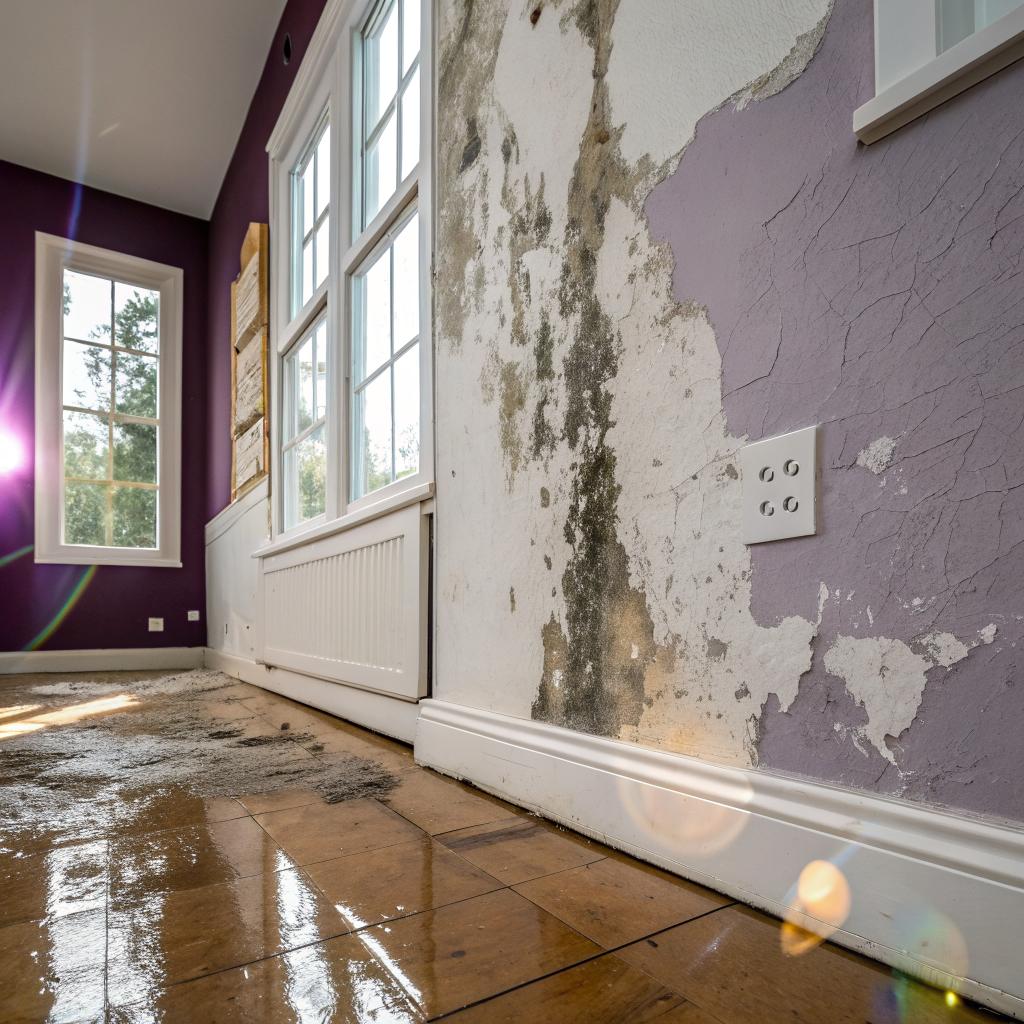

“If you catch the leak quickly and mop it up, you do not need real water damage repair. It will just dry on its own.”
That sounds reasonable, but it is often wrong, especially in Salt Lake. Water slips into subflooring, wall cavities, insulation, and even electrical boxes. It can sit there, hidden, for days. By the time stains or smells show up, mold and rot may already have started. The short answer: yes, you can handle small cleanups yourself, but real water damage remediation Salt Lake City usually means more than towels and a box fan.
Let me walk through what actually works in real houses here, and where you can save money without putting your home at risk.
I am going to focus on what a homeowner can reasonably do, what professionals do differently, and how to tell which path makes sense for you. I have seen people panic over a spilled bucket, and on the flip side, I have watched someone ignore a slow leak for months because “the carpet feels dry now.” One of those is harmless. The other quietly wrecks a wall.
This is the tricky part. Fresh water on the floor can look simple, almost boring. No flames, no smoke, nothing dramatic. So you mop and move on. Yet here in Salt Lake, with our mix of older basements, winter snowmelt, spring rains, and summer monsoon storms, water damage is kind of sneaky. It tends to show up where you are not looking: behind baseboards, under laminate, under that “cheap but looks nice” basement carpet.
Let us start from the moment you notice water, because what you do in the first hour changes everything later.
First things to do when you find water in your home
You wake up, step on the rug, and it squishes. Or you walk into the basement and there is a puddle near the floor drain. Your brain jumps to cost, insurance, repairs. Try to pause that a bit. The first actions are pretty basic, but they matter.
Stop the source if you can
If the water is from plumbing, shut it off. Not later. Now.
Look for:
– A sink or toilet supply line that is spraying
– A washing machine hose that popped off
– A water heater that is leaking from the bottom
– An icemaker line that cracked
Most homes have:
– Individual shutoff valves near fixtures
– A main shutoff where water comes into the house, usually near the front foundation wall or in the basement
If the water is from outside, like a storm, you may not be able to stop it right away. In that case, focus on blocking and channeling it. Towels against door bottoms, simple barriers, even a push broom to direct water toward a drain is better than doing nothing and hoping.
Kill power in the wet area if it is not safe
Water and electricity together are a bad mix. If outlets, power strips, or extension cords are in contact with water, go to your panel and turn off the breakers to that area before you wade in.
If you are not sure which breaker to flip, it is safer to shut off the main until you can trace what is wet and what is not. It is a hassle, yes, but less of a hassle than getting shocked.
Quick triage: what kind of water is this?
People talk about categories without really explaining them. It does matter, especially for health.
Here is a simple view:
| Water type | Common source | Risk level | DIY suitable? |
|---|---|---|---|
| Clean water | Supply line, sink overflow, fresh rain through roof | Low at first | Yes, if small and dried quickly |
| Gray water | Washing machine, dishwasher, slightly dirty sump backup | Moderate | Sometimes, with protection |
| Black water | Sewage, toilet overflow with waste, floodwater with debris | High | No, call a professional |
Clean water does not stay clean for long. Once it sits on drywall or carpet for more than 24 to 48 hours, bacteria and mold spores start to grow, and the risk level climbs.
If the water clearly involves sewage, or smells like it, do not try to fix that yourself. That is not being cautious, that is just being honest.
DIY vs professional: where is the line?
This is where many homeowners in Salt Lake wrestle a bit. You do not want to overreact and spend money you do not need to, but you also do not want to underreact and pay far more later.
Here is a simple way to think about it.
Small, clean-water spills on hard surfaces with no walls or insulation involved are usually fine for DIY cleanup. Anything involving soaked walls, insulation, or sewage is usually safer for a professional crew.
A few questions can help you sort it out:
– How long has the water been there?
– Did it go under walls or behind built-in cabinets?
– Is the ceiling below sagging or stained?
– Did it soak carpet padding or only the surface?
– Any musty smell already?
If you are pretty sure you are looking at a small, fresh spill, you can usually handle the core steps yourself: removal, drying, and monitoring. If there is doubt, at least talk to a restoration company and get their read. Most will do an inspection and give estimates. You are not locked in just by asking.
Core steps in real water damage repair
Professional restoration in Salt Lake often follows the same basic steps, whether it is a burst pipe in Sugar House or an ice dam leak in Millcreek. The difference is in the tools and scale.
1. Water removal
The first goal is simple. Get liquid water out of the home as fast as possible.
At home, you might:
– Use towels, a wet/dry shop vac, and mops
– Push water toward floor drains if you have them
– Move rugs and small furniture out of the wet area
Pros use truck mounted or high capacity extractors that pull water from carpet, pad, and sometimes even from the subfloor. The better the extraction at this stage, the shorter the drying time and the lower the chance of mold.
A common mistake is to skip good extraction and rely only on fans. Fans move moisture into the air but do not remove it from the building unless that air is also dried by dehumidifiers or vented correctly.
2. Controlled demolition, when needed
Nobody likes this part. Cutting drywall, pulling baseboards, lifting carpet. It feels destructive. People often resist it.
Yet if water has soaked:
– Insulation inside a wall
– The lower section of drywall
– The back of baseboards and trim
then those materials may trap moisture.
Professionals will often “flood cut” walls, usually at 12 to 24 inches from the floor, to remove soggy insulation and allow airflow in the cavity. It looks aggressive, but it allows the inside of your wall to dry rather than rot quietly for months.
If you are doing this yourself, be careful about:
– Electrical lines in walls
– Plumbing in exterior walls
– Hidden pipes near showers and tubs
Cut small inspection holes first. Use a voltage tester. Take it slow. If it feels out of your comfort zone, it probably is.
3. Drying the structure
Once free water is gone and unsalvageable material is removed, the next goal is to dry everything that stays.
Drying is a mix of:
– Air movement across wet surfaces
– Dehumidification of the room air
– Temperature control
You might open windows if the outside air is dry, and run box fans. That can help in some seasons. In winter, the outside air in Salt Lake is often quite dry, but you must balance that with heat loss and freezing issues. In summer, especially during storms, outside air can carry a lot of moisture.
Pros use:
– Commercial air movers placed to cross-vent surfaces
– Dehumidifiers sized for the room volume
– Moisture meters to check the inside of walls and subfloors
– Infrared cameras to spot hidden damp areas
Without meters, you mostly guess. You touch drywall and it feels dry on the surface, but the core is still wet. That is where hidden damage starts.
4. Cleaning and treating surfaces
Even clean water pickups usually involve some cleaning.
This often includes:
– Removing dirt or residue the water carried
– Applying disinfectants on floors and walls that got wet
– Cleaning and deodorizing carpets, if they are kept
You do not need harsh chemicals for everything, but something more than plain water is helpful on surfaces that had contact with gray or borderline water.
If materials have visible mold growth, that is past simple cleaning. That is remediation. In many cases, these materials are removed rather than scrubbed.
5. Repairs and rebuilding
Once moisture levels are back to normal, repair work starts. This part is closer to regular remodeling.
It may involve:
– Replacing sections of drywall
– Repainting affected rooms
– Resetting or replacing baseboards and trim
– Reinstalling or replacing flooring
This is where you see the cost difference between quick response and slow response. A small plumbing leak caught early might need only some baseboard paint and a bit of patching. The same leak ignored for weeks can turn into a multi room tear out.
Salt Lake specific issues that change the repair plan
Water damage in a Salt Lake home is not exactly the same as along a coast or in a very humid region. Our climate and building styles create some unique patterns.
Basements and slab issues
Many homes here have basements or split level setups. Basements are common targets for:
– Groundwater seepage after heavy storms or fast snowmelt
– Sump pumps that fail or cannot keep up
– Window wells that fill and leak
– Irrigation water that runs toward the house instead of away
Basement materials vary. Some have older wood paneling and minimal insulation. Others have finished drywall, carpet, and built-in storage. Once water gets in, it can pool along the foundation wall and work into framing.
One thing I see often is carpet laid directly on slab with just a thin pad. People think “it is just a bit damp” so they run fans on the surface. Underneath, between cold concrete and warm indoor air, moisture condenses and stays. After a week or two, there is a clear smell, and lifting the carpet shows dark spots on the backing or pad.
If water reached your basement carpet and you do not at least check the pad and slab beneath, you are guessing. Guessing is rarely cheaper in water damage repair.
Winter freeze and thaw patterns
Cold winters bring a different kind of water problem. A slow drip in a garage or crawlspace can freeze and melt in cycles, which makes it harder to notice. Pipe bursts sometimes show up only when the thaw hits.
In freezing weather:
– Pipes near exterior walls are more vulnerable
– Attic plumbing lines for bathrooms can crack
– Roof leaks may freeze, then thaw and show up later inside walls
One practical tip: after a known freeze event, walk your house and check ceilings and exterior walls for new stains or soft spots, even if you do not see active dripping yet.
Roof leaks and ice dams along the Wasatch Front
Roof leaks in Salt Lake are often not big pours of water. Many are slow drips around vents, flashing, or under shingles where ice dams formed.
The hard part is that the water may travel along rafters or down framing members, then show up in a totally different place. A stain in the middle of a ceiling might trace back to a sidewall or vent boot.
If a roof leak has soaked insulation, that insulation usually needs to be removed, not just dried. It clumps, holds moisture, and loses its value. In attics, that often means working in cramped, dusty, hot or very cold spaces. This is one of those jobs many people are tempted to skip. The risk is mold in the insulation and odors that spread into living spaces later.
Common mistakes Salt Lake homeowners make with water damage
I do not say this to blame anyone. These are normal reactions. They just do not work very well.
Relying only on “looks dry” and “feels dry”
Drywall, wood, and concrete often feel dry to the touch long before their moisture content is actually back to safe levels. Without a meter, you are flying blind.
Pros use specific numbers. They will measure an unaffected area as a baseline, then compare the wet area and keep drying until it matches.
If you are working without tools, at least give drying more time than your eyes suggest. A single day with fans is rarely enough for soaked walls or floors.
Saving carpet when the pad is ruined
Carpet padding is often cheap, relative to everything else. It holds a large amount of water and dries slowly.
Many homeowners want to save it to avoid the hassle and cost. They run fans for two days, the surface feels dry, they put furniture back, and two weeks later there is a smell.
Often the better move is:
– Extract water as well as possible
– Pull the carpet back
– Remove and discard the pad
– Dry the subfloor
– Install new pad
– Reinstall or stretch the carpet
If the water was gray or black, saving either carpet or pad is much more questionable.
Skipping the source repair
This one sounds obvious, but I still see it.
People clean up the water but ignore the cause:
– A failed wax ring on a toilet
– A loose fitting under a sink
– A slow foundation leak each time sprinklers run
So the problem repeats.
If you cannot identify the source yourself, press for help. A plumber, roofer, or restoration tech will usually have ideas based on where the water showed up first.
Working with water damage repair companies in Salt Lake
If you decide to bring in help, you want a company that is practical, not pushy. Someone who will tell you when you can handle part of the work on your own.
Here are a few realistic signs of a solid repair partner:
They measure, they do not guess
When a tech walks in with moisture meters, thermal imaging, and explains what they are checking, you get a better plan. If someone only glances around and quotes a price without checking behind surfaces, be cautious.
They explain what can be saved and what cannot
Not everything needs to be torn out. Not everything can be saved. You want clear reasons.
For example:
– “This lower drywall is crumbling and tests wet above safe levels. We will remove 16 inches so we can dry the framing.”
– “This solid hardwood can likely be dried and flattened with specialty mats.”
– “This laminate flooring swelled at the seams. It will not go back to normal, so we recommend replacement.”
Vague answers like “we usually just rip all this out” without details are not helpful.
They talk about moisture goals, not just days of drying
Drying should be based on readings, not on a fixed number of days. A good company will show you progress numbers as they work.
They know local building types and issues
Salt Lake has a mix of older homes near downtown, newer construction in suburbs, and plenty of split levels and ramblers. A company that regularly works in your area has a better sense of common problem spots, like:
– Old cast iron drain lines that crack
– Basement additions with weak drainage
– Attics with poor ventilation that trap moisture
Insurance and water damage in Salt Lake homes
Insurance coverage around water is confusing. Many homeowners only find out the details during a crisis, which is the worst time to read fine print.
Here is a simple overview, but you still need to read your policy.
Typical things that are covered
Often covered:
– Sudden and accidental pipe bursts
– Supply line failures
– Water heater ruptures
– Some appliance failures that release water
Often not covered or only partly covered:
– Long term leaks that you “should have noticed”
– Poor maintenance issues
– Groundwater seepage through foundations
– Flooding from outside sources like rivers or heavy surface water, unless you have separate flood coverage
Why acting fast helps with claims
Insurers expect you to take reasonable steps to limit damage. That might include:
– Shutting off water
– Starting basic cleanup
– Calling a restoration company quickly
– Moving belongings away from wet areas if it is safe
Waiting several days before doing anything gives both water and mold more time to spread, and it also makes some insurance adjusters less willing to pay for the full repair.
If your damage seems large enough to involve insurance, document:
– Photos and short videos from several angles
– Notes on when you first noticed the water
– Any temporary repairs or purchases you made, like fans or tarps
– Receipts for emergency work
Most restoration companies in Salt Lake are used to working with insurers and can provide detailed moisture logs, itemized estimates, and photos to support a claim.
Protecting your home before the next water problem
Nobody can prevent every leak. Pipes fail. Storms surprise us. But there are a few things that tilt the odds in your favor.
House checks that take less than an hour
A couple of quick routines, done twice a year, can catch early warning signs.
Some ideas:
– Look under all sinks for damp wood, swelling, or discoloration
– Feel around toilet bases for soft flooring or movement
– Check around the water heater for rust, drips, or puddles
– Walk your basement, looking for new cracks, efflorescence on concrete (white powdery residue), or damp spots
– Peek at your washing machine hoses and icemaker line for bulges or corrosion
None of this is technical. You are simply looking for signs that water has been, or still is, somewhere it should not be.
Simple upgrades that can reduce risk
If you have had water problems before, you might think about a few improvements.
For example:
– Replace old rubber washing machine hoses with braided ones
– Install a leak detector with a shutoff on your main line or near critical appliances
– Extend downspouts to discharge water farther from the foundation
– Adjust landscaping so soil slopes away from the house rather than toward it
– Add or service a sump pump, and consider a battery backup if you already have one
None of these make you immune, but they turn a silent risk into something that either does not happen or is caught sooner.
How to talk through a repair plan with a contractor
If you do bring in a Salt Lake water damage repair company, the conversation you have in the first visit shapes everything. You do not need technical jargon. You do need clear questions.
Here are a few practical ones you can ask:
– What is wet right now, and how do you know?
– What materials need to be removed, and why?
– How long do you expect the drying phase to last, based on what you see?
– How often will you check progress?
– What will you do if hidden moisture shows up later during the job?
– Can any of the work be done by me to lower cost, and which parts should only be handled by your crew?
Listen for straightforward answers. If someone cannot explain the plan in plain language, they might not have a solid plan yet.
Frequently asked questions about Salt Lake water damage repair
How fast can mold start after water damage?
In many cases, mold can start growing within 24 to 48 hours on damp materials. That does not always mean you see it immediately. It may stay hidden behind walls or under flooring for days or weeks before there is visible growth or odor. That is one reason early drying and good airflow matter so much.
Can I just paint over a water stain on the ceiling?
You can, but only after you know the leak is fixed and the material is fully dry. Painting over active moisture or ongoing leaks only hides the symptom. In some cases there is already damage inside the ceiling cavity, like wet insulation or mold on framing. Before painting, at least check for softness, new stains, or bulging.
Is it safe to use my own fans instead of professional equipment?
For small, shallow spills on tile or vinyl, box fans are often enough. For deeper water that soaked into walls, carpet, or wood, box fans alone rarely reach the moisture quickly enough. They move air, but without proper dehumidification, all that moisture stays inside the house air and can condense elsewhere.
Do I have to throw away furniture that got wet?
It depends on the type of water and the furniture material. Solid wood that got briefly wet can often be dried and refinished. Particle board swells and often does not go back to normal. Upholstered furniture exposed to clean water for a short time might be saved by professional cleaning and drying. If the water involved sewage, keeping soft items is usually not a good idea.
How do I know when things are really dry?
The honest answer is that your hands and eyes are not enough. Professionals use moisture meters to compare wet areas to known dry parts of the house. If you are attempting DIY drying, give it more time than seems necessary, and check for any lingering musty smell. If there is doubt, you can ask a restoration company to do a moisture inspection only, even if you do the rest of the work yourself.
Should I wait for the insurance adjuster before starting cleanup?
Waiting too long can make damage worse. In most cases, insurers expect you to start reasonable emergency steps right away: stopping leaks, removing standing water, and setting up drying. You can document everything with photos and receipts while you do it. If you are unsure how far to go before the adjuster visits, ask your agent or the claims line what they recommend for your specific situation.
If you found your floor wet this morning and are still not sure what to do next, that is normal. The better question is not “How do I make this perfect?” but “What are the next two or three smart steps I can take today to stop the damage from spreading?”
