
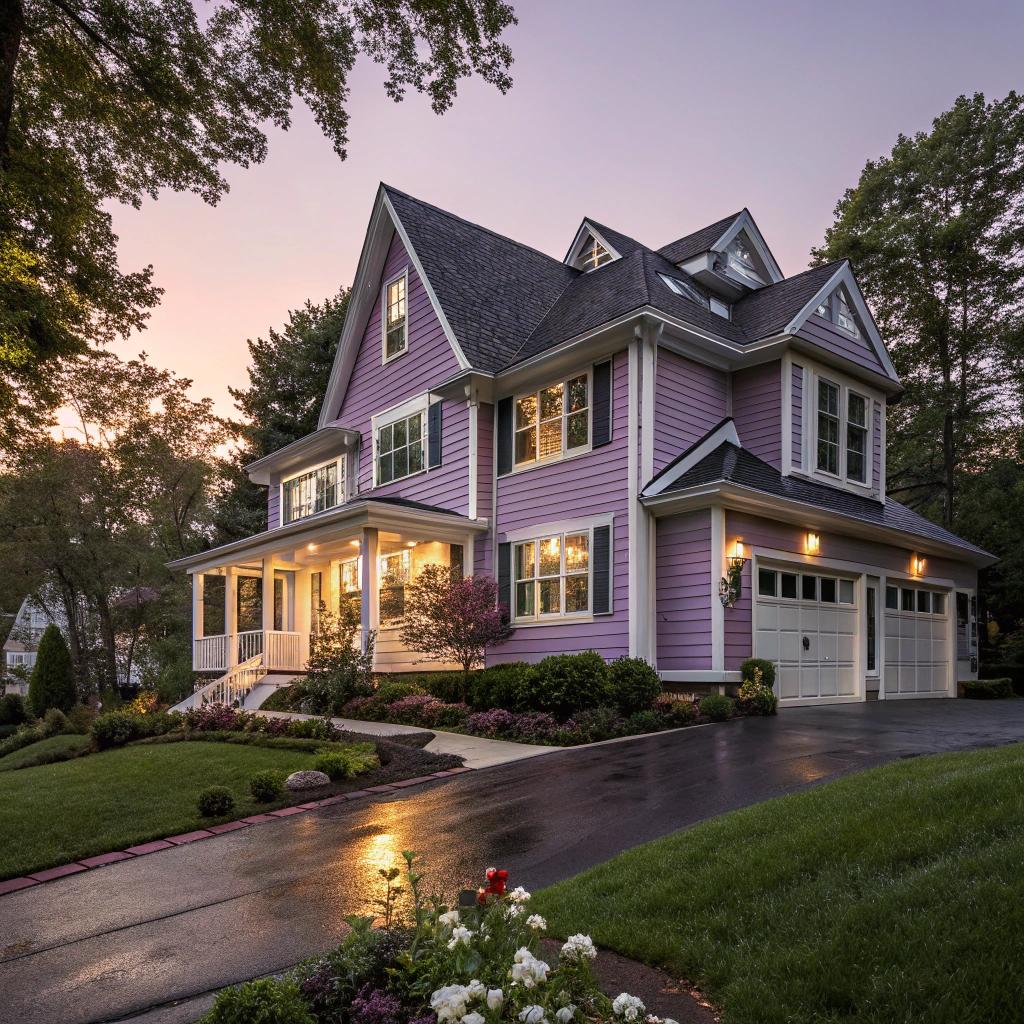

“Adding onto a Boston home is too expensive and never really looks like it belongs to the original house.”
That statement is only sometimes true. Many projects do go over budget or look a bit tacked on, but well planned home additions Boston homeowners invest in can look seamless, boost daily comfort, and bring serious value. The difference comes down to design, how you use the space, and how honest you are about what you really need, not some dream from a TV show that does not match your house or your street. Visit https://www.coenconstruction.com/ for more information.
If you are in Boston and thinking about building out, building up, or reworking space you already have, you probably want two things: more room and a result that feels like it was always part of the house. You also want to avoid months of regret and a project that drags on and on. That is reasonable. And it is possible, although sometimes people try to do too much with too little space, or with the wrong layout, and the end result feels cramped or odd.
So instead of rushing into big claims about “stunning” results, it helps to walk through what actually works in Boston homes. Not theory. Real layouts, real issues with narrow lots, winter light, old wiring, triple deckers, tight driveways, and neighbors who are five feet away and not always thrilled when the trucks pull up.
You might find that what you thought you wanted is not quite what makes sense. Or you might discover that a slightly different style of addition will give you a better daily life at home, without fighting your house or the neighborhood.
Why Boston home additions feel different from other cities
Boston homes are not blank boxes. You have old colonials, small capes, triple deckers, brick townhouses, and a lot of quirky one-of-a-kind houses that were changed ten times since the 1920s. That variety is nice, but it also makes additions tricky.
In the suburbs outside the city, you might see big rear additions that spread across wide yards. Inside Boston or in closer suburbs, space is tight. Side yards are narrow. Back yards are small and sometimes sloped. And there are zoning rules, height limits, historic districts, and setback rules that affect what you can actually build.
Many homeowners start with a big idea like, “We want a huge open concept living space.” Then they learn that the lot depth, height limits, and structure of the existing house will shape what is realistic. I do not say that to discourage you, more to save you from planning a project that will never get approved or that would cost double what you expect.
Another local factor is winter. Long, cold, and dark. A new addition that blocks light to your current rooms can make the original house feel gloomy. A good plan brings in light, maybe with larger windows, a glass door, or a small bump-out that catches southern or western sun, without baking the space in summer.
Types of home additions Boston homeowners actually use
You can label additions in many ways, but these are the types that make the most sense in and around Boston. Not as buzzwords, but as spaces that really earn their keep in daily life.
1. Kitchen expansions that connect to the back yard
Many older Boston homes have small, closed-off kitchens. The sink is in one corner, the fridge in another, and you bump into someone each time you turn around. Opening the kitchen and extending toward the back yard is one of the projects that truly changes how a home feels.
A typical pattern is to remove a rear wall and add a single story extension that holds:
– A larger working kitchen
– Room for an island or peninsula
– A small dining area
– A door to a deck, patio, or small yard
You might not need a massive space. Even 6 to 10 feet of added depth can make room for better cabinets, extra counter space, and a layout that lets two people cook without arguing over the oven door.
One thing that often gets missed is storage. Everyone wants the pretty part: windows, island, pendant lights. But Boston winters mean you need a place to drop boots, coats, and bags, especially if the kitchen becomes the main entry from the back. If you do not plan that, the new space will always feel cluttered.
When you expand a kitchen, plan storage for real life: trash, recycling, bulk items, winter gear, pet supplies, and all the small things that otherwise end up on the counters.
2. Primary suite additions over the garage or rear of the house
Many older homes near Boston have small bedrooms and only one full bathroom. That might be fine for a while, then at some point you want a little privacy. A primary suite addition solves that. You can:
– Build above an existing one-story part of the house
– Add a second floor over a garage
– Extend the second floor out over a new first-floor addition
The best versions do not just throw a large bedroom onto the house. They create a small “zone” that feels a bit separate, with:
– Sleeping area
– Walk-in or reach-in closets that actually fit modern wardrobes
– A private bathroom, often with a walk-in shower
– Maybe a small sitting or desk area
Some homeowners go very large here and then find they never use half the space. A big suite sounds nice, but you pay for every square foot in framing, insulation, heating, and finishes. You also might lose yard space or light into other rooms.
So a better goal is often a well planned, moderate-size suite that uses space wisely. Enough room to move around, but not a hotel wing that steals warmth from the rest of the house.
3. Family rooms that pull living space off the kitchen
In many Boston homes, the formal living room is at the front, the kitchen at the back, and the family lives in the kitchen, sometimes perched on barstools. A rear family room addition off the kitchen can fix this.
The idea is to create a casual living space where kids can spread out, someone can watch a game, and someone else can cook nearby. It is not a “great room” that destroys all walls, but a connected area that gives you sight lines without turning the house into one giant echo chamber.
You might add:
– A step down from the kitchen into the family room for visual separation
– Large windows or patio doors for light
– Built-in storage for games, toys, and electronics
– A gas or electric fireplace for winter comfort
Many of these additions end up being the real center of the home. Strangely, they often get less design attention than the kitchen while still seeing more daily use. So if you are planning both at once, it is worth giving the family room equal thought.
4. Sunrooms and three-season rooms
Boston has long winters, so people naturally want more light. That often leads to plans for a sunroom. Some are four-season spaces tied into the heating system. Others are three-season rooms that are not fully insulated but add livable space spring through fall.
A four-season sunroom can feel like a regular room with large windows and maybe a vaulted ceiling. A three-season room can feel a bit like a porch, with screens and windows that slide or stack. Both types can extend daily living space without feeling as heavy as a full addition.
The big decisions here are:
– How much insulation, and do you connect it to the main heating system
– What kind of windows and doors you use
– How it connects to the rest of the house
A sunroom that is only accessible through a bedroom tends to become a rarely used “extra.” One that connects off the kitchen or family room tends to become the favorite spot for reading, coffee, or just sitting in winter light when the snow is piled outside.
5. In-law suites and multi-generational spaces
Boston has many families where parents move in with adult children, or where older kids return home for a while. An in-law suite can keep everyone under one roof, but with enough separation to preserve privacy.
These suites can be:
– On the first floor, often at the back or side of the house
– Above a garage
– In a new addition that has a private entrance
Common elements are:
– A bedroom
– A small sitting area
– A bathroom, often with accessibility in mind
– Sometimes a small kitchenette
If you design this with wider doors, a curbless shower, and smart lighting, it can work for aging parents now and for your own future needs. And if you later no longer need it as an in-law space, it can be used as a guest suite, office, or rental space, depending on local rules.
6. Basement build-outs that feel like real rooms
Some Boston lots do not allow much expansion out or up. In those cases, the basement often becomes the target. Many basements are underused, but turning one into real living space is more complex than painting the walls and adding rugs.
You need to think about:
– Ceiling height and any code requirements
– Moisture and water management
– Egress windows or doors for safety
– Heating and fresh air
If handled well, a basement can hold:
– A media room or playroom
– A home gym
– A guest bedroom with an egress window
– Storage that is actually organized
The goal is to have a basement that feels like it belongs to the house, not a dark, temporary bonus. That means careful lighting, a good layout, and some attention to finishes, not just using the cheapest flooring you can find.
What makes a home addition look “stunning” instead of tacked on
“Stunning” is a subjective word. One person may want a showy modern glass box. Another may want something so subtle that no one can tell it was added. In Boston, the additions that really stand out usually share a few traits, even if the styles differ.
Consistent exterior details
Look at houses where the addition looks like an afterthought and you will often see:
– Rooflines that do not line up
– Different siding types or colors
– Windows that are a totally different style or size
A well integrated addition repeats or slightly updates the key details of the original house: roof pitch, window proportions, trim style, and materials. That does not mean you have to copy every old flaw. You can clean up lines, choose more durable materials, and adjust some proportions. But you want the new parts to “talk” to the old without shouting over them.
Sometimes a small change like matching window grille patterns or continuing a trim detail around the whole house makes everything feel unified.
Thoughtful interior transitions
Inside, the most common mistake is ending up with weird steps, narrow doorways, or long walls with no purpose. You walk from one room to another and feel like you crossed into a different building.
Better transitions use:
– Aligned ceiling heights where possible
– Clear openings between old and new spaces
– Flooring that continues or changes in a clear, intentional way
– Lighting that avoids dark pockets near the connection
This can sound like design jargon, but you have probably felt it: some houses just “flow” even if you cannot say why. Often it is because someone took time to make the connections feel normal, not just tacked together.
Practical layouts for Boston living
A stunning space that is hard to use is not really a success. In this area, that often means planning for:
– Snow and mud at entries
– Places to charge devices without cords everywhere
– Good storage for coats, boots, and sports gear
– Enough outlets and lighting to handle short winter days
The most impressive additions are not the ones with the biggest chandeliers. They are the ones where you walk in on a February evening, hang your coat, and feel like the space just quietly works.
Many homeowners try to cram too many separate ideas into one addition: a giant kitchen, full living room, bar, office, and mudroom, all in 300 square feet. A better plan focuses on a few functions and supports them well.
How Boston zoning and permits shape what you can build
This part is not exciting, but it affects almost every project. In Boston and many nearby towns, zoning rules control:
– How close to the property lines you can build
– How tall you can go
– How much of your lot can be covered by buildings
– Parking requirements in some areas
– What is allowed in historic districts
Some homeowners jump into design without looking at these rules and then face major changes later. You can save time by checking:
– Your lot size and shape
– Existing setbacks
– Current building height
– Any special district requirements, like historic review
If your plan breaks the rules, you might be able to ask for a variance. But that takes time and there is no guarantee of success. This is one reason why some Boston additions are modest in size: the lot and zoning simply do not allow more.
Also, permit timing affects schedules. If you expect to start in spring, you might need plans and permit applications ready months before. There is a real backlog at some offices. I have seen people sign a contract in March and assume work will start in April, then be surprised when permits take longer.
Budgeting for a home addition in Boston
Many people start with a number in mind, often from a friend, a TV show, or a national average page online. Those numbers rarely match what Boston projects actually cost. Labor, materials, and permits here tend to be higher than many parts of the country.
I cannot give you exact pricing, but I can outline the parts that shape the budget:
Size and complexity
A simple rectangular addition with a standard roof is easier and more cost-effective than one with multiple corners, rooflines, and custom structural work. You pay for complexity in both labor and design time.
Very small additions can be surprisingly expensive per square foot, because you still need:
– Foundation work
– Roof tie-in
– Mechanical connections
– Finishes
So there is a balance. Tiny projects are not always cheap. Huge projects are obviously more expensive. Many families try to find a size where each added foot truly improves the layout.
Foundation and structural work
In Boston, ground conditions can vary a lot from street to street. Some lots are simple. Others need special foundation approaches. Structures in older houses can also be tricky, especially if earlier work was done without much planning.
If your project needs:
– New foundation walls or piers
– Structural beams
– Major reframing of existing walls
you should expect the budget to reflect that. This is not “extra” or luxury; it is what holds the house together. Spending here is not fun, but it is also not optional.
Mechanical, electrical, and plumbing
Bringing new space into the existing systems is another factor:
– Your current heating system might not handle the added square footage
– Electrical panels may be full
– Plumbing for new bathrooms or kitchens can add up quickly
Sometimes you need to upgrade the main panel, add a mini-split system, or modify existing ductwork. These items often surprise homeowners, because they are mostly invisible, yet they are critical for comfort and safety.
Finishes and details
This is where your choices make a big difference. Cabinets, counters, tile, flooring, fixtures, and lighting vary widely in cost. Two similar additions can differ by tens of thousands of dollars based on these decisions alone.
If you want a realistic budget, you have to be honest about your taste. Saying “standard finishes” without defining them does not really mean anything. A “standard” kitchen to one person might be very high end to another.
One useful approach is to create a simple table of priority areas and spending focus:
| Area | High Priority (Spend more) | Medium Priority | Lower Priority (Save where possible) |
|---|---|---|---|
| Kitchen addition | Cabinets, counters, layout | Appliances | Decorative lighting, some tile choices |
| Primary suite | Bathroom fixtures, shower | Closet systems | Extra decorative trim |
| Family room | Windows, insulation | Flooring | Built-ins that can be added later |
| Basement | Moisture control, egress | Lighting | Ceiling treatments, some finish details |
If you and your builder know where you want to invest and where you are happy to keep it simple, the project tends to stay closer to the budget.
Common mistakes Boston homeowners make with additions
Some missteps show up again and again. Knowing them ahead of time can help you avoid them.
Chasing square footage instead of quality of space
Many people talk about “adding 400 square feet” as if that is the main goal. But square footage does not guarantee comfort. A large, awkward room can feel worse than a smaller, well planned one.
If you find yourself always talking about numbers instead of how you plan to live in the space, it might be a sign that the focus is slightly off. Try walking through a normal day in your head and see where you get stuck. Where do you cook, work, relax, enter the house, store things? Design for that first.
Ignoring how the addition affects the rest of the house
A new rear addition can make a front living room feel dark or cut off. A second story can change how stairs work. A new suite might shift where you hear noise at night.
When you add on, you are not just changing one room. You are changing how the whole house fits together, from views to natural light to how sound travels.
It can help to sketch or imagine paths: from the front door to the kitchen, from bedrooms to bathrooms, from inside to the yard. If any of those paths feel worse after the addition, there may be a design issue to fix before building.
Starting the project at the wrong time
In Boston, construction is affected by weather. Winter work is possible, but some tasks are easier in mild weather. Many people want to start in April and finish by September. That is exactly when crews are busiest.
You do not have full control here, but you do have more options if you talk to builders early. Waiting until you are “ready to start right away” can lock you into a rushed plan or an awkward schedule.
Underestimating how disruptive the work will be
An addition, especially one that touches the kitchen or key living areas, can affect your daily life for months. There is dust, noise, and people in your space. Some homeowners hope they can keep everything normal and then feel frustrated.
It is more honest to view this as a season of disruption that leads to a permanent improvement. That mindset helps you decide if you want to:
– Set up a temporary kitchen
– Move out for part of the work
– Adjust work-from-home schedules
Not planning for this emotional and practical side can make even a well built project feel stressful.
Questions to ask yourself before you design your addition
Before you talk to a designer or builder, it can help to sit with a few questions. You do not need perfect answers, just honest ones.
What is the main problem you are trying to solve?
Is it:
– Not enough bedrooms
– A cramped kitchen
– Lack of storage
– Poor connection to the yard
– No space for guests
– Difficult stairs for aging family members
Try to pick one or two main issues. If everything is a problem, you may be looking at a larger renovation, not just an addition.
How long do you plan to stay in this house?
If you plan to move in a couple of years, you might focus on broad appeal and careful budgeting. If you plan to stay for ten or more years, you can design more for your own life, even if some choices are personal.
There is a common belief that you should always design only for resale. I think that can be too cautious. You live there now. Your comfort matters. Still, it is worth avoiding choices that would clearly hurt resale, like removing all small bedrooms in favor of one huge suite in a family area.
What spaces in your current house do you actually love?
Many people focus only on what they do not like. But if you notice why certain rooms feel good, you can repeat those qualities in the addition.
Maybe you like:
– The morning light in a small breakfast nook
– The quiet of a back bedroom
– The way a certain window frames a tree
These are clues for window placement, orientation, and layout in your new space.
Bringing it all together: a quick example
Imagine a family in a typical Boston suburb with:
– A small, closed-off kitchen at the back
– A formal dining room they rarely use
– Three small bedrooms and one bath upstairs
– A damp, unfinished basement
Their problems:
– The kitchen is crowded
– There is no casual hangout space
– Storage is minimal
– Guests sleep on a pull-out sofa
They decide on a rear addition and partial basement work, with a clear focus: better everyday living, not sheer size.
They:
– Open the back of the house and add a 10-foot deep kitchen and family area
– Turn the old dining room into a flexible office / guest space
– Add a small mudroom zone near the back door with built-in storage
– Improve part of the basement for a play area and storage, with better moisture control
Outside, the addition repeats the siding, trim, and roof pitch of the original house. Inside, the flooring carries through, and the ceiling heights align. They keep the addition modest, but every inch has a job.
The result is not a showpiece from a magazine. It is something quieter: a house that works better. Neighbors notice that it looks like it was always there. Friends notice they now linger in the new family room, looking into the yard. The family notices that mornings feel less cramped and evenings less chaotic.
That is the kind of “stunning” that tends to last.
Common questions Boston homeowners ask about additions
Will an addition increase my home value?
Usually, but not always in a straight line. Extra square footage, a better kitchen, or an added bathroom often raise value, especially in tight markets. But if the addition looks out of place, ignores local buyer expectations, or eats up all outdoor space in an area where yards are prized, the value bump might be smaller than you expect.
If resale is a big goal, talk to a local real estate agent who knows your street and your house type. And be ready to hear that some ideas you like might not pay off financially.
Is it better to build up or build out in Boston?
It depends on your lot, structure, budget, and zoning. Building up can preserve yard space but can require more structural work and may be limited by height rules or historic conditions. Building out is often simpler structurally but uses yard area and may bump into setback rules.
Many homes use a mix: a small bump-out for living space and some reworking of the second floor without a full extra story.
Do I really need a designer or architect for an addition?
For small, simple projects, a design build contractor sometimes handles the plans. For more complex or visible projects, a designer or architect can be very helpful, especially in Boston neighborhoods with strict rules or tricky layouts.
If your addition touches multiple rooms, changes structure, or involves a second story, skipping thoughtful design often leads to awkward spaces. Paying for good plans can save money in construction by avoiding changes and mistakes later.
How long will an addition project take?
Expect several phases:
– Planning and design: a few weeks to a few months
– Permits: a few weeks to a few months, depending on town and project
– Construction: often 3 to 9 months, depending on size and complexity
Many homeowners underestimate the planning phase. They think the real work starts when the foundation is dug. In reality, the decisions you make before any wall moves have a huge impact on how smooth and fast the actual build will feel.
What is the first step if I am only “thinking about it” right now?
Walk your house with a critical but calm eye. Notice how you use each room, where you feel cramped, and what already works well. Write down what you want your days at home to feel like, not just what room names you think you need.
From there, talk to a local professional who works on additions in Boston regularly. Bring your rough ideas, but be open to hearing that some plans are not ideal. The goal is not to protect every initial thought. It is to end up with a space that makes your home feel better to live in for years, not just nice in photographs for a week.
