

“There just are not many good Black owned clothing brands for men, at least not if you want real style and quality.”
That line gets repeated a lot, and it is flat out wrong. There are many strong, well designed Black owned menswear brands right now, from tailoring to streetwear to luxury. You just might not see them pushed in the usual places. If you want a quick starting point, platforms that organize black owned clothing brands for men in one spot make the search much easier, but you still need to know what to look for and how to build actual outfits from those pieces.
I think the bigger problem is not the lack of brands. It is that menswear can feel confusing. You see a nice jacket on Instagram, but you are not sure how it fits into your everyday life. Or you find a strong graphic tee from a Black designer and then you pair it with the same old jeans and sneakers, and it does not feel like much of a change.
So instead of just dropping a long list of brand names and leaving you on your own, this guide walks through different types of style and where Black owned brands are doing real work in each space. Streetwear, tailoring, workwear, luxury, fitness, essentials, and a bit of everything in between. I will mix in some observations, a few mild opinions, and a couple of times I might sound like I am talking to myself. That is fine. Real people do that.
You will see a mix of better known labels and smaller designers. Some you may know already. Some will feel new or a little niche. Not every brand will fit your taste or budget, and that is okay. You are not supposed to like everything.
One more small point before we move on. Buying from Black owned brands is not charity. It should still come down to fit, fabric, design, and how you feel when you look in the mirror. If a shirt does not suit you, you do not have to force it just for the sake of support. You can respect the work and still say “this one is not for me.” That kind of honest filter is healthy.
Why Black owned menswear brands matter right now
Some people think fashion is just surface. But when you see who sits behind the brands, it starts to feel different.
You have designers who grew up never seeing their style or body type in the main campaigns. You have tailors who understand broader shoulders, fuller thighs, and real variation in skin tone. You have streetwear owners who remember saving for one special hoodie and now want to give that same feeling to someone else.
So, why focus on these brands at all, beyond the obvious ethics piece?
Black owned menswear often solves problems other labels ignore: fit around the seat and thighs, deeper skin tone color matching, hair friendly hood design, or cuts that work on both lean and stocky frames.
A few practical reasons to pay attention:
– Many of these brands design with Black men in mind, but the pieces look good on everyone.
– Color ranges often consider deeper skin tones, so you get better neutrals and more flattering brights.
– You keep money in communities that have been shut out of fashion ownership for a long time.
– You get stories and graphics that speak to real lived experiences, not just vague slogans.
None of this means every single piece is perfect. Some brands still miss on sizing. Others lean heavy on graphics when you might want quiet basics. The point is not perfection. The point is more choice and better fit across the board.
How this guide is organized
To keep this useful, I am grouping brands by the kind of wardrobe problem they help with, not just by name or alphabet.
You will find sections for:
– Everyday streetwear and graphic driven brands
– Elevated casual and smart casual
– Tailoring, suiting, and dress shirts
– Workwear and utility style
– Athletic and athleisure
– Footwear and accessories
– Plus size and broader body types
– Small and emerging designers to watch
You can jump around based on what you actually need in your closet. If your dress clothes are fine, you can skip the tailoring part and focus on weekend pieces or shoes.
Streetwear and graphic driven brands
For many men, streetwear is the first contact point with Black owned fashion. It is often the loudest, most visible category. That does not mean it is all hoodies and sweats you cannot wear anywhere else.
What to look for in streetwear from Black owned brands
If you already own a stack of graphic tees, you might wonder why you need more. The difference often comes down to:
– Better quality cotton that holds shape and color
– Graphics rooted in culture, not just random text
– Thoughtful cuts that sit right on the shoulders and sleeves
– Small details like thick necklines, double stitching, or custom tags
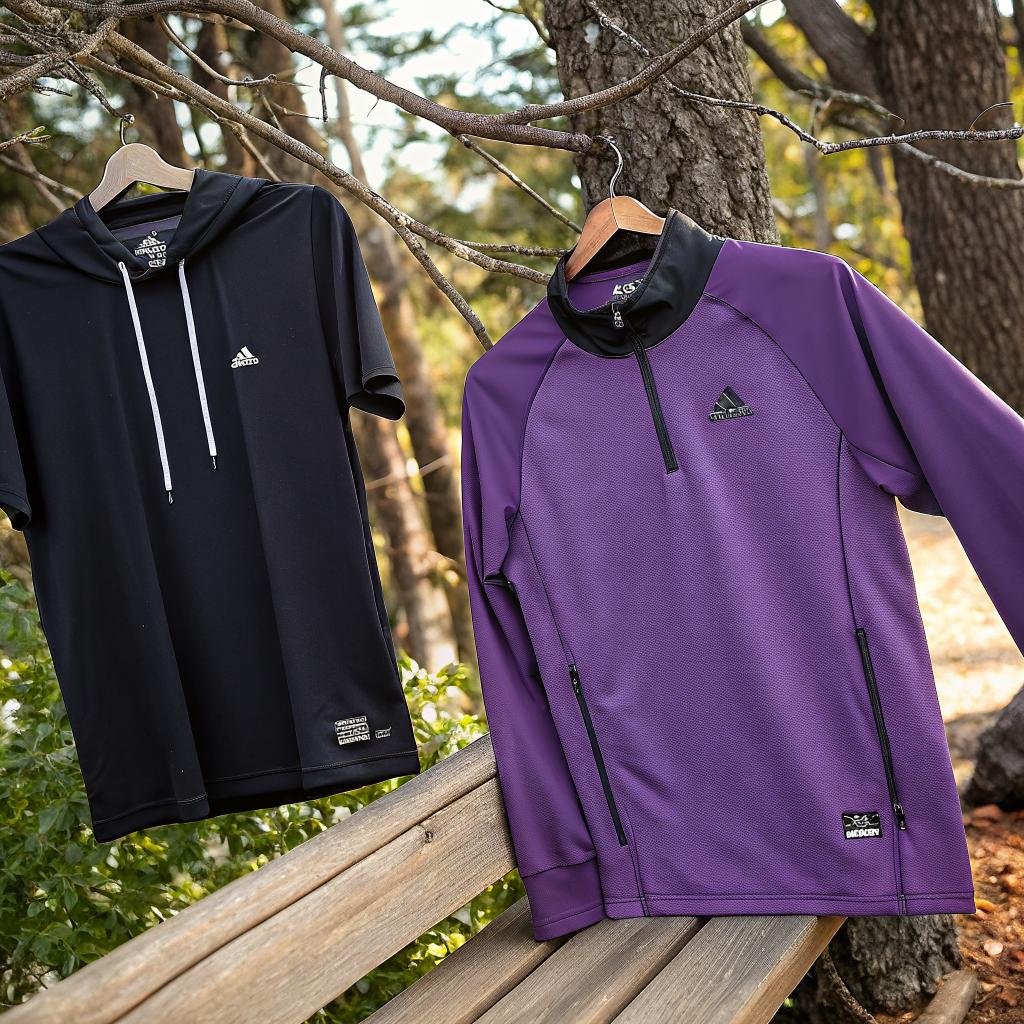
You want at least a few pieces that can work with jeans, cargos, or even under a blazer. One or two strong hoodies, a couple of tees you actually love, and maybe a coach jacket or overshirt.
In my own case, I once bought a hoodie from a small Black owned brand that cost more than I expected to pay. Months later, I realized I reached for it more than any of my cheaper ones. The weight, the hood shape, the way the sleeves stacked; it all just worked better. That is the core difference you are looking for.
How to style these pieces
You do not need to overthink it:
– Pair a graphic tee with straight leg jeans and clean white sneakers.
– Use a statement hoodie with simple black trousers and boots.
– Layer a logo tee under an open short sleeve shirt for a relaxed dinner look.
If you feel like your outfit is too loud, pull back on color first, not on cut. A neutral graphic tee in black, cream, or brown often looks sharper than a bright logo.
Elevated casual and smart casual brands
Once you get past hoodies and tees, you hit a space that is tricky to describe. Clothes that are not quite formal, not fully street, but feel grown and put together. This is where many Black owned brands are doing strong work right now.
Think:
– Knitted polos that sit well on broader chests
– Button downs with interesting prints or textures
– Chinos and trousers with more room through the thigh
– Simple jackets with clean lines
If you only upgrade one part of your wardrobe with Black owned brands, make it your smart casual pieces: shirts, trousers, and light jackets that work across work, dates, and weekends.
These items quietly change how people see you. A well cut polo that frames your neck and shoulders, or a camp collar shirt with a pattern that nods to African prints without feeling like a costume, can carry an entire outfit.
Fit details that matter here
When you look at product photos or try things on, pay attention to:
– Shoulder seams: They should sit at the edge of your shoulder, not hanging halfway to your arm.
– Sleeve length: Short sleeves should hit mid bicep, not at the elbow.
– Body shape: Many Black owned brands cut with a bit more room through the torso without turning it into a box.
You may find you can size true or even size down, because the cuts already respect fuller frames. Try not to guess. Measure your chest, shoulders, and waist once and compare to each brand’s size chart. Yes, it takes five minutes, but it saves you returns and frustration.
Tailoring, suits, and dress pieces from Black owned brands
People often assume you can only get proper suits and dress shirts from large European labels. That is not accurate. There are Black designers and tailors who have built whole businesses around formal and semi formal clothing.
What stands out here is not just the cut, but the understanding of how men of color look in certain fabrics and colors. Dark navy against deep brown skin looks different than against pale skin. Rich greens, burgundy, camel, and textured grays often shine more than stark black.
Why Black owned tailoring can feel different
– Lapel width and placement often flatter stronger chests.
– Trousers might have more room at the hip without huge waists.
– Shirt collars sit better with broader necks and different face shapes.
– Color options go past standard navy and charcoal into earth tones and warmer neutrals.
You do not need a closet full of suits. For many men, two good ones are enough:
– One dark (navy or deep charcoal)
– One medium (camel, mid gray, or subtle pattern)
Add two or three dress shirts, and you can rotate through weddings, job events, and more serious settings without panic shopping.
Workwear, utility style, and everyday toughness
Not everyone wants tailoring. Some men care more about sturdy fabrics and clothes that handle real movement. Workwear and utility inspired clothing from Black owned brands often mix history, comfort, and function.
Think:
– Heavyweight chore jackets
– Canvas or denim overshirts
– Double knee pants or durable cargos
– Thick flannel shirts with room to layer
This style can look like you tried hard when you actually did not. A clean white tee, a chore jacket, straight leg jeans, and boots will look put together on almost anyone.
Sometimes these brands nod to Black labor history, factory work, or even military garments. You do not have to connect with every reference, but it can give the clothes more weight and meaning if that matters to you.
Athletic and athleisure from Black owned labels
Workout clothes are another strong category. Many Black owned activewear brands design with real bodies in mind. Thicker thighs, stronger glutes, and bigger calves are not treated like an exception.
What to focus on with activewear
– Fabric that stretches without going see through
– Waistbands that do not roll when you move
– Shorts with enough room to squat or run
– Tops that make you feel confident, not exposed
You do not need a branded set for every day of the week. A few shorts, a couple of tees or tanks, and maybe a track jacket you can wear outside the gym is more than enough.
Footwear and accessories from Black owned brands
Sometimes the easiest way to bring Black owned brands into your wardrobe is through shoes and accessories. You might already have a strong rotation of clothes, but your sneakers, boots, or bags can carry the story.
Types of footwear to watch
– Lifestyle sneakers you can wear with jeans or trousers
– Clean leather sneakers for smarter outfits
– Minimal boots, especially in suede or tumbled leather
– Sandals or slides for summer
Quality matters here: look for leather or solid vegan alternatives, real stitching, and comfortable insoles. You might pay more than fast fashion, but your cost per wear usually goes down as the shoe holds up.
Accessories can be subtle:
– Caps and beanies with small logos or cultural symbols
– Belts in real leather with simple buckles
– Wristwear and necklaces from Black owned jewelry makers
– Small leather goods like card holders and crossbody bags
You do not have to wear every accessory trend. Choose one or two that feel natural to you and repeat them often.
Plus size, big and tall, and broader body types
One very real frustration is sizing. Many brands stop at XL, or they pretend 2XL fits everyone who is larger. That is not real life.
Some Black owned clothing labels are built around bigger bodies or at least take them seriously. They cut shoulders wider, allow room in the midsection without making everything look like a tent, and design pants that respect both waist and thigh measurements.
If you are a big or tall man, pay attention to brands that actually show models in your size, not just a single token photo buried on the site.
For you, the key categories to prioritize are:
– T shirts with slightly longer lengths
– Button downs that do not pull at the chest
– Pants with more thigh room and higher rises
– Outerwear that covers without swallowing your frame
You might need to try a few labels before you find the one that seems to “get” your body. That is normal, not a personal failure. Most men go through this, they just do not talk about it.
Quick comparison table: which type of brand fits your needs
To keep all of this more concrete, here is a simple guide to matching your style needs with the kind of Black owned brands to explore.
| Your main need | Brand type to focus on | Key pieces to start with |
|---|---|---|
| Better weekend outfits | Streetwear and graphic labels | 2 graphic tees, 1 hoodie, 1 overshirt or coach jacket |
| Look sharper at work or dates | Elevated casual / smart casual | 1 knit polo, 1 camp collar shirt, 1 pair chinos, 1 light jacket |
| Formal events and business | Tailoring and suiting brands | 1 navy or charcoal suit, 1 lighter suit, 2 dress shirts |
| Hard wearing clothes | Workwear and utility labels | 1 chore jacket, 1 overshirt, 1 heavy pant |
| Gym and casual errands | Athletic and athleisure brands | 2 shorts, 2 tees or tanks, 1 track jacket |
| Already have clothes, want subtle support | Footwear and accessories | 1 pair sneakers or boots, 1 cap, 1 belt or bag |
| Big or tall fit problems | Inclusive sizing and plus focused brands | 2 tees, 1 button down, 1 pant from same label |
How to build outfits with Black owned brands, not just collect logos
One trap people fall into is buying standout pieces that do not work together. A bright hoodie from one label, patterned pants from another, printed shirt from a third. Each looks great alone, but together they fight.
A simple way to avoid that is to decide on a loose color story for your wardrobe. Nothing too strict. Maybe earth tones with black and white. Or navy, gray, olive, and cream.
Then use Black owned brands to fill the key roles:
– One or two statement tops
– Foundation pants in neutral colors
– A jacket that works with both jeans and trousers
– Shoes that can link different outfits
For example:
– Top: Graphic tee from a Black owned streetwear label in cream with brown print
– Bottom: Olive chinos from a smart casual Black owned brand
– Shoes: White sneakers from a Black owned shoe brand
– Layer: Denim chore jacket from a workwear designer
Each piece carries its own story, but the colors connect. Nothing screams for attention too loudly.
Price, budget, and where you might be wrong about cost
There is a common assumption that Black owned always means expensive or that smaller brands must be overpriced. That is not always true.
Some are premium, yes. They use better fabrics, smaller runs, and local production, which raises costs. Others price close to big mall brands, but you just never see them in the same volume.
If your budget is tight, it might be smarter to buy fewer items from a brand you respect rather than many cheap items that fall apart. One great hoodie you wear twice a week costs you less per wear than five low quality ones that lose shape in a month.
Still, you do not have to force high end items into your budget just for ethics. You can:
– Start small with a cap, tee, or socks.
– Wait for seasonal sales.
– Prioritize pieces you know you will wear often, like a black hoodie or navy trousers.
– Skip the impulse buys and save for what you really want.
It is okay to say “this brand is too expensive for me right now.” That is honest. The goal is not to go broke proving a point.
Signs a Black owned menswear brand is worth your time
You cannot try every label on the market, so you need filters. Instead of getting lost in marketing, check for a few things.
1. Clear sizing and fit info
Good brands give:
– Measurement charts in inches or centimeters
– Model height and size in product photos
– Notes like “relaxed fit” or “slim through the seat”
If all you see is S, M, L with no real detail, you are guessing.
2. Fabric and construction transparency
Look for mentions of:
– Fabric type and weight
– Where the item was made
– Any special stitching or reinforcement
You do not need a full lecture, but quick notes show the brand actually cares about the product, not just the logo.
3. Real product photos, not just mockups
If most shots look like digital renderings or only show clothes on hangers, you do not know how they drape. Brands that show movement, close ups of seams, and different body types give you a better sense of reality.
4. A point of view beyond trends
You can feel this in the designs. Do they have a recurring graphic language, a color palette, or themes that matter to them? Or are they just copying whatever is popular this month?
You do not need deep storytelling on every product page. Some simple collections with clean design are fine. The key is that you sense intention, not random noise.
Common mistakes when shopping Black owned clothing for men
There are a few patterns that come up again and again. You might recognize yourself in one or two of these.
Buying only loud statement pieces
It is tempting to pick the wildest graphic or brightest color. Then you realize you rarely wear it. Try to mix one statement item with two or three quiet basics from the same or other Black owned brands.
Ignoring return policies
Smaller brands sometimes have stricter returns because of cost. Read the policy before you order, especially across borders. If returns are hard, be extra careful with sizing.
Assuming one bad purchase means “Black brands do not fit me”
If you bought from one label and the fit was off, that is not a final verdict. Big global brands also miss on sizing all the time. Try a different designer with a different cut before you give up on the whole space.
Chasing hype more than fit
You might see a popular hoodie all over social media and feel pressure to buy. Ask yourself simple questions:
– Does this color suit me?
– Do I have shoes and pants that go with it?
– Will I wear it in six months?
If the answer is weak, pass. Or at least pause.
Should non Black men wear Black owned clothing brands?
Some non Black buyers feel a bit strange when they first look at brands rooted in Black culture. They worry about overstepping or taking space.
This is where nuance helps.
If a piece carries very specific cultural text or symbols you do not understand, it may be wise to read more first. Some designs speak to shared pain or very specific inside jokes. You do not have to avoid it completely, but you should know what you are putting on your body.
If the clothes are simply well designed, with subtle references or general themes like pride, resilience, or community, there is nothing wrong with supporting the designer. In many cases, they welcome a broad audience.
What matters is that you bring respect, not costume energy. You are buying clothing, not trying on an identity for the day.
How many pieces should you aim for from Black owned brands?
You do not need to burn your whole wardrobe and start over. A realistic target might be:
– Short term: 2 to 3 pieces you actually wear every week or two
– Medium term: 6 to 10 items covering tops, bottoms, and one pair of shoes
– Long term: A steady mix where you barely think about ownership labels, because it is just part of your normal rotation
As your budget grows and your taste refines, you can upgrade some older fast fashion pieces with better made items from brands you respect. This slow shift is often more sustainable than sudden huge hauls.
Questions you might still have
What if I like the idea of Black owned brands but my style is very simple?
Then lean into simple. Look for:
– Plain tees in high quality cotton
– Neutral hoodies without big logos
– Straight leg trousers in black, navy, or olive
– Clean sneakers or loafers
You can support these brands without changing your style into something louder. In fact, many designers build great basics for exactly this reason.
Are Black owned luxury brands worth the money?
Sometimes yes, sometimes no. Price alone does not guarantee quality. You want to see:
– High end fabrics and solid construction
– Unique design you cannot easily find cheaper
– A level of detail in stitching, lining, or hardware
If the item feels like a simple piece with a heavy mark up, you can skip it. There will be other brands at more reasonable levels.
On the other hand, if a jacket or bag truly stands out and you know you will use it for years, it can be worth saving for. The same logic that applies to any luxury purchase applies here.
How do I support without buying more stuff I do not need?
This is a fair concern. Constant buying is not realistic or healthy for most people. Some other ways to engage:
– Follow your favorite brands, like their work, and share posts you truly enjoy.
– Leave honest reviews when you buy something, so others can make better choices.
– Tell friends when they compliment your clothes where you got them.
– Sign up for newsletters only from labels you care about, not every brand you see.
Money matters, but attention and honest feedback help too.
You do not have to own a closet full of Black owned clothes to make a difference. One or two thoughtful purchases, worn often and with pride, already shift the story.
Where should you start if you feel overwhelmed?
Pick one category where your current wardrobe is weak. Is it shoes, jackets, or everyday tops? Start there. Choose one Black owned brand that speaks to you, buy a single piece that fits that gap, and live with it for a while.
See how it wears, how it washes, how you feel in it.
You can always scale up later. The goal is not speed. It is building a wardrobe that feels more like you, while backing designers who deserve to be seen.
