

“If the lights are still turning on, the electrical panel is fine. You only need to think about it if everything goes dark.”
That line sounds reasonable at first, but it is not true. Many serious panel problems start quietly, while your lights still work. If you are looking for top rated electric panel upgrade Colorado Springs, you should act before you have a full outage, a melted breaker, or a burning smell from the panel.
So the short answer is simple: if you see frequent breaker trips, buzzing from the panel, warm metal, or you still have an old fuse box or very outdated breaker box, you should call a licensed electrician in Colorado Springs and get the panel inspected and repaired as soon as you can. You do not have to wait for a full failure. In fact, waiting usually makes the repair more expensive and more stressful.
I think many people in Colorado Springs have the same habit. You walk past the electrical panel in the garage or basement without giving it a second look. As long as the TV turns on and the fridge is cold, it feels like something you can push to the back of your mind. Then one day the breaker for the kitchen starts tripping three times a week, and suddenly this gray metal box is all you can think about.
Let us walk through what really matters with panel repair in this area, how to tell if you need a repair or a full upgrade, what local conditions change, and how to pick someone who will not leave you with half answers or surprise fees. You do not need to become an electrician, but you should at least know what questions to ask and what red flags to watch for.
What your electrical panel actually does (and why Colorado Springs homes push it hard)
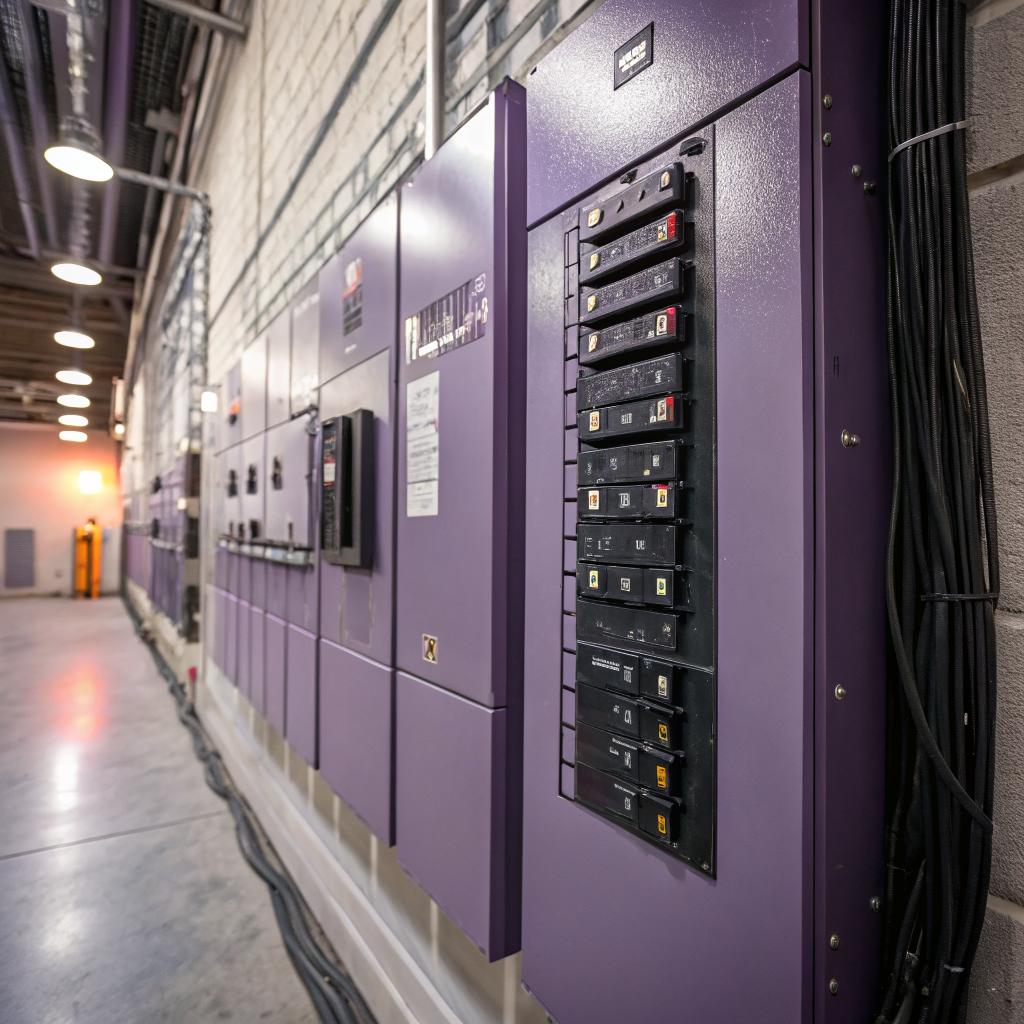
Your electrical panel is the control center for power in your home. It takes electricity from the utility line and sends it to all your circuits: lights, outlets, appliances, HVAC, EV charger, and so on.
Behind that metal door there are three key parts:
1. The main breaker that controls power to the entire home.
2. Individual breakers that control each circuit.
3. The bus bar and wiring that tie everything together.
If any one of those pieces is loose, damaged, or too small for the load, problems start. Not always dramatic problems at first. Maybe the bathroom light flickers. Maybe you hear a soft buzzing when the dryer starts. You might smell something faint and odd near the panel but decide you are imagining it.
In Colorado Springs, panels get extra stress because of things like:
– Cold winters that push electric heaters, heat pumps, or space heaters.
– Growing use of EV chargers and larger air conditioners.
– Older homes that were never designed for modern loads.
You might live in a 1970s or 1980s home that now has multiple computers, gaming systems, a hot tub, and perhaps an EV charger added on. That same original panel is trying to handle all of it. Sometimes it works; sometimes it works right at the limit and starts to fail quietly.
Common signs your panel needs repair, not just a breaker reset
If you reset a breaker once every few months, you probably do not have a real problem. Breakers trip to protect the wiring.
If you are resetting the same breaker again and again, or you notice any of the signs below, your panel likely needs professional attention, not just a push on a switch.
Visible and audible warning signs
Look and listen. You do not need tools for this part.
Check for:
– Burn marks, discoloration, or melted plastic around breakers.
– Rust or corrosion on the panel cover or inside near the breakers.
– Breakers that feel wobbly or loose when you touch them.
– Buzzing, crackling, or sizzling sounds when a big appliance turns on.
– A panel door that feels warm or hot.
If you see or hear any of those, stop testing and call a professional electrician. That might sound cautious, but electricity does not give much warning before something severe.
Behavior of your circuits
The pattern of how things fail matters more than one event. Ask yourself:
– Does the same breaker trip with normal use, not just when you plug in a new space heater?
– Do lights dim when you use the microwave or hair dryer?
– Do some outlets work sometimes and fail at other times?
– Do you experience shocks or tingling when touching metal appliances?
Those patterns often point to poor connections or overloaded circuits at the panel. A panel repair might address loose terminations, burned bus bars, or failed breakers.
Repair or upgrade: what makes sense in Colorado Springs homes
This part can feel confusing. Electricians use words like “repair,” “replacement,” and “upgrade” in ways that sound similar from the outside. Homeowners just want to know: can you fix this panel, or do I need a whole new one?
Think of it in three levels.
Level 1: Straightforward panel repair
This is where something specific is wrong, but the panel itself is still reasonably modern and sized well for the house.
Common repair tasks include:
– Replacing a damaged or worn breaker.
– Tightening or redoing loose connections.
– Repairing minor damage from moisture before it spreads.
– Fixing labeling, organizing circuits, or correcting minor code issues.
If you have a 100 or 200 amp breaker panel from a reputable brand, installed correctly, a focused repair like this can be safe and cost effective.
Level 2: Panel repair plus partial upgrade
Sometimes the panel is mostly fine but not quite ready for how you use power now. For example:
– You want to add a small EV charger or hot tub.
– The panel is at capacity and there is no room for more breakers.
– You have a few double-tapped breakers where two wires are under one screw.
In that case, the electrician might:
– Replace some breakers with “tandem” breakers (only when allowed by code).
– Add a small subpanel for extra circuits.
– Clean up wiring, separate circuits that were sharing breakers, and improve overall layout.
This sits in a gray area. It is not a full upgrade, but it is more than a simple repair. A good electrician will discuss pros and cons with you, not just push one option.
Level 3: Full panel replacement or service upgrade
This usually comes up when:
– You have an old fuse box.
– You have certain older panel brands that are known for safety problems.
– The amp capacity is too small, like a 60 amp panel on a modern home.
In those cases, repair is like patching a very old roof. It might stop one leak, but the structure is past its useful life.
A full panel replacement involves:
– Shutting off power at the meter.
– Removing the old panel.
– Installing a new breaker panel with higher capacity or better layout.
– Bringing grounding and bonding up to current code.
– Labeling circuits clearly.
Here is where many homeowners feel a bit overwhelmed, which is understandable. The cost is higher, the work is more involved, and you often need permits and inspection. Still, if the existing panel is unsafe, delaying this work just pushes the risk forward.
How Colorado Springs climate and housing affect panel problems
Local conditions change how panels age. Colorado Springs has dry air, cold winters, and a lot of sun. That mix affects electrical systems in ways that are subtle at first.
Temperature swings
Many panels in this area are in garages, exterior walls, or unfinished basements. Winter nights can drop below freezing, while summer days heat up those areas a lot.
Metal expands and contracts with temperature. Over years:
– Screws can loosen.
– Connections can get slightly loose and start to arc.
– Breakers can become unreliable.
A periodic panel check by an electrician can catch these issues early. Tightening connections is a basic task, but it can prevent hot spots and burns.
Dust and debris
Colorado Springs is dry and often windy. Dust gets everywhere, including inside panels through small gaps.
Light dust is normal. Heavy dust, sawdust, or signs of pests in or around the panel can be a fire risk. An electrician might:
– Clean the panel interior.
– Seal unused openings.
– Suggest moving storage items away from the panel.
If your panel is in a crowded garage next to cardboard boxes, lawn chemicals, and old paint cans, it is worth clearing some space. Not for “looks”, but for access and safety.
What happens during a professional electrical panel repair visit
Many people hesitate to call an electrician because they are not sure what will happen or how long it will take. That makes sense. You do not want your house torn apart for days.
A typical panel repair visit in Colorado Springs looks like this.
1. Initial questions and visual check
The electrician will usually start by asking:
– What problems have you noticed?
– How often do breakers trip?
– When did you first see or hear something unusual?
– Have any electrical changes been made recently, like an EV charger, hot tub, or new HVAC system?
Then they will open the panel and look for:
– Burn marks, loose breakers, rust, moisture.
– Double-tapped breakers or improper wiring.
– Signs of overheating.
2. Testing and diagnosis
For a proper repair, they may:
– Test voltage at the main and at individual breakers.
– Check connections with a torque screwdriver.
– Measure load on certain circuits if overload is suspected.
– Inspect grounding and bonding.
This part can be quick or a bit longer, depending on how messy the previous work is. In older homes, the panel might have been changed by multiple people over decades.
3. Repair work
Once the cause is clear, common repair tasks might include:
– Replacing one or more breakers.
– Re-terminating wires to correct lugs and tightening to spec.
– Swapping out melted or burned parts.
– Cleaning corrosion and treating minor moisture damage.
Power to some or all of the house might be off for part of this time. Good electricians warn you before they cut power so you are not surprised.
4. Safety checks and cleanup
After the repair, they should:
– Recheck torque on connections they touched.
– Confirm breakers reset and hold properly.
– Test affected circuits inside the home.
– Label any new or changed breakers.
If permits were needed for larger work, they will arrange inspections. For minor repairs, usually a permit is not required, but this can depend on the scope of work and local rules.
How to tell if your panel problem is urgent or can wait a bit
You do not need to panic at every flicker. On the other hand, some signs do call for same-day service.
Here is a simple table that can help you decide how fast to act:
| Sign or symptom | Urgency | Suggested action |
|---|---|---|
| Breaker trips once in a while with heavy use | Low | Monitor, try reducing load on that circuit |
| Same breaker trips often with normal use | Medium | Schedule panel inspection within a week or two |
| Buzzing or crackling from panel | High | Call electrician as soon as possible, avoid that circuit |
| Burning smell or visible burn marks | Emergency | Shut off main breaker if safe and call for urgent service |
| Panel feels hot to the touch | High | Contact electrician quickly, limit use of large appliances |
| Fuses instead of breakers in an old box | Medium to high | Plan for upgrade and inspection soon |
You might not like the idea of calling for help on a weekend or evening, and that is fair. But if you smell burning at the panel or see smoke, that jumps ahead of convenience and budget to straight safety.
Questions to ask any electrician about panel repair
This is the part where you should push a little. Do not just accept “We will take care of it” without details.
Before you agree to panel work, ask the electrician to explain what they are fixing, what parts they will use, and how it affects your home’s future power needs.
Here are some direct questions you can use:
– What do you believe is the main cause of the problem?
– Are you comfortable repairing this panel, or do you recommend replacement?
– Is this panel brand known for any recurring safety problems?
– Will this repair support possible future upgrades like an EV charger or hot tub?
– What kind of warranty do you offer on this work and on the parts?
– Will there be any reason to open walls, or is all the work inside the panel?
If the electrician explains things in clear terms and answers follow-up questions without getting impatient, that is a good sign. If they rush you to replace everything without showing evidence, it is okay to ask for a second opinion.
What makes a panel repair “top rated” in practice
Online reviews are useful, but they do not tell the whole story. A “top rated” electrician for panel repair is not just the one with the highest star count. It is the one who combines solid technical work with clear communication and respect for your home.
Here are a few qualities that usually separate average from truly reliable panel repair service.
Clear diagnosis instead of guessing
A strong electrician will:
– Show you the problem if it is visible.
– Describe what they cannot see and how they will test it.
– Explain different options when there is more than one fix.
They will not hide behind jargon. If they talk about arc faults, grounded neutrals, or bus degradation, they should also explain those in plain language when you ask.
Respect for code and permits
Top rated does not mean “fastest at all costs”. It means:
– They follow local electrical codes.
– They pull permits when required by the city or county.
– They welcome inspections rather than trying to skip them.
Does it take a bit more time? Sometimes. But that is what protects you if you plan to sell your house or if you ever have an insurance claim.
Practical advice on future needs
You might not plan a full remodel, but a good electrician will still ask about future plans like:
– Adding an EV charger.
– Installing a hot tub or sauna.
– Finishing a basement.
– Adding more AC units or mini splits.
This affects whether they recommend a repair, a larger panel, or a subpanel. A quick cheap fix that leaves you stuck next year is not really a top result. Sometimes paying a bit more now reduces future work and cost.
Typical costs and what can change the price
Prices shift over time and vary by company, but you can at least understand what factors matter. This way you are less likely to be shocked by a quote.
Key drivers of cost:
– Scope of repair: One breaker swap is minor. Fixing a burned bus bar is deeper work.
– Panel type and brand: Some panels are easier and cheaper to repair than others.
– Age and condition: Older, messy panels take more time to work on safely.
– Permits: Some repairs need permits, which add fees and scheduling.
– Access: A panel behind shelves or in a tight corner takes longer to reach and work on.
If you get a quote that seems high or low compared to others, ask why. Not in an accusing way, just as a question: “Can you walk me through what is included?” Often the answer will make the difference clear.
How panel repair connects to other home upgrades
Electrical work often links together. Panel repair touches several other projects that are common in Colorado Springs.
EV chargers
If you plan to install an EV charger, your panel will be the first place the electrician looks. A charger draws a lot of power over long periods. If your panel is already at the limit, you might be forced into a rush upgrade.
You can flip that around and treat a panel repair visit as a chance to ask:
– “What size EV charger could this panel support?”
– “Would we need a subpanel or a service upgrade?”
Planning a year ahead helps you spread out costs and avoid rushed choices.
Basement finishes and additions
If you intend to finish a basement or add new space, you will add more circuits. A panel that looks fine today could become crowded quickly.
During a repair, an electrician can:
– Count available spaces for new breakers.
– Suggest layout changes that leave room for future circuits.
– Spot any code issues you should fix before inspection for a remodel.
This can prevent “panel surprise” halfway through a basement project.
Safety habits around your electrical panel
You do not need professional training to have better habits around your panel. A few small things make life easier and safer.
Think of your electrical panel as a safety device, not just a box of switches. If you treat it with basic care and attention, it usually treats you well in return.
Here are some simple practices:
– Keep at least a clear path in front of the panel so you can reach it quickly.
– Do not hang items on the panel door or cover it with fabric or decorations.
– Avoid storing flammable liquids or cardboard right next to it.
– Label circuits clearly. If labels are wrong or missing, correct them when you can.
– Once a year, take a quick look inside with the cover door open. If anything looks or smells off, call for help.
What you should not do:
– Do not remove the internal panel cover that exposes bare wires and bus bars. That is for licensed professionals.
– Do not replace breakers with higher amp ratings on your own. That can overload wires and cause hidden damage.
When a second opinion makes sense
Sometimes one electrician will say “repair” and another will say “full upgrade”. This can feel frustrating. It might even make you think one of them is wrong.
In reality, there is often a gray area. A panel can be “repairable” but close to the end of its useful life. One electrician values saving cost now. Another values long term durability more.
You can handle this by:
– Asking each electrician to put their recommendation in writing.
– Requesting photos of any damage or concern spots inside the panel.
– Asking each one how long they expect their solution to last before more work is likely.
If three different companies all push hard for full replacement, that usually tells you something. If two out of three say a focused repair is safe, that also tells you something.
Realistic expectations after your panel is repaired
Once the work is done, you might expect to never think about the panel again. That is a nice hope, but not always realistic.
What you can expect:
– Breakers that were tripping because of damage or loose connections should stop tripping under normal use.
– No more buzzing, crackling, or burning smell.
– Clearer labeling, especially if the electrician updated it.
– Better readiness for future projects, if you discussed those.
What you should not expect:
– A small repair to overcome a fundamentally undersized service for very heavy loads.
– Old house wiring to magically be like new. The panel is one part of the system.
– Total immunity to occasional trips when circuits are overloaded by too many devices.
Again, you want the electrician to be honest about the limits here, not to promise miracles.
Quick FAQ about electrical panel repair in Colorado Springs
Is it safe to reset a breaker on my own?
Yes, in normal situations. Stand to the side, look away from the breaker as you reset it, and push it firmly to “off” and then to “on”. If it trips again right away, stop. Call an electrician instead of forcing it.
How often should my panel be inspected?
For most homes, a professional check every 3 to 5 years is reasonable, or sooner if you add major loads like an EV charger. If your home is older or if you see any warning signs, do not wait that long.
Do all old panels need replacement?
No. Age alone does not decide everything. Some older panels are still safe, while some mid-age panels from certain brands have known problems. A licensed electrician should judge based on condition, brand, capacity, and your actual use of power.
Can I add more breakers to fix tripping problems?
Not by yourself, and not without a plan. Adding breakers without checking load, wire size, and panel capacity can make things worse. Tripping breakers often point to a load or wiring issue, not a shortage of switches.
What should I do right now if I am not sure about my panel?
Walk to the panel and:
– Look for any obvious damage or discoloration.
– Smell for anything burning or scorched.
– Lightly place your hand on the door to feel for unusual heat.
If everything looks and feels normal and you have no repeating problems, you can call for a standard inspection when convenient. If anything seems wrong, schedule a repair visit sooner rather than later.
And if you are standing there right now, looking at an old or suspicious panel, asking yourself “Is this thing actually safe?”, that is your cue to reach out to a local, licensed electrician and get a clear, honest answer.
