
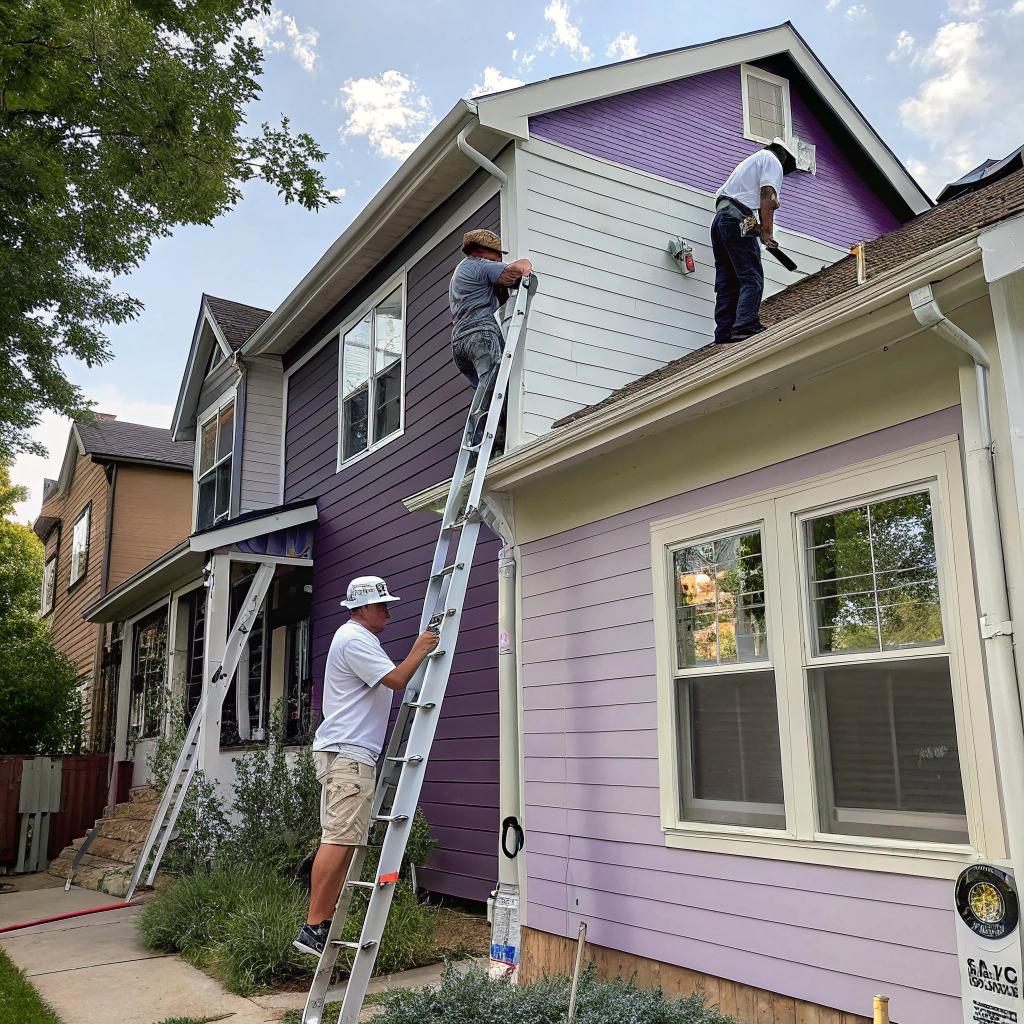

“Any painter can handle the outside of a house. Paint is paint, and they all use the same stuff.”
That sounds simple, but it is not true at all. The short answer is this: the exterior painters Denver homeowners trust most are the ones who combine strong prep work, product knowledge for Colorado weather, clear communication, and predictable scheduling. If you only look at price or online ratings, you will almost always miss the companies that actually protect your siding, trim, and stucco for the long term. If you want a quick place to start, many homeowners look at experienced local companies like exterior painters Denver that already work in your neighborhoods and know how the climate treats paint.
When you step back and think about it, the outside of your home gets more abuse in a year than your interior walls get in ten. Sun, big temperature swings, hail, snow, wind, and that dry Colorado air that seems to suck the moisture out of everything. So it makes sense that not every painter is set up to deal with that. Some are great indoors and just “also do exteriors” when asked. Others focus almost all their training and equipment on exterior work. The gap between those two groups is where most of the problems happen.
I still remember standing in front of a house in southwest Denver where the paint was peeling in sheets after only three years. The owner told me proudly how he had saved a lot of money by picking the cheapest bid. He was not proud anymore. The siding looked tired, there were bare spots everywhere, and the trim had hairline cracks that were letting water in. He was now paying for the second full repaint in less than five years. That is where “cheap” gets very expensive.
So if you are trying to figure out which exterior painters to trust, it helps to slow down for a moment. Not for weeks. Just long enough to look at how a painter actually works, how they talk about your home, and what they are willing to put in writing. Most people skip that part. They skim a few reviews, ask for a quote, and hope for the best. You can do better than that without turning it into a full-time project.
The painters you trust are not the ones who tell you what you want to hear. They are the ones who calmly explain what your home needs, even when it costs a bit more or takes longer.
You might not always like that answer. But if you want a finish that lasts through several Denver winters, you probably need to hear it.
What “Top Rated” Really Means For Exterior Painters In Denver
“Top rated” sounds nice, but it can be a bit vague. Five stars on a review site can mean different things. Maybe the painter was friendly, or fast, or just cheap. You want to know what is actually behind those stars.
For exterior work in Denver, “top rated” should mean three practical things:
1. They protect your home from weather and moisture.
2. The paint lasts more than a couple of seasons.
3. Working with them is simple and predictable.
That is it. It is not about fancy marketing words. It is about how your house looks and holds up two, three, five years from now.
Why Denver Exteriors Are Different
If you have lived here for a while, you already know how quickly the weather can swing. Warm afternoon, freezing night. Strong sun even in winter. That mix is rough on painted surfaces.
A good Denver exterior painter thinks about:
– UV exposure that fades color and weakens paint film
– Rapid temperature changes that make wood and caulk expand and contract
– Snowmelt and ice that sit on horizontal trim, railings, and window sills
– Afternoon storms that pound exposed sides of a house
If a painter treats your house like it is in a mild, coastal climate, the job will fail early. If they choose the wrong paint sheen or use interior-grade caulk outside, you might not see the problem right away, but it shows up in a year or two.
When you talk with a painter, listen for simple, direct signs that they understand local conditions. If they mention sun exposure, chalking, peeling on south and west sides, and checking around gutters and window sills, you are talking with someone who actually pays attention.
How To Judge Exterior Painters Without Becoming An Expert
You do not need to know everything about paint chemistry or all the brand names. You just need a basic way to sort careful professionals from fast, surface-level outfits.
Here are some clear signals that help.
Signal 1: The Way They Inspect Your Home
A strong exterior painter will not rush through the first visit. They will walk all the way around the house. They will look up close at:
– Peeling, bubbling, or chalking paint
– Exposed wood, nail heads, and hairline cracks
– Loose caulk around windows and doors
– Areas that stay damp longer, like near sprinklers or under gutters
If someone glances from the driveway, takes a few photos, and then rushes into pricing, that is a red flag. They cannot quote accurately if they have not seen the actual condition of your surfaces.
You can test them by asking: “What are the three biggest risks you see on my exterior right now?” A thoughtful painter will give a specific answer. It might be sun damage on the west side, wood rot on certain trim boards, or gaps around windows. If you get vague answers, that tells you a lot.
Signal 2: How Much They Talk About Prep Work
Good exterior painters in Denver talk about prep. A lot. Some homeowners get bored when they hear about scraping, sanding, and priming, but that is where the real protection comes from.
You want to hear about:
– Power washing or gentle washing before painting
– Full scraping of loose paint, not just “knocking off the worst”
– Spot priming bare wood, especially on trim and fascia
– Using bonding primer on glossy or previously coated surfaces
– Caulking joints and gaps that let in water and air
If a painter barely talks about prep and spends most of their time selling color or “coverage,” you are being sold a quick coat, not a durable system.
Sometimes a painter might even suggest replacing a few boards instead of simply filling them. That is usually a sign they care about the long term, not just getting through this job.
Signal 3: Their Comfort With Your Questions
A painter who does a lot of exterior work will not be annoyed by questions. They might not have perfect answers to every small detail, but they will be open.
Some simple questions to ask:
– “How many exterior projects did you finish last year in Denver?”
– “What brands and product lines do you use on exteriors, and why those?”
– “Can you explain your warranty in plain language?”
– “How do you handle it if there is a peeling issue within the first couple of years?”
If they say “Do not worry about it, it will be fine” without explaining, that is not enough. A little hesitation is normal. Evasion is not.
It is fine if their answer is “We use brand X or Y depending on your siding” or “We might suggest a different sheen on the sunny side.” Real professionals can explain their choices in basic terms, without jargon.
Common Exterior Surfaces In Denver And What Good Painters Do
Different homes in Denver have different exteriors: wood, fiber cement, stucco, brick, metal, or a mix. A painter who is strong on wood siding might not be as strong on stucco, and the other way around.
Here is a simple way to think about what a trusted painter does with each surface.
| Surface | What A Careful Painter Checks | How They Usually Treat It |
|---|---|---|
| Wood siding & trim | Peeling, rot, cracking, loose nails, gaps at joints | Scrape, sand, replace bad boards, spot prime, caulk, paint with high quality exterior acrylic |
| Fiber cement (Hardie) | Hairline cracks, failed caulk, exposed nail heads | Clean surface, re-caulk joints, spot prime bare spots, use paint approved for fiber cement |
| Stucco | Hairline cracks, chalking, water staining, soft spots | Repair cracks, sometimes use elastomeric or flexible coating, spray and back roll for coverage |
| Brick | Efflorescence, flaking, damp sections, mortar gaps | Gentle cleaning, masonry primer if painting, or clear breathable sealer if not |
| Metal (railings, doors) | Rust, peeling, bare metal exposed | Remove rust, prime with metal primer, apply durable enamel |
You do not have to memorize that table. Use it more like a quick reference. When a painter talks through your exterior, do they touch on these kinds of points? Or do they just say “We will spray it and it will look great”?
If they skip repairs or do not mention primer at all, that is a problem.
How Weather Timing Affects Exterior Painting In Denver
Denver has a painting “season,” even if some companies try to stretch it. Cold nights and afternoon storms can ruin fresh paint or weaken adhesion.
A painter who respects your home will also respect the calendar.
Temperature And Sun
Most exterior paints have a recommended application temperature range. Many modern paints can be used in cooler weather than before, but they still have limits.
Good painters will:
– Avoid painting in direct, harsh sunlight that can dry paint too fast
– Watch night temperatures, not just daytime highs
– Adjust schedule for shady versus sunny sides of the house
They may say something like: “We will handle the east and north sides in the morning and leave the west side for later in the day when that wall is not baking in full sun.” That kind of thinking is what you want.
Moisture And Rain
Rain is the obvious problem, but surface moisture can also be tricky. Siding or trim that “feels” dry might still hold moisture in the material.
A careful painter will:
– Check forecasts and avoid starting if there is a high chance of rain during curing time
– Allow surfaces to dry fully after washing
– Be more cautious around horizontal surfaces where water tends to sit
If a company seems eager to paint right before a storm or after a night of heavy dew without waiting, that can lead to peeling and blistering later.
Understanding Exterior Painting Quotes In Denver
Many homeowners get several quotes and then feel stuck. Prices can be all over the place, and each painter might describe the job differently. It can be confusing.
One mistake is to accept the cheapest price just because it is the lowest number. Another mistake is to pick the highest price because “it must be better.” Neither approach is very strong by itself.
Instead, look for what is actually included.
What A Clear Exterior Quote Should Cover
A quote you can trust usually explains:
– Areas included: siding, trim, soffits, fascia, garage doors, doors, railings, etc.
– Prep steps: washing, scraping, sanding, caulking, priming
– Paint: brand, product line, number of coats, sheen
– Repairs: which minor repairs are included and which are extra
– Protection: how they will protect plants, walkways, windows, and roofs
– Cleanup: debris removal, touch ups, and final walkthrough
You want this in writing, not just verbally. It does not need to be a long legal packet, just clear.
If you see vague phrases like “standard prep” or “as needed,” ask what that actually means. Some companies do almost nothing under that phrase. Others do a lot. Do not guess.
A strong quote is not only about price. It is a simple description of what you are paying for, written plainly enough that you can explain it back to someone else.
Why Quotes Can Be So Different
When one quote is far lower than the others, there is almost always a reason. Sometimes the cheaper company:
– Skips most scraping and sanding
– Uses lower grade paint that fades or chalks early
– Hires untrained help with little supervision
– Does not carry proper insurance
– Rushes the job to move on to the next one
Once in a while, a small, lean company may simply have lower overhead and offer a fair price. That does happen. But there should still be a clear, detailed scope of work. Price alone is only part of the story.
Questions To Ask Before You Hire Exterior Painters
You do not need a long checklist. A few focused questions can tell you more than an entire printed brochure.
Here are some you might use:
1. “Can you walk me through a typical day on my project?”
You want to hear about arrival time, setup, daily cleanup, and how they will move around the house. This gives you a feeling for their organization.
Look for mention of:
– Covering windows, lights, decks, and plants
– Where equipment will be stored overnight
– Who will be your main contact on site
If they cannot describe a normal day, that is a sign of weak planning.
2. “Who will actually be doing the work?”
Some companies have long term employees. Others rely on different subcontract crews from week to week. Neither is always good or bad, but you should know.
Ask:
– “Is there a foreman on site every day?”
– “How many people will work on my project?”
– “How long have they been with your company?”
Consistency matters. A stable crew is more likely to follow the company’s standards.
3. “What does your warranty really cover?”
Paint warranties can be confusing. Some are mostly marketing. Ask for plain language.
You might ask:
– “If my paint starts peeling within two years, what happens?”
– “Is there anything that would void the warranty?”
– “Do you cover labor, materials, or both?”
If the answer is a lot of fine print and no clear commitment, think twice. You want a simple promise they can actually keep.
How Exterior Painters Choose Paint For Denver Homes
You can let your painter lead this part, but you should still understand the basics. Not all paint that looks good on day one will last under Denver conditions.
Most pros pick high quality acrylic exterior paints from major brands. The details vary, but the goals are the same:
– Strong adhesion, even on older surfaces
– Resistance to UV fading and chalking
– Flexibility to move with expanding and contracting materials
– Good coverage and color retention
Sheen Choices
Sheen affects look and durability. On exteriors, common options are:
– Flat or matte: hides surface flaws, but less washable
– Satin or low sheen: popular for siding, better durability without too much shine
– Semi gloss: often used on trim and doors for easier cleaning
An experienced painter might suggest satin for most siding in Denver because it handles weather well while still looking smooth. Trim might get semi gloss so it stands up better to touch and moisture.
Color And Fading
Dark colors can look sharp, but they absorb more heat. On sunny, south-facing walls, that can speed up wear or cause boards to move more.
A careful painter will:
– Warn you if a very dark color on a big sunny wall might age poorly
– Suggest balanced combinations that fit your neighborhood and HOA rules
– Offer to do sample patches so you can see the color outside in real light
Sometimes homeowners push for a trend color that looks good online but not on their actual house or in Denver light. If a painter gently pushes back and explains why, listen. They may be saving you from regret a year from now.
What Top Rated Exterior Painters In Denver Actually Do On Site
Let us walk through a typical project from start to finish. This helps you picture what “good” looks like in practice.
1. Setup And Protection
The crew arrives, introduces themselves, and goes over the plan. They start by:
– Moving or covering outdoor furniture and grills
– Covering plants, grass near walls, decks, and walkways
– Removing light fixtures or covering them
– Masking windows, doors, and any surfaces not getting painted
If you see a crew starting to spray paint while your shrubs and windows are still exposed, that is a bad sign.
2. Washing
They wash the exterior. Sometimes with a pressure washer on an appropriate setting, sometimes with a soft wash, depending on the material.
The goal is to remove:
– Dust and dirt
– Loose paint flakes
– Mildew or stains (they may treat these with cleaning solutions)
After washing, they let surfaces dry. This can be a few hours or sometimes a full day, depending on material and weather.
3. Scraping, Sanding, And Repairs
This is the boring, noisy part, but it matters.
The crew:
– Scrapes all loose paint, not only the big flakes
– Sands rough edges for smoother transitions
– Fills holes and minor cracks
– Replaces rotten boards or trim where needed
You might see more of your house in bare spots at this stage. It can look worse before it looks better. That is normal. If you never see bare spots at all on a house that had peeling, it might mean they skipped proper prep.
4. Priming And Caulking
Next, they prime exposed areas. Bare wood should always be primed. Certain surfaces, like metal or stained areas, may need special primers.
They also:
– Caulk gaps around windows, doors, and trim
– Seal joints where moisture could enter
Priming and caulking are not the most visible steps, but they are what helps your paint hold up through storms and snow.
5. Painting
Now the part everyone pays attention to.
They apply:
– One full coat, then a second coat after proper drying
– Cutting in edges and corners with brushes
– Rolling or spraying on larger surfaces
Some homeowners worry when they see spraying. Spraying itself is not bad. Top painters often spray and then back roll. The key is control, coverage, and masking. If everything is covered and they work carefully, spraying can give a smooth, even finish.
6. Cleanup And Walkthrough
At the end, they remove coverings, reinstall lights and hardware, pick up debris, and clean the site. A foreman should walk around your home with you.
You can ask:
– “Can we check around the windows and trim together?”
– “Can you show me any touch up areas you handled at the end?”
You should not feel rushed at this point. This is your chance to look closely and ask questions while the crew is still there.
How To Tell If Your Exterior Paint Job Will Last
You cannot see the next five years. Still, there are clues you can look for once the project is done.
Signs Of Careful Work
– Straight, crisp lines where colors meet
– No paint on windows, hardware, or roofing
– Even color coverage, no patchy spots or thin areas
– Caulked seams that look smooth and filled, not messy
– Base of walls clean, with plants and ground protected
Run your hand gently along newly painted trim. It should feel mostly smooth. Some minor texture on older surfaces is normal. Flaking or rough, sharp edges are not.
Early Warning Signs
In the first year, watch for:
– Peeling or blistering, especially on sunny walls
– Cracks in caulk that show up right away
– Areas where you can see the old color bleeding through
– Rust spots coming back quickly on metal
If you see these, contact the painter and ask them to look. A company that stands behind its work will not disappear.
Balancing Budget And Quality On Exterior Painting
Painting the outside of your home is not cheap, especially in a large city. So you might be wondering how much you should really spend.
You do not have to always take the top price. But if one quote is much lower than the others, pause and ask why. Try to compare:
– Years of experience with exteriors in Denver
– How detailed the prep and repair steps are
– Paint products and number of coats
– Warranty terms
– Communication and responsiveness
Sometimes it is smarter to reduce the scope slightly with a good painter than to do everything at once with a weak one. For example, if money is tight, you might do siding and trim now, then decks and fences later. Or focus on the most weather exposed sides first.
What usually does not work well is pushing a painter to cut their prep steps just to hit a number. You pay less today and more later.
Questions Homeowners Often Ask About Exterior Painters In Denver
How often should I repaint the exterior of my Denver home?
On average, every 7 to 10 years is common, but it depends on:
– Previous prep and paint quality
– Sun and wind exposure
– Type of siding and trim
South and west sides may age faster. If you see peeling, chalking, or faded, dull color, you might be due sooner.
Can I paint my house myself to save money?
You can. People do it. For a small, one story home with simple siding, a handy owner might handle it with enough time and patience. But large, two story homes, complex trim, and stucco are harder and riskier. Safety equipment, ladders, and sprayers also add cost. Many people start a DIY exterior project and then realize halfway through why painters charge what they do.
Is it better to spray or roll exterior paint?
Neither method is magic. Spraying covers large areas quickly and evenly. Rolling pushes paint into the surface more. Many pros use both together: spray for speed and coverage, then back roll for better adhesion. The key is preparation and masking, not just the tool.
What time of year is best to paint in Denver?
Late spring through early fall is usually the safest range. Painters work outside this window sometimes, but they must pay close attention to temperature and moisture. Ask your painter which dates they recommend for your particular project.
How many quotes should I get?
Two or three solid quotes are usually enough. More than that can lead to confusion. Focus on clarity and trust rather than collecting piles of numbers.
Why do some painters refuse small exterior jobs?
Setup, travel, and cleanup take time, even for a small project. Some companies focus on full house exteriors because it matches their crew size and schedule better. Others are happy to handle smaller work like trim or a single side. If you only have a small area to paint, you might need to look for painters who state clearly that they take on smaller projects.
What is one thing I should not compromise on?
Prep work. You can adjust color, sheen, even exact brand within reason. But if a painter says “We do light prep only,” and you know your siding has peeling or bare spots, that is a bad trade. Poor prep ruins good paint.
If you walk around your house right now and look closely at your siding and trim, what do you see that a careful exterior painter would notice first?
