
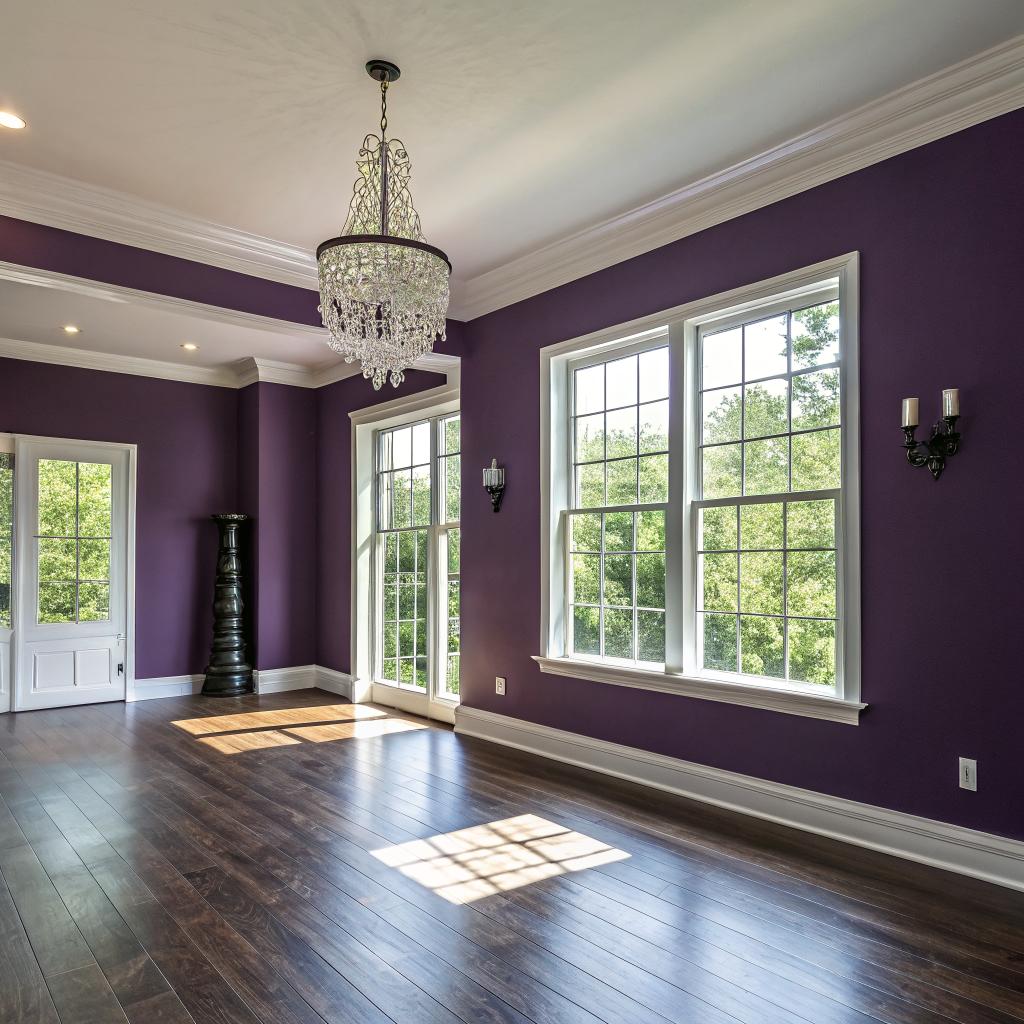

“Painting is just cosmetic. It does not really change your home, it just hides the old walls for a while.”
That statement is false. A good paint job does not just cover the walls, it changes how your home feels, how you live in it, and sometimes how you feel in it every day. When you work with a focused interior painting team like interior painters Colorado Springs, you are not just getting new color on the walls, you are getting a cleaner, brighter, more comfortable place to come home to.
If you have ever walked into a freshly painted room and had that quiet pause where you think, “Wow, this feels like a different house,” you already know what I mean. It is not only about color. It is the sharper lines, the way light bounces, the way stains and scuffs are gone. You notice doors closing a bit smoother because someone actually removed the paint build up. You notice trim that finally looks straight, not tired and yellowed.
I think the mistake many people make is seeing painting as a quick weekend chore. Grab a roller, pick a color that looks nice on a small card, and hope for the best. Then, halfway through the living room, you are standing in a sea of drop cloths, wondering why the walls still look patchy and why your shoulder hurts. At that point, the project feels less like a fun refresh and more like something you just need to survive.
Professional interior painters look at it in a different way. Good ones, at least. They see the room as a whole story. The walls, the ceiling, the trim, the doors, the light, your furniture, your flooring. All of it needs to work together. And if you live in or near Colorado Springs, there is another layer: the local light, the dry air, and the very real impact of sun exposure on paint over time.
You might be thinking, “Fine, but paint is paint. Why should I care this much?” That is fair. Most people just want their home to look clean and calm, not like a show home. But the more you look at what a skilled residential painting company actually does, the more you realize it is not about perfection, it is about comfort. It is about coming home after a long day and not being distracted by cracked corners, uneven touch ups, or that one wall you always “mean to fix later.”
Some homeowners delay painting for years. They tell themselves it is not urgent. Then they repaint and wish they had done it sooner. I have seen this pattern so many times that I now think waiting is actually the expensive option. You live all those years surrounded by worn surfaces, and when you finally paint, you realize how much better it could have felt.
So let us talk about what really changes when you hire a team like Front Range Painters LLC, what you should expect, and how it affects daily life, not just your walls.
How a Fresh Interior Paint Job Actually Changes Your Home
Most people notice the color first. That is normal. But color is just one part of the change.
Fresh paint affects things on several levels:
“A paint job you barely notice is often the one that changed your home the most.”
When interior painting is done well, you stop seeing the flaws and start noticing the space itself. You notice how easy it is to relax in your living room, or how your kitchen suddenly feels less cluttered, even though you did not throw anything out.
Here are a few very real ways a careful interior paint project changes a home:
Your rooms feel cleaner and lighter
Old paint holds dirt, cooking residue, handprints, and old patch marks. Even when you scrub the walls, some stains sink in. Over time, the whole space takes on a dull tone. You might not see it clearly, because you see it every day, but it is there.
When someone preps and repaints those walls properly, you get:
– Straighter, sharper edges along trim and ceilings
– No more random touch up spots with a slightly different sheen
– Light that reflects more evenly, so the room feels brighter without adding lamps
You might not be able to point to each detail, but you feel it.
Your layout and furniture suddenly make more sense
This part can feel strange. You repaint a room, do not move a single piece of furniture, and yet the layout feels different. Sometimes colors that better match your flooring or couch help tie things together. Other times, a subtle contrast on one wall creates a quiet focal point that anchors the room.
I remember standing in a home office after it was painted in a soft, slightly warm gray. Same desk, same shelves, same old chair. But the room did not feel crowded anymore. The walls stopped competing with the furniture. The owner told me he finally wanted to sit in there to work, which had never happened before.
Small flaws disappear, and everything feels newer
Cracks, nail pops, nail holes, old picture hooks, tiny dents from moving furniture: these live in your walls for years. You stop seeing them, but visitors see them right away. Interior painters who care will:
– Fill and sand holes instead of just painting over them
– Caulk gaps along trim and baseboards
– Fix minor drywall issues that catch the eye
None of this is exciting to talk about, but it matters. A lot. It is the quiet background work that makes a home feel “new enough” again, even if the furniture is not.
Why Interior Painting Feels Different in Colorado Springs
Painting in Colorado Springs is not the same as painting in a humid coastal town. The climate affects both the painting process and how the finish looks over time.
Here is a simple way to look at it.
| Factor | What Homeowners Expect | What Interior Painters Think About |
|---|---|---|
| Dry air | Paint will dry fast | Paint can dry too fast and flash, so timing and product choice matter |
| Strong sunlight | Rooms feel bright | Colors can fade or shift, so pigment quality and sheen choice are important |
| Temperature swings | Not a big concern indoors | Expansion and contraction can affect caulk lines and existing cracks |
| Dust | A bit of extra cleaning | More prep, better masking, and cleanup to avoid dust trapped in finish |
If you have lived in Colorado Springs for a while, you know how quickly the air dries out. That means:
– Paint can skin over fast, which affects how smooth it looks
– Cheap paints can show roller marks and lap lines more easily
– Poor prep shows through faster because surfaces are not “softened” by humidity
A local residential painter who works here every week will build habits around this, often without even talking about it. For example, they might:
– Work in smaller sections so the paint does not set up before it is rolled out
– Choose certain sheens in high sun rooms to limit glare and touch up issues
– Schedule painting times to avoid cold mornings where paint behaves differently
You might not care about these tiny choices, and that is fair. The point is, they add up. They decide whether your new paint job still looks crisp in five years, or tired and patchy after two.
What Front Range Painters LLC Typically Handles For You
You can paint your own home. Many people do. Some enjoy it. But if you want your home to look sharp without a long, messy project, you hire interior house painters who live and breathe this work.
Here is what a professional team usually takes off your plate.
Planning and color guidance
Most homeowners start with color. Then they get lost.
You look at fifty gray samples. Half of them suddenly look blue in your living room. The other half look beige in the hallway. At some point, you just want someone to say, “Based on your light and floors, these three are smarter options.”
A painter who has done hundreds of rooms in Colorado Springs already knows how certain brands and colors behave here. They have seen the same shades at different times of day, in rooms with both natural and artificial light. That kind of experience can save you from repainting a room because the shade turned out colder than you expected.
This is where a simple, honest conversation matters more than fancy design talk. You want someone who will say, “That color will look darker in your north facing bedroom, are you ok with that?” instead of just nodding and writing it down.
Real surface prep, not just a quick wipe
Prep is the least glamorous part of painting. It is also the part that most strongly affects how long your paint lasts.
Serious prep for residential painting in Colorado Springs might include:
– Cleaning greasy kitchen walls so paint bonds properly
– Sanding glossy trim so the new coat sticks
– Repairing nail pops and cracks, then priming those spots
– Caulking gaps to keep lines sharp and consistent
If you walk into a room halfway through prep, it can look worse than when it started. Patches everywhere, tape marking trouble spots. But this is where professional interior painters earn their money. They know where to spend time and where not to overcomplicate things.
Protecting your home while they work
A quiet way you can judge a painting crew is how your house looks during the job, not just after.
Some questions to pay attention to:
– Do they cover flooring well, or are there open spots near walls?
– Are outlet covers, light fixtures, and hardware removed where it makes sense?
– Is there a clear path through the house, or do you feel trapped in your own home?
These details affect how stressful the project feels. Painting is already a disruption. You do not need extra chaos.
Worth saying: you are allowed to ask painters how they plan to protect your furniture, floors, and countertops. If they cannot answer clearly, that is a red flag.
Clean, consistent finish work
The final coat is what you and your guests see every day.
Some signs of careful work:
– Straight, clean lines where wall meets ceiling
– No visible roller lines or thick ridges
– Outlet covers reinstalled neatly, without paint on the edges
– Trim that looks even, not heavy in some spots and thin in others
These details separate a quick paint job from one that truly changes the room.
“Good painting feels quiet. You are not staring at the walls, you are just comfortable in the room.”
How To Decide What To Paint First
You might not want to repaint your entire house at once. That is normal. Budget, schedule, and energy all matter.
So how do you decide where to start?
I will be direct: you are wrong if you assume you must begin with the largest or “most visible” room. Sometimes that creates the most stress. A smarter approach is to look at how you actually live.
Here are a few ways to think about it.
Start with the rooms where you spend the most quiet time
These are often:
– Bedrooms
– Home offices
– Family rooms
If your bedroom walls are worn, or your office has three different touch up shades from years past, fixing those first can improve daily life more than painting the entry.
When you wake up in a fresh, calm room, you feel it every single morning. That adds up.
Consider rooms that are hardest to DIY
Some areas are physically harder to paint on your own:
– High stairwells
– Two story entryways
– Rooms with many doors, windows, or built in features
If you know you are not comfortable on a tall ladder, pay someone for those spaces. You can always handle simpler rooms later if you want to split the work.
Look at where guests gather
This is less about impressing people and more about your own stress level when hosting. If you always notice the peeling paint in your dining room when friends are over, that is a sign. Fix the thing that bothers you every time you see it.
Common Myths About Interior Painting
There are a few beliefs that keep people from hiring professional interior painters or from planning projects well. Some of these sound reasonable on the surface, but they cause problems later.
Myth 1: “All paint brands are the same”
They are not.
More expensive paint is not always better for every room, but cheap paint almost always leads to one of two problems:
– Extra coats, which cost you time and labor
– Poor touch up later, because the finish does not blend well
In bright Colorado light, thin paint and weak pigments show flaws faster. A good residential painting company will match paint quality to the room and use products they trust, not just the cheapest option.
Myth 2: “Color does not affect room size, that is just design talk”
Color does not physically change the size of a room, of course, but it affects how our eyes read space. In a narrow hallway, a deep color can feel tight and heavy. In a large, open living room, the same color might feel warm and grounding.
This is not magic. It is about contrast, reflectivity, and how edges read. Painters who work in real homes see these patterns play out over and over. Ignoring them usually leads to repainting earlier than planned.
Myth 3: “Professional painters are only for big, fancy homes”
I think this is one of the most stubborn myths.
Many of the homes that benefit most from skilled residential painters are very normal houses. Small ranch styles. Split levels. Townhomes. Older homes with quirky walls and odd trim profiles.
You do not need to live in a luxury property to want consistent walls, clean trim, and a color that does not fight with your floors. Paint is one of the more affordable ways to make a regular home feel carefully cared for.
Myth 4: “Paint is permanent, so I need the perfect color”
This one quietly blocks people from starting.
Paint is not permanent. It is repeatable. You can repaint. You can adjust. Does that cost money? Yes. But stressing for months about the “perfect” shade is its own kind of cost.
A better mindset is: “Let us choose a color that is clearly in the right family, that I am 80 percent confident in, and that works with my furniture.” Perfect is often just a moving target.
How Professional Interior Painters Plan A Project
Every company has its own process, and I will not pretend there is one single right approach. Still, there are shared patterns that usually lead to smoother projects.
1. Walkthrough and expectations
A real walkthrough is not a quick glance. Someone should:
– Ask which rooms bother you the most and why
– Point out surface issues that may need extra time
– Talk through what stays in the room and what needs to move
If a painter does not ask many questions, that is not a good sign. Painting your home is not just about the walls, it is about your routine during the work.
2. Clear written scope
You should see in writing:
– Which rooms and surfaces are included
– How many coats are planned
– Who is handling minor repairs and up to what size
– Whether ceilings, doors, and trim are included
This clarity helps you compare quotes fairly. A low price is not a bargain if it leaves out half the prep you assumed was included.
3. Schedule and daily routine
Professional painters will talk about:
– Start and finish times each day
– Which rooms will be painted in what order
– How to keep pets and kids away from work zones
Do not be shy about your schedule. If you work from home and need quiet calls at certain times, say so. Most crews can work around this if they know early.
4. Final walkthrough and touch ups
A good painting company will not hurry out the door the moment the last coat dries. You should walk the space together, point to any small spots that bother you, and let them fix those while they are still set up.
If you only notice something a few days later, a responsive company will come back to address it, within reason. That follow through is where long term trust is built.
Small Choices That Have A Big Impact On Daily Life
There are many tiny decisions during a paint job that you might never think to ask about. They affect how your home feels long after the crew leaves.
Sheen choices that match real life
Paint is not just about color, it is also about sheen. In simple terms:
– Flat or matte hides flaws but is less wipeable
– Eggshell balances cleanability and softness
– Satin and semi gloss are tougher and more reflective
In a busy Colorado Springs home with kids or pets, walls near entries, halls, and kitchens often do better with an eggshell or similar finish. It wipes clean more easily without looking too shiny.
If a painter wants to use the same sheen on every single surface in every room, that is convenient for them, not always best for you.
Color temperature and local light
Colorado light can feel bright and cool, especially in winter. Cool grays and whites can look extra cold in that setting.
Warm neutrals, soft off whites, or colors with a bit of warmth can make rooms feel more comfortable year round. You do not have to choose “tan” or anything heavy, just be aware that a color that looks balanced in a showroom can shift cooler at home.
Painters who work here often have a mental list of color families that behave well in our local light. Ask for that. Push for specific examples, not vague reassurances.
Practical trim colors
Pure, bright white trim looks sharp on day one. In a home with kids, pets, or lots of traffic, that sharp white also shows every scuff.
A slightly warmer or softer off white on trim can still feel clean while aging more gracefully. You clean less, and you stress less about every mark.
What To Watch For When Comparing Residential Painting Companies
If you are talking to more than one painting company, and you probably should, it helps to look past the marketing language and focus on concrete behavior.
Questions worth asking
You do not need to quiz anyone, but a few simple questions can reveal a lot:
– Who will actually be in my home each day?
– Do you move furniture, or should I handle that?
– What kind of prep do you include in your normal pricing?
– What happens if I notice something I do not like after you are done?
Listen to how they answer. Are they specific, or vague? Do they talk in real terms, like “We patch nail holes and small dings, larger repairs are an extra line item,” or do they give you general promises with no detail?
Red flags
Be careful if:
– The quote is very low compared to others, with no clear reason
– They refuse to give a written scope
– They cannot name the products they prefer using
– They seem rushed during the walkthrough and avoid your questions
Painting is one of those areas where you often get what you pay for. Not always, but often. A fair price reflects prep, skilled labor, and time to do the job with real care.
Making The Most Of Your Interior Painting Project
Once you pick a painter and choose your colors, there are a few things you can do to make the project smoother and the results better.
Declutter what you realistically can
You do not have to empty rooms down to the studs, but removing small items helps:
– Take pictures, plants, and small decor off the walls and surfaces
– Clear dressers and counters where possible
– Move fragile items to a safe room you know no one will enter
This speeds up the crew and reduces the risk of broken items. It also forces you to look at what you actually want to put back on the walls after painting.
Think ahead about furniture layout
If you plan to change how a room is arranged, try to decide that before painting, or at least before the last day. For example, if a bed will move to a different wall, patching old picture holes and painting that fully in one go is cleaner than chasing it later.
Take before photos
It can feel silly, but quick photos before the project help you appreciate the change. You forget how the old colors really looked, especially if they were faded or stained.
There is something satisfying about seeing the before and after side by side. It reminds you why you went through the temporary mess.
Q & A: Common Questions About Interior Painting With Front Range Painters LLC
Q: How long does a typical interior painting project take?
A: It depends on how many rooms and how much prep is needed, but many full interior projects are completed in a few days to a week. Smaller projects, like a couple of rooms, can often be done in one to three days. The key is planning the order of rooms so you can still live in the space while work is happening.
Q: Do I need to leave my home while the crew is painting?
A: Usually, no. Most homeowners stay in the house. Professional painters are used to working around people, pets, and daily routines. You might choose to be out during certain noisy or smelly tasks, but many modern paints have low odor, which makes staying home much easier.
Q: Can I save money by doing some of the work myself?
A: Sometimes. If you want to handle certain rooms or simple tasks like removing wall decor, that can help. But partial prep, like doing some patching yourself, can backfire if it is not done correctly. It is often better to let the painting crew handle prep so they can stand behind the final result.
Q: How often should I repaint the interior of my home?
A: Many homes repaint high traffic areas every 5 to 7 years, sometimes sooner in busy entryways or kids rooms. Lower traffic spaces, like guest bedrooms, might go 8 to 10 years. Quality products, good prep, and the right sheen will stretch those timelines.
Q: What if I am nervous about choosing the wrong color?
A: Ask your painter for a short list of colors they have seen work well in similar homes. Then test a couple of samples on the wall, not just on small cards. Look at them in morning, afternoon, and evening light. You do not need to be 100 percent certain, but you should be comfortable enough that it feels like a step forward, not a gamble.
Q: Is professional interior painting really worth the cost?
A: If you care about how your home feels every day, and you want that change without weeks of frustration, then yes, it usually is. You are not just paying for new color. You are paying for smoother walls, sharper lines, fewer messes, and years of not thinking about repainting again. The real question is how you want your home to feel when you walk through the door.
