
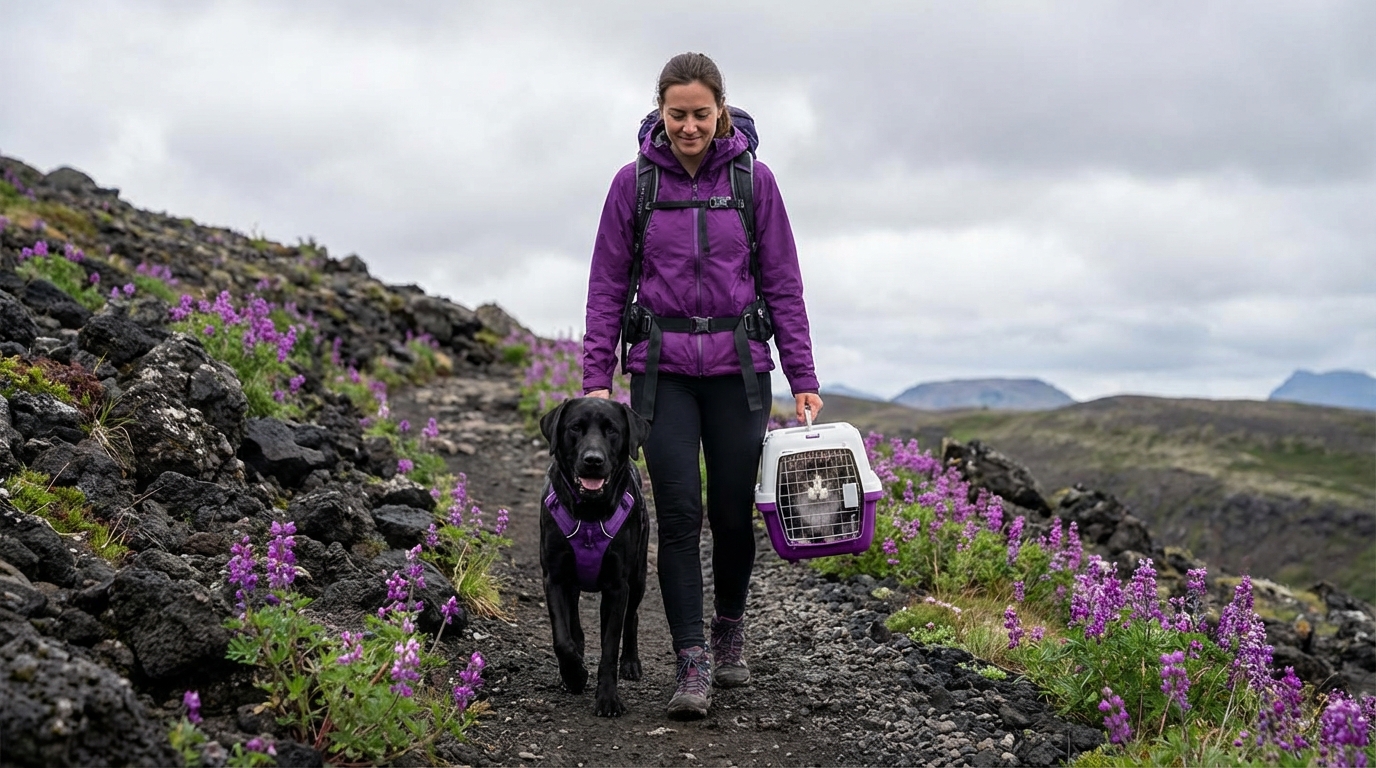

“Traveling with pets is just too stressful. It’s kinder to leave them at home or in a kennel.”
That sounds reasonable on the surface, but it is not always true. For many pets and many owners, travel can work well. The problem is not the trip itself. The problem is poor planning, wrong transport choices, and wishful thinking about what an animal can handle. When you prepare the right way, your pet can stay safer, calmer, and you can still enjoy the trip instead of feeling trapped by it.
You are not wrong for worrying. Stress, heat, escapes, motion sickness, these are real risks. But writing off travel completely is its own kind of mistake. The better path is to be brutally honest about your pet, your own habits, and the type of trip you are planning. Then you build the trip around that reality, not around a fantasy Instagram moment.
I might be wrong, but most problems with pet travel start long before anyone gets in a car or goes near an airport. They start the moment we assume a dog that hates the vet will love a six hour flight. Or we pack for ourselves first and leave the pet items for “whatever fits in the bag”. That is backwards.
So this guide is built around survival. You, your pet, and your sanity. Not glamor shots.
You will see some strong opinions here. If any of them clash with what you had in mind, use that tension as a signal. It often means you are about to take a path that will cost you sleep, money, or your pet’s comfort.
“If my pet is healthy and friendly, they are automatically a good travel companion.”
Health and temperament matter, but they are not the only filters. Age, previous trauma, breed limits, noise sensitivity, separation stress, even your own patience threshold. These shape whether a trip is kind or selfish. Some animals are better off staying with a trusted sitter. That is not a failure. It is responsible.
So before packing anything, you need to answer a blunt question: is this trip for you, or is it also for your pet?
Should your pet travel at all?
This is the first decision. Not logistics, not airlines, not hotels. Just: go or stay.
Ask yourself a few simple questions and be honest with the answers.
“My pet will get used to it once we are there.”
Sometimes they do. Often they do not, especially on short trips. If your vacation is five days and your pet spends three of them stressed, pacing, whining, or hiding, the math does not work.
Here are the main filters that matter.
Health and age checks
You need recent medical info, not what the vet said two years ago.
– Young animals: Puppies and kittens have weaker immune systems. They often lack full vaccines. They chew, lick, and taste everything. Long trips, crowded rest areas, and new environments can expose them to things they are not ready for.
– Seniors: Older pets can have joint pain, heart problems, breathing issues, or cognitive changes. Long car rides or flights can be harder on them than on you.
A quick comparison helps frame this:
| Factor | Better suited for travel | Use extra caution |
|---|---|---|
| Age | 1 to 8 years, stable health | Puppies/kittens under 6 months, seniors |
| Medical status | Recent checkup, no chronic issues | Heart, breathing, seizure, or joint problems |
| Vaccines | Up to date, proof available | Missing records, overdue shots |
| Mental state | Generally calm, recovers from stress | Very anxious, aggression history, severe fear |
If your pet is in the “use extra caution” column more than twice, you should seriously consider a sitter or boarding at a good facility. That is not dramatic. It is the safer option.
Temperament and behavior reality check
Some pets love new places. They sniff, wag, and pass out in the car. Others shut down or go into overdrive.
Signs your pet is a decent travel candidate:
– Can settle at home when guests visit.
– Walks on a leash without constant meltdown.
– Can be alone in a room for short periods without destroying things.
– Recovers from loud sounds reasonably quickly.
Signs travel might be a bad idea:
– Barks, growls, or lunges at strangers or other animals.
– Extreme separation stress, even at home.
– Fear of cars, crates, or carriers that does not improve.
– History of biting or snapping when stressed.
You can work on some of these with training over time, but you cannot fix them in a week before your flight.
Trip type and length
The kind of trip matters as much as the pet.
A quiet week in a cabin with a fenced yard is not the same as a packed city break with daily museum visits. If your schedule involves long days away from the hotel and unpredictable timing, your pet will spend much of the trip alone in a strange space, stressed and bored. That is often worse than being home with a sitter.
Use this simple mental test:
– If your pet were another adult human with the same schedule, would they enjoy this trip?
– If the answer is “probably not”, think again.
Legal, medical, and paperwork basics
Once you have decided the pet should travel, the next risk is paperwork and health rules. This part is boring. Skip it and you can lose your booking or face quarantine rules you did not expect.
“My pet has a microchip and vaccines, so we are good to go anywhere.”
That is not always true. Countries, states, and airlines have different rules. Some are strict. Some change often.
Vet visit: non-negotiable step
Before any major trip, book a vet visit. Not a quick nail trim. A travel checkup.
Ask for:
– A basic physical exam.
– Review of vaccines needed for your destination.
– Preventive meds for fleas, ticks, and heartworm if relevant.
– Motion sickness options.
– Anxiety management options, if your pet is a nervous traveler.
Be honest with your vet. If your dog shakes in the car or your cat will not eat in new places, say it. The vet can explain real options instead of you guessing with over-the-counter products.
Documents you should carry
Different trips need different papers, but as a rule, have:
| Document | Why you need it | Where it matters |
|---|---|---|
| Rabies certificate | Proof of vaccine | Hotels, airlines, borders, local rules |
| General vaccine record | Shows health history | Boarding, pet-friendly rentals, emergencies |
| Health certificate | Vet statement your pet is fit to travel | Flights, international trips, some trains |
| Photo of your pet | Helps if they go missing | Everywhere |
| Microchip number details | Links found pets to you | Everywhere |
Scan these and keep digital copies in your email or cloud storage. If your bag is lost or wet, you still have proof.
Breed, size, and species limits
Transport companies and rental hosts can have rules around:
– Certain dog breeds.
– Pet weight.
– Number of pets per room.
– Exotic animals like reptiles, birds, or small mammals.
Ignoring this or hoping they will “make an exception” is risky. You might be right, and they may be flexible. You might also reach a check-in desk at 5 a.m. and be turned away. That is a hard problem to fix on the spot.
Choosing how to travel: car, plane, train, or bus
Transport choice is not just about speed or price. It is about what your pet can handle without falling apart or facing serious risk.
“Flying is faster, so it’s always safer for the pet.”
Flying can be the safest choice in some cases, but not always. Long airport waits, cargo holds, loud sounds, pressure changes, and handling by strangers are real factors.
Let us look at the main options with a simple view.
| Mode | Best for | Major risks | Key question to ask |
|---|---|---|---|
| Car | Most dogs, some cats, flexible schedules | Heat, motion sickness, escapes in traffic | Can you manage breaks and restraint safely? |
| Plane | Long distances, small pets in cabin | Cargo stress, temperature, lost crates | Can your pet fly in cabin under the seat? |
| Train | Regions with pet-friendly rail policies | Crowds, noise, limit on pet size | Are pets allowed on all legs of the journey? |
| Bus | Very limited cases | Often banned, cramped space | Does the company clearly allow pets? |
Traveling with pets by car
Most pet trips happen by car. Which is good, because cars give you control over temperature, stops, and noise.
Key rules:
– Restrain your pet. A loose pet can distract you or become a projectile in a crash. Use a secured crate, a crash-tested harness attached to the seat belt, or a pet barrier. Avoid letting them ride in the front seat if you can. Airbags can hurt them.
– Watch the temperature. Cars heat fast. Even on a mild day, a car in the sun can reach dangerous levels in minutes. Do not leave your pet alone in a parked vehicle. Not with the window “cracked”, not even for “just a minute”.
– Plan real breaks. That means stopping every 2 to 3 hours for dogs to walk, hydrate, and relieve themselves. Cats usually manage longer, but you should still offer water regularly.
Motion sickness is common, especially in young dogs. If your pet drools, pants, or vomits, talk to your vet about medication or feeding schedules. Often a light meal a few hours before leaving, then small amounts of water, can help.
Traveling with pets by plane
Plane travel is where things can go very wrong, or go surprisingly well. The gap depends heavily on size, airline policy, and preparation.
Ask this first: can your pet fly in the cabin?
If your pet is small enough to fit in an airline-approved carrier under the seat in front of you, your risk drops a lot. The pet stays with you. You can monitor breathing, temperature, and signs of distress.
If your pet must fly in the cargo hold, you need to think harder. Some dogs and cats do fine. Others panic or face temperature problems.
Steps for safer flights:
1. Call the airline before booking and confirm current pet policies.
2. Avoid flights with long layovers or many plane changes.
3. Choose direct flights when you can.
4. Avoid very hot or very cold travel days where possible.
5. Use an approved, sturdy crate with secure latches and clear labels.
6. Do not sedate your pet lightly. Many vets warn against routine sedation for flights, especially for short-nosed breeds. Sedation can affect breathing and balance in changing pressure.
Label the crate with:
– Your name and phone number.
– Destination address.
– Photo of your pet.
– Clear “Live animal” signs as required.
Arrive early, but not so early that your pet spends hours in the crate in a noisy terminal.
Train and bus travel with pets
Trains can be a nice balance for some routes. More legroom, less pressure change, easy walking breaks when the train stops for longer periods.
But every company and region has its own rules about:
– Size limits.
– Carrier requirements.
– Quiet behavior.
– Where you can sit with your pet.
Buses are often stricter. Many long-distance bus lines only accept service animals. Do not assume you can “talk your way on”. If your trip hinges on bus travel, check in writing first.
Choosing where to stay with a pet
A smooth journey can still go off track if your lodging is poorly chosen. Pet-friendly does not always mean pet-suitable.
“The listing says ‘pets allowed,’ so my dog will be fine.”
That line only says they accept pets. It says nothing about noise, nearby dogs, stairs, or how thin the walls are.
Questions to ask before you book
When you see “pets allowed” on a hotel or rental listing, follow up with these points:
– Is there a size or breed limit?
– Is there a pet fee per night or per stay?
– Are pets allowed to stay alone in the room?
– Are there any restricted areas (lobby, pool area, restaurant)?
– Is there outdoor space nearby for walks?
If you plan to leave your pet for short periods, be honest about it. Some hotels forbid unattended pets. Others allow them if they are crated and quiet. Ignoring this can lead to complaints, fees, or you being asked to leave.
Room setup for safety and sanity
When you reach the room or rental:
1. Walk in without your pet first.
2. Check for hazards. Loose wires, small items on the floor, open windows without screens, cleaning products accessible under sinks.
3. Choose a specific spot for your pet’s crate or bed, away from direct sun or loud hallways.
4. Set up food and water in a corner to reduce spills.
Bring a familiar blanket, toy, or unwashed shirt from home. The smell helps many pets settle faster.
Packing checklist for pet travel
Packing for a pet is not about buying every product on a shelf. It is about covering comfort, safety, and identification.
Here is a table you can use as a reference:
| Category | Items | Why it matters |
|---|---|---|
| Basics | Food, collapsible bowls, leash, collar, harness | Keep routine feeding, hydration, and control during walks |
| Health | Medications, copies of records, first aid supplies | Handle routine doses and minor issues |
| Comfort | Bed or blanket, toys, chews, litter and tray for cats | Reduce stress with familiar items |
| Hygiene | Poo bags, wipes, small towel, grooming brush | Keep space cleaner for you and hosts |
| Control & safety | Crate or carrier, seat belt harness, ID tags | Prevent escapes and accidents |
Do not switch foods suddenly just because you are traveling. Rapid diet changes often lead to stomach upsets. If you must change brand, mix new and old over several days leading up to the trip.
Training and preparation before the trip
Many owners wait until the travel day to see how their pet reacts to carriers or car rides. That is a big driver of stress. You can warm your pet up to the idea gradually.
“My pet hates crates, so I will skip it and hold them in the car.”
That feels kind, but it is risky for you and the pet. Better to train your pet to accept a crate or harness. It takes effort, but it pays off in safety.
Carrier and crate training basics
Start a few weeks before travel if you can.
1. Make the crate or carrier part of your home space. Door open, soft bedding inside.
2. Toss treats or feed meals inside it so your pet walks in by choice.
3. Once they enter easily, close the door for a few seconds, then open and reward.
4. Gradually increase the time with the door closed, staying calm near them.
5. Add short car rides with the crate secured, starting with very short loops.
Aim for your pet to be able to rest quietly inside for at least 30 minutes at home before you expect them to stay calm in a moving vehicle or busy terminal.
Leash and recall basics
Travel often means strange noises, crowds, and smells. Even pets that walk well at home can react differently.
Work on:
– Loose leash walking with distractions.
– A simple “sit” or “stay” near doorways and at curbs.
– A reliable recall in controlled spaces.
If recall is poor, use a long line in open areas instead of trusting that they will “probably stay close”. Travel is not the best time to test their limits.
Managing the travel day
The day you actually move is where planning meets reality. Your goal is not to stick rigidly to a schedule, but to maintain your pet’s basic needs: water, bathroom, mental breaks, and safety.
Food and water timing
Feeding too close to departure can increase motion sickness and bathroom needs. For many pets:
– Give a light meal 3 to 4 hours before leaving.
– Offer water regularly, but in small amounts.
– Do not introduce new treats during the travel window if your pet has a sensitive stomach.
For long days, plan small, frequent snacks instead of one big meal.
Managing stress for your pet
Stress signs include panting, shaking, lip licking, wide eyes, pacing, or hiding.
Ways to reduce it:
– Keep your own voice calm. Pets pick up your tension.
– Play soft, familiar sounds in the car if they help.
– Cover part of a crate to make it feel more like a den, while keeping airflow clear.
– Use comfort items from home.
If your vet has given you meds or calming aids, follow their guidance. Do not increase doses on your own when you get nervous.
At your destination: routines and rules
Arriving can bring relief and a new kind of chaos. New smells, new people, new layout. Your pet needs a simple, predictable pattern.
“Once we reach the hotel, my pet will calm down.”
Sometimes they do the opposite. Travel uses a lot of mental energy. Pets can get wired or shut down. You need to give them a stable base.
First hour on arrival
1. Before bringing your pet inside, plan a short walk (for dogs) or a quiet familiarization period (for cats in a bathroom).
2. Let them relieve themselves, sniff a bit, and move slowly.
3. Bring them into the room or rental and lead them straight to the spot you chose for their bed or crate.
4. Set up food and water, then step back and let them explore on a short leash or within a single room.
Avoid crowding them with new people right away. Give them time to adjust.
Holding on to a basic routine
Try to keep:
– Similar feeding times.
– Similar waking and sleeping windows.
– Regular walk frequency.
You will not match home perfectly, but even partial consistency helps many pets relax. They know what comes next.
Leaving your pet alone in a new place
This is one of the higher risk moments for noise complaints, damage, and stress.
If you must leave them:
– Start with a short test when you are nearby (walk to the lobby and back).
– Use a crate if your pet is crate-trained and feels safe in it.
– Leave a chew or toy that they enjoy.
– Avoid leaving them alone for very long periods on the first day.
Listen outside the door for a moment. If your pet is howling or scratching, you need a different plan before taking a long outing.
Safety and emergency planning
Even with perfect planning, things can go wrong. Collars break, leashes slip, hotel staff open doors by mistake. Preparing for these edges makes a big difference.
ID and microchip setup
Your pet should wear:
– A collar with a clear ID tag that includes your mobile number.
– A microchip that is registered with your current contact details.
Check the microchip data before your trip. Many owners forget to update it after moving or changing numbers. If someone finds your pet far from home, this is often how they reach you.
Local vet and emergency contacts
Before you arrive, search for:
– The nearest general vet to your lodging.
– The nearest 24-hour emergency vet clinic.
Save their addresses and phone numbers. In a crisis, you do not want to be searching for “emergency vet near me” on a slow data connection.
If your pet goes missing
If the worst happens:
1. Stay near the last known area at first. Pets often stay close.
2. Ask staff or nearby people if they have seen your pet, and give them a photo.
3. Contact local shelters and vets with a clear description.
4. Use social media or local online groups if they are active in the area.
Having clear, recent photos and knowing your microchip info makes all of this faster.
Special cases: cats, small animals, and more
So far, much of this centers on dogs, because they travel most often. Other animals can travel as well, but they usually need stricter control of environment and containment.
Traveling with cats
Cats often handle change poorly. Many prefer to stay home with a trusted visitor rather than travel.
If they must travel:
– Always use a secure carrier. Do not let your cat loose in a car or hotel room before you have checked and closed all escape routes.
– Cover part of the carrier to reduce visual stress while still allowing airflow.
– Set up a small safe space first, often a bathroom with a litter box, food, and water, before giving access to the rest of the space.
Litter management can be tricky in hotels. A small, covered tray and litter bags for waste, sealed tightly, keep smell and mess under control.
Small mammals, birds, and reptiles
Rabbits, guinea pigs, birds, lizards, and snakes all have very specific needs for temperature, humidity, and noise levels. Travel can upset this balance quickly.
Key points:
– Research your species’ travel risks in detail. Some are very sensitive to temperature swings.
– Use secure, well-ventilated carriers, not open cages.
– Keep them away from direct airflow from car vents or windows.
– Bring enough bedding, substrate, and food for the trip and backup.
Many hotels and rentals do not expect these animals. Be upfront. Surprises can lead to issues if staff discover them by chance.
Common mistakes to avoid
It might help to see where people often go wrong. These patterns repeat.
| Mistake | Why it is a problem | Better approach |
|---|---|---|
| Leaving planning to the last week | No time for training, vet checks, or paperwork | Decide about pet travel when you first plan the trip |
| Assuming “pet-friendly” equals “pet proof” | Hazards in rooms, weak fences, surprise rules | Ask concrete questions and inspect on arrival |
| Letting pets roam loose in the car | Injury risk, driver distraction | Use crates, harnesses, or barriers |
| Changing food suddenly on the trip | Stomach issues, mess, extra stress | Pack usual food or switch slowly before leaving |
| Ignoring signs of stress | Behavior can escalate into biting or escape | Adjust plans, add breaks, and use vet-guided tools |
If you recognize yourself in a few of these, that does not mean you are a bad owner. It just means your previous trips relied more on luck than on process. You can change that.
Balancing your needs and your pet’s needs
Travel with pets is a tradeoff. Yours and theirs.
You might have to skip a long museum day or choose a different restaurant because your dog cannot stay alone that long. You might limit your distance because flying in cargo poses too much risk for your particular pet.
Some people fear that this makes travel “not worth it”. The question is not whether travel becomes slightly less flexible. The question is whether the trip, as adjusted, still serves your goals and your pet’s comfort.
Ask yourself:
– Are you willing to adapt the trip around your pet’s real limits, not the limits you wish they had?
– If the honest answer is no, a sitter or boarding scenario will almost always lead to a better outcome.
If you do bring your pet, your target is simple: come home with the same healthy, stable pet you left with, maybe a little more tired and a little more attached to you.
That is what survival looks like in this context. Not perfect photos. Just both of you getting there and back with as little harm and as much calm as possible.
