

“Good home decor is expensive. If you are on a budget, your house will always look cheap.”
That sentence is false. Completely false. What makes a home feel pulled together is not the amount you spend. It is intention, repetition, and a bit of patience. I might be wrong, but in my experience, people waste money on decor because they skip planning and jump straight to buying. If you slow down, reuse what you have, and pick a clear direction, you can build a home that feels considered without draining your bank account.
This is where DIY decor shines. Not because it is trendy or “creative,” but because it forces you to think. You look at a blank wall, a scrap piece of wood, or an old jar and ask, “What could this become?” That question alone saves money. You stop buying random items and start building pieces that fit your space.
I want to walk you through budget friendly DIY home decor ideas that actually work in real homes. Not random hacks you saw in a 15 second clip and never used. These are projects that can survive everyday life, still look good a year later, and do not require a workshop or advanced tools.
You will see paint. You will see fabric. You will see glue. Nothing fancy. Some ideas take an afternoon, others might stretch across a weekend. And if one does not fit your style, that is fine. Skip it. Your home should look like you live there, not like you copied a mood board.
Before we go into the ideas, keep one thing in mind: DIY is not only about saving money. It is also about control. You control color, size, finish, and placement. That control is what makes your home feel like yours.
“I am not creative, so DIY decor is not for me.”
I hear that line all the time. It seems to me this is wrong in a very boring way. Most of DIY decor is not about talent. It is about following simple steps, being willing to mess up once, and trying again. If you can follow a recipe, you can handle these projects.
Let me break down 20 budget friendly DIY home decor ideas, how they work, what they cost, and where they fit best.
—
1. Repaint a Room Accent Wall
A single wall can change how a room feels. Painting every wall can feel like a big project, but one accent wall is simple and cheap.
Pick the wall that your eyes hit first when you walk into the room. That might be the wall behind your sofa, your bed, or the wall across from the doorway.
Forget complex paint finishes at first. One solid color is more than enough.
“Accent walls are outdated and make rooms look smaller.”
That quote is repeated a lot, and it is only partly true. A dark accent wall at the wrong spot can shrink a room. A thoughtful color that ties your decor together does the opposite. It can anchor your furniture and make the space feel more intentional.
Basic steps:
1. Clean the wall. Dust, wipe, let it dry.
2. Tape your trim, outlets, and ceiling line.
3. Cut in edges with a brush, then roll the center.
4. Let it dry and apply a second coat if needed.
If you are not sure about color, pull a color from something you already own: a pillow, rug, blanket, or art print.
Cost & Time
| Item | Approx. Cost | Time Needed |
|---|---|---|
| Paint (1 quart or gallon) | $20-$40 | 2-4 hours with drying time |
| Tape, tray, roller | $10-$20 | Reusable for other projects |
—
2. DIY Framed Printable Art
Buying large art can get expensive. Printing your own removes most of that cost.
You can:
– Download free printables from design blogs.
– Use public domain art from museum sites.
– Create simple text prints with quotes, song lyrics, or one word that matters to you.
Then you frame them.
Frames from thrift stores work well. You can spray paint them black or white for a consistent look.
“If it is printed at home, it will look cheap on the wall.”
That worry is common, but it is more about paper than printer. Use thicker matte paper, not thin glossy sheets. If you do not own a printer, local print shops or office supply stores can print for a low price.
| Size | Print Cost (approx.) | Frame Source |
|---|---|---|
| 8×10 | $1-$3 | Thrift / discount store |
| 11×14 | $3-$6 | Thrift / IKEA / big box |
| 16×20 | $6-$10 | Big box / online |
Group three or more prints on one wall for impact. Keep some spacing between them and hang at eye level.
—
3. Painted Old Furniture (Makeover, Not Replacement)
If you plan to buy new furniture because your current pieces look worn, pause. Often the shape is fine, the finish is not.
Old dressers, side tables, and chairs can change look with:
– Sandpaper.
– Primer.
– Paint.
– New hardware.
Work in a ventilated area. Remove drawers and hardware. Sand lightly just enough to scuff the surface, then wipe. Add primer if the piece is dark or shiny. Then paint with a small foam roller and brush for corners.
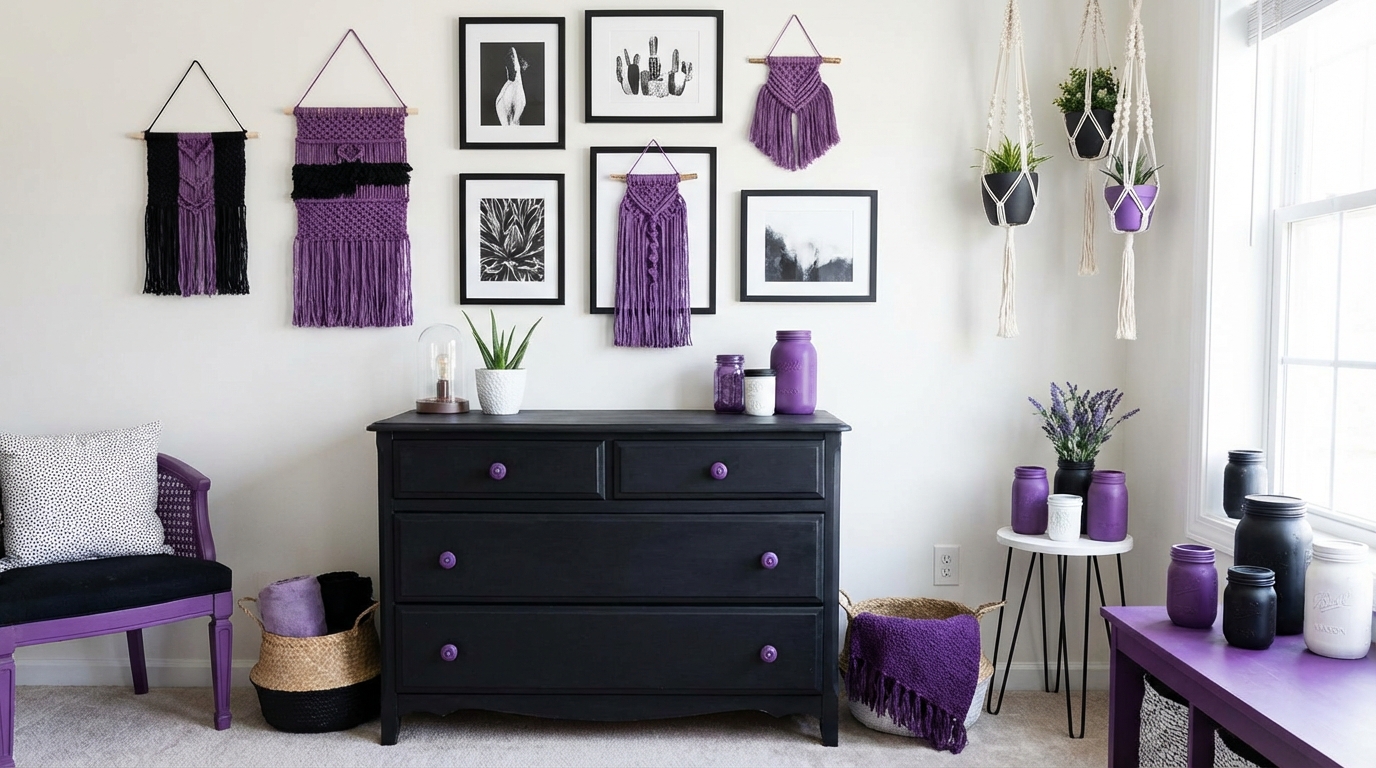
I might be wrong, but light neutral colors are safer for large pieces. You can add color with knobs, decor, and textiles instead.
| Item | Budget Range | Notes |
|---|---|---|
| Quart of furniture paint | $20-$30 | Enough for a dresser or two tables |
| New knobs / pulls | $10-$25 | Search clearance or online sets |
—
4. DIY Throw Pillow Covers
New pillows can change a sofa or bed quicker than almost anything. Buying them pre-made can add up. Making covers from fabric, old curtains, or even tablecloths keeps cost down.
You do not need a sewing machine, but it helps. For simple envelope style covers:
1. Measure your pillow insert.
2. Cut one front panel and two overlapping back panels.
3. Sew around the edges with right sides together.
4. Turn inside out, add the insert.
If you do not sew, fabric glue or iron-on hemming tape can hold seams for decorative pillows that do not get heavy use.
“DIY pillow covers look amateur and never fit right.”
That happens when people skip measuring. Always measure the insert and cut your fabric about 0.5 inch smaller on each side. That slight tension gives a full, tailored look.
—
5. Painted Mason Jars & Glass Bottles
Glass jars are free decor if you buy pasta sauce, jam, or coffee. With paint, they become vases, pen holders, or bathroom storage.
Here is a simple approach:
– Soak labels off and clean.
– Use chalk paint or acrylic on the outside.
– Do two thin coats for better coverage.
– Lightly sand raised lettering for a worn look, if you like that.
Use these for flowers, makeup brushes, kitchen tools, or as a cluster on a shelf.
| Number of Jars | Paint Needed | Approx. Cost |
|---|---|---|
| 3-5 small jars | Sample pot | $5-$10 |
| 10+ mixed sizes | Quart of paint | $20-$30 |
—
6. Simple Floating Shelves
Shelves do two jobs: storage and decor. They hold plants, frames, candles, and small items that give your room personality.
If custom carpentry feels heavy, start with simple wood boards and L-brackets.
Steps:
1. Measure your wall and mark stud positions.
2. Cut wood to length or ask the store to cut.
3. Sand edges and stain or paint.
4. Attach brackets to wall studs.
5. Place shelf on brackets and secure with screws.
You do not need thick wood. Even 1 inch thick boards can work for lighter objects.
“I rent, so I cannot add shelves.”
You can, but you need to patch holes before moving out. Use small brackets, avoid massive heavy shelves, and fill screw holes with spackle when you leave. Most landlords accept that.
—
7. Removable Wallpaper or Contact Paper Accent
Removable wallpaper and contact paper can change small zones: entryways, backs of shelves, or a single wall.
This works well in rentals because you can peel it off later.
Ideas:
– Apply inside a bookcase for a subtle pattern.
– Add behind a bed to fake a headboard wall.
– Use on a small entry wall to create a zone.
The key is patience. Peel slowly, press with a squeegee or old credit card, and smooth out bubbles.
| Area | Rolls Needed | Cost Range |
|---|---|---|
| Back of a bookcase | 1 roll | $15-$30 |
| Small accent wall | 2-3 rolls | $40-$90 |
—
8. DIY Photo Gallery Wall
Family photos, travel pictures, or black and white prints can fill a wall without expensive art.
You can mix:
– Different frame sizes.
– Black and white with color.
– Horizontal and vertical layouts.
To keep it from looking messy, stick to one or two frame colors. Black and white is a simple pair.
Steps:
1. Gather frames from thrift stores or discount shops.
2. Spray paint them the same color if they clash.
3. Print photos in matching tones (all color or all black and white).
4. Lay frames on the floor first to arrange the layout.
5. Hang starting from the center and work out.
“Gallery walls always look cluttered.”
They look cluttered when spacing is random. Pick a gap size, like 2 inches between frames, and keep it consistent.
—
9. Painted Interior Doors
Most people leave interior doors plain white. A painted door can add interest without taking up space.
Choose:
– A soft gray.
– Deep blue.
– Muted green.
– Or match a color from your rug or art.
You can paint both sides or just the side that faces the room you want to change.
Basic steps:
1. Remove handle if you feel comfortable doing it.
2. Lightly sand and clean.
3. Tape edges where the door meets the wall.
4. Use a small roller for flat areas and a brush for panels.
| Doors | Paint Needed | Approx. Cost |
|---|---|---|
| 1-2 interior doors | 1 quart | $20-$30 |
| 3-5 doors | 1 gallon | $35-$50 |
—
10. DIY Headboard on a Budget
Beds look unfinished without a headboard. Buying one can be expensive, but a DIY version is simple.
You can:
– Use a large piece of plywood cut to width, add foam and fabric.
– Mount a row of painted wood slats.
– Hang a curtain rod and drape a textured blanket or curtain.
For a padded headboard:
1. Cut plywood to match your bed width.
2. Attach foam with spray adhesive.
3. Wrap with batting, then your fabric.
4. Staple fabric at the back, pulling tight.
5. Mount to the wall or attach to bed frame.
If you have zero tools, the curtain rod plus fabric method is easier.
—
11. Upgraded Lighting With DIY Shades
Lighting affects how every piece of decor looks. You do not need designer fixtures, but updated shades can make a big difference.
Ideas:
– Replace old fabric shades on table lamps with clean, simple ones.
– Wrap plain drum shades with textured fabric or linen.
– Spray paint metal lamp bases for a fresh finish.
“Lighting upgrades always need an electrician.”
Changing entire fixtures can need one, yes. But swapping lamp shades or painting bases does not. If you stay on the plug-in side of lighting, you can improve the look without touching wiring.
—
12. DIY Large Canvas Art
Large art pieces often carry big price tags. Making your own simple canvas art can fill wall space at a lower cost.
You do not need to paint detailed scenes. Think simple:
– Big brush strokes in one or two colors.
– Geometric blocks.
– Textured white on white using joint compound.
Steps for abstract art:
1. Buy a large blank canvas or build one from canvas drop cloth on a simple frame.
2. Pick 2-3 colors that already appear in your room.
3. Use wide brushes or even a sponge.
4. Work in layers, let dry, then hang.
| Canvas Size | Approx. Cost | Best Use |
|---|---|---|
| 24×36 | $20-$40 | Above sofa or console |
| 30×40 | $30-$60 | Bedroom wall or dining wall |
—
13. Simple Indoor Plants & DIY Planters
Plants add life to a room and balance hard surfaces. You do not need rare plants. Low maintenance ones are better for most homes.
Pair plants with DIY planters:
– Wrap old cans with rope.
– Paint terracotta pots in neutral tones.
– Use woven baskets with plastic liners.
“I kill every plant I buy, so there is no point.”
That is sometimes true when people pick the wrong plants for their light. Choose ones known to handle indirect light and irregular watering, like pothos, snake plants, or ZZ plants.
| Plant Type | Light Level | Water Frequency |
|---|---|---|
| Snake plant | Low to medium | Every 2-3 weeks |
| Pothos | Medium | Weekly |
| ZZ plant | Low to medium | Every 2-3 weeks |
—
14. DIY Entryway Hooks and Shelf
The entry sets the tone for your home. A small combo of hooks and a shelf by the door can bring order and style.
You can:
– Use a simple wood plank, stain or paint it, attach hooks and mount on the wall.
– Add a narrow shelf above the hooks for small art and a plant.
Steps:
1. Measure the wall where your coat hooks will go.
2. Cut wood plank to size or buy pre-cut.
3. Attach hooks evenly spaced.
4. Mount the plank into studs or with strong wall anchors.
This keeps bags, coats, and keys off chairs and counters, which makes the rest of your decor more visible.
—
15. Layered Rugs on a Budget
Big rugs are expensive. A smart trick is to layer rugs:
– Put a large, low cost jute or flat woven rug down.
– Place a smaller patterned rug on top.
This gives more texture and makes small rugs look more intentional.
“Layered rugs look messy and are hard to clean.”
They can look messy when sizes are too close. Keep the base rug at least 12 inches bigger on every side. For cleaning, vacuum both layers from time to time and spot clean as needed.
| Base Rug | Top Rug | Combined Look |
|---|---|---|
| 6×9 jute | 5×7 pattern | Living room |
| 5×8 flat weave | 3×5 accent | Bedroom side |
—
16. DIY Chalkboard or Whiteboard Wall
A small chalkboard or whiteboard area can act as both decor and function.
Good spots:
– Kitchen for weekly menus or notes.
– Home office for tasks.
– Kids room for art and practice.
Options:
– Paint a small rectangle with chalkboard paint.
– Mount a framed whiteboard.
– Use removable chalkboard contact paper on a door.
Frame the area with simple wood trim if you want a cleaner look.
—
17. Recovered Dining Chairs
Dining chairs can look worn quickly, but if the frames are solid, you can recover the seats.
Steps:
1. Flip the chair and remove screws holding the seat.
2. Remove old fabric and padding if damaged.
3. Add new foam if needed.
4. Wrap new fabric around the seat and staple underneath.
5. Reattach to the chair frame.
Pick durable fabric that can handle frequent use. Patterns can hide small stains better than flat solids.
—
18. DIY Bedside or Sofa Side Table
Side tables do not need to be complex.
Low budget ideas:
– Stack two or three sturdy crates and secure them.
– Paint or stain a simple stool and use it as a table.
– Use a round wood board on top of a plant stand.
Make sure the surface is level and at a height that works with your bed or sofa.
| Type | Cost Range | Skill Level |
|---|---|---|
| Crate stack | $20-$40 | Beginner |
| Wood board + legs kit | $40-$70 | Beginner / intermediate |
—
19. DIY Curtain Upgrades
Window treatments can get pricey fast. To keep cost down:
– Use simple white or neutral curtain panels.
– Add interest with paint, fabric tape, or trim along the edges.
– Hang rods higher and wider than the window to give height.
“Cheap curtains always look cheap.”
They can, if they are too short or too narrow. Aim for curtains that just touch the floor and are wide enough to cover the window with some folds left over. You can join two panels per side if needed.
If you are handy with sewing, you can make curtains from flat sheets. If not, hem tape can shorten panels without stitching.
—
20. Styled Open Shelving With What You Own
Open shelves in kitchens, living rooms, or bathrooms can become decor without new items.
Approach:
1. Pull out items you already own: bowls, cups, books, small baskets, plants, candles.
2. Group by color or material. For example, white dishes together, wood items together.
3. Place items in odd numbers: 3, 5, etc.
4. Mix vertical stacks (books) with horizontal items (bowls, frames).
I might be wrong, but most people overstuff shelves. Leave some empty space. That gap makes each piece more visible and reduces visual noise.
| Shelf Type | Items to Use | Look |
|---|---|---|
| Kitchen open shelves | Everyday dishes, glasses, jars | Practical and simple |
| Living room shelves | Books, plants, frames, candles | Personal and relaxed |
| Bathroom shelves | Towels, jars, small tray | Clean and ordered |
—
How To Prioritize These DIY Decor Ideas On A Budget
20 ideas can feel like a lot. You do not need to tackle them all. In fact, trying to do too many at once is a bad approach. Things stall, halfway projects sit around, and your rooms feel more chaotic than before.
Here is a simple order that works for most homes:
Step 1: Fix The Foundation (Walls & Big Pieces)
Start with wall color and large furniture that you already own. If walls hurt your eyes or feel too patchy, pick one room and handle paint first. Then decide which pieces of furniture can be painted or refreshed, and which you must keep as they are.
Step 2: Add Function
Next, focus on things that change how you live day to day:
– Entry hooks and shelf.
– Side tables.
– Lighting upgrades.
– Shelving for storage.
A home that functions well feels calmer, which makes decor choices easier.
Step 3: Layer In Personality
When the basics feel steady, bring in:
– Art prints and gallery walls.
– DIY canvas art.
– Plants and planters.
– Rugs and pillows.
– Styled shelving.
These layers make your home feel more like your space, not a random catalog page.
—
Common Mistakes With Budget DIY Decor
To be direct, some popular “budget” tactics work against you.
1. Buying Too Many Small Items
Many people buy lots of tiny decor items because they feel cheap: small frames, trinkets, signs, mini vases. These add up in cost and clutter. Fewer, larger pieces often feel more grounded.
2. Ignoring Color Repetition
If every item is a different color, your rooms can feel scattered. Pick a small color palette for each room and repeat those shades.
Example palette for a living room:
| Item | Color |
|---|---|
| Sofa | Light gray |
| Pillows | Charcoal, soft blue |
| Rug | Neutral with blue accents |
| Art | Black, white, touch of blue |
3. Rushing Projects
DIY can go wrong if you rush:
– Paint peels if surfaces are dusty.
– Wallpaper bubbles if you rush pressing.
– Furniture looks streaky if you apply thick coats.
Give yourself more time than you think you need. Doing one quality project is more valuable than finishing three poor ones.
4. Ignoring Your Actual Lifestyle
White rugs with pets. Delicate table decor with small kids. Open shelves crammed with items in a tiny kitchen. These can look nice in photos but fight your daily routine.
Your home decor wins when it fits how you live. If you cook a lot, leave room for real tools on counters. If you have kids, choose washable fabrics and fewer breakable items.
—
Putting It All Together On A Tight Budget
If your budget is very limited, you still have options. Here is one rough way to allocate a small amount, along with ideas from this list that give the most change for the least spend.
| Budget Range | Focus Areas | Related Ideas |
|---|---|---|
| $50 | Paint + art | Accent wall, printables, painted jars |
| $100 | Paint + pillows + plants | Accent wall, DIY pillow covers, simple plants |
| $200 | Room refresh | Accent wall, art, pillows, plants, small rug layering |
You do not need to hit every room. Start with the one you use the most: living room, bedroom, or kitchen. Making one space feel calm and finished will motivate you to work on the next.
If you catch yourself ready to buy a lot of small decor, pause. Ask:
– Can I repaint something I already own?
– Can I frame a printable instead of buying new art?
– Can I rearrange furniture to change the room before buying anything?
Often, a bit of rearranging plus one or two of these DIY decor ideas is enough to feel a real improvement.
You are not wrong for wanting a nice home on a budget. The bad approach is thinking that only new and expensive items will get you there. Intentional DIY, even with very simple projects, can move your space in the right direction without asking your wallet for permission every time.
