
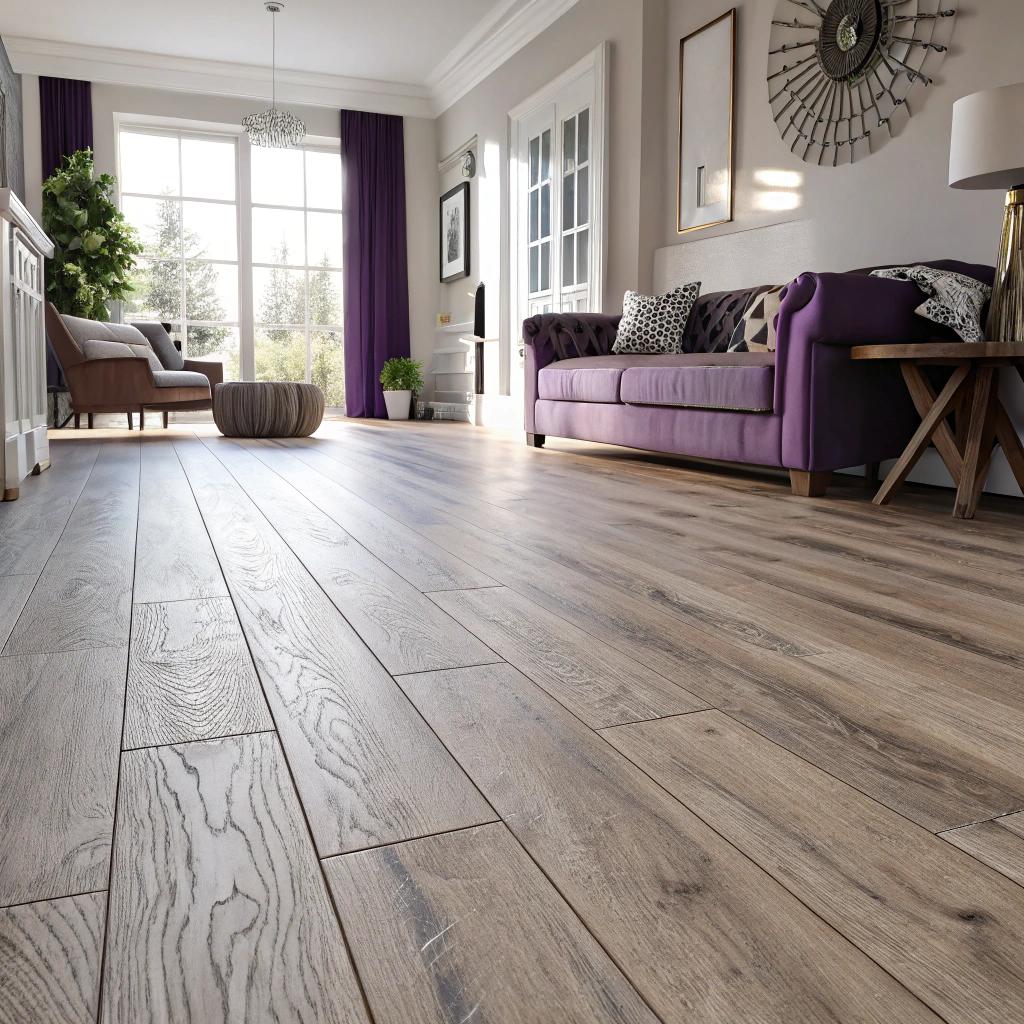

“Vinyl floors always look cheap and do not last very long, so they are a bad choice for a Denver home.”
That sentence gets repeated a lot, but it is not accurate. Good quality vinyl flooring can look close to hardwood, handle Denver’s dry air and temperature swings, and hold up to daily wear for many years. If you pick the right product, prepare the subfloor, and work with a solid installer such as vinyl flooring Denver, you can have floors that look sharp, feel comfortable, and are easier to live with than many hardwood or tile setups.
I will not say vinyl is perfect. It has limits. It can scratch, and not every product sold in big box stores belongs in a busy house. But for a lot of Denver households, especially with pets, kids, or rental units, vinyl is often the most practical blend of style, cost, and durability.
Let me walk through how that plays out in real homes, not just in product brochures.
I remember standing in a Denver bungalow near City Park, looking at a sun-faded oak floor. It looked beautiful from far away, but every winter the boards gapped a bit more, and every spring new scratches showed up. The owner had quotes for refinishing and for replacing the floor. Then she saw a wide plank vinyl that looked almost like white oak. We put the samples next to each other in natural light. The difference was there, sure, but not as obvious as she expected. That is often the point when people start to reconsider the old “vinyl is cheap” line.
What vinyl flooring actually is (in simple terms)
Vinyl flooring is a synthetic floor made mainly from PVC with layers stacked together. The structure is pretty simple, though product lines can vary:
1. A backing layer that adds stability.
2. A core that gives the plank or tile its strength.
3. A printed design layer that carries the wood or stone image.
4. A clear wear layer that protects the design.
5. Sometimes a top coating for extra scratch or stain resistance.
What changes from product to product is:
– How thick the planks are.
– How tough the wear layer is.
– Whether the core is flexible sheet, standard LVP/LVT, or a rigid core like SPC or WPC.
– How well the edges lock together and resist water.
If that feels a bit technical, keep one simple idea in mind:
The thicker and more protective the wear layer, the better the vinyl will handle scratches, pets, and active homes.
In Denver, where people track in grit from sidewalks, hiking trails, and sometimes snowmelt, that top wear layer matters a lot.
Why vinyl works so well in Denver homes
Denver has a few quirks that affect floors:
– Dry air in winter.
– Regular temperature swings across seasons.
– Grit and tiny rocks from outside.
– Occasional snow and slush at entries.
Natural hardwood moves with humidity. Boards expand and contract. That can lead to gaps, cupping, or squeaks if the house conditions are not stable.
Vinyl, especially rigid core products, reacts much less to these shifts. It still moves a bit, but not in the same dramatic way. That helps reduce gapping and reduces risk of seasonal problems when your furnace runs nonstop.
Here are some reasons vinyl works well in this city:
– It handles dry air better than many woods.
– It is more forgiving with tracked-in dirt and moisture by the door.
– Many lines are fully waterproof from the top side.
– It is softer and warmer underfoot than tile, which matters in winter.
– The cost is lower than most quality hardwood, especially when you include finishing and refinish cycles.
I have seen a lot of Denver basements with old glued carpet that smells musty. People often assume they cannot put wood down there because of moisture risk. Vinyl planks with a rigid core and proper underlayment can be a great fix, giving a “wood” look without worrying about seasonal dampness.
Main types of vinyl flooring you will see in Denver
There are a few big categories you will keep running into when you start shopping.
Luxury Vinyl Plank (LVP)
LVP looks like hardwood boards. This is probably what most Denver homeowners think of when they hear “vinyl plank.”
Key traits:
– Long, narrow planks.
– Many color and wood species looks: oak, hickory, walnut, maple, and so on.
– Good for living rooms, bedrooms, hallways, and rentals.
– Often click-lock installation as a floating floor.
Many people choose LVP when they like the idea of hardwood but do not want to worry about scratches from dogs or constant maintenance.
Luxury Vinyl Tile (LVT)
LVT comes as squares or rectangles that mimic stone or ceramic tile.
Common uses:
– Kitchens
– Bathrooms
– Laundry rooms
– Entryways
You get the tile look without cold grout lines or the hardness of ceramic. This is nice if you stand for long stretches or have kids who drop things regularly.
Rigid core vinyl (SPC and WPC)
This is where some jargon creeps in, but it matters:
– SPC stands for Stone Plastic Composite. It has a dense, hard core with stone powder in the mix.
– WPC stands for Wood Plastic Composite. It has a slightly softer, more cushioned core.
Both are more stable and sturdy than flexible sheet or older vinyl planks.
In Denver, rigid core vinyl is useful in:
– Basements
– Condos
– Areas with slightly imperfect subfloors
– Busy family spaces
SPC tends to feel harder underfoot but resists dents very well. WPC feels a bit softer and quieter but can be a bit easier to dent under heavy, sharp loads.
Sheet vinyl
Sheet vinyl is a large roll cut to fit your room. It is older tech but still common in some rentals and budget remodels.
Pros:
– Fewer seams, which can help in bathrooms.
– Often cheaper material cost.
– Quick to install in simple rooms.
Cons:
– Harder to repair if damaged.
– Can look less realistic than good LVP/LVT.
– Needs a smoother subfloor to avoid telegraphing bumps.
For many Denver houses, especially if you care about the look, LVP or rigid core usually beats sheet vinyl, except in very cost-sensitive or utilitarian spaces.
How vinyl compares to hardwood and tile in Denver
Sometimes it helps to see the big picture in a simple table. This is not perfect, but it gives a quick sense of things.
| Feature | Vinyl (LVP/LVT/SPC) | Hardwood | Tile (Ceramic/Porcelain) |
|---|---|---|---|
| Upfront cost | Low to medium | Medium to high | Medium |
| Durability vs scratches | Good with quality wear layer | Fair, scratches easily, but can be refinished | Very good, but grout can stain |
| Water resistance | Excellent from top side | Poor to fair | Excellent |
| Comfort underfoot | Comfortable, some give | Comfortable, warmer with rugs | Hard and cold |
| Fit with Denver’s dry climate | Very good | Needs careful humidity control | Very good |
| Resale “wow” factor | Good, but below true hardwood | High | High in baths and kitchens |
| Maintenance | Simple: sweeping and gentle cleaning | Refinishing over time, more care | Easy, but grout work needed |
If you want a forever floor that can be sanded and stained many times, hardwood still wins. If you want something practical and forgiving for busy Denver life, vinyl often edges out both hardwood and tile in daily comfort and stress level.
Style choices that actually work in Denver homes
This part gets personal. Taste is taste. But some choices tend to look better in real spaces around the city.
Color tones that play well with Denver light
Denver gets strong natural light, and at higher altitude, colors can look sharper.
Some trends that usually work well:
– Light oak and natural tones: They brighten smaller bungalows and older homes.
– Warm greige: A mix of gray and beige that hides dust and looks calm.
– Medium browns: Good in family homes where you want warmth but not a dark cave.
Very dark floors look striking in photos, but in practice they show dust, pet hair, and every footprint. I have seen several homeowners regret going almost-black in sunny rooms, because they felt like they were always cleaning.
On the other side, very pale or whitewashed looks can show scuffs in high traffic. They can still work, but you need to be honest about how much activity your home gets.
Plank width and layout
Wider planks are common in current vinyl lines. They can make smaller rooms feel bigger, but in very narrow hallways or irregular spaces they can highlight out-of-square walls.
Some tips:
– In older Denver homes with quirks, a mid-width plank can balance character with a clean look.
– Run planks in the direction of main light coming from windows if you can. It helps hide seams and makes the room feel longer.
– Try to avoid very short random pieces at doorways. A good installer will plan out the layout to avoid that “chopped” look.
Matching vinyl styles across rooms
One quiet benefit of vinyl is that you can run it through much of the house, including kitchens and some baths, because of its water resistance.
This can:
– Make the house feel larger and more unified.
– Reduce the number of threshold transitions.
– Simplify cleaning, since you are dealing with one main surface.
Many homeowners in Denver do a single LVP style across living areas, hallways, and bedrooms, then either:
– Continue the same into the kitchen, or
– Switch to LVT “tile” in the kitchen and baths while keeping a compatible tone.
If you mix, try to keep undertones similar. For example, do not pair a warm, golden wood plank with a cool blue-gray stone tile unless you really want that contrast. It can feel disjointed.
What really affects vinyl durability in Denver
Some people buy vinyl and then feel let down after a year or two. Often the problem started at selection, not daily use.
Here are the main factors that matter.
Wear layer thickness
This is one of the biggest signs of how well the floor will handle traffic.
Common thicknesses:
– 6 mil to 8 mil: Light residential use. Better for bedrooms or low traffic spaces.
– 12 mil: Solid choice for average households.
– 20 mil and up: Good for busy families, pets, and even light commercial use.
If you have dogs, kids, or you host often, I think you should be looking at 12 mil minimum, and 20 mil if the budget allows.
If a vinyl floor fails early in a Denver home, in many cases the wear layer was simply too thin for how the space is used.
It is not always that simple, of course, but it comes up a lot.
Core type and quality
Rigid core vinyl (SPC or WPC) tends to feel more solid underfoot and can bridge minor subfloor issues better than flexible products.
Things you will notice:
– SPC feels sturdy and stable, good where furniture gets moved often.
– WPC feels a bit cushier and quieter but may dent more under high pressure, like under narrow chair legs.
Cheap, very flexible planks with flimsy click joints can gap or chip over time. In Denver’s climate, where humidity swings, better cores and edges handle movement with fewer problems.
UV and fade resistance
At Denver’s elevation, sunlight is intense. South and west windows in particular can fade some floors over time.
Look for:
– Products rated for UV resistance.
– Window films or good shades in very sunny areas.
– Rugs placed with some thought, knowing that large areas covered for years can create color differences.
Most quality vinyl has better fade resistance than older stock, but not all are equal. This is one reason having an installer who works locally helps, because they have seen what holds up in real homes.
Installation details that matter more than people expect
You can buy excellent vinyl and still end up unhappy if the install is poor. This is where I see people in Denver get surprised.
Subfloor preparation
Vinyl shows what is under it more than thick carpet does. If the subfloor has dips, humps, or soft spots, you can get:
– Hollow sounds
– Bouncy areas
– Visible ridges or plank movement
Good prep usually includes:
– Checking for moisture issues, especially in basements.
– Screwing down loose subfloor panels.
– Using floor patch or leveling compound on uneven areas.
– Cleaning dust and debris before underlayment goes down.
This is not glamorous work, but it is what separates a floor that feels “cheap” from one that feels solid.
Floating vs glue-down
Most LVP and rigid core vinyl in Denver homes is installed as a floating floor, where planks click together and rest on an underlayment.
Pros:
– Faster installation.
– Can be removed or replaced more easily.
– Often thicker and more comfortable.
Glue-down vinyl is common in commercial spaces or sometimes in tricky shaped rooms. It gives a firmer, more permanent bond but needs a cleaner, flatter substrate and more install time.
Many homeowners lean to floating systems because of the balance of comfort, cost, and speed.
Expansion gaps and movement
Even vinyl moves a bit, especially across big spans. Installers leave small gaps at walls and fixed objects, then cover them with baseboards or quarter round.
If you skip this, planks can buckle or push against each other, especially with Denver’s seasonal changes.
It looks like a tiny detail, but it affects the life of the floor.
Practical care tips for vinyl floors in Denver
One of the nice things about vinyl is that maintenance is simple, but there are still a few habits that help.
Daily and weekly care
– Sweep or vacuum with a hard floor setting to pick up grit. Denver dust and tiny rocks are what cause a lot of micro-scratches.
– Use a damp mop with a cleaner approved for vinyl flooring. Avoid harsh chemicals and strong solvents.
– Wipe spills sooner rather than later, even though the floor is water resistant. It keeps things cleaner and avoids residue.
Protecting high traffic areas
Put felt pads under chair legs and heavier furniture. I know this sounds boring, but it saves edges and avoids indentation patterns.
In spots where people tend to pivot their feet a lot, like a home office chair or the kitchen sink, a simple rug or mat spreads out the pressure and reduces scuff marks.
Seasonal adjustments in Denver
You do not need to treat vinyl like hardwood, but some basic climate control helps:
– Try to keep indoor temperatures in a normal range, not extreme.
– If your home gets very dry in winter, a modest humidifier can help furniture and flooring in general.
– For sliding doors with strong direct sun, a sheer shade or UV film protects both floors and furniture.
Common mistakes people in Denver make with vinyl flooring
I want to be direct here, because these are patterns that come up again and again.
Choosing only by color and price
It is easy to stand in a showroom, pick what looks nice, and then pick the lowest price among similar colors. That often leads to:
– Underpowered wear layers.
– Weak locking systems.
– Floors that look good for a short time, then disappoint.
Color matters, but it should not be the first filter. Traffic level, pets, and where the floor is going come first, then color and texture.
Ignoring subfloor moisture in basements
Denver is dry, but basements can still have moisture issues from concrete slabs.
If you install vinyl directly over a slab with a hidden moisture problem, you can end up with:
– Mold or odor under the floor.
– Adhesive failures on glue-down jobs.
– Cupping or curling in some products.
This is one area where I think skipping professional advice is risky. Moisture tests are not complex, but they matter.
Thinking vinyl is indestructible
Vinyl is tough, not magic. Dragging a heavy fridge across it without protection can gouge it. Dropping something extremely sharp can cut it.
Think of vinyl as highly durable for daily life, but still something you respect when you move heavy or sharp things around.
Having a few extra planks stored away is smart, so that if one plank is badly damaged, it can be swapped out without hunting for a matching batch years later.
How to choose the right vinyl floor for your Denver home
If you feel overwhelmed, you are not alone. The number of product lines and acronyms can be tiring. A simple step-by-step approach can help.
Step 1: Be honest about how you live
Ask yourself:
– Do you have dogs or cats, and how big are they?
– Do kids play with wheeled toys indoors?
– Do you host often, with people walking through in shoes?
– Do you plan to stay in the house long term or is this a short-term fix?
If you have big dogs, kids, and a busy social life, you are in the “high traffic” group and should focus on stronger wear layers and rigid core options.
Step 2: Match product to room type
Think in broad zones:
– Living areas and bedrooms: LVP works very well here, with 12 to 20 mil wear layers.
– Kitchens and baths: LVP or LVT. If you like a tile look, LVT with good slip resistance is nice near water.
– Basements: Rigid core vinyl over a suitable moisture barrier and underlayment.
Try not to “over-upgrade” tiny low-use rooms while cheaping out in the main living area. People often flip that, which is backwards.
Step 3: Narrow by core and construction
For most Denver homes:
– Rigid core (SPC or WPC) is a strong default choice for its stability.
– Traditional flexible LVP can still work fine in upper floors with good subfloors.
If sound matters, such as in condos or upstairs bedrooms, look at products with attached underlayment and ask about sound ratings.
Step 4: Then choose color and texture
Once you filter by performance, you can focus on style:
– Bring samples home and look at them next to your walls and furniture.
– Look at them in morning light, midday sun, and at night with your lights on.
– Pay attention to texture. A bit of embossing that matches the print can make the floor feel more natural underfoot.
I have had people fall in love with a sample in the store, then completely change their mind once they saw it under Denver’s clear afternoon light in their own living room.
Vinyl flooring trends in Denver that actually have staying power
Trends come and go, but some patterns seem more likely to age well.
More natural, less extreme
Super gray floors had a surge for a while. Many people are now moving back toward more natural wood tones, warm neutrals, and mild color variation.
Why:
– They work with more furniture styles.
– They show dust a bit less.
– They feel less “of a moment” and more timeless.
Longer, wider planks
Wider planks give a more relaxed, high-end look in many spaces. Just be careful in very tight or irregular rooms.
Longer boards reduce the number of visible seams. That can make vinyl look closer to real hardwood.
Texture that matches the print
Better vinyl products do not just print a wood grain; they also emboss a texture that lines up with that pattern. This helps avoid the flat, plastic feel of older vinyl.
Try running your hand over a few samples. When the grain you see is the grain you feel, that is usually a sign of a more convincing product.
Frequently asked questions about vinyl flooring in Denver
Is vinyl flooring safe and does it have strong odors?
Quality vinyl should have low VOC emissions and pass safety standards. Many products carry certifications that limit harmful off-gassing.
There can be a temporary new floor smell right after installation, but in most cases it fades quickly with fresh air. If you are sensitive, ask to see VOC information and pick products labeled for low emissions.
Can I put vinyl over my existing floor?
Sometimes, yes. Sometimes, no.
– Over old sheet vinyl or tile: Often possible if the surface is flat, secure, and clean.
– Over old hardwood: Possible with a proper underlayment, but you need to watch for movement and height changes.
– Over old carpet: Usually no. Carpet is too soft and uneven.
An installer will usually check for loose spots, high or low areas, and moisture before saying yes.
Will vinyl floors hurt my home’s resale value?
High quality vinyl, especially in realistic styles, is often seen as an upgrade over worn carpet or dated linoleum. It might not carry the same emotional pull as solid hardwood with some buyers, but for many people the benefits of easy care and water resistance matter more than what the material technically is.
In Denver’s competitive market, clean, cohesive, low-maintenance floors tend to help, not hurt.
How long should a good vinyl floor last in a Denver home?
For decent quality vinyl with a 12 to 20 mil wear layer, normal residential use, and reasonable care, 10 to 20 years is a fair range. Some floors last longer, but traffic level, pets, and care habits all play a role.
If someone tells you vinyl is “forever,” that is an exaggeration. But if someone says it only lasts a few years, they are probably thinking of very cheap products or poor installations.
Can vinyl flooring handle radiant heat?
Many rigid core vinyl products can work with radiant heat, but they usually have a maximum temperature rating. You need to:
– Pick a product approved for radiant systems.
– Keep water or electric heat within the specified range.
– Warm the floor gradually rather than rapid swings.
This is another detail where product specs and installer experience matter.
Should I install vinyl myself or hire a pro in Denver?
This is where I will push back a bit if you assume DIY is always better.
If you are handy, patient, and your rooms are simple, you can install some floating LVP yourself. You save labor cost, but you take on the learning curve and the risk.
Hiring a local pro costs more, but you usually get:
– Better subfloor prep.
– Proper layout and transitions.
– Warranty support if things go wrong.
I have seen both outcomes. Some DIY floors look great. Others have gapping, peaking, and transitions that drive people crazy. Think about your own skill level and how much time you really want to spend on this.
What is one thing I should not compromise on when picking vinyl flooring in Denver?
If I have to pick just one, it is the wear layer quality and thickness, matched to your home’s traffic level.
Color trends change. Core types shift. But if the top layer is too thin or too soft for how you actually live, you will see scratches, dull spots, and frustration long before you should.
So before you fall for a pretty sample, ask yourself: “How hard will my floor need to work, every single day, in this Denver house?” Then pick the vinyl that can handle that job.
