
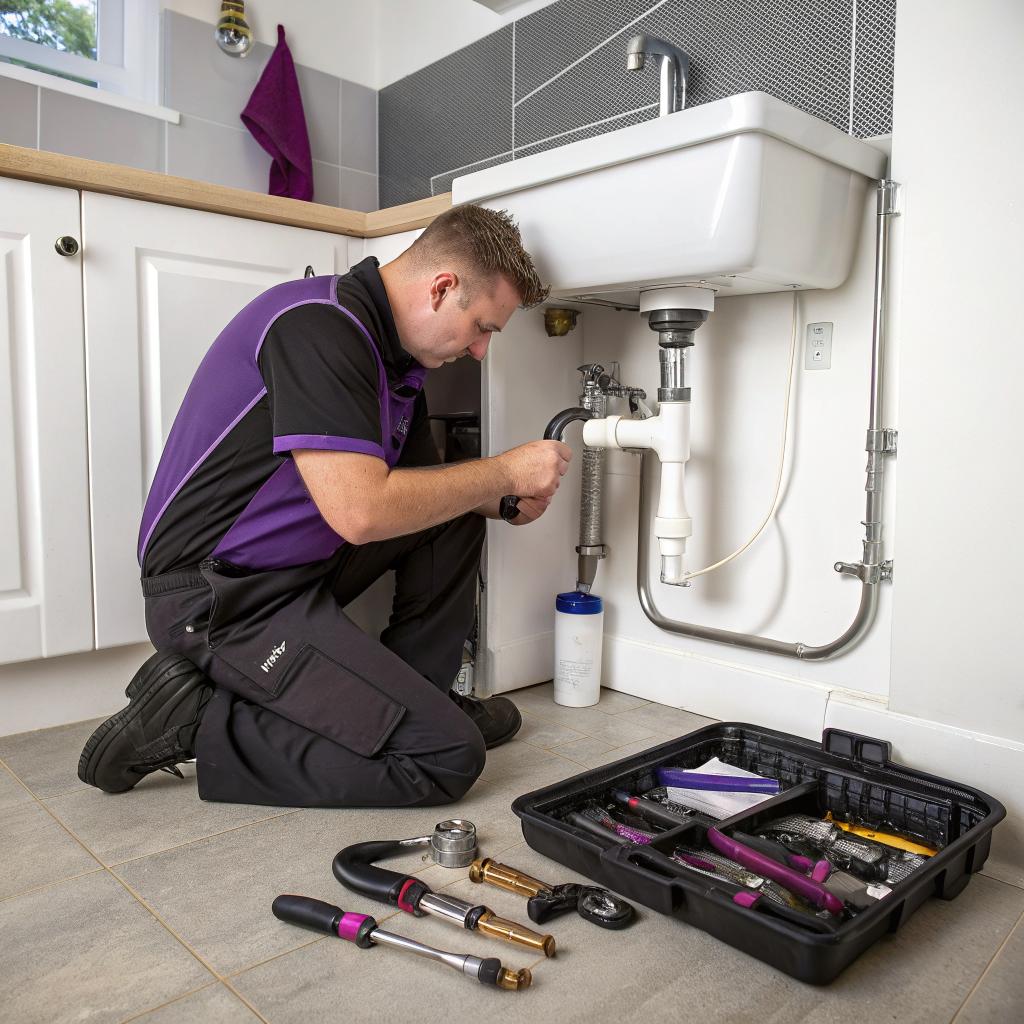

“Most plumbing problems can wait a few days, and any handyman can fix them for cheap.”
That line sounds comforting, but it is usually wrong. Some minor problems can wait. Many cannot. And the person who fixes them matters a lot, especially when you are talking about plumbing Littleton CO homes rely on through freezing winters, sudden thaws, and older neighborhood pipes. If you live in Littleton and want your plumbing to be safe, reliable, and not a constant worry, you need a proper plan, not quick fixes, and you need a plumber who treats your house like their own. For trusted local options, many homeowners start with plumbing Littleton CO services that focus on long term solutions, not just patch jobs.
I know that sounds a bit direct. But plumbing quietly affects almost everything in your daily routine. Hot showers, drinking water, laundry, dishwashing, heating systems if you have a boiler, even your yard if you have exterior lines. When something fails, it is not just an annoyance. It can damage floors, walls, cabinets, and even your foundation.
You do not need to become a plumber to protect your home. You just need to understand the basics, the local factors in Littleton, and how to tell when it is time to call a pro instead of trying another store bought fix.
So let me walk through this in a straightforward way. No scare tactics. No hype. Just what actually matters for a Littleton homeowner who wants their plumbing to last and not blow up their budget at the worst possible time.
Good plumbing in Littleton is less about fancy fixtures and more about stable pressure, safe temperatures, and pipes that survive winter without cracking.
That is the part many people skip. They focus on visible things like faucets and sinks, not what is going on inside the walls, under the yard, or in the crawlspace. But the hidden parts decide whether you get small repairs or expensive disasters.
How Littleton’s climate quietly shapes your plumbing
Plumbing in Littleton is not the same as plumbing in a mild coastal city. The weather here swings fast. Warm one day, freezing the next. That matters a lot for your pipes.
Cold snaps put pressure on pipes. When water in a line gets close to freezing, it expands. If there is not enough room, the pipe can crack or burst. Sometimes the pipe bursts in winter, sometimes it waits until the thaw when pressure returns and then you see the leak.
Older homes in Littleton can have:
– Galvanized steel pipes that corrode inside
– Old hose bibs with no frost free protection
– Uninsulated lines in crawlspaces, attics, or exterior walls
Newer homes are usually better, but I would not assume anything without checking. Builders sometimes cut corners on insulation or routing, especially in less visible areas.
Another factor is water quality. Municipal water here is usually safe, but hardness can vary. Hard water leaves mineral deposits in pipes, water heaters, and fixtures. Over time this can reduce water flow and affect the life of your equipment.
So when you think about your plumbing, try to connect it to these local conditions:
– Freezing risk
– Age of the home
– Water hardness
– Soil conditions for underground lines
Once you see the bigger picture, small issues make more sense. A dripping outdoor faucet might not seem urgent in summer, but that same weak spot can split wide open on a cold January night.
Common Littleton plumbing problems and what they really mean
Some problems look small on the surface but hint at bigger trouble. Others look scary but are simple fixes. The trick is knowing which is which.
Slow drains and recurring clogs
Many people just keep buying chemical drain cleaners. I think that is one of the worst habits in home care.
Those products are often harsh on your pipes, especially older ones. They may clear a small blockage, but they rarely fix the real cause.
Common causes in Littleton homes:
– Long runs of old pipe with buildup inside
– Tree roots in older sewer lines
– Grease and food sediment from kitchen use
– Wipes or hygiene products that do not break down
Here is a simple way to think about it:
| Sign | What it might mean | What you should do |
|---|---|---|
| Single slow drain (like one sink) | Localized clog near that fixture | Try a plunger or manual drain snake first |
| Multiple drains slow at the same time | Problem farther down the line or main sewer | Call a plumber for inspection and possible camera scope |
| Slow drains plus gurgling sounds | Vent or sewer line issue | Get a professional to diagnose, do not ignore |
| Backed up basement drain | Serious main line blockage or backup | Stop water use and call a plumber right away |
Using a plunger on a single sink or tub is fine. Using harsh chemicals over and over is not fine. If the issue keeps returning, you are not saving money by delaying a proper fix. You are just letting the problem grow.
Running toilets and tiny leaks
A toilet that runs now and then is easy to ignore. You get used to the sound. But it wastes water and can signal worn parts.
Most toilet leaks are cheap to repair. Flapper replacement, fill valve adjustment, wax ring replacement. The real cost comes when a small, hidden leak starts to affect the floor under the toilet.
Watch for:
– Soft or spongy flooring around the base
– Discoloration at the ceiling below a bathroom
– A musty smell even when everything looks dry
That is where an experienced Littleton plumber earns their fee. They know where problems tend to start in local homes, and how fast they can spread.
Water heater trouble in Littleton
Water heaters here work hard. Cold incoming water, big temperature rises, and mineral content all shorten their life.
Typical signs your water heater needs attention:
– Water not as hot as it used to be
– Rust colored water when you run hot taps
– Popping or rumbling sounds from the tank
– Visible corrosion at the base or connections
Here is a rough lifespan guide:
| Type of water heater | Average lifespan | Care tips |
|---|---|---|
| Standard gas tank | 8 to 12 years | Flush yearly, check anode rod every few years |
| Electric tank | 10 to 15 years | Flush yearly, test elements if performance drops |
| Tankless unit | 15 to 20 years | Descale as needed based on water hardness |
I have seen people keep 20 year old tanks in service because they “still work.” That might seem thrifty, but when old tanks fail, they often leak badly. A planned replacement is much less stressful than an emergency with soaked carpet and ruined drywall.
Low water pressure vs. pressure that is too high
Low pressure annoys you. High pressure quietly harms your system.
Many homeowners notice when pressure drops. Fewer notice when pressure is actually too strong. But high pressure can stress joints, valves, and hoses. It can shorten the life of your water heater and appliances.
You can buy a simple pressure gauge at a hardware store. Screw it onto a hose bib and check.
– Ideal range in most homes: around 50 to 70 psi
– Over 80 psi for long periods is not good for your pipes
If your pressure is too high, a plumber can install or adjust a pressure reducing valve. It is not a glamorous repair, but it protects everything else downstream.
DIY vs professional help: where Littleton homeowners often go wrong
I am not against DIY. Tightening a loose faucet, replacing a shower head, or changing a flapper valve is reasonable for many people.
The trouble starts when:
– A repair touches gas lines
– Work needs a permit
– You are dealing with main water or sewer lines
– You are cutting into walls or ceilings without a clear plan
For example, I know someone who tried to relocate a washing machine on their own. They “T” tapped into a nearby drain line without proper venting. It worked for a few months. Then the line started siphoning, and they got sewer smells and slow drains in multiple fixtures. They ended up paying more to undo the DIY work and bring everything back to code.
There is also the safety side. Gas water heaters, gas lines for boilers, or any line near electrical panels are places where hesitation is healthy. A licensed Littleton plumber will know local codes, permit rules, and inspection requirements.
If you are not sure whether a job is safe for DIY, ask yourself one question: If this goes wrong, could it hurt someone or cause major damage? If the answer is yes, call a pro.
That sounds strict, but it keeps you on the safe side.
How to choose a plumber in Littleton you can actually trust
Not every plumber is the same. And not every company that shows up first in search results is the right fit for your house.
Here are points that matter more than flashy ads or slogans.
Licensing, insurance, and permits
This is basic, but people skip it when they are stressed. You can ask directly:
– Are you licensed to work in Littleton and the state of Colorado?
– Do you carry liability insurance and worker coverage?
– Will you pull permits when needed, or is that on me?
If a plumber is vague on these points, or tries to brush them off, that is a warning sign.
Permits can feel like a hassle, but they protect you. If you sell your home later, unpermitted work can slow or complicate the sale, and sometimes you may need to open walls for inspection.
Clear pricing and communication
You should know:
– Whether they charge by the job or by the hour
– What is covered in the quoted price
– What might cause extra charges
No one can predict every twist in a repair, and I think it is unrealistic to expect that. But you should have a sense of the range and how decisions will be made if something unexpected turns up inside a wall or underground.
Good plumbers talk through options with you. They explain tradeoffs in simple terms, not jargon. If someone makes you feel rushed or shamed for asking basic questions, that is not a great sign.
Local experience in Littleton
A plumber who works in Littleton every week will know:
– Which neighborhoods have older galvanized or clay lines
– Where tree roots often attack sewer lines
– Common issues with certain builders or house ages
– Seasonal problems tied to freeze and thaw cycles
That local knowledge saves time and reduces guesswork. It also helps with planning. For instance, a plumber who knows that your block had many sewer line replacements might suggest a camera inspection before you remodel a basement.
Real reviews and word of mouth
Online reviews help, but treat them with balance. Five stars with zero negative feedback feels odd. You want to see some mix, with clear details.
More useful than star ratings:
– Does anyone mention the plumber showing up when they said they would?
– Do people mention the work lasting, not just “they were nice”?
– Are there repeat customers over several years?
Asking neighbors or local friends still works very well. Plumbing is one of those trades where people remember who helped them during a stressful time.
Preventive care: small habits that protect your Littleton home
Some plumbing problems truly come out of nowhere. Many do not. A few consistent habits reduce your risk a lot.
Seasonal checks for Littleton weather
Before winter:
– Disconnect all garden hoses
– Check outdoor faucets for drips
– Verify that hose bibs are frost free, or insulate them
– Look for exposed plumbing in unheated areas and insulate where you can
After heavy cold:
– Walk around and listen for odd water sounds
– Check for wet spots on ceilings or wall surfaces
– Look at your water meter to see if it moves when all fixtures are off
In spring, when the ground thaws, it can also shift slightly. If you notice new wet patches in your yard near the path of main lines, do not ignore it.
Simple water heater care
Once a year:
– Drain a few gallons from the tank until water runs clearer
– Check for any rust streaks or moisture at the base
– Listen when the burner or elements run. Loud pops can mean sediment buildup.
If you are not comfortable doing this alone, many plumbers offer quick tune up visits. It might feel unnecessary when everything seems fine, but it is cheaper than reacting to a sudden failure.
Be careful about what goes down your drains
Plumbers in Littleton see the same causes over and over:
– Grease and cooking oil poured down kitchen sinks
– “Flushable” wipes that are not really flushable in practice
– Feminine products flushed instead of tossed
These sound obvious, yet they fill trucks with pulled out clogs every year.
A small mesh drain catcher in showers and tubs helps more than people expect. It keeps hair out of lines and you empty it into the trash instead.
Planning bigger plumbing projects in Littleton
Plumbing is not just about emergencies. Many homeowners look at upgrades when they remodel a kitchen or bath, finish a basement, or add a bathroom.
Here is where coordination matters. If you are working with a general contractor, ask them early which plumber they use and whether that plumber is familiar with Littleton permit rules.
Bathroom remodels and additions
Adding a bathroom sounds simple: a sink, a toilet, maybe a shower. But the details matter:
– Is the existing sewer line sized for extra fixtures?
– Can you tie into existing vent stacks, or do you need new ones?
– Will any new pipes be in exterior walls at risk for freezing?
Moving a toilet or shower more than a short distance increases complexity. Sometimes it is worth it for layout, but expect higher costs and more steps with inspectors.
Kitchen upgrades
For kitchens, think beyond the visible fixtures.
Questions to ask:
– Is the current line slope correct for the new sink location?
– Will a new dishwasher or fridge line need extra shutoff valves?
– Do you want a dedicated line for a filtered water tap or ice maker?
Planning this before cabinets and finishes go in avoids tearing things apart later.
Basement finishing in Littleton
Basements are common in Littleton and often used for extra living space. Plumbing there has its own challenges.
If you plan a basement bathroom or laundry:
– Check the elevation of the main sewer line
– If the main line is higher, you may need an ejector pump
– Make sure sump pumps, if present, are on reliable power and checked regularly
Skipping these checks can leave you with drains that back up or pumps that fail when you need them most.
Emergency situations: when waiting is a bad idea
Plumbing emergencies are stressful. But not everything that feels urgent truly is. And some issues that look small are actually emergencies in slow motion.
Here is a simple way to rank urgency.
Drop everything and act now
Call an emergency plumber right away if:
– Water is actively pouring from a burst line
– Sewage is backing up into tubs, showers, or floor drains
– You smell gas near water heaters, boilers, or gas lines
Until help arrives, shut off the main water valve if a line is leaking. If you do not know where it is, that is a small project you should fix soon. Every homeowner should know how to turn off main water and individual fixture shutoffs.
Serious, but you have a little breathing room
Contact a plumber within a day or two if:
– You see a steady leak from a pipe joint
– Your water heater is leaking at the base
– You lose hot water entirely
– Multiple fixtures are draining slowly or making gurgling sounds
You might be able to place a bucket under a slow drip for a night, but that is not a “wait for weeks” situation. Moisture inside walls or ceilings spreads and promotes mold.
Annoying, but usually not urgent
Common examples:
– Dripping faucets
– Slightly running toilet
– Minor drop in water pressure with no other symptoms
These still waste water and money, so it is not wrong to fix them soon. I only mean you usually have time to schedule a normal visit, plan your budget, and maybe group several small repairs at once.
What Littleton homeowners should ask their plumber
Many people feel awkward asking questions. They think they should already know these things. You do not. That is why trades exist.
Here are fair, practical questions you can ask any plumber who works on your home:
1. “What caused this problem, not just what fixes it?”
You are not looking for a full technical lesson. You just want the root cause.
For example:
– “Tree roots crushed part of your old clay sewer line near the sidewalk.”
– “This frozen pipe happened because the line runs in an exterior wall with no insulation.”
When you know the cause, you can judge whether the fix is short term or long term.
2. “Do we have options, or is this the only safe fix?”
Sometimes there really is only one safe choice. Other times you might have:
– A repair vs full replacement decision
– A basic part vs higher quality part choice
– A quick patch vs more thorough re pipe in a small area
A straightforward plumber will explain these tradeoffs without pressure.
3. “What maintenance would you suggest for this house over the next few years?”
This question moves you from reacting to planning.
You might hear answers such as:
– “Your water heater is older. I would budget for replacement in 2 or 3 years.”
– “Your main shutoff valve is stiff. Next visit, we should replace it so you can turn it easily.”
– “Your sewer line is fine now, but given the age, a camera inspection every few years is wise.”
This kind of guidance builds trust because you see that the plumber is thinking beyond the current visit.
Why consistency matters more than perfection
You do not need a flawless plumbing system. That is not realistic. Every home has quirks: a slightly noisy pipe, a faucet that has a tiny delay, a toilet that needs a new flapper every few years.
What protects you is not perfection. It is consistency.
– Consistently watching for changes in performance
– Consistently handling small repairs before they spread
– Consistently using a trusted Littleton plumber instead of rolling the dice every time
If you hop between different plumbers each visit, no one builds a history with your house. A good local plumber will remember:
– The type of pipes you have
– Where shutoffs and tricky areas are
– What problems you have had in the past
That memory cuts down on time, guesswork, and stress.
Think of plumbing care less like a one time “project” and more like regular health checkups for your house. Not perfect, just steady.
You do not have to agree with every recommendation your plumber makes. In fact, it is healthy to ask “Is that necessary now, or can it wait?” A reasonable pro will tell you what can safely be delayed and what should not.
Common questions from Littleton homeowners
Q: How often should I have a plumber inspect my home if nothing seems wrong?
For many Littleton homes, a general plumbing check every 2 to 3 years is enough. If your house is older than 30 or 40 years, yearly looks make sense, especially for water heaters, shutoff valves, and visible piping. You can combine this with other maintenance, like furnace checks, to keep things organized.
Q: Are tankless water heaters worth it in Littleton?
Sometimes yes, sometimes not. They use less energy over time and give more continuous hot water, which is nice for larger families. The upfront cost is higher, and you need proper gas line sizing and venting. In homes with long pipe runs to bathrooms, you might still wait a bit for hot water at the tap. If your current tank is failing and you plan to stay in the home long term, it is worth getting quotes for both options and comparing total cost over several years.
Q: Do I really need a camera inspection of my sewer line?
Not every time. But if you have recurring clogs, an old home, large trees near your line, or are buying a house in Littleton, a camera inspection is very smart. It can reveal root intrusion, cracks, or low spots before they turn into repeated backups. The cost of one inspection is small compared to cleaning, repairs, and property damage from a serious backup.
Q: How do I know if my pipes are at risk of freezing?
Look for plumbing in unheated areas: crawlspaces, attics, garages, or exterior walls. If you can touch a pipe in a cold space and it feels very cold to the hand, it is at risk. Insulation sleeves, heat tape in some cases, and sealing drafts help a lot. If you have had frozen pipes before, mention it to your plumber so they can trace the line and suggest long term fixes, not just temporary wraps.
Q: What is one small change I can make this week to protect my plumbing?
If you do nothing else, find and test your main water shutoff valve. Make sure you can turn it by hand. If it is stuck, stiff, or buried behind clutter, deal with that now, not during a flood. In an emergency, knowing that one valve and being able to reach it quickly often makes the difference between a wet towel cleanup and thousands of dollars in damage.
What part of your plumbing makes you most nervous right now: hidden pipes in the walls, your sewer line, or your water heater?
