

“All patio contractors are pretty much the same, so you might as well just pick the cheapest one.”
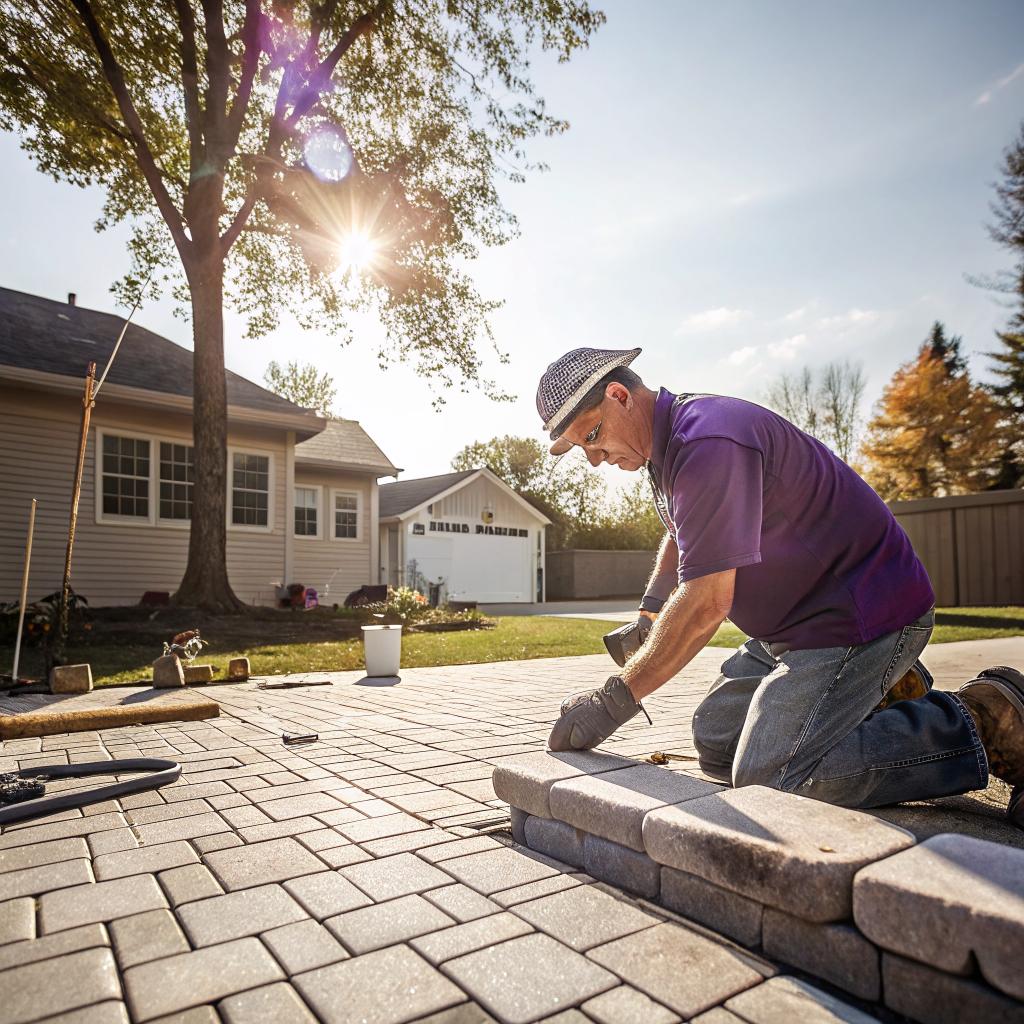
That idea is false, and if you follow it, you will probably regret it. The best way to choose the right patio contractor Appleton has is to look past the price tag and focus on proof: past projects, clear communication, local knowledge, and a detailed written scope before you sign anything. Cost still matters, of course, but a reliable patio contractor Appleton homeowners trust will be able to explain their pricing, show local work, share references, and walk you through permits and drainage without dodging questions.
I know that might sound like the usual advice, but this is where things often go wrong in real life. Someone asks around, gets three quotes, picks the middle or the lowest one, and assumes that means they did their homework. Then halfway through the job, there is confusion about what is included, or the patio holds water, or the contractor keeps pushing the finish date. The problem usually starts at the very beginning, during that first decision when everything still looks fine on paper.
So, if you are trying to sort through names online, maybe looking at glossy photos and 5‑star reviews, the real question is: how do you know who can actually build a patio that lasts through Appleton winters, looks good with your house, and does not turn into a pond every time the snow melts?
Let us walk through this in a simple, practical way. I will go a bit deeper than just “check reviews” because that advice alone is not very helpful. Some reviews are vague, some are old, and some are from people who only saw the project on day one, not year five.
I will also share a few small details I learned myself while talking with local homeowners. Things like who shows up at the first meeting, how they talk about frost, and whether they bring up drainage before you do. Those small signs tell you much more than a polished website ever will.
What “Best” Really Means For A Patio In Appleton
“Best” sounds nice, but it is a bit fuzzy. So let us make it concrete.
For an Appleton patio project, the best contractor is not just the one who charges less or finishes faster. It is the one who gives you the highest chance that your patio will:
– stay level and solid through freeze and thaw cycles
– drain water away from your foundation
– match the style and scale of your yard and house
– still look good and function well after 5 to 10 years
That is what you are really buying. Not just pavers or concrete or labor, but years of not worrying about cracks, heaving, or pooling water.
The “best” patio contractor is simply the one who gives you the most reliable long‑term result for a price you can live with, and can show clear proof that they have done it before in your area.
So the big task becomes: how do you tell who can actually deliver that?
Why Local Appleton Experience Matters More Than You Think
If you live in Appleton, you already know the weather is not gentle. Hot summers, long winters, repeated freeze and thaw, and plenty of snowmelt. That mix is hard on patios.
A contractor who works in this climate regularly will design and build a patio differently than someone who only knows mild conditions. Here is where local experience shows up in practice.
Questions a local pro should be ready to answer
When you talk with a contractor, listen for how they respond to simple, practical questions about our climate. You can ask things like:
– How deep do you normally go for your patio base in Appleton?
– What type of base stone do you use under pavers or slabs here?
– How do you handle drainage on flat lots during spring melt?
– Have you torn out patios in this area that failed? What went wrong with them?
If they answer quickly, with local examples, that is a good sign. If they are vague, or if they shrug off frost and drainage like it is not a big deal, that is a red flag.
A seasoned local contractor has seen patios heave, crack, or settle badly. And they should be willing to talk about those failures and how they now design differently.
Look for real, nearby projects
Ask for addresses of patios they have built in the Appleton area that are at least 3 to 5 years old. Not brand new. You want to see what happens after several winters.
If you can, drive by. Look at:
– whether the pavers or slabs are still level
– whether the steps look straight, not tilted
– whether edges are supported and not spreading apart
You do not have to be an expert to see if something looks off. Trust your eye. If what you see on the ground does not match the polished photos, that tells you something.
How To Tell If A Contractor Really Listens To You
Technical skills matter, but communication decides how the project feels. A contractor can be very skilled and still be difficult to work with if they ignore what you say or rush through decisions.
When you first meet or talk on the phone, pay attention not just to their words, but to the way the conversation goes.
Signs of good communication
These are simple, but they make a big difference:
– They ask how you plan to use the patio, not just “what size.”
– They ask about shade, sun, privacy, and traffic patterns in your yard.
– They make suggestions, but do not steamroll your preferences.
– They explain tradeoffs plainly: “If you choose this material, here is what you gain and what you give up.”
If all they talk about is square footage and price, something is missing.
A good contractor is curious about how you live, not only about where they can pour concrete or set pavers.
I sometimes think of it as a conversation test. If you leave the meeting feeling clearer and more relaxed, that is a positive sign. If you walk away confused, rushed, or slightly pressured, your future self might not thank you.
Comparing Patio Materials With Your Contractor
A strong contractor will not push you to one material without explaining why. Each option has tradeoffs. You might already have a preference, but it helps to walk through them together.
Here is a simple comparison you can use as a starting point when you talk with contractors.
| Material | Typical Look | Rough Cost Level | Maintenance | Appleton Weather Notes |
|---|---|---|---|---|
| Concrete slab | Clean, simple, uniform surface | Lower to mid | Can crack, may need sealing | Needs good base and joints to reduce cracking through freeze/thaw |
| Paver patio | Modular, patterns, color variety | Mid to higher | Joint sand, occasional releveling at edges | Handles movement better, individual pieces can be reset |
| Natural stone | More varied, organic look | Higher | May shift, joints need care | Heavier, needs strong base; surface can be more uneven with ice |
You do not need to memorize this. The key is to ask the contractor to walk through pros and cons, in plain language, related to your yard. If they cannot explain the tradeoffs clearly, that is a concern.
What A Good Patio Estimate Should Actually Include
Many people only compare the final number on estimates. That is risky. The real value is in the breakdown.
You want each estimate to answer a few basic questions in writing, not just verbally.
Key items that should be written down
If an estimate does not mention these at all, ask for clarification:
– Type and thickness of base material
– Depth of excavation
– Size and type of edge restraint
– Drainage plan or grading changes
– Type and brand of pavers or concrete mix
– What is included for cleanup and restoration (topsoil, seed, etc.)
You do not need a novel, but you do need enough detail to understand what you are paying for.
For example, “Install paver patio” is vague. “Excavate 8 inches, install 6 inches of compacted base stone plus bedding layer, install XYZ brand pavers, polymeric sand joints” is much clearer.
Once you have similar detail from a few contractors, you can compare more fairly. Otherwise, you may be comparing apples and something that is not even fruit.
Licensing, Insurance, And Permits In The Appleton Area
This part is a bit dry, but it protects you if something goes wrong.
Insurance and who is on site
Ask for proof of:
– General liability insurance
– Workers compensation insurance, if they have employees
Ask who will actually do the work. Is it the same team who did the patios in their portfolio, or will they be subbing it out to another crew you have never met?
There is nothing wrong with subcontractors if they are skilled, but you have a right to know who will be in your yard, using equipment near your home.
Permits and local rules
Some patio projects need permits, especially if they change drainage, tie into the house, or involve significant grading or retaining walls. A contractor who works in Appleton often should know which projects need what kind of approval.
You can ask:
– Do we need a permit for this patio size and location?
– Who handles calling for utility locates?
– Have you worked with the city on similar projects?
If they expect you to handle everything with the city while they just build, that might be more hassle than you want.
Red Flags When Choosing A Patio Contractor
Sometimes it is easier to spot what you do not want than what you do. No contractor is perfect, but a few warning signs are worth paying attention to.
Common warning signs
- Very vague or handwritten estimates with almost no detail
- Unwilling to share references or older projects
- Constant talk about “cheap” or “fast” with no mention of quality or base preparation
- Pressure to sign quickly or “today only” discounts
- Poor communication before the job even starts, missed calls without explanation
If communication is bad before they have your money, it rarely gets better once the project is underway.
Sometimes people ignore these signs because they like the price. I have done that myself in other situations, and it usually backfires. It is uncomfortable to walk away after a long meeting, but it is much easier than dealing with a messy project in your yard.
How To Check References Without Feeling Awkward
Many homeowners feel a bit strange calling past clients, so they skip this step. That is a mistake. Most people who agree to be references are happy to talk.
When you call or email, you do not need a script. Just ask a few simple questions:
– Were you happy with the patio after the first season?
– How does it look a few years later? Any settling or problems?
– How did the contractor handle changes or surprises?
– Would you hire them again without hesitation?
Listen not only to the words, but also to the pauses. If someone hesitates before answering “Would you hire them again?” that tells you more than a dozen glowing sentences.
Matching Your Budget To Your Expectations
This is where some mild contradiction shows up. You might want top quality, a large patio, intricate patterns, lighting, and maybe a fire feature, but also want a very low cost. Those two things do not always fit together comfortably.
That does not mean you must spend the highest quote you get. It simply means you should be clear about what matters most to you.
Questions to ask yourself before you sign
– Is size more important than material quality, or the other way around?
– Would I rather have a smaller but more carefully built patio?
– Am I okay with a simple pattern if it means better base work?
– How long do I plan to live in this house?
If you plan to stay for many years, it may be worth investing more in the structure and base, even if the surface looks simple. If you are not sure how long you will stay, you might lean toward a more modest project that still drains well and looks clean.
Sometimes the best contractor for you is not the one with the flashiest designs, but the one who respects your budget and explains what is realistic.
Design Details That Separate A Good Patio From A Great One
The big decisions are about size, shape, and material. But small details can change how the patio feels and how often you actually use it.
A thoughtful contractor will bring these up with you. If they do not, you can raise them yourself.
Common design choices to think through
– Steps and transitions: How will you move from the house to the patio and then to the yard? Are steps wide enough and safe in winter?
– Furniture layout: Is there enough space to pull out chairs and still walk around the table?
– Shade: Where does the sun hit in late afternoon? Would a pergola or umbrella spot help?
– Lighting: Do you want low‑voltage lights in steps or along edges for evenings?
– Edges: Will there be planting beds, lawn, or stone around the patio border?
You do not need fancy design training. A contractor who cares will help you think about how people will move through the space, where they will sit, and how it connects with doors, grills, or a fire pit.
Sometimes a small change in shape or orientation improves everything. For example, rotating the patio a bit so the seating faces away from a neighbor’s window, or shifting it to catch more morning sun instead of harsh afternoon heat.
Patios And Retaining Walls: When Your Project Is More Complex
Many backyards in Appleton are not perfectly flat. If your yard slopes, the patio might need one or more small retaining walls to create a level surface.
Even though your main goal is a patio, the moment a retaining wall is involved, the project becomes more technical. Wall height, drainage behind the wall, and soil type all start to matter a lot.
Here are some signs your project is a bit more complex:
– You need steps integrated into a wall and patio together
– The yard drops quickly, so part of the patio needs to be “held up” by a wall
– Water from uphill neighbors tends to run across your yard
In those situations, ask the contractor about their experience with walls, not just flat patios. The wrong wall design can push on your patio or cause water issues. So you want someone who thinks of the whole system, not just one part at a time.
Timeline, Scheduling, And How Patient You Need To Be
Good contractors are often busy, especially during peak seasons. That can be frustrating if you want your patio ready before a certain date, maybe a graduation party or family visit.
You might be tempted to go with the first person who is available right away. Sometimes that works out, but quick availability is not always a sign of quality.
It is more helpful to ask:
– When can you start, realistically?
– How long will the project take once started?
– What could delay the schedule?
Look for honest answers. “We can start next week, no problem” sounds nice, but if they are not clear about weather delays or overlapping jobs, your schedule might slide without much explanation.
Sometimes waiting a bit longer for the right team is better than rushing with the wrong one. That is one of those tradeoffs you feel only months later, when you are either enjoying your patio calmly or arguing about missed deadlines.
How To Prepare For Your Contractor Meetings
You do not need a full design drawn ahead of time, but a little preparation makes those first meetings much more productive.
Here are a few simple things you can do:
- Take photos of your yard from different angles
- Measure roughly where you imagine the patio going
- Collect 3 to 5 reference photos of patios you like
- Think about your budget range, even if it is wide
When the contractor arrives, walk them through how you use your yard now and what annoys you. Maybe mud by the back door, or a deck that feels too small, or a grill with no clear spot.
Do not feel silly talking about those details. That is where good design often starts.
What To Expect During Construction
Even a well run project can feel disruptive. There will be noise, dust, and people in your yard. A clear understanding up front makes it easier.
You can ask the contractor:
– What hours does your crew usually work?
– Where will equipment and materials be stored?
– How will you protect my lawn or driveway during the work?
– Who is my main contact if I have questions during the project?
If they answer all of that without hesitation and give you a name, that tends to calm nerves. If everything feels vague, you might worry more once the machines show up.
Why Trust Matters More Than Perfection
No project goes exactly as planned. Maybe a hidden pipe shows up during digging, or the soil is softer than expected, or the weather refuses to cooperate. That is normal.
The real test is how the contractor reacts when something unexpected appears.
A trustworthy contractor:
– Tells you what changed, in clear terms
– Explains your options and cost impact before doing extra work
– Documents changes in writing, even if they seem small
You might still feel annoyed when a surprise adds cost or time. I would too. But if the explanation is honest and the options are clear, you at least feel like you are making a choice, not being dragged along.
Perfection in construction is rare. What you really want is a contractor who is honest when things are not perfect and works with you to solve them.
A Short Example Scenario
To pull this together, imagine two different contractors coming to your Appleton home to look at the same project.
Contractor A:
– Shows up late without calling
– Measures quickly, asks almost nothing about how you will use the space
– Sends a one‑line quote the next day with a single price
– Says “we do it all the time” when you ask about drainage, but gives no details
Contractor B:
– Arrives on time or lets you know if running behind
– Walks the yard with you, asks about sun, furniture, and kids or pets
– Talks about base depth and frost, and points out where water currently flows
– Sends a detailed estimate that explains materials, base, and cleanup
– Shares addresses of 3 local patios you can drive by
Contractor B might cost more. You might hesitate for a moment. But which one gives you a better chance of a patio that still feels solid in 8 years?
That is really what “best patio contractor Appleton has” means in practical terms. Not a perfect person, not a magic company, but the one who consistently does the small, clear, sometimes boring things that protect your home and your money.
Common Questions About Choosing A Patio Contractor In Appleton
How many quotes should I get?
Most people do well with 2 or 3 solid quotes. More than that can create confusion and fatigue. The key is to get detailed estimates so you can compare them fairly, not just collect as many numbers as possible.
Is the lowest price always a bad sign?
Not always. Sometimes a contractor has lower overhead or a simpler approach. But if one quote is much lower than the others, look closely at what might be missing. Is the base thinner? Are they skipping edge restraints or drainage work? Ask direct questions.
How far in advance should I book a contractor?
For spring and summer projects in Appleton, many good contractors start filling their schedules months ahead. If you want a patio ready for mid‑summer, it makes sense to start talking with contractors in late winter or early spring, not at the last minute.
What is one simple thing I should not skip?
Ask to see at least one patio that is a few years old, in person if possible. Photos of brand‑new work are easy to share. Seeing how a patio has lived through our winters tells you much more.
If you had to choose just one sign that you are working with the right patio contractor, what would matter most to you: the lowest price, the fastest schedule, or the clearest proof that their work holds up in Appleton over time?
