
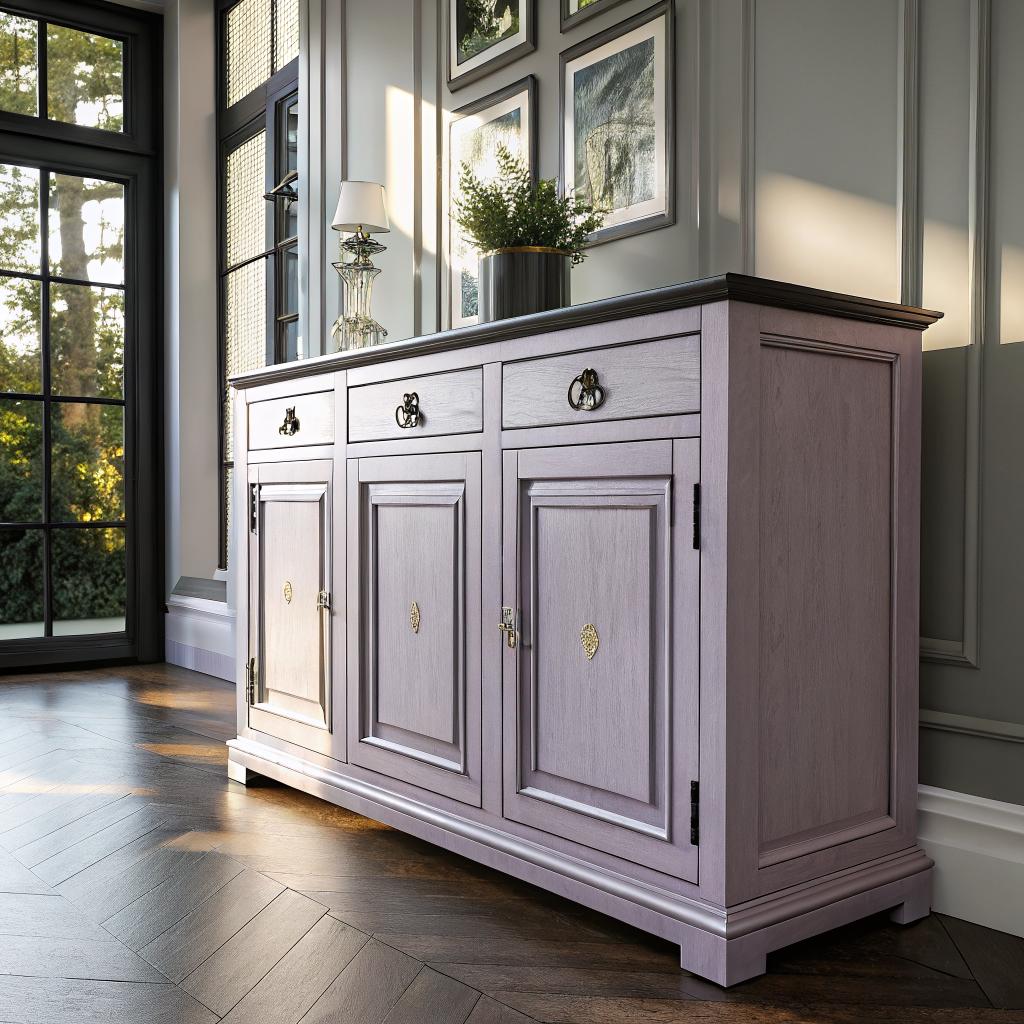

“Painting cabinets is easy. Any painter who knows walls can handle kitchens too.”
That sounds reasonable at first, but it is not true. If you want cabinets that look smooth, last for years, and do not chip after a few months, you need someone who treats cabinet work as its own craft, not just another paint job. The short answer is this: the top cabinet painter Colorado Springs homeowners trust is the one who focuses on prep, product choice, and dust control as much as they focus on color. Skill with walls does not automatically carry over to cabinet doors, drawers, and face frames.
I have seen the difference up close. One home had cabinets sprayed by a crew that usually painted apartments. At first, they looked fine. Then the doors started sticking. The paint along the hardware chipped. Small dents showed through because the surface was not leveled before painting. Another home used a crew that only does kitchens and built‑ins. Same sort of layout, about the same age of cabinets, but the finish looked like something from a showroom. You could run your hand across the doors and not feel a single ridge.
The odd part is that from a distance both kitchens looked good on day one. The real test came six months later, and then again two years later. Kitchen cabinets live a hard life. Steam, grease, oily fingers, pets bumping into lower doors, kids swinging on handles. If you paint them the same way you paint a bedroom, they do not stand a chance.
So if you are trying to figure out who the top cabinet painter in Colorado Springs really is, you are not just shopping for a name. You are looking for a process. You are looking for certain habits: how they prepare, what they spray with, which products they trust in our dry, high‑altitude climate. You can have the nicest color picked out from a designer, and still end up disappointed if the paint chips every time you tap a mug against a drawer.
Let me walk through what actually matters, and where homeowners here in the Springs tend to get tripped up.
Why cabinet painting in Colorado Springs is harder than it looks
One thing people often forget is that Colorado Springs is not a gentle place for wood. The higher elevation, low humidity, and quick temperature swings all affect coatings. Wood swells and shrinks. Finish layers move with it. Paint that works fine in a mild, coastal town can crack here.
Cabinets sit right in the middle of that stress. In winter, the air in your house gets very dry. In summer, especially near the stove or dishwasher, heat and moisture spike. If the painter does not choose the right primer and topcoat, the finish can peel at joints, especially around door frames and corners.
Another issue is dust. Our area is dusty. When you sand cabinets, dust goes everywhere if it is not contained. That dust loves to land on wet paint. One tiny speck is enough to ruin a smooth door face. A careful cabinet painter sees dust as a serious problem to manage, not a minor annoyance.
So while it might seem like you are just covering old oak or maple with a new color, you are actually asking the finish to stand up to:
– daily hand oils and cleaners
– constant opening and closing
– steam from cooking and washing
– sunlight from windows
– dry winter air and quick temperature swings
That is a lot to ask from a simple coat of paint.
Signs you are dealing with a true cabinet specialist
I think the best way to judge a cabinet painter is by how they talk about prep and finish. If the conversation stays on color alone, that is a red flag. Color matters, yes, but it is not where quality starts.
Here are some details a real cabinet specialist in Colorado Springs will cover without needing to be pushed:
1. A serious approach to cleaning and de‑greasing
Before any sanding happens, cabinets need to be cleaned. Kitchens collect layers of grease and cleaner residue. If the painter skips this step or does it halfway, the primer will not bond.
A pro should talk about:
– using a dedicated de‑greaser or cleaning product, not just dish soap
– rinsing properly so no residue is left
– letting the surfaces dry fully before sanding
If you ask how they handle greasy cabinets and they shrug or say “we just sand it a bit,” that is not enough. Grease on the surface can make paint separate or peel.
2. Careful sanding and surface leveling
A top cabinet painter will tell you where and how they sand:
– they scuff sand every door, drawer front, and frame
– they sand between coats, not just at the beginning
– they fill dings, old hardware holes, and grain if needed
Some homeowners like to keep the wood grain visible under the paint. Others want a flatter, more modern look with less grain showing. A good painter will explain the tradeoffs. Filling and leveling grain takes more time, but it can give a smoother finish. Leaving the grain visible shows more texture but feels more natural.
Here is a simple way to see what you are getting. Ask for a sample door. Feel it with your eyes closed. Can you feel ridges, dust nibs, or small bumps? That tells you more about their work than any photo.
3. A clear plan for doors, drawers, and on‑site spraying
Most skilled cabinet painters do not try to do everything inside your kitchen. They create a mini shop, often in your garage or basement, for doors and drawer fronts. Frames and boxes stay in place and are masked off, but the removable parts go to a controlled area.
You want to hear about:
– a spray setup with proper ventilation and filtration
– a predictable labeling system for doors and drawers
– how they manage drying time between coats
Spraying gives a smoother finish than brushing in most cases, especially on larger, flat doors. Some painters will brush or roll frames and spray the doors. That can work well if they know how to lay off the paint so you do not see heavy roller texture.
“If the painter cannot explain how they keep dust off your doors, your cabinets will likely feel rough to the touch.”
I know that sounds a bit blunt, but that step often separates average from excellent.
How cabinet painters in Colorado Springs compare on the details
It might help to look at a simple comparison. This is not about specific companies. It is more about how different approaches show up in the final result.
| Approach | What they do | What you see after 1 year |
|---|---|---|
| General interior painter | Light sanding, basic primer, brushes/rollers, minimal masking | Visible brush marks, some chipping on high‑use doors, worn edges |
| Budget cabinet painter | Better primer, some spraying, quicker prep, less dust control | Mostly smooth surfaces, but nibs in the finish, occasional chips at handles |
| Dedicated cabinet specialist | Full de‑grease, thorough sanding, dust extraction, pro sprayer, multiple thin coats | Smooth, furniture‑like finish, tight adhesion, aging more slowly and evenly |
You can, of course, find exceptions. A small two‑person crew might do cabinet work as carefully as any big outfit. A large company might have one standout cabinet team and other teams that mostly paint rentals. That is why the questions you ask matter more than the size of the company.
Questions to ask before you hire a cabinet painter in Colorado Springs
A quick way to separate surface‑level painters from real cabinet pros is to ask simple, direct questions. Not trick questions. Just practical ones.
Here are some examples you can use:
1. “What is your cabinet prep process from start to finish?”
Listen for a step‑by‑step answer. They should talk through:
– cleaning
– de‑glossing or sanding
– masking and protection
– priming
– sanding between coats
– topcoats
If they skip around or jump straight to color, that is a sign they may treat cabinets like regular trim.
2. “Which primer and topcoat do you recommend for my kitchen, and why?”
I do not think you need brand names memorized, but the painter should. They should explain their choice in simple terms:
– how well it sticks
– how hard it cures
– how it handles moisture and cleaning
If they say “we just use standard wall paint on everything,” that is a problem. Cabinets need tougher products that stand up to constant touch.
3. “How do you protect my home from dust and overspray?”
This one matters more than people expect. A careful cabinet painter will mention:
– setting up plastic walls or zip walls around the kitchen
– using a fan or air cleaner with filters
– covering floors, counters, and appliances
If they paint cabinets frequently, they will already have a system. If they hesitate, it might be new territory for them.
4. “Can I see recent cabinet projects you finished in Colorado Springs?”
Try to see kitchens that are at least six months old. Fresh paint almost always looks good. Time tells the truth.
You can ask about:
– how the finish is holding up
– how easy it is to clean
– whether there are any problem spots
Some painters will have a past client who is open to a quick visit or at least happy to share updated photos.
How much does quality cabinet painting cost in Colorado Springs?
This is where people sometimes get frustrated. Cabinet painting is not cheap if it is done well. It often feels expensive compared to wall painting. But replacing cabinets costs far more, and refacing with new doors can also add up quickly.
Prices vary with kitchen size and condition, but you can think in ranges.
| Kitchen size / condition | Common price range for pro cabinet painting | Notes |
|---|---|---|
| Small kitchen, simple layout | $2,500 – $4,000 | Fewer doors, basic repairs, standard colors |
| Medium kitchen | $4,000 – $6,500 | More doors/drawers, partial grain filling, extra masking |
| Large kitchen or added built‑ins | $6,500 – $10,000+ | Islands, pantries, glass doors, custom looks |
Could you find someone to do it for half these numbers? Yes. That usually comes with tradeoffs:
– less prep
– cheaper products
– thinner or fewer coats
– weak masking and dust control
The risk is not that the kitchen looks awful on day one. The risk is that the finish fails early and you pay twice.
If your budget is tight, it might be better to paint fewer cabinets well, or skip some areas for now, rather than cover everything in a quick, low‑quality job.
Common mistakes Colorado Springs homeowners make with cabinet projects
People in the Springs are pretty hands‑on. A lot of homeowners try to handle their own projects, and some do a great job. Cabinet painting can be DIY friendly, but there are a few traps that show up again and again.
1. Using wall paint on cabinets
Wall paint is built to cover large areas quickly, not to take the daily abuse that cabinets handle. It may feel dry, but it does not always cure into a hard, scrubbable shell.
A better route is to use a product made for trim and cabinets. These cure harder and resist sticking, fingerprints, and cleaning products.
2. Skipping primer or using the wrong primer
On stained or lacquered cabinets, primer is not optional. Without it, the topcoat can peel. Tannins from the wood can also bleed through and stain light colors.
A cabinet pro will often choose:
– a bonding primer that grips slick surfaces
– a stain blocking primer for oak, cherry, or other woods prone to bleed
If someone tells you that “today’s paints stick to anything,” that is only half true. They still need good prep and primer under them.
3. Leaving hardware on while painting
Painting around hinges and handles might seem faster. It leaves ridges, missed spots, and makes future hardware changes a mess.
Pros remove hardware, label every door and drawer, and reinstall it at the end. It takes more time, but the result is cleaner.
4. Rushing the cure time
Paint can feel dry to the touch in a day, but the hard cure can take longer. Many cabinet products reach full hardness after a week or more.
If you have a pro handle the project, ask how long they recommend before heavy use. You do not need to leave your doors open forever, but some gentle care in the first days can prevent impressions or sticking.
“The first 7 to 10 days after painting are when your new cabinet finish is most vulnerable, even if it looks and feels ready.”
This is one of those details that no one likes to hear, but it really affects how long the finish lasts.
Color choices that work well in Colorado Springs kitchens
Color is the fun part. You see it every day, and it sets the mood of your home. I will admit, I have changed my mind on colors more than once. What looks perfect on a paint chip sometimes feels different under real light.
In Colorado Springs, light is bright and clear. We get a lot of sunshine, even in winter. That affects how colors show on cabinets.
Here are some trends that keep showing up, not as “musts,” but as patterns that seem to work well:
1. Warm whites instead of very cool whites
Cool whites can look almost blue in our strong light. Warm whites, with a bit of cream or beige, feel softer and work with many countertop types.
People often like these because:
– they pair with both warm and cool flooring
– they hide small smudges better than stark white
– they feel less harsh on bright days
If you are nervous, paint one door and move it around the kitchen for a few days. Look at it in the morning and at night. That test is simple but helpful.
2. Soft grays and greiges
Gray has been popular for a while, but strong, dark grays can feel heavy in smaller kitchens. Soft grays or “greige” (a gray with a bit of beige) can be easier to live with.
These colors work well when:
– you have stainless appliances
– you want contrast with white walls or backsplashes
– you plan to sell in the next few years
They also tend to hide dust and splashes better than bright white.
3. Dark islands or lower cabinets
A two‑tone kitchen, with light uppers and darker lowers or an island, is common now for a reason. Darker lowers handle scuffs better. Light uppers keep the room from feeling like a cave.
If you have kids or pets, darker lowers can be practical. Muddy shoes and toy scuffs do less damage visually.
Cabinet refinishing vs full replacement in Colorado Springs
Some homeowners think painting is only a temporary fix and that replacement is the “real” solution. That can be true if your cabinet boxes are falling apart or the layout does not work for you.
But if your cabinet boxes are solid, doors are in decent shape, and you like the basic layout, refinishing often gives you the best return on money.
Here is a simple comparison.
| Option | Approximate cost range | Good fit when… |
|---|---|---|
| Cabinet painting / refinishing | $2,500 – $10,000 depending on size | Boxes are sturdy, layout works, you want a new look without full remodel |
| Cabinet refacing (new doors, veneer on boxes) | $8,000 – $25,000+ | You want new door style and are willing to pay more, boxes still solid |
| Full replacement | $20,000 – $60,000+ including install | Layout is changing, boxes are damaged, or you want a full kitchen remodel |
Many Colorado Springs homeowners pick cabinet painting because it transforms the kitchen quickly without tearing the room apart. You avoid big construction mess, protect your existing counters, and still get a fresh, modern look.
I will admit, painting will not fix warped doors or bad cabinet design. It is not magic. But where the structure is sound, a quality finish can stretch the life of a kitchen by many years.
How long does pro cabinet painting take?
If you call a top cabinet painter in Colorado Springs, you will probably hear something like “about a week” for a standard kitchen. But what happens each day matters more than the number.
A common pattern looks like this:
– Day 1: Setup, cleaning, labeling, hardware removal, start masking
– Day 2: Sanding, repairs, more masking, first primer coat
– Day 3: Sand primer, second primer or first topcoat
– Day 4: Sand again, second topcoat, inspect
– Day 5: Touchups, reinstall doors and hardware, cleanup
Larger kitchens can take longer. Drying and curing times also guide the schedule. Rushing between coats to finish faster can weaken the bond.
You will still be able to use parts of your kitchen, but expect some disruption. Fridge and stove usually stay accessible. Sinks might be taped off at certain points. A thoughtful painter will talk this through with you so you can plan simple meals or set up a temporary prep area.
How to prepare your home before the cabinet painter arrives
You can make the project smoother, and maybe even save some labor cost, by preparing ahead of time.
1. Clear cabinets and countertops
Remove:
– dishes
– food items
– small appliances on counters
– decor on top of cabinets
Painters need open access. If they do not have to move your belongings, they can focus their time where it matters.
2. Decide on hardware changes early
If you plan to add new handles or change knob to pull, the hole spacing may change. That affects filling and drilling work before paint goes on.
Have your new hardware chosen and on site:
– the painter can fill old holes
– they can drill new, accurate holes once the finish is cured
– you avoid misaligned handles
If you keep existing hardware, ask your painter if they clean or polish it before reinstalling.
3. Talk about pets and kids
Cabinet work includes sanding dust, wet paint, and tools. Pets and small kids need to be kept out of the work area for their safety and for the finish quality.
Discuss:
– which doors stay closed
– temporary gates if needed
– daily start and end times
A clear plan keeps stress lower for everyone.
How to spot quality once the job is done
When the painter leaves and you stand in your “new” kitchen, it can be hard to tell what is truly good. Everything looks fresh. You are excited. That is normal. But there are a few small checks you can do.
1. Look along the light, not just straight on
Turn on the main lights and maybe a flashlight held at an angle across the doors. Look for:
– smooth surfaces without heavy roller texture
– no drips or sagging near edges
– consistent sheen (not shiny in some spots and dull in others)
Minor imperfections can happen, but big ones should be rare.
2. Check common touch areas
Gently inspect around:
– handles
– door corners
– along drawer tops
You should not see raw wood peeking through or thin, patchy coverage. Edges can be more delicate, but they still need enough paint.
3. Open and close everything
Make sure:
– doors do not stick to frames
– drawers slide without rubbing on fresh paint
– hinges and handles are secure
If something feels off, say so while the painter is still scheduled to return for any final touchups.
“A good cabinet painter is not just proud of the color. They are proud of how the doors feel when you open them on a busy Tuesday night.”
That small detail tells you they thought about your daily life, not just their portfolio pictures.
Frequently asked questions about cabinet painting in Colorado Springs
How long will my painted cabinets last?
With solid prep and quality products, many cabinets in Colorado Springs hold up well for 8 to 15 years before needing noticeable touchups. Heavy‑use areas like trash pull‑outs or under‑sink doors may show wear sooner. Gentle cleaning and avoiding harsh scrubbing pads help extend the life.
Can I just paint over my stained oak cabinets without sanding?
You can, but you probably will not like the long‑term result. Oak has a strong grain and can bleed tannins through paint. At minimum, you need de‑greasing, de‑glossing or sanding, and a strong bonding and stain blocking primer. Skipping sanding often leads to peeling at corners and around handles.
Will painting my cabinets hurt my resale value?
In most cases here, it helps. Many buyers prefer light, clean kitchens with modern colors. If the finish is done well and the colors are not extreme, painted cabinets can make your home feel updated without a full remodel. Poorly painted or heavily chipped cabinets, though, can turn buyers away.
Can I stay home while my cabinets are painted?
Most homeowners do. There will be some odor from primers and paints, though modern products are often lower in VOCs than older ones. Talk with your painter about ventilation, and keep pets and kids away from the work zone. If you are very sensitive to smells, you might arrange to be out during the spraying days.
Is it better to replace doors instead of painting them?
Replacing doors makes sense when the style is very dated or when doors are damaged. But it raises the budget. Many Colorado Springs homeowners keep their doors and just refinish them, especially if the style is simple and still fits the house. Painting can hide a lot of visual age if the structure is solid.
What should I clean my painted cabinets with?
Use a mild soap and water mix on a soft cloth. Avoid strong degreasers, bleach, or abrasive pads. Wipe spills and splashes sooner rather than later. If you are not sure about a cleaner, test a small, hidden spot first.
How do I know if a painter is truly the “top” cabinet painter for my home?
There is no single name that fits every home, but you can look for a mix of things: clear answers about process, real cabinet experience in this area, photos of completed kitchens, and reviews that mention long‑lasting results. Talk to more than one painter, ask direct questions, and trust both the facts and what your gut tells you during those conversations.
