
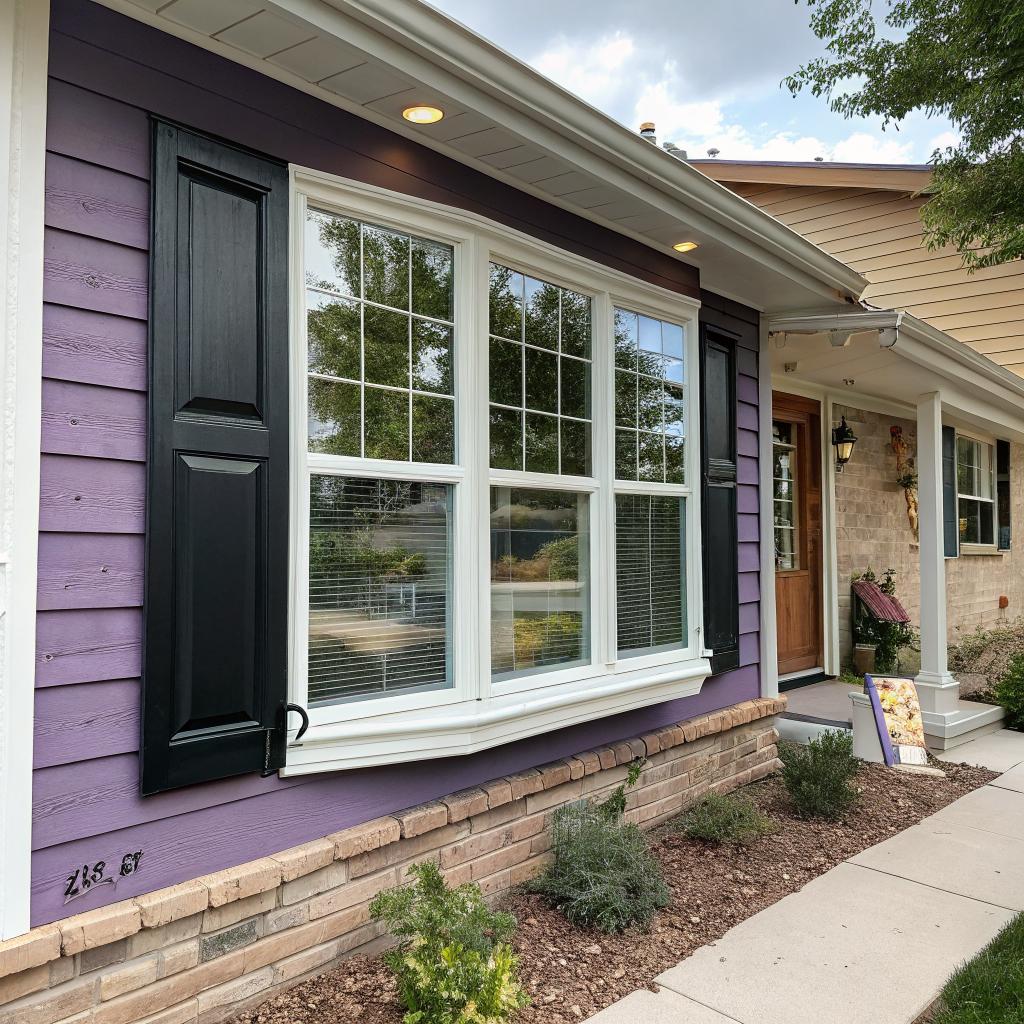

“All new windows are pretty much the same, so the cheapest option is good enough.”
That line sounds logical at first, but it is wrong, especially for Colorado Springs. Not all windows are equal, and the cheapest package usually costs you more over time in energy bills, comfort, and even home value. If you want window replacement Colorado Springs homeowners actually trust, you need good glass, proper framing, and careful installation, not just a low quote. A local company that understands our dry air, sudden wind, and strong sun, like window replacement Colorado Springs, can make that difference very real in day‑to‑day life.
I know that sounds like the kind of thing every contractor says. But if you have ever stood near an old single pane window in January here, you know how much cold air can creep in. The house can feel drafty even when the furnace is working hard. Then you get the gas bill and wonder why the numbers keep creeping up. Better windows do not fix everything in your home, of course, but they can remove one of the biggest weak spots in your walls.
The thing that sometimes surprises people is how much of the benefit comes from the way the window is installed, not just from the window itself. You can buy a good brand, then lose most of the gain because the gap around the frame is not sealed right. Or the installer shortcuts the flashing and trim work. I have seen homes where the windows were only a few years old, but you could still feel air leaks along the sides.
So, if you are thinking about new windows, it helps to slow down a bit. You do not need to become a building science expert, but you should know what you are buying, who is putting it in, and what to expect in our climate. The rest of this article walks through that in simple terms, so you can feel more confident before you sign anything.
What Colorado Springs Weather Does To Your Windows
Colorado Springs is a bit tricky for windows. We have at least three problems that keep showing up:
Cold, dry winters. Hot, sunny days. Sudden wind and hail.
It is not just about low temperatures. You can have a bright winter day where the sun bakes the glass on one side of the house, while the wind pushes cold air against the other side. That stress adds up over years.
Here are a few common things homeowners notice:
Drafts along the sides or bottom of the window.
Frost or ice along the inside edges of the glass.
Condensation that lingers between panes.
Cracking or warping of wooden frames.
Difficulty opening or closing certain windows.
Outside noise that seems louder than it should be.
You might think some of these issues are “just how old windows are.” That is not always true. A modern double pane or triple pane unit with good seals and the right coatings can handle those swings much better.
How Temperature Swings Affect Frames
Most homes here have a mix of materials: some older wood windows, some aluminum storm windows, sometimes newer vinyl. Each material expands and contracts at a different rate when it gets hot or cold.
Wood moves a bit, vinyl moves a bit more, aluminum moves in its own way. Over time, small movements open tiny gaps between the frame and the house wall. Those gaps turn into air leaks and sometimes into water leaks during heavy rain or snow melt.
You might not see water pouring in, but moisture can get into the wall cavity. That can cause soft spots in the sill, flaking paint, and in some cases mold inside the wall.
Sun Exposure And UV Damage
Colorado has strong sun at this elevation. That sounds nice, but ultraviolet light is hard on window seals and on the materials that hold the glass in place.
Old windows often have:
– Faded or cracked seals
– Glass without any low‑E coating
– Frames that dry out and split over time
If the seal between the panes fails, outside air and moisture move into the space between them. That is why you see fog or visible streaks that you cannot wipe away. When that happens, the window has lost most of its insulation value.
Signs Your Home Is Ready For Window Replacement
You do not need to replace windows just because they are old. Age alone is not the full story. The better question is what the windows are doing now.
Here are some clear signs that replacement is worth considering:
Energy Bills That Do Not Match Your Usage
If your heating and cooling system is in good shape but your bills keep rising, the envelope of the house might be leaking. Windows are often the weakest spots.
A simple check is to stand near each main window on a windy day. Do you feel a temperature drop? Does the area near the window feel colder or hotter than the rest of the room? That difference is energy loss.
Drafts And Comfort Issues
You should not need a sweater to sit near your living room window in winter. If you feel drafts or you need heavy curtains just to make a room tolerable, the glazing is not doing its job.
Sometimes the sash rattles a bit in the wind. Or you can see daylight in spots when you close the window. Both are strong signs the unit is beyond a simple repair.
Condensation And Moisture
A little fog on the glass on very cold mornings can happen in tight, humid houses. That alone is not a crisis. The bigger issue is:
– Water on the sill that does not dry
– Mold in the corners of the frame
– Moisture trapped between panes
Once the seal between panes fails, that window has lost much of its insulation. No amount of cleaning fixes that.
Stuck, Warped, Or Unsafe Windows
If a window does not open easily, that is more than a small annoyance. In a fire or other emergency, stuck windows can be a safety problem.
Old painted wood windows often swell, then stick. Some older units do not stay open on their own because the balances or springs inside have failed. Homeowners sometimes use a piece of wood to prop them open, which is not safe or convenient.
Types Of Replacement Windows For Colorado Springs Homes
You do not need to know every technical detail, but understanding the basic types helps when you compare quotes.
Main Frame Materials
Here is a simple table comparing the three most common frame materials you will see for residential replacement windows.
| Frame Material | Pros | Cons | Typical Use |
|---|---|---|---|
| Vinyl | Good insulation, low maintenance, does not need painting, often the most affordable | Can warp in extreme heat if poor quality, limited color options | Most standard replacement projects, especially for budget‑conscious owners |
| Fiberglass | Very stable in temperature swings, strong, can be painted, good energy performance | Higher cost than vinyl, fewer brands and styles available | Homes wanting long life and lower movement in our large temperature swings |
| Wood (with cladding) | Classic look, good insulation, outside cladding protects from weather | Higher price, more care needed inside, sensitive to moisture if neglected | Older homes, historic areas, or owners who want a natural interior finish |
There is no single “best” material for every home. For many Colorado Springs properties, quality vinyl or fiberglass hits a nice balance. If you have a historic home or want a certain style, wood with exterior cladding might fit better.
Glass And Energy Performance
Modern windows are about more than just double panes. The glass package matters as much as the frame.
Look for:
Low‑E coatings that reflect infrared heat while still letting in visible light.
Argon gas between panes for better insulation than plain air.
Warm edge spacers that reduce heat loss around the edge of the glass.
It can sound like sales jargon, but you can ask to see the labels. In the United States, most quality windows carry ratings for U‑factor (heat loss) and solar heat gain. In this climate, you want low U‑factor and a balanced solar gain value that matches your home orientation.
Common Operating Styles
Different window styles fit different rooms and purposes. Here are six you will see frequently:
| Style | How It Works | Good For | Things To Watch |
|---|---|---|---|
| Double hung | Top and bottom sashes slide up and down | Bedrooms, traditional facades, easier air flow control | More moving parts, needs careful weatherstripping |
| Single hung | Bottom sash moves, top is fixed | Budget projects, rooms where top ventilation is not needed | Less flexible for airflow, but often more affordable |
| Casement | Hinged on the side, cranks outward | Areas needing strong sealing and clear views | Must be careful with wind when open, hardware quality matters |
| Slider | Sash slides side to side | Wider openings, modern looks, easy operation | Drainage and track cleaning matter in dusty, dry climates |
| Awning | Hinged at top, opens outward from bottom | Bathrooms, basements, can stay open in light rain | Needs space outside, not ideal near walkways |
| Picture (fixed) | Does not open | Views, large glass areas, best energy performance | No ventilation, so pair with operable units nearby |
You might end up mixing several styles in one home. That is normal. For example, picture windows in the living room with casements on the sides, double hungs in bedrooms, and sliders for the basement.
Why Installation Quality Matters More Than Most People Think
I have talked with homeowners who spent money on good windows, then still felt cold drafts. That is frustrating. Many times the windows were not the problem. The gap between the frame and the wall was.
During a proper replacement, the installer removes the old unit, inspects the opening, and makes repairs as needed. Then they set the new window plumb and level, insulate around it, and flash and seal the outside.
If any of these steps are rushed, problems appear:
Air leakage
Water intrusion in heavy rain
Cracks in drywall around the frame
Difficulty opening and closing the sash
Even a high‑end window will underperform if the opening is not sealed, insulated, and flashed with care.
That is why many homeowners look for an installer with a long history in the area. Someone who has worked through our wind, dust, and freeze‑thaw cycles has learned what works and what fails.
Full Frame vs Pocket Replacement
You will probably hear two main options during quotes: pocket replacement and full frame replacement.
– Pocket replacement: The new window fits into the existing frame. The trim and siding stay mostly untouched. This is faster, less messy, and often less expensive. It works best if the current frame is still in good shape and square.
– Full frame replacement: The installer removes the entire old frame and sometimes the interior and exterior trim. This allows a full inspection of the opening and fixes for any hidden damage. It costs more and takes more time, but it can be worth it for older or damaged windows.
In many Colorado Springs homes built in the 1970s through the early 2000s, pocket replacement is common, as long as there is no major rot or structural shift. For much older homes, full frame replacement is often the safer path.
Energy Savings: What You Can Really Expect
Some marketers promise huge energy savings. That is where I think many homeowners get misled. New windows can lower your bills, but the size of that drop depends on what you have now and how you use your heating and cooling.
If you are replacing old single pane windows with no weatherstripping, the change can be dramatic. If your current windows are newer double pane units but installed poorly, the improvement might be modest but still meaningful in comfort.
You will likely notice:
Less draft near windows
More stable room temperatures
Fewer cold spots near glass
Less need to run the furnace or AC as long
The best “saving” from quality windows is often comfort: you feel better in your own rooms, not just in your wallet.
You can still ask the installer for estimated energy savings, but treat any number as a range, not a promise. Buildings are complex. Insulation, air sealing, attic vents, and HVAC all play a part.
How New Windows Affect Home Value And Curb Appeal
People sometimes ask if they will “get all their money back” when they sell. That is a hard question. No upgrade is a simple dollar in, dollar out equation.
Real estate reports suggest that quality window replacement usually recoups a good portion of the cost at resale. Maybe not 100 percent, but enough that you do not feel you threw money away, especially when you add in years of energy savings and comfort.
Other benefits are less direct but still real:
Better first impression from the street
Cleaner lines and modern glass that looks clearer
Improved sound reduction from traffic or neighbors
Buyers who feel the house is “cared for” instead of “needs work”
If you plan to stay in the home for more than a few years, the balance often tips in favor of replacement once the windows reach a certain age or problem level.
Choosing A Local Colorado Springs Window Installer
Picking the right installer might be the most important decision in the whole process. A good window installed poorly does not help much. A solid mid‑range window installed very well can perform above its price.
Here are a few factors that carry more weight than fancy brochures.
Local Experience And Longevity
Ask how long the company has worked in Colorado Springs. A long track record through blizzards, spring storms, and hail is worth something. It shows they have had time to adjust methods to match the local climate.
You can also ask which neighborhoods they work in most. If they can point to jobs in areas similar to yours, you can see how their work ages after several seasons.
Product Knowledge And Choices
Some companies only sell one brand. Others work with several. Neither approach is wrong, but the person across the table should be able to explain:
Why they recommend a certain frame material for your home.
How the glass package fits our altitude and sun exposure.
What the energy ratings on the label actually mean.
If you get vague answers or only sales lines, that is a red flag. You should leave the meeting with clearer knowledge, not more confusion.
Installation Team And Process
Ask who will actually install the windows. Are they company employees or sub‑contractors, and how long have they worked with the company?
You can also ask for a simple walk‑through of their process on installation day, such as:
How they protect flooring and furniture.
How they handle dust and old materials.
How they insulate and seal the openings.
How long a typical job takes for a home like yours.
The answers do not need to be perfect, but they should sound thoughtful and consistent.
Warranty And Service
There are two main parts to a window warranty:
The manufacturer warranty, which covers the product itself.
The labor or installation warranty, which covers how it was installed.
Read both, or at least ask for a one‑page summary in plain language. A longer warranty does not always guarantee better service, but it does show the company is willing to stand behind its work.
A strong local installer is one you still feel comfortable calling 5 or 10 years later if something goes wrong.
What The Window Replacement Process Looks Like In Real Life
Many homeowners feel nervous because they do not know what to expect. The process can feel disruptive, but knowing the steps can lower that stress.
Here is a typical outline:
1. Initial Visit And Measurements
Someone visits your home, checks your current windows, takes measurements, and talks through your goals:
More energy savings
Less noise
Easier cleaning
Better views
Try to be honest about your budget and your priorities. If you only say “I want the best,” you might be shown options far beyond what you want to spend.
2. Written Proposal
You should receive a written proposal that lists:
Number and sizes of windows
Frame material and glass package
Style (double hung, slider, etc.)
Color and hardware choices
Estimated timeline and price
If anything is unclear, ask. A good company will not rush you.
3. Ordering And Scheduling
Once you approve the proposal and sign, the company orders the windows. Custom units may take several weeks to arrive, especially during busy seasons. When they arrive, the office will schedule your installation dates.
4. Installation Days
On installation day, the crew arrives, covers floors and nearby furniture, then starts removing old windows. The process for each opening often looks like this:
Careful removal of the old sash and frame
Inspection and repair of the opening if there is damage
Setting the new frame level and square
Insulating around the frame
Sealing and flashing the exterior
Installing interior trim or caulking as needed
Cleaning glass and work area
Most crews replace several windows per day, depending on access and complexity. You can often stay in the home during the work, though it might be noisy at times.
5. Final Walk‑Through
At the end, someone should walk through the job with you. Open and close each window. Check that locks engage, screens fit, and finishes look clean. If you see gaps or rough areas, speak up now, not later.
You should also receive care instructions. Many modern windows have tilt‑in sashes or other features that make cleaning easier once you know how to use them.
Common Questions Colorado Springs Homeowners Ask
Q: Is it better to replace all my windows at once or in stages?
A: Replacing all at once gives you a consistent look and often a better price per unit. But it is not always realistic for every budget. Doing the most problematic windows first, such as those with leaks or severe drafts, can still be a smart move.
If you plan staged work, try to keep the same line or brand for all phases so the appearance stays coherent.
Q: Are triple pane windows worth it here?
A: That depends on the house and room. In very noisy areas or in rooms with large glass areas and strong winter winds, triple pane can feel much more comfortable. In more sheltered spots, good double pane units often perform well enough.
You can ask your installer to price both options in a few key locations so you can compare.
Q: What about egress windows in basements?
A: Basement windows that serve as emergency exits must meet certain size and operation rules. Local codes change at times, so you should talk with an installer who handles egress often. Enlarging a basement opening can add to cost, but it also increases safety and resale value.
Q: Will new windows stop all condensation?
A: No. Condensation is partly a window issue and partly a house humidity issue. New, better insulated glass will run warmer inside, so it reduces the chance for moisture to form on the surface. But if your home has very high humidity, you can still see some fog on very cold days.
If condensation is a big concern, talk with the contractor about ventilation, bath fan use, and other steps along with window replacement.
Q: Do I need permits for window replacement in Colorado Springs?
A: For basic, same‑size replacement in many cities, permits may be limited, but requirements can change. If structural changes are needed, such as enlarging openings or adding egress, permits are much more likely. A reputable local company should know the current rules and handle paperwork where needed.
Q: How long do quality replacement windows last here?
A: With good materials and installation, many modern windows can serve you well for 20 to 30 years. Frames with poor UV resistance or weak seals can fail much sooner, especially on sun‑exposed sides of the house.
You do not need perfection, but if you ask the installer what they see when they revisit older jobs, you get a clearer picture of real‑world life span.
Q: What should I ask a contractor before I sign?
A: At minimum, consider questions like:
How long have you worked in Colorado Springs?
What brands and materials do you recommend for my house and why?
Who will install the windows, and how are they trained?
What does your labor warranty cover, and for how long?
Can I see or visit a recent job in my area?
If their answers are clear and confident, and you feel they listened to your concerns instead of just pushing a sale, that is a good sign.
Replacing windows is not a small decision, but it does not have to be overwhelming. With a basic understanding of our climate, the types of windows available, and how proper installation works, you can ask better questions and choose an option that fits your home, your comfort, and your budget.
