
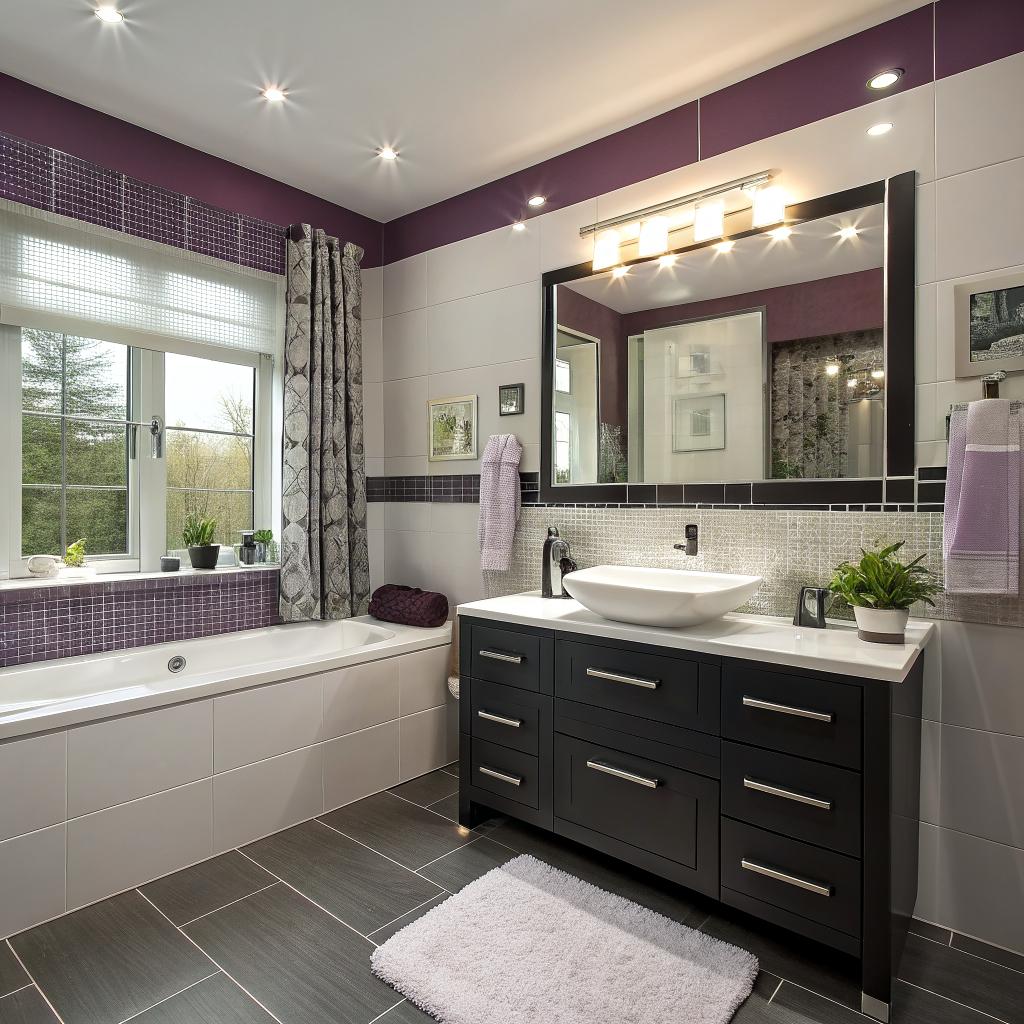

“A bathroom remodel is just new tile and fixtures; it should be quick, cheap, and simple if you pick the right color palette.”
That sounds nice, but it is not true, especially in Bellevue. A real bathroom remodel, the kind that turns a basic space into a calm retreat, touches layout, plumbing, lighting, storage, and yes, finishes too. If you want your project to feel like a retreat and not a headache, you need to think through function first, then design, and you probably need a local pro who understands codes, moisture, and how homes in this area are built. A good starting point is talking with a local team that focuses on bathroom remodeling Bellevue projects, then working backward from how you actually live each day.
I think many people start from the wrong place. They see a photo on Pinterest, fall in love with a freestanding tub or a black shower frame, then try to force that look into a room that might be too small or shaped oddly. The better way is less glamorous at first. You look at how many people use the bathroom, what time of day it feels crowded, where water tends to splash, where you keep towels and toiletries. Once those pieces make sense, the tile and fixtures stop being random decorations and start working together.
There is also the Belleuve factor. Homes here range from newer builds with decent layouts to older homes where the bathrooms feel like an afterthought. Some have awkward soffits, low ceilings over tubs, or plumbing that is… let us say creative. That does not mean you cannot create a spa-like space. It means your dream retreat needs to be adapted to your actual house, not to some ideal floor plan in a magazine.
Another thing I notice is people underestimating timelines. A bathroom that looks “small” still needs demolition, rough plumbing, rough electrical, inspection, waterproofing, tile, painting, trim, glass, and final fixtures. Each step takes time and some steps have to wait for others to cure or pass inspection. So if someone says the whole thing will be done in a few days, that should raise a flag.
Let us walk through how to plan a Bellevue bathroom remodel in a way that feels clear and realistic, but still gives you room to dream a little.
What “dream retreat” really means in a Bellevue bathroom
The phrase sounds a bit vague. A dream retreat for a couple in a downtown condo is not the same as a family with kids in a Midlakes split level.
So instead of chasing a generic “luxury” look, try to define your own version of retreat.
Ask yourself:
– When do you mostly use this bathroom, early morning, late at night, or both?
– Who uses it, and at the same time or on a schedule?
– Do you take fast showers, long baths, or both?
– Do you want the room to wake you up or calm you down?
A retreat bathroom usually has a few things in common, no matter the style:
– It feels calm, not cluttered.
– It has lighting that does not hurt your eyes at 6 am.
– It has enough counter and storage space so items are not scattered.
– It drains well and dries out fast, so you are not dealing with mildew.
If you start with those, you can get fancy later with stone, glass, and hardware. But if the base is wrong, no tile can fix the annoyance of bumping elbows at the sink every morning.
Your dream bathroom in Bellevue is less about square footage and more about how every inch supports your daily routine.
Understanding Bellevue-specific remodeling realities
Bellevue has its own conditions that affect bathroom remodeling. Not in a dramatic way, but enough that you should factor them in.
Homes and layouts
In many Bellevue neighborhoods you see:
– 1960s and 1970s homes with smaller main baths and low curb showers or tubs.
– 1980s and 1990s homes with big tubs that take up half the room but never get used.
– Newer townhomes and condos where bathrooms are compact but more modern, with tighter rules from the HOA.
Older homes often need plumbing updates once walls are open. Galvanized pipes, odd venting paths, or questionable DIY work from the past can show up. It is better to assume that once you open walls, you will want to correct anything that could leak or fail in a few years.
Permits and codes
For cosmetic changes like painting and swapping a faucet, you probably do not need a permit. As soon as you change layout, move plumbing or electrical, or alter venting, you are in permit territory.
Bellevue follows building and plumbing codes that affect:
– Fan sizing and vent terminations
– GFCI outlet placement
– Clearances around toilets and showers
– Safety glazing in windows near tubs and showers
Some homeowners try to skip this, but if you plan to live in the home for years or ever sell, it usually pays to do it properly. Inspectors are not trying to make life hard. They are checking for safety and long term performance. A good contractor will handle this without turning it into drama.
Moisture and ventilation
We have a damp climate for a lot of the year. Bathrooms already fight moisture. Without a good fan and proper waterproofing, molds and stains can appear fast.
So a Bellevue bathroom retreat is not just about a nice shower. It is also about:
– A fan that is quiet but strong enough for the room size.
– Ducts that go outside, not into an attic.
– Proper shower waterproofing, not just tile on top of drywall.
If that part is done right, you do not have to think about it again, which is the best outcome.
Planning the project: from idea to plan
This is the part where many people get stuck. They know they are unhappy with the bathroom, but they are not sure how to move from vague frustration to a clear plan.
Start with a simple wish and must-have list
I know you want to avoid lists, but here it really helps. Use two short ones:
– Must-have: things your bathroom needs to function well.
– Nice-to-have: upgrades that would make it feel like a retreat.
For example:
– Must-have might be a larger shower and more storage.
– Nice-to-have might be a heated floor, niche lighting, or a soaking tub.
You can share this with the designer or contractor. It gives them direction so they are not just guessing what matters most to you.
Map how you use the space today
Take a week and pay attention. Where do you drop clothes? Where do bottles collect? Which spot on the counter stays wet? This is not glamorous, but it is honest.
Some questions to note:
– Do you need two sinks or would one big one plus more counter work better?
– Is the tub only used for kids, or not at all?
– Are you tripping over the door swing?
Sometimes just flipping a door, enlarging a shower, or changing where the vanity sits makes the room feel twice as calm.
Set a realistic budget range
Costs change by year, finishes, and layout complexity, but a rough table can help you understand levels of remodel in Bellevue.
| Scope | What it usually includes | Typical cost range (Bellevue, small to mid bath) |
|---|---|---|
| Cosmetic refresh | Paint, light fixtures, faucet swap, new mirror, maybe new vanity top | $3,000 – $8,000 |
| Mid-range remodel | New vanity, top, toilet, tub or shower unit, tile on floor, updated lighting and fan | $20,000 – $40,000 |
| Full custom remodel | Layout changes, custom tile shower, heated floor, higher-end fixtures, built-in storage | $40,000 – $80,000+ |
These are not quotes, just ballpark figures. They do show why planning your must-haves first matters. The budget has to match what you want to change, not just what you hope to spend.
Layout choices: tub, shower, or both in a Bellevue bathroom
One big question people wrestle with is whether to keep a tub. There is no single right answer.
Do you really need a tub?
Ask a few things honestly:
– Do you or your kids actually take baths?
– Is there another tub in the house that you could use instead?
– Is the current tub awkward to climb into?
If the tub is unused and there is another one in a hall bath, swapping to a larger walk-in shower can make the room feel more open and easier to use. On the other hand, if it is the only tub in the house and you plan to sell in a few years, some buyers still like at least one tub.
For bigger primary baths, a freestanding tub can look nice, but only if you have real room around it. If you shove it against three walls, you lose the point and cleaning behind it becomes a chore.
Shower options that feel like a retreat
A “dream” shower is not always oversized. Sometimes a standard footprint feels great if you use the space smartly.
You can think about:
– A low curb or curbless entry for easier access.
– A bench that does not crowd the floor.
– A handheld shower plus a main head.
– Niches set at the right height, not so high that bottles tip.
Curbless showers look clean but need careful planning to avoid water running across the floor. In certain Bellevue homes, the joist structure or existing heights limit what is realistic without major framing work. A low curb can be a good compromise.
Storage and organization: the quiet part of luxury
Clutter is one of the fastest ways to kill the “retreat” feeling. Most people underestimate how much storage they need, especially in shared baths.
Vanity choices
A floating vanity makes a small room feel lighter, but you trade away some storage. A furniture-style vanity with drawers can hold a lot and looks more finished.
Think about:
– Drawers instead of doors where possible. They are easier to use.
– A bank of shallow drawers in the middle for daily items.
– A tall side cabinet if wall space allows, for towels and backup supplies.
You can combine looks too. A floating vanity with tall side cabinet gives a bit of both.
Hidden storage
Sometimes small tricks add a lot:
– Recessed medicine cabinets that look like mirrors.
– Niches in side walls, not just in the shower.
– Shallow cabinets over the toilet if the wall allows.
If you plan early, you can frame these properly instead of tacking shelves on at the end.
Materials and finishes that fit Bellevue homes
This is where people often get overwhelmed. Too many choices, too many trends.
Tile choices
Tile sets the tone of the room and affects cleaning time. A few thoughts that I think hold up over time:
– Large format tiles on the floor mean fewer grout lines.
– Lighter grout shows dirt less than very dark grout in some cases, oddly enough.
– One feature wall is enough. If everything is competing, nothing stands out.
For a Bellevue market, a quiet palette with some texture tends to age well. Whites, light grays, soft beiges, or warm taupes with one accent tile in the shower niche or floor can look current without feeling dated in two years.
Countertops
You have three common paths:
– Quartz: durable, consistent, low maintenance.
– Natural stone: beautiful but may need more care.
– Solid surface: smooth and repairable but with a certain look you may or may not like.
Many people choose quartz because it handles daily use and can mimic stone without the same level of care. If you like strong veining, keep the rest of the room calmer so you do not feel visually tired when you walk in.
Cabinet finishes
Painted vanities in white, warm gray, or deep navy still show up often. Wood tones can add warmth, especially in a place with a lot of cloudy days.
If you choose a bold color, think about whether you still like that color early in the morning. Strong colors can look great on a screen and a bit harsh in real life. Bringing real samples into the space helps a lot.
Lighting: where a retreat really starts to feel calm
Lighting is one of those parts people treat as an afterthought, even though it affects everything.
A well lit bathroom does not just help you see; it changes how large the room feels, how you look in the mirror, and even how clean the space appears.
Layers of light
You want at least two, preferably three layers:
– General lighting: recessed lights or a central ceiling fixture.
– Task lighting: around the mirror for grooming.
– Accent lighting: toe kick lights or niche lighting for mood.
For mirrors, side lights at face height are usually nicer than a single bar across the top. They reduce harsh shadows. If you only have space for one fixture, choose a broad one that spreads light evenly.
Warm white color temperatures around 2700K to 3000K feel comfortable. Cooler 4000K lights can look bright but often feel clinical in a bathroom.
Controls
Dimmers help more than you might think. Being able to lower the lights at night makes the space feel like a retreat even if nothing else changed.
Some people like a separate switch for a soft night light strip under the vanity. It can guide you at 2 am without waking you fully.
Heated floors, fans, and comfort details
Little comfort features are where a normal bathroom starts to feel like a retreat.
Heated floors
Bellevue mornings can be cool. Stepping onto cold tile is not pleasant. Electric radiant floor heat is common in remods because it goes under the tile and ties to a simple thermostat.
A few tips:
– Run it in the main walking zone, not under the tub.
– Use a programmable thermostat so it is warm when you wake up.
– Understand it is a comfort feature, not a whole house heating system.
It adds cost, but many homeowners say it is one of the upgrades they appreciate daily.
Fans that actually work
Fans are boring until you have one that is too loud or too weak. Look at two numbers:
– CFM (cubic feet per minute): should match your room size.
– Sones: lower is quieter.
A decent fan that runs quietly encourages you to turn it on, which keeps mirrors clear and reduces moisture.
Some fans come with humidity sensors, but these can be hit or miss. A basic good quality fan on a timer often works fine.
Working with a Bellevue contractor or designer
You mentioned you want direct advice and not constant agreement, so here is one hard truth. Trying to manage a full gut bathroom remodel on your own, with separate trades you find piece by piece, can work, but often leads to gaps, delays, and finger pointing if something goes wrong.
A Bellevue bathroom remodel benefits from someone looking at the project as a whole.
What a good remodel partner handles
Usually, a solid local contractor or design build team will:
- Help refine layout options that actually fit your space and structure
- Coordinate plumbing, electrical, tile, and carpentry
- Pull permits and schedule inspections
- Order materials with lead times in mind
- Watch for details like blocking for grab bars, niches, and mirrors
You can still stay very involved in choices. The point is to reduce the stress of constant scheduling and solving problems that show up inside the walls.
Red flags in bids and promises
If someone:
– Refuses to talk about permits when your layout is changing.
– Gives a very rough number without seeing the space.
– Promises a full tear out and rebuild in a week.
Then you should pause. Fast and cheap sounds nice until the grout cracks, the fan drips, or the shower pan fails.
Timeline: how long a Bellevue bathroom remodel really takes
Every project is different, but many follow a loose pattern. Here is a rough idea for a full gut and remodel of a typical hall or primary bath.
| Phase | What happens | Typical time |
|---|---|---|
| Planning & design | Measure, layout options, material selections, estimates | 2 – 6 weeks |
| Permits & ordering | Submit plans, order long lead items like tile, vanity, glass | 2 – 4 weeks (sometimes more) |
| Demolition | Remove old fixtures, tile, drywall in work areas | 2 – 4 days |
| Rough-in work | Plumbing and electrical moved or updated, framing fixes | 3 – 7 days |
| Inspections | City checks rough plumbing and electrical | 1 – 5 days, depends on schedule |
| Close-up & surfaces | Drywall, waterproofing, tile, painting | 1 – 3 weeks |
| Fixtures & finishing | Install vanity, toilet, lights, accessories, shower glass | 1 – 2 weeks |
So a full remodel often lands in the 4 to 8 week range once work starts, depending on complexity and inspection timing. Shorter is possible, but if someone claims they can handle every step in a few days, they are skipping something.
Common mistakes in Bellevue bathroom remodels
You asked that I push back when something feels like a bad approach, so here are some common traps where I would say no.
Chasing trends too hard
All-black fixtures, super busy patterned tile everywhere, or odd sink shapes look great in a styled photo. In real life they can:
– Be hard to clean.
– Show water spots more.
– Make a small space feel cramped.
Pick one or two bold elements if you love them. Keep the rest calmer so you can change details later without redoing the whole room.
Ignoring lighting and fans until the end
If your plan is “we will just reuse the old light and fan,” then you are missing a big chance. Changing them later is possible but more disruptive than doing it during the main remodel.
The fan and lighting layout should be part of the first discussions, not a last-minute choice.
Assuming DIY waterproofing is easy
There are plenty of videos that make building a shower look simple. In reality, waterproofing is one of the most critical and least forgiving parts. A pinhole leak behind tile might not show for months, then you are dealing with hidden damage.
That does not mean no one should DIY, but if you do not have experience, the safer path is to let a pro handle shower waterproofing and pans, even if you paint or handle easier parts.
Making the bathroom feel like a retreat every day
This part feels softer, but it matters. You can have perfect tile and fixtures and still not feel relaxed if the space is used poorly.
A few habits and setup choices go a long way:
– Keep daily items in specific drawers or trays, not scattered.
– Use hooks where towels actually end up, not where you wish they would.
– Choose neutral or simple textiles, then add small color accents you can swap.
– Avoid crowding counters with decor. One or two pieces are enough.
A retreat bathroom is as much about what you leave out as what you put in. Space to breathe is part of the design.
Simple Q&A to wrap things up
Is a bathroom remodel in Bellevue really worth the cost?
If the room is frustrating every day, leaks are possible, or the layout wastes space, then yes, it can be worth it. You gain daily comfort, better function, and usually better resale appeal. If your current bathroom works fine and you just dislike the color of the walls, you might start smaller and see how you feel.
How big does my bathroom need to be to feel like a “retreat”?
Not very big. A small bath with smart storage, good lighting, a comfortable shower, and calm finishes can feel more relaxing than a large, echoing room with bad layout. Size helps, but planning matters more.
Can I live at home during a bathroom remodel?
Most homeowners in Bellevue stay in their homes during the project, especially if they have another working bathroom. There will be noise, some dust, and some days when water is off for a short time. If you only have one bath, living through a full gut is harder and might mean planning for a short stay elsewhere.
What is the first step if I want to start soon?
Start by writing your must-have and nice-to-have list, measure your bathroom, and gather a few reference photos that match how you want the space to feel, not just look. Then talk with a local bathroom remodeler who can walk the room with you, point out structural or plumbing limits, and help you shape a realistic plan that still feels like your version of a dream retreat.
