
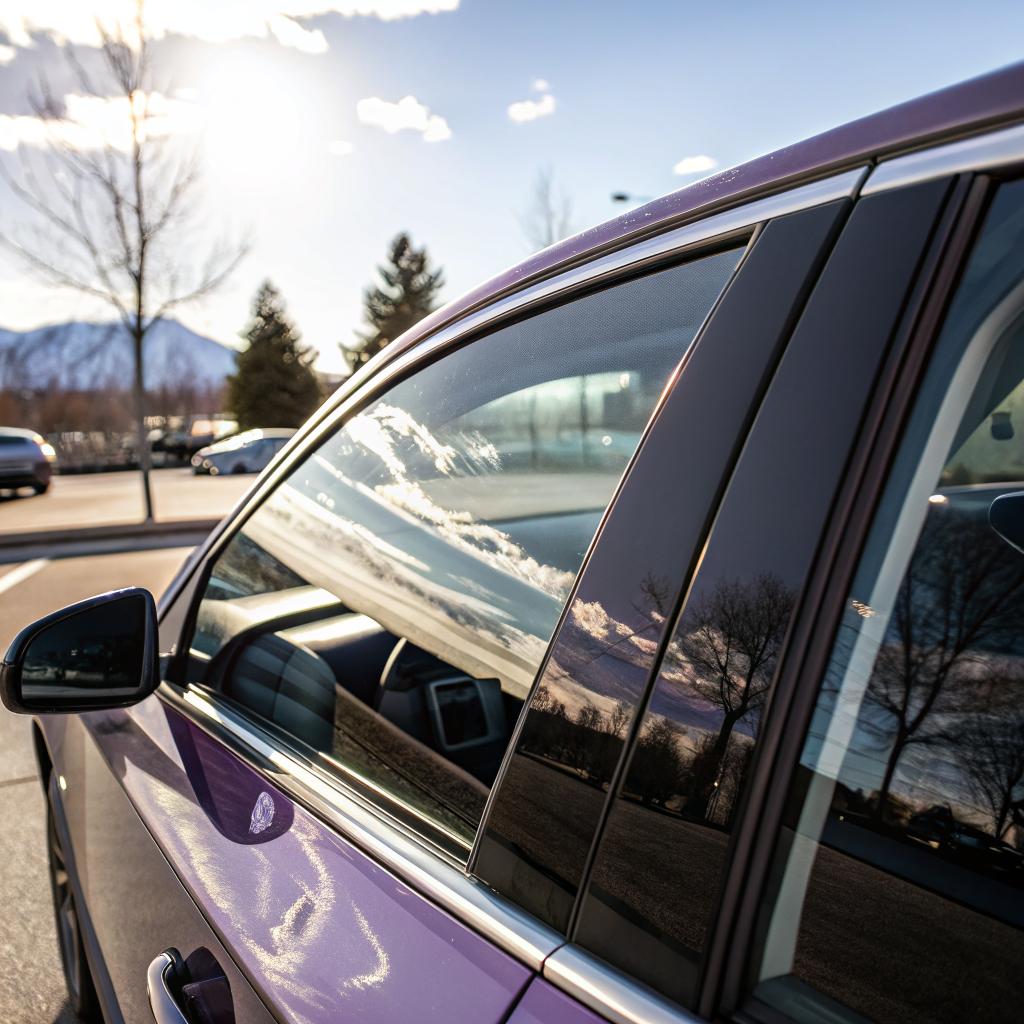

“Window tint is just for looks. It does not really keep your car cooler.”
That line gets repeated all the time, and it is simply wrong. Quality film, especially modern ceramic tint, can cut a huge amount of heat. If you pick the right Denver window tint, you will feel a clear difference the first hot day you walk back to your parked car. Less heat baking the seats, cooler steering wheel, and the air conditioner does not have to work as hard.
I will not say tint makes your car “cold.” It will not turn a 100 degree day into a 68 degree cabin. But a 20 to 30 degree drop compared with bare glass is realistic with higher performing films. And when the sun is high over Denver, that gap feels huge.
Let me walk through why that happens, what kind of tint actually helps, and a few small details that many shops skip past when they quote a price. Some of these are not obvious until you live with tint for a full summer and maybe for a couple of winters too.
Why Denver cars heat up so fast
Denver sun is strong. High altitude means thinner air and more UV and infrared reaching you and your car. So a car that feels hot in, say, Kansas City can feel miserable in Denver under what looks like the same temperature.
A parked car heats up because of a greenhouse effect. Sunlight comes in through the glass, hits the seats, dash, and trim, then turns into heat. That heat does not escape well through closed windows. It simply builds.
Standard factory glass does block some UV, but it still lets in a large amount of visible light and, more important for comfort, infrared energy. That infrared is what you feel as “radiant” heat on your skin.
Window tint works by limiting how much of that light and infrared enters the cabin. The trick is that not all tint does this in the same way. Some films mostly darken what you see. Others are clear but reflect a lot of heat. Some do both. So if your only experience with tint is a cheap dyed film that turned purple, then I understand why you might think “it is only cosmetic.”
How tint actually keeps a car cooler
Most people focus on how dark the tint looks from the outside. That is only part of the story. What really matters for heat is how the film handles three types of energy:
1. Visible light
2. Infrared (IR)
3. Ultraviolet (UV)
If that sounds technical, you can think of it like this:
Good tint does three things at once: cuts glare, blocks the sun’s burn on your skin, and reflects a large share of heat before it gets trapped inside.
Here is a simple comparison of the main film types you will see in Denver.
| Film type | Approx heat rejection* | Glare reduction | Fade / UV protection | Typical price level |
|---|---|---|---|---|
| Dyed | 20–35% | Good | Basic | Low |
| Metallic / hybrid | 40–55% | Good | Good | Medium |
| Ceramic | 50–80%+ | Good to excellent | High (strong UV block) | Higher |
*Numbers vary by brand and shade, but this gives a rough idea.
The big jump for heat control happens when you move into modern ceramic films. They use tiny ceramic particles that target infrared energy. You can have a tint that does not look very dark at all from the inside, yet it still blocks a large chunk of heat.
I remember sitting in two cars at a shop, one with basic dyed film and one with a mid grade ceramic. Both looked similar from outside. Inside, with a heat lamp demo, the difference on my hand was almost silly. The basic film felt like warm sun on the back of my hand. The ceramic side felt more like a cloudy day. That kind of direct test is worth asking for, by the way. It is less about sales talk and more about what you can really feel.
What “keeps your car cooler” really means
This part is where language gets fuzzy. You might ask, “How much cooler are we talking?”
A few points help set realistic expectations.
On a very hot Denver day, good tint can easily cut cabin temperatures by 15 to 30 degrees compared with untinted glass, depending on film quality, tint coverage, and how long the car has been parked.
That range is wide, and some people do overstate it. But here is what people commonly notice in daily use:
– The first rush of hot air when you open the door is milder.
– The steering wheel and seat belt buckle do not sting your skin as much.
– The AC cools the cabin faster from the first minute.
– The car stays closer to “comfortable” if you are in and out of it during the day.
From a comfort angle, the speed at which the AC catches up is almost more important than the final number on a thermometer. If your car cools down in 3 to 5 minutes instead of 10 or 15, you feel less drained. That is one reason ride share drivers and delivery drivers in Denver often consider tint less of a luxury and more of a sanity saver.
You might also care about your dashboard and seats not breaking down over time. Denver sun tends to dry and crack materials more quickly than in many lower altitude cities. Tint that blocks nearly all UV helps slow that. It will not save a poor quality dashboard forever, but it can extend its life quite a bit.
Denver law and what you are allowed to tint
Cooling is great, but you still have to stay legal. Colorado window tint laws set limits for visible light transmission, often called VLT. This is the percentage of light that must pass through the glass and film together.
Here is a basic view for passenger cars. Check for the latest details if you want exact legal text, because rules can change.
| Glass area | Typical allowed VLT | Comments |
|---|---|---|
| Front side windows | Usually 27% or lighter | Must let enough light in for driver visibility. |
| Rear side windows | Often can be darker | Rules are less strict behind the driver. |
| Rear windshield | Often can be darker | But must have side mirrors. |
| Windshield | Tint strip at top only | Full windshield tint is heavily restricted. |
The exact numbers depend on the type of vehicle, so I do not want to pretend there is one single rule that covers every model. A good local shop should be able to walk you through what is allowed for your specific car.
Here is the part many people miss: more heat control does not always mean darker tint. With ceramic film, you can keep your front windows in a legal light range while still getting strong infrared rejection. That matters if you want to avoid tickets or visibility issues at night but still care about comfort.
Ceramic tint vs “regular” tint in a Denver summer
If your budget allows, ceramic film usually gives the best balance of comfort, looks, and durability for Colorado climate. Here is why it tends to stand out.
Heat rejection you can feel
Ceramic tint does a better job with infrared. That is the part of sunlight that carries a lot of the heat you feel on your skin. So while two films might both claim something like “50 percent total solar energy rejection,” the way they get there can feel different.
Basic dyed films mostly absorb and darken. They can get very hot themselves, then they re-radiate some of that heat into the cabin. Ceramic films are better at rejecting and reflecting infrared before it builds up in the glass as heat.
Some people worry that reflective properties will make the tint look like a mirror. That is usually a bigger concern with older metallic films. Many modern ceramics have low reflectivity, so they look more neutral or “factory” on the car while still cutting heat.
No interference with electronics
Many older metallic tints interfere with signals:
– GPS
– Cell phone reception
– Keyless entry
– Window mounted toll tags
Ceramic films do not use metal, so they avoid most of those problems. In a city like Denver, with mountains around and certain areas where signal is not perfect to begin with, you do not really want one more layer blocking things.
Color stability over time
You have probably seen a purple sedan in a grocery store lot. That is what happens when cheap dyed film breaks down under UV over several years. It does not just look odd, it also loses some of its performance as the dyes fade.
Better ceramic tint holds color more consistently. That matters in strong sun over time. If you plan on keeping your car for more than a couple of years, paying extra up front usually pays off in how it looks in year five or six.
Front windshield and heat: the touchy subject
Heat gain through the windshield is a big piece of the puzzle. It is the largest single piece of glass in most cars, and it faces the sun for long parts of the day. Many drivers notice that their dash is the first thing to feel like a hot plate.
Law makes full windshield tint tricky. Most states, including Colorado, do not allow a dark film on the whole windshield for safety reasons. You can usually have a tinted visor strip at the top, often down to the AS-1 line. That strip does help with glare and can slow some heat, but it does not solve the whole problem.
There is another niche option: very light, nearly clear ceramic heat rejection films made for windshields. In some areas these are used more widely, but legality can be a gray area depending on exact VLT and how local officers read the law. Some Denver drivers do choose a clear IR blocking film on the windshield. Others prefer not to risk any attention and stick with a visor strip plus parked car tricks like a reflective sunshade.
I would not say there is a perfect answer here. If you are considering any windshield treatment beyond a standard legal strip, ask the installer to walk through the local enforcement habits and risk. It is one of those areas where comfort, safety, and rules all pull in different directions.
Rear windows and cargo area: where you can go darker
On many vehicles, you have more freedom with rear side windows and the rear glass. SUVs and trucks in particular often have privacy glass from the factory. That glass is usually darker in color but does not always block much heat by itself. Adding a ceramic film over privacy glass can greatly improve IR rejection.
Some people like to go very dark on rear glass. You can do that, but there are a couple of tradeoffs:
– Night visibility can drop, especially when backing up in poorly lit areas.
– If you haul a lot of gear and need to see it through the glass, you might find it harder.
A medium shade rear ceramic film often gives enough privacy and glare reduction while still letting you see tailgating drivers and bikes clearly at night.
Rear glass is also where you can see the quality of installation very clearly. A large curved window needs skill to shrink and lay the film without crease marks or stray debris. If you glance at an installer demonstration car, look closely at the top edge and corners of the rear window. They tend to reveal how careful the shop is.
How much cooler does tint make driving, not just parking?
Most people talk about parked heat, but driving heat is just as real. Afternoon rush hour on I‑25 or 6th Avenue with west facing glass is its own kind of test.
With good tint, daytime driving comfort changes in a few ways:
– Your arm on the door does not feel baked through long sun exposure.
– You can run the AC at a lower fan speed and still maintain a stable temperature.
– Glare drops, which can reduce eye strain and fatigue.
This is subtle until you go back to a car with no tint. When I switch between a tinted car and a bare one on the same route, I notice how often I reach to adjust the fan. In the tinted car, I set the AC once and barely touch it. In the bare car, I keep bumping up the fan and lowering the temperature as the sun moves.
Even small differences matter if you sit in traffic often. Lower AC load also cuts a bit of fuel or battery use. I will not claim massive savings, but over a whole Denver summer, that reduced strain on the AC system is not nothing.
Picking the right shade for Denver conditions
Shade is where many people get stuck. You want the car cooler, but you also want to see clearly at night and avoid drawing too much attention from law enforcement.
Here is a simple approach that works for many Denver drivers:
Front windows
Stay legal, of course. Within that range, a medium to light ceramic film usually works well. It still blocks a lot of heat without making night driving feel like you are wearing sunglasses.
If you drive a lot at night or in the mountains, it may be smarter to lean lighter on the front doors. Let the technology of the film carry more of the heat control, not the darkness.
Rear side windows and back
Here you have more room to choose based on preference:
– Darker for privacy and maximum glare cut.
– Medium for a balance between visibility and shade.
Families with kids in car seats often prefer darker rear film, since it keeps the back area calmer and cooler. That can make naps easier on long drives, which might be your real measure of success.
Windshield strip
A darker strip at the top can make a bigger difference than it looks on paper. The sun sits fairly high during many hours in Denver, and that upper part of the glass is where glare enters your eyes most often.
If you are tall, ask the shop to position the strip to match your sight line. The legal limit is usually tied to a manufacturing mark (AS‑1 line), but even within that you have some flexibility in shade and exact placement.
Other ways to keep your car cooler in Denver
Window tint is not the only trick. It is a strong first step, but some small habits support it and sometimes make more of a difference than expected.
Use a quality windshield sunshade
A thick, reflective sunshade across the windshield cuts radiant heat on the dash. Combined with tint, this can make the air above the dash feel dramatically cooler when you get back in.
The key is to actually use it every time you park longer than a few minutes. If that sounds annoying, think about how often you complain about the heat in the first place. Sometimes the problem is not lack of tools but lack of routine.
Crack windows slightly when safe
If the area is safe and you are comfortable doing it, leaving windows cracked a small amount can help hot air vent. This pairs well with tint, since reduced sun load plus some airflow slows the heat rise inside.
Park with sun angle in mind
Trying to find full shade in Denver can feel like a game. But even small choices matter:
– Face the nose away from direct afternoon sun when you can.
– Avoid concrete surfaces that reflect extra heat up at the car.
It sounds a bit fussy, but over many days, choosing even partial shade does stack up with what tint already provides.
Questions to ask a Denver tint shop
Not every shop in Denver operates the same way. If you want tint that truly keeps your car cooler, instead of just darker, it helps to ask some direct questions.
You might ask:
– What film brands and types do you install, and what are their heat rejection numbers, not just VLT?
– Can you show a heat lamp demo between your entry, mid, and high tier films?
– How do you handle the top edges of roll‑down windows, and do you tint over the dot matrix area at the top of some rear windows?
– What is the warranty on color change, bubbling, and peeling?
If a shop seems bothered by questions or only talks about how dark they can go, that is a small red flag. You are not just buying more shade. You want better control over heat and glare, and that requires matching film type and installation quality with your actual day to day driving.
How tint behaves in winter and in the mountains
One concern I sometimes hear is, “Will tint make my car too cold in winter?” That sounds reasonable at first, but in practice, tint does not drastically cool the car in cold weather.
Here is why:
– In winter, your main challenge is keeping heat in, not blocking sun.
– Tint slightly reduces solar gain, but the heater produces far more warmth than the winter sun provides through glass.
– Many people like the glare reduction on snow packed roads, especially on I‑70 or mountain passes.
The only real downside in winter is that darker film can make icy roads and unlit parking lots harder to see clearly at night. That is another reason to be careful about how dark you go on the front doors.
Some drivers also like that tint keeps cold glass from radiating as much chill onto your skin. It does not turn the car into a thermos, but by blocking drafts a bit around the glass and limiting radiant exchange, the cabin can feel a bit more stable once the heater is running.
A quick example: two similar cars, two very different summers
Let me describe a typical pair I once saw at a Denver shop lot.
Car A:
– Older compact sedan
– No tint at all
– Dark cloth interior
Car B:
– Almost the same model and color
– Quality ceramic tint on sides and rear, light ceramic film on front windows within legal limits
– Same dark cloth interior
Both parked outside for a few hours near midday. The shop had a simple internal thermometer sitting in each car and recorded numbers on a regular basis for their own trials. The differences looked like this:
| Time parked | Car A (no tint) | Car B (ceramic tint) |
|---|---|---|
| 30 minutes | ~132°F | ~113°F |
| 60 minutes | ~142°F | ~120°F |
These numbers are not lab certified, and conditions change by day, but the gap between the two cars was clear. When you opened the doors, the untinted car felt like an oven. The tinted one was still hot, but it did not take your breath away.
Once the AC was turned on high, the tinted car reached a comfortable level several minutes faster. That difference is basically your first few minutes of any errand or commute. It sets the tone for how the whole drive feels.
Is Denver window tint actually worth the money?
This is where your situation matters more than general advice. Some drivers treat tint as an appearance upgrade and do not care much about heat. You are probably not that person if you have read this far.
For people who:
– Park outside most of the time
– Have kids, older passengers, or pets (who only stay in the car briefly and never unattended)
– Commute during the brightest parts of the day
– Plan to keep the car for many years
The value of good tint is usually clear. I think the only mistake is going for the cheapest film because “tint is tint.” Poor film with bad installation can bubble, peel, discolor, and sometimes even hinder visibility. It may do very little to keep the car cooler in real Denver heat.
The goal is not just darker windows. The goal is a more comfortable car, less strain on your AC, better protection for your interior, and a driving environment that you enjoy during long, bright Colorado days.
If you see tint that way, spending a bit more on better film and a skilled installer starts to feel less like a luxury and more like a practical upgrade aligned with how you actually use your car.
Quick Q&A to wrap it up
Does window tint really make a big difference in Denver, or is it mostly in my head?
It makes a real, measurable difference. Temperature readings and basic heat lamp demos both show that quality tint lowers cabin temperatures and slows heat buildup. If you have only tried low grade film before, that might be why you felt underwhelmed.
Is darker always cooler?
Not always. A dark dyed film can look very shaded but block less infrared than a lighter ceramic film. Heat rejection depends on film technology more than simple darkness.
Will tint stop my dashboard from cracking?
It cannot guarantee that, but strong UV blocking does slow fading and plastic breakdown. Paired with something like a sunshade and occasional cleaning, tint can significantly extend the life and look of your dash and seats.
Can I tint my windshield to keep more heat out?
You can normally tint a strip at the top. Full windshield tint with a dark film is usually not legal. Some very light, nearly clear ceramic films exist, but you need to check how they fit with local enforcement and your own comfort and safety.
What is the single best step for a cooler car in Denver?
If you do nothing else, a quality ceramic tint on side and rear glass gives the biggest long term gain in comfort. Add a good windshield sunshade, and you will likely notice that stepping into your car in July no longer feels like stepping into an oven.
