
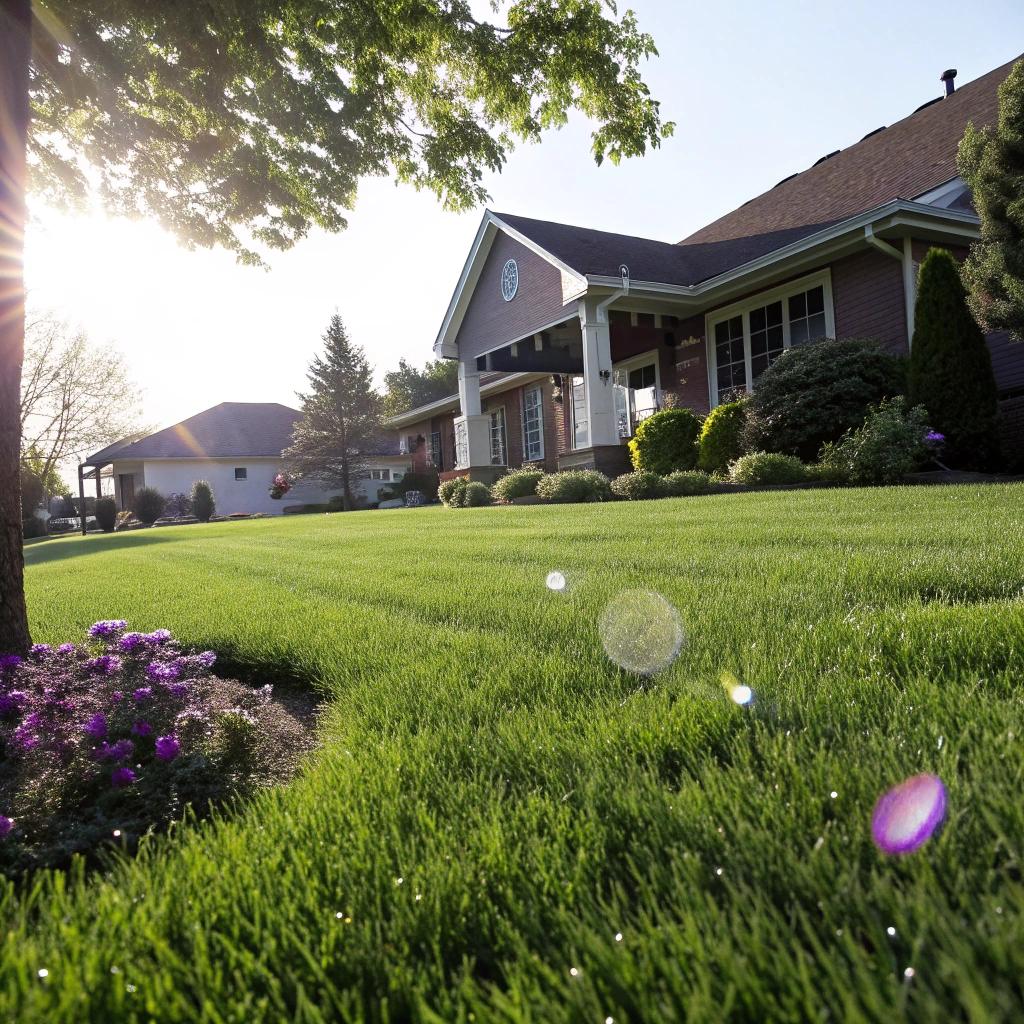

“If your grass is green and cut, your lawn is fine. Anything more is just cosmetic.”
That line sounds reasonable at first, but it is not true, at least not for most yards in Cape Girardeau. A lawn can look green for a while and still be weak, full of shallow roots, invasive weeds, and disease. Expert service for lawn care Cape Girardeau helps your grass stay healthy below the surface, not just tidy on top, which is what really matters for long-term curb appeal and easier maintenance.
If you have lived here through a full year of weather, you already know what your lawn is up against. Cold, soggy winters. Wet springs that turn to sudden heat. Then that late summer stretch where the sun feels stronger each week, rain slows down, and soil starts to crack a little. On top of that, there is clay in many yards, tree roots, and those small compacted paths where everyone cuts across the grass instead of staying on the sidewalk. A quick mow does not fix any of that.
I used to think my own yard looked fine because it was short and sort of green from the street. Then one year, a dry August hit. In less than two weeks, the whole front lawn went from “okay” to patchy, brown, and rough. It was not a slow fade either. It just collapsed. That was when I learned that thick, resilient turf is something you plan for months ahead, not something you rescue with one extra watering session.
The lawns that survive Cape Girardeau summers without turning brown and bare are usually the ones that have had quiet, consistent care all year, not last-minute fixes.
So if you are wondering what “expert lawn care” actually means here, it is not some vague marketing term. It usually comes down to a mix of basic science, good timing, and paying attention to your particular yard. The soil under a shady yard near the river is not the same as the soil in a sunny subdivision on a hill. Treating them exactly alike can waste money and still leave you with weak grass.
You do not need a degree in turf science to have a strong lawn, but you do need more than “mow it when it looks long.” The rest of this guide walks through how pros in Cape Girardeau approach lawn care, what they do differently from a typical homeowner, and how you can decide what to handle yourself and what to hand off.
What “expert lawn care” really means in Cape Girardeau
Many companies talk about being experts, which can sound like empty advertising. So it helps to be very concrete. In this region, expert lawn care usually means three things working together:
1. Understanding local conditions
2. Using the right methods at the right time
3. Keeping a regular schedule instead of reacting only when something looks bad
That may sound simple, but it is not always obvious in practice.
1. Local climate and soil shape everything
Cape Girardeau sits in a sort of transition zone for grass. That means you see both cool season and warm season lawns in the same city. Some neighborhoods have mostly fescue. Others lean toward zoysia or bermuda. Each type reacts very differently to heat, shade, and water.
Here is where experts often start: they look at what you already have and how it behaves over the year.
If your lawn greens up early in spring, loves April and May, then suffers badly around July and August, you probably have mostly cool season grass like tall fescue. It likes cooler temps, does well in partial shade, and handles foot traffic fairly well. But it can go stressed fast in long hot spells if the soil is shallow or compacted.
Warm season grasses, like zoysia or bermuda, usually stay pale longer in spring, then explode with growth when it gets hot. They spread more aggressively, tolerate heat better, and can recover from damage by creeping into bare spots. On the other hand, they often need more sun and can look tan during cooler seasons.
An expert does not just say “fertilize twice a year.” They adjust the plan based on what is actually growing in your yard and what the soil under it is like.
A simple way to see the difference that this local awareness makes is to compare two lawns on the same street:
– Same weather
– Same rainfall
– Same mowing frequency
Yet one lawn stays thick and green for months while the other thins out and picks up weeds. In many cases, the stronger lawn is not “luckier.” It is being treated with the right schedule for its grass type and soil, rather than a generic plan.
2. Timing beats effort
Something many homeowners find frustrating: they are willing to work hard on the lawn, but the lawn still struggles. The missing piece is often timing.
For example:
– Fertilizer applied when the grass is not actively growing can do very little good or even stress the plants.
– Weed control sprayed at the wrong stage of weed growth can look like it is doing something, yet the weeds come back quickly.
– Aeration done in the wrong season can open the soil to stress instead of helping it.
Experts in Cape Girardeau build their yearly plan around local growth patterns. Spring, early summer, late summer, and fall all have slightly different jobs. You do not need to memorize a complex calendar, but you should know that when something gets done can matter just as much as what gets done.
3. Consistency is more valuable than one-time fixes
There is a pattern that lawn pros see all the time.
Someone calls when the lawn is already in trouble. Thick crabgrass, bare dirt, maybe fungus in shady areas. They want it fixed fast. And while some improvement is usually possible, the yard often has years of neglect behind it.
Healthy lawns in Cape Girardeau are usually not perfect lawns; they are the ones that receive steady, slightly boring care instead of sudden bursts of effort once a problem shows up.
Expert lawn care tends to feel less dramatic. Fewer big emergencies, more small jobs done on schedule. A treatment here, a tune-up there, an extra check after heavy rain. It is less exciting, but the payoff is that there are fewer big headaches later.
Core parts of expert lawn care for Cape Girardeau yards
To make all this more practical, it helps to break the work into a few main areas. Not as a strict checklist, but as a way to see what is actually going on throughout the year.
Soil testing and correction
If you talk to a lawn care technician who really knows this region, you will often hear them mention soil first. It is not a sales trick; it is that simple. Grass grows from soil. If the soil is compacted, low in nutrients, or too acidic or alkaline, everything else gets harder.
Many yards in the area have:
– Clay that holds water, then dries into a hard layer
– Poor drainage in low spots
– Thin topsoil in newer subdivisions
A soil test can reveal pH levels, organic matter content, and nutrient levels like nitrogen, phosphorus, and potassium. A pro reads that report and uses it to recommend things like lime, different fertilizer blends, or added organic material.
Without that, you might be feeding a lawn that cannot use what you are giving it very well.
Right mowing habits, not just frequent mowing
Mowing sounds simple. You start the mower, set a height, and go. Yet mowing is one of the easiest ways to either help or hurt your lawn.
Some common habits that cause trouble:
– Cutting the grass too short trying to “go longer” between mows
– Using a dull blade that tears the tips instead of cutting cleanly
– Mowing at random times, sometimes removing far more than one third of the blade in one go
In Cape Girardeau, where summers can be intense, cutting cool season grass too short can really stress it. Short grass has less leaf area to absorb sunlight. It loses moisture faster. The soil under it heats up more. That combination invites weeds and thin spots.
Experts often set different mowing heights for different seasons, and sometimes even for different parts of the same yard. A sunny slope might be slightly different from a shaded back corner. That level of attention sounds small, but it adds up over time.
Fertilization built for local weather
Fertilizer is one of those things that can go either way. Applied well, it thickens the lawn, helps it recover from stress, and gives it a rich color. Applied poorly, it can burn grass, lead to quick flushes of weak growth, or simply wash away.
Professional lawn care in Cape Girardeau tends to use:
– Blended fertilizers timed with growth cycles
– Slow release products for steadier feeding
– Adjusted rates based on grass type and soil test results
Someone might think, “I will just buy a general fertilizer and apply it every month.” That can lead to shallow roots that depend on frequent feeding rather than building deeper strength.
Expert care often uses fewer, better-timed fertilizer applications. The aim is steady health, not dramatic spikes in color that fade quickly.
Weed control that supports thick turf
You can fight weeds two ways.
You can spray them each time they pop up. Or you can grow such thick, dense grass that weeds have a much harder time getting started. Experts do both.
In this area, crabgrass, nutsedge, dandelions, and broadleaf weeds can all be stubborn. Professionals often use pre-emergent treatments early in the season to stop certain weeds before they sprout. Then they follow up with targeted treatments only where needed.
What makes this “expert” rather than basic is the focus on timing again. Spray too early, and the product breaks down before weeds appear. Spray too late, and you are always chasing growth that is already mature.
There is also a balance issue here. A company that only focuses on weed control and ignores fertilization, mowing height, or aeration can leave you with a chemically treated but still weak lawn. True expert care tries to make the grass itself strong enough that weed pressure falls over time.
Aeration and overseeding: breathing new life into the lawn
Many Cape Girardeau lawns struggle with compaction. Kids play in the yard. Pets run the same paths every day. People walk from driveway to porch across the grass instead of the sidewalk. Over the years, the soil underneath gets pressed tight.
Core aeration helps with this by pulling small plugs of soil out of the ground. It:
– Creates channels for air and water
– Loosens root zones
– Helps fertilizer move deeper
– Gives new seed a better spot to land and grow
Overseeding combined with aeration can refresh a tired lawn, especially if it is mainly fescue. The new seed falls into the holes and along loosened soil, where it has better contact and protection.
Here is a simple way to picture how these different tasks fit together over a typical year for a cool season lawn in Cape Girardeau:
| Season | Main Focus | Typical Expert Tasks |
|---|---|---|
| Early spring | Wake up lawn and prevent weeds | Light fertilization, pre-emergent weed control, first careful mowings |
| Late spring | Strengthen growth | Balanced feeding, spot weed treatments, adjust mowing height |
| Summer | Protect from stress | Watering guidance, disease monitoring, less aggressive mowing |
| Early fall | Repair and thicken | Aeration, overseeding, heavier fertilization |
| Late fall | Prepare for winter | Final feeding, leaf management, last mowing adjustments |
The details change for warm season lawns, but the principle is similar. Timing follows the natural growth curve of the grass.
Why many Cape Girardeau homeowners turn to pros
You might be perfectly capable of caring for your own lawn. Many people are. The question is less about ability and more about time, interest, and consistency.
Here are a few reasons people in this area often decide to work with a lawn service.
Less guessing, more predictable results
You can read bags of fertilizer, check online guides, watch videos, and still feel unsure. Local weather can shift. A late frost comes. A heat wave arrives much earlier than you expected. Suddenly that schedule you planned in good faith no longer matches what the turf is doing.
A local expert usually has patterns from many lawns in mind. When they see an early outbreak of a certain weed or fungus, they can respond quickly across all their clients. You benefit from other people’s experience without having to see the same problem in your own yard first.
Professional equipment and products
You might own a good mower and a basic spreader. A professional service often brings:
– Commercial mowers set up for consistent cutting
– Precise application equipment that spreads product evenly
– Access to blends and weed controls not always found in big box stores
Better tools on their own do not guarantee a good lawn. Still, they help with accuracy and consistency, especially on larger or uneven properties.
Regular visits keep small issues from becoming big problems
One underrated benefit of expert lawn care is the simple fact that someone trained is actually looking at your yard on a schedule.
They might notice:
– Thinning in one corner that hints at a drainage issue
– Mushroom patterns that suggest buried wood or decaying roots
– Early signs of disease on blades in a shaded, damp area
Catching these early can prevent dead spots and expensive repairs later.
There is also a psychological factor. When you know a crew is coming on a schedule, you are less likely to ignore things like toys left in the yard, overgrown edges, or clogged sprinkler heads. You prep a little. That small habit keeps the whole property in better shape.
Balancing cost and value
Some people feel that professional lawn care is always too expensive. That is not always true, but it depends on your expectations.
If you:
– Value your weekends
– Do not want to store many chemicals or heavy tools
– Have struggled for years to get the lawn where you want it
then expert service may actually save money and frustration over time. On the other hand, if you enjoy yard work and are willing to learn, you might only need partial help: maybe professional fertilization and weed control, while you handle regular mowing.
A reasonable approach many homeowners take is to start with a pro for one full year. They see how the lawn changes, learn from the techs, and then decide how much they want to keep outsourcing.
Common lawn problems in Cape Girardeau and how experts approach them
Not every yard faces the same troubles, but certain patterns repeat in this region. Seeing how pros think about them can help you even if you handle some work yourself.
Thin, patchy grass
This is very common on yards that get regular traffic or were never properly established after construction.
Causes can include:
– Compacted soil
– Shade from growing trees
– Poor seed choice
– Grubs or other pests eating roots
An expert will usually check:
– Soil condition by probing with a tool
– Shade patterns during the day
– History of past treatments and seeding
Then they might plan aeration, overseeding with a better blend, targeted feeding, and maybe some traffic control like paths or stepping stones in high wear areas.
Heavy weeds every year
Some lawns seem locked in a fight with weeds that never ends. You kill one wave and another appears. This can feel pointless.
Pros often step back and ask two questions:
1. Why is the turf not thick enough to crowd weeds out?
2. Are the weeds telling us something about the soil?
For example, some weeds thrive in compacted or low fertility areas. Instead of only spraying them, the expert focuses on changing the conditions that support them. That might mean deeper fertilization, more organic matter, or changes to mowing height.
When weeds keep coming back, it is often a sign that the grass is weak or the soil favors invaders. Killing the weeds without helping the grass is like treating a symptom but ignoring the cause.
Brown spots and disease issues
Hot, humid stretches of weather are perfect for lawn diseases. Brown patch, dollar spot, and other fungal problems show up, especially in shaded or poorly drained areas.
Experts look for:
– Patterns in the damage
– Moisture levels
– Thatch buildup
– Mowing height and frequency
Sometimes a fungicide is part of the fix, but long term improvement usually involves better airflow, adjusted irrigation, and improved soil structure. Otherwise, the same disease can repeat year after year.
Drainage and standing water
Some Cape Girardeau yards have low spots where water collects after heavy rain. If water stands for long periods, grass roots can suffocate and die, leaving muddy or bare areas.
Local lawn services may:
– Regrade small sections of the yard
– Install simple drainage solutions like French drains or swales
– Use soil amendments to help water move more evenly
While that edges into landscaping rather than basic care, it is often connected. A lawn that never dries out properly will always be prone to disease and root problems.
How to decide what level of expert help you need
You do not have to choose between “do everything yourself” and “let a company handle absolutely everything.” There is a range of options, and which one fits you can change over time.
Here are a few questions to ask yourself.
1. How much time do you want to spend outside on lawn tasks?
Be honest. Some people picture peaceful evenings mowing and pulling weeds, then realize their schedule rarely allows it. Others find lawn work relaxing.
If your week is already full, expecting yourself to keep a perfect schedule might not be realistic. In that case, having a service manage timing can take a mental load off your shoulders.
2. Are you willing to learn and experiment a bit?
If you enjoy learning about plants, soil, and weather patterns, you might only need a little guidance. If you prefer not to think about turf science at all, then leaning more on professionals can make sense.
There is no right answer here. It is a personal choice.
3. What is your tolerance for imperfect results?
A lawn that looks good from a distance but has some weeds up close might be fine for you. Or you might want that dense, carpet-like look that neighbors comment on.
Expectations matter. More perfect lawns usually require:
– Better timing
– More consistent treatments
– Sometimes more investment
Knowing where you stand can help you pick a level of service that feels worth it.
4. Do you care more about resale value or daily enjoyment?
Some people view lawn care purely as a curb appeal issue. Others see it as part of how they enjoy their outdoor space with kids, pets, or gatherings.
A healthy lawn can add to home value, but it also reduces mud, dust, and allergy triggers. If you see yourself staying in the house for many years, long term health of the yard may matter more than short term appearance.
Working with a lawn care service: what to look for
If you decide to partner with a professional, choosing a good service can make a big difference in your experience.
Clear communication, not just a price sheet
A trustworthy service should be willing to:
– Walk your property with you
– Explain what they see and why they suggest certain treatments
– Answer questions in plain language
If you feel rushed or brushed off, that may not be a good sign. You are trusting them with your living landscape, not just a patch of green.
Local knowledge and consistent crews
Companies that have worked in Cape Girardeau for years tend to understand:
– Which weeds are most persistent in which neighborhoods
– How certain soils respond to wet springs
– Typical problem spots near trees, slopes, or shaded corners
Ask how long they have served the area and whether you get the same crew most visits. Familiar eyes notice changes faster.
Realistic promises
Be wary of anyone who promises an instant, flawless lawn in a very short time. Strong lawns usually come from a full season or more of careful work.
A good lawn care provider will often say something like: “We can improve this over the next year, and here is what you can expect at each stage.” That kind of measured expectation tends to be more reliable than big claims.
Blending professional help with your own effort
One nice thing about lawn care is that you can mix approaches. You might let pros handle fertilization, weed control, and aeration, while you take care of:
– Mowing
– Watering
– Leaf cleanup
– Light trimming
This can reduce costs while still giving your lawn the benefit of expert planning and products.
You can also treat a professional service as a teacher. Ask them:
– Why did you choose this product today?
– How should I mow after this treatment?
– What do you think is the main challenge in my yard?
Over time, you learn what your specific property needs. If you ever decide to take back more tasks yourself, you are starting from a much better knowledge base.
Questions homeowners in Cape Girardeau often ask about expert lawn care
Is expert lawn care worth it if my yard is small?
It can be. Smaller yards still face disease, weeds, and soil problems. The difference is that treatments might cost less simply because there is less area to cover. If you want a tidy, low-stress yard and do not love yard work, even a small space can benefit.
How long does it take to see real improvement?
You can sometimes see color changes in a few weeks after a first fertilization. Weed control can also show quick wins. But deeper changes, like thicker turf, fewer bare spots, and better resilience in summer, often take a full growing season. Sometimes two.
Lawn care is closer to tending a garden than repainting a room. It is a living system. Patience pays off.
Can I just seed over my lawn once and fix everything?
Seeding helps, especially after aeration, but it is not a magic reset button. If the soil is compacted or the mowing and watering are off, new seed can fail or thin out again. Experts usually treat seeding as part of a broader plan, not a one-time cure.
What if I only care about how the lawn looks in summer?
That is understandable, since summer is when you are outside the most. But the truth is that summer performance is mostly decided in spring and fall. If you skip care in those seasons, summer will almost always be harder on the lawn.
So yes, you can focus on summer, but the work leading up to it still matters.
Is watering really that big of a deal here?
In many years, rainfall in Cape Girardeau supports lawns quite well. In other years, you get long dry spells. Expert lawn care often includes guidance on watering:
– How long to run sprinklers
– What time of day works best
– How to check that water is reaching roots, not just wetting the surface
Overwatering can be as harmful as underwatering. If water stands on the soil for long periods, roots suffer and disease risk rises.
Can expert lawn care help with allergies?
It can, to a point. A well managed lawn:
– Has fewer weeds, which often produce pollen
– Has less bare soil that turns to dust
– Can reduce mud that tracks into the house
It will not eliminate seasonal allergies, but a dense, healthy turf can make your immediate surroundings a bit easier to live with.
What is one simple change I can make right now without calling anyone?
If you want a quick, practical step, check your mowing height. For most cool season lawns in Cape Girardeau, raising the mower slightly and avoiding very short cuts can make a clear difference over the next few weeks.
Try to cut often enough that you never remove more than one third of the grass blade in a single mow. It sounds small, but grass reacts strongly to that.
If you had to pick one next step after reading all this, what part of your lawn would you most want to improve first: color, thickness, or weed control?
