

“If you see one roach or a couple of ants, it is probably nothing. Just spray a little store product and wait it out.”
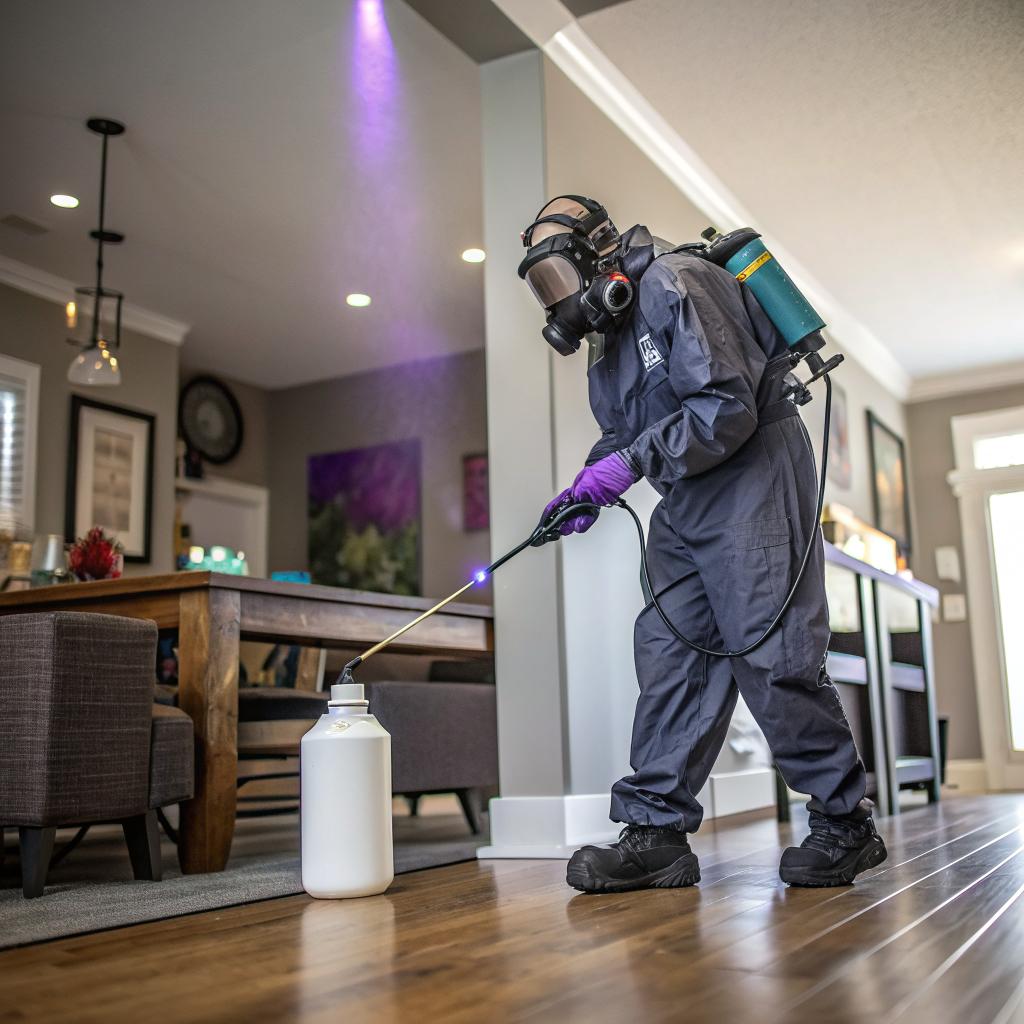
That idea sounds nice, but it is usually wrong. A single roach, trail of ants, or a few wasps around your eaves almost always means there is more activity nearby, and waiting usually makes the problem worse, not better. If you want fast, reliable relief in this area, you need a local pro who knows Southlake neighborhoods, soil, and weather, and can respond quickly. In short, you look for an exterminator Southlake homeowners already use when they want results in hours and days, not weeks and months.
I know that might sound a bit dramatic for a bug problem. But anyone who has walked into a kitchen at night, flipped on the light, and seen roaches scatter knows the feeling. You want that problem solved yesterday. Not next quarter, not after five “monitoring” visits. You want a clear plan, clear communication, and an actual drop in activity you can see.
Some people try to save money by buying every product from the big box store shelf. I have done that too. You line up sprays, gels, baits, and hope the mix will work. Sometimes it helps for a week, then the problem creeps back. Then you wonder if the problem is just your house or maybe the weather or the neighbors. It gets confusing fast.
A good local exterminator cuts through all of that. They inspect, explain what is going on, and pick a treatment that fits your home. Not a generic template. It sounds simple, and in a way it is, but that clear, calm process is what gives you fast results.
Why fast results matter more in Southlake than you might think
Southlake looks clean and well kept, so it is easy to assume pest issues should be mild. Many people think that serious infestations only hit old or neglected houses. But this is where the climate quietly works against you.
Warm months stretch long. Winters are short and often mild. That means more breeding cycles for insects. Ants, roaches, mosquitoes, spiders, wasps, termites, rodents, they all get a longer season. A “small issue” in March can turn into a serious one by summer if you let it linger.
I will give a small example. Say you start seeing a few ants on the kitchen counter in early spring. You wipe them up and move on. A week later there are more. You buy bait stations and place them at random. Activity drops for a few days. Then it surges around a different area, maybe the pantry.
What you do not see is the colony size outside. Underground, that colony can grow fast in Southlake soil, especially after rain. The longer you wait, the deeper they spread, and the more entry points they create in your foundation, weep holes, and gaps around pipes. That is why fast action matters. Every week you wait lets the population grow, which later needs more product, more visits, and more time to knock down.
What “fast results” from a Southlake exterminator actually look like
When people hear “fast,” they sometimes picture a magic spray that wipes out everything in a day. Then they get upset when they still see a few bugs later. The reality is more practical.
Fast results in pest control usually means:
– You get a same day or next day inspection.
– You receive a clear treatment plan on the spot or shortly after.
– Initial activity drops in a few days, sometimes within 24 to 48 hours for certain pests.
– The trend keeps moving down over the next 1 to 3 weeks.
– Follow up visits or checks confirm that you are moving in the right direction.
It is not an instant clean slate, but it feels fast because you stop seeing things getting worse. The direction changes. The house feels like it is under control again.
Fast pest control is not about a single heavy spray. It is about quick response, accurate diagnosis, and a treatment that actually matches the problem in your home.
If a company promises miracles in one hour, I would be cautious. Most responsible exterminators in Southlake will give you honest expectations. For some pests, like visible wasp nests, results are almost immediate. For others, like German roaches or entrenched ant colonies, it is more like a week or more, with steady decline as baits and residual products do their work.
Common Southlake pest problems and what a solid exterminator does first
Pest pressure in this area is not the same as in a cooler northern city. You can think of it in a simple way: longer warm months equal more activity.
Here are the main groups that tend to push homeowners to pick up the phone.
1. Ants in kitchens, bathrooms, and around the slab
Ants are probably the number one call driver for many Southlake companies. They can come from neighbors, greenbelt areas, or simply the soil under your own foundation. They follow moisture, food, and tiny scent trails that we cannot see.
A careful exterminator will:
– Find the main trails, inside and outside.
– Look for colony sources near the foundation, in mulch beds, or in wall voids.
– Identify the type of ant, since treatment for carpenter ants is different from common sugar ants.
– Use a mix of baits and non-repellent sprays so the ants carry product back to the colony.
The key is not just killing the ants you see. It is reaching the nest. That is where store sprays often fail. They kill the ones on the counter but push the colony to break into more small satellite groups, which can spread throughout the structure.
2. Roaches, especially German cockroaches inside
Roaches make most people uncomfortable. And for good reason. They contaminate surfaces, trigger allergies, and are just plain unsettling to watch.
In Southlake, you might see:
– German cockroaches in kitchens, bathrooms, and laundry rooms.
– American or “water” roaches in garages, attics, and near drains.
– Occasional invaders from the yard, especially after heavy rain.
A pro will inspect behind appliances, under sinks, around dishwashers, and in cracks where pipes enter walls. For German roaches, sprays alone are not the main tool. Professionals tend to rely on:
– Baits placed in key harborages.
– Insect growth regulators to break the breeding cycle.
– Careful crack and crevice treatments where roaches hide.
You might still see some roaches for a week or two as the program works. That is normal. Cleanliness helps, but even tidy homes get them. It is not a moral issue; it is a structural and environmental one.
3. Termites around slabs and flower beds
Southlake has a mix of older and newer subdivision homes. Many of them sit on concrete slabs with rich landscaping around the perimeter. That combination is nice to look at but can be attractive to termites.
Signs might be subtle:
– Mud tubes on the slab or brick.
– Bubbling paint or faint ripples in baseboards.
– Wood that sounds hollow when tapped.
Termite work is a bit different from standard pest control. Expect more detailed inspection around the foundation, garage expansion joints, and attached structures like decks. A solid company will map out the activity, then propose a treatment that might use:
– Liquid termiticide around the perimeter.
– Bait stations in the soil.
– Spot treatments in active areas.
This is not a “fast results in 24 hours” type of pest. You want careful planning that protects your house for years, not days. Still, the sooner you act after first signs, the simpler and less costly the treatment tends to be.
4. Rodents in attics and around the garage
Many Southlake homes back up to trees, ponds, or open areas. That looks nice but brings rodents closer. Squirrels, mice, and rats can all end up in attics, garages, and even living spaces.
An exterminator who knows the area will:
– Look for droppings in the attic and garage.
– Find entry points in rooflines, vents, and gaps where utilities enter.
– Set traps in smart positions, not at random.
– Seal entry holes with materials that rodents cannot chew through.
Rodent control has two phases: getting rid of what is inside and closing the doors so more do not come in. Some companies only focus on the first part. For lasting results, you want both.
How a Southlake exterminator usually handles the first visit
If you have never hired pest control before, the first visit can feel a bit uncertain. You might ask yourself:
– Are they just here to sell me a plan?
– Do they actually check everything?
– Will they rush in and spray without listening?
There are always weaker and stronger providers, but a good one follows a basic pattern that feels calm and structured.
Initial phone call
The first contact often sets the tone. A helpful office team will ask:
– What pest you are seeing, and where.
– How long you have noticed the issue.
– Whether you have tried any products already.
– If you have pets, kids, or anyone in the home with sensitivities.
If someone on the phone seems impatient or pushes you into a big contract without understanding the problem, that is a mild red flag. You are letting someone treat where your family eats and sleeps. You deserve real attention.
On site inspection
The tech should walk your property inside and out. They might:
– Inspect baseboards, cabinets, and under sinks.
– Check the foundation, flower beds, weep holes, and where lines enter the house.
– Look in the attic or garage if rodents or larger pests are suspected.
The inspection should not feel rushed. Ten minutes for a full home is usually too quick. Twenty to forty minutes is more common for a thorough look, depending on home size and issues.
If a technician listens to your story, checks the likely hot spots, and explains what they see in plain words, that is a good sign you will get real results, not guesswork.
Written or clear verbal plan
Before any major treatment, you should hear what they plan to do, in language that is easy to follow. You can expect details like:
– Which areas they will treat.
– Which products or product types they will use.
– How the treatment works over time.
– How soon you might see changes.
– Any prep you should do, like clearing under sinks or removing items from counters.
If something does not make sense, ask. A professional should be able to explain the plan without hiding behind complicated technical talk. It is your house. You have the right to understand what goes into it.
How to tell if an exterminator really knows Southlake
Lots of companies say they serve Southlake, but that does not always mean deep local experience. There are a few hints that someone really works here regularly.
Questions they ask about your neighborhood
A tech who knows the area often asks:
– Which subdivision you are in.
– Whether your house backs up to a greenbelt or water.
– How old your home is and whether you know its construction type.
These details matter because older slab homes, for example, tend to have different pest patterns compared to newer builds with foam insulation and upgraded drainage. Someone who treats in Southlake often will know which pests tend to flare in which neighborhoods.
Comments they make about common local pests
You might hear something like:
– “These ants are common around this part of Southlake after heavy rains.”
– “Homes near this creek often see more rodents in the fall.”
– “This builder used a lot of mulch beds against the slab, so we watch for termite activity.”
Small remarks like that show local knowledge. They also help you feel less alone with the problem. It is not that your home is uniquely cursed. You are simply living where certain pests do well.
Pricing, contracts, and what “fair” usually looks like
Money is always part of the decision, and you are right to think about it. There is no single correct price for pest control, but there are patterns that might help.
Service types you will see
Most companies in Southlake tend to offer:
– One time treatments for specific issues.
– Quarterly or bi monthly maintenance plans.
– Separate termite protection plans.
– Rodent exclusion work as a different service.
A one time visit often costs more per trip but does not lock you in. A recurring plan lowers the visit price but bundles services. Neither is “right” by default. It depends on your risk level and comfort.
Rough price ranges and what they usually include
To make this less abstract, here is a simple example table. These are not exact amounts, but they give a general idea of how services can differ.
| Service type | Typical use case | What it often includes |
|---|---|---|
| One time general pest visit | Sudden ant or roach issue | Inspection, inside and outside treatment, short guarantee window |
| Quarterly service plan | Ongoing prevention for common pests | Regular perimeter treatments, interior as needed, free call backs between visits |
| Termite protection plan | Long term structure protection | Initial treatment or bait system, yearly checkups, repair warranty in some cases |
| Rodent exclusion project | Rodents in attic or living space | Inspection, trapping, sealing entry points, follow up checks |
Cheap is not always good, and expensive is not always better. What you want is clear scope and honest talk. If a quote is far lower than others, ask what is missing. If it is far higher, ask what you are getting that is unique.
What you can do before the exterminator arrives
People sometimes assume that the pro will fix everything while they watch. It is fine to expect strong work, but your own small steps can speed things up.
Here are some simple actions that usually help, without turning into a huge project:
Inside the home
– Clear under sinks so the tech can access plumbing lines.
– Move items slightly away from baseboards where you see activity.
– Wipe up crumbs and standing water in kitchens and bathrooms.
– Put open food in sealed containers or the fridge.
You do not need a perfect, spotless home for pest control to work, but reducing food and water sources lets the products and baits do their job more effectively.
Outside the home
– Trim plants that touch or hang over the roof and walls.
– Pick up yard clutter like wood piles against the house.
– Check for standing water in buckets, toys, or clogged gutters.
These steps reduce harborage areas for insects and rodents. Your exterminator might still treat these zones, but starting from a cleaner exterior gives you a better long term outcome.
Red flags when choosing a Southlake exterminator
Not every company gives the same level of care. Here are a few signals that should make you pause.
Overpromising and vague claims
If someone says:
– “We will eliminate every bug in 24 hours.”
– “You will never see another spider in your home again.”
That sounds nice, but it is not realistic. Good pest control reduces and controls populations. It shapes your environment so issues are rare and small. Occasional single insects can still appear, especially in warm, green areas.
No inspection before treatment
If a tech shows up, grabs a sprayer, and starts walking around without asking questions or looking for sources, that is not a good sign. Effective treatment needs context. Where are they coming from? What are the conditions? What have you already tried?
A trustworthy exterminator treats information as seriously as product. They listen first, then treat.
Hard pressure for a long contract
Service plans can be helpful, but you should not feel forced. If you are only dealing with a one time wasp nest, a long commitment might not fit. If you have recurring roach or rodent activity, a plan might make sense.
The key is choice. If the sales tone feels more intense than the inspection, that is a warning sign.
Balancing speed, safety, and comfort
Some people worry that fast pest control might come at the cost of safety. That fear is understandable. You do not want strong products used carelessly around kids and pets. A solid Southlake exterminator knows how to move quickly without cutting those corners.
Here are a few points you can ask about to feel more comfortable:
– Product placement: Are they applying in cracks, voids, and outside perimeters, or broadcasting everywhere inside?
– Drying time: How long before kids and pets can be in treated areas?
– Alternative methods: Can they use baits, traps, and targeted treatments where possible instead of heavy broad spraying?
Most modern pest control products are designed to be used around homes when applied correctly. The real risk comes from incorrect mixing, overuse, and poor placement. That is why training and licensing matter more than any brand name.
Preventive maintenance vs “call only when it is bad”
There is a quiet debate here, even among homeowners. Some people prefer to only call a pro when things feel out of control. Others like a regular plan that keeps activity down year round.
Neither side is completely wrong. It depends on your situation.
A “call only when bad” approach might work if:
– You live in a newer home with tight construction.
– You do not back up to heavy trees or water.
– You rarely see activity inside and catch it early when it appears.
– You are comfortable handling very mild seasonal issues with store products.
Regular preventive service tends to fit better when:
– Your home backs up to greenbelts, creeks, or common areas.
– You have had repeated issues with ants, roaches, or rodents.
– You prefer not to deal with surprises and want one partner on call.
– You own rental properties in Southlake and want consistent protection.
If you are not sure, you can start with a one time treatment and see how long the relief lasts. If problems return often, a maintenance plan might actually save you time and stress.
Questions to ask before you hire anyone
You do not need to become a pest expert, but a few simple questions can give you a clear sense of who you are dealing with.
Consider asking:
– How soon can you come out for an inspection?
– Have you treated many homes in my part of Southlake?
– What do you think is causing this issue, based on what I described?
– How soon should I see a change if we go ahead with treatment?
– What happens if the problem does not improve in that timeframe?
Listen not just to the words, but to the tone. Are they confident without being pushy? Do they admit where results might take a bit longer? A bit of humility often means they are being realistic with you.
Realistic timelines for different pests
To set your expectations, here is a simple view of how fast you might see results after a proper treatment. These are general ranges, not promises.
| Pest type | First signs of improvement | More stable control |
|---|---|---|
| Ants | 1 to 3 days | 1 to 2 weeks |
| German roaches | 3 to 7 days | 3 to 6 weeks, with follow up |
| Spiders | 1 to 7 days | 2 to 4 weeks |
| Rodents | 3 to 10 days of trapping | Several weeks plus exclusion work |
| Termites | Hard to “see,” activity stops internally | Monitored over months and years |
If your exterminator explains something very different from these ranges, ask why. There might be reasons, like severe infestation or unusual construction, but you deserve that clarity.
A quick Q&A to wrap things up
Q: Do I really need a professional, or can I just handle pests myself?
A: For very light, occasional pests, you can sometimes manage on your own with careful use of store products and better sanitation. But if you see regular activity, spread across rooms, at different times of day, or involving roaches, termites, or rodents, a professional will almost always save you time and frustration. I think the main question is not “can I,” but “how much time and trial do I want to spend.”
Q: How do I know if the exterminator is actually working and not just “showing up”?
A: Watch the trend, not a single day. Within the first couple of weeks, you should see fewer live pests, fewer droppings, and less new damage or nesting signs. If things look the same or worse after that point, call the company and ask what might be going on. Honest providers will adjust the plan rather than blame you or the weather alone.
Q: Will pest control smell strong or disrupt my home?
A: Most modern treatments have very little odor. For many services, you only need to be out of treated areas for a short time while things dry. It is fair to ask the tech what to expect for each product. If someone cannot explain that clearly, that is a concern.
Q: How often should I schedule visits for Southlake specifically?
A: For this climate, many homeowners find a quarterly schedule balances coverage and cost well, with extra visits during peak seasons if needed. Very high pressure homes near water or lots of trees sometimes prefer bi monthly plans. Some people only book one off treatments each year. I think your best guide is your own house. If you keep seeing repeat issues, that is your signal that a more steady plan might be smarter.
Q: What is one simple step I can take today, before calling anyone?
A: Walk the inside and outside of your home with fresh eyes. Check under sinks, along baseboards, around doors, and at the foundation. Look for any tiny gaps, droppings, webs, trails, or water spots. Jot down what you see. That short walk gives you better questions to ask and helps any Southlake exterminator give you faster, more accurate help.
