
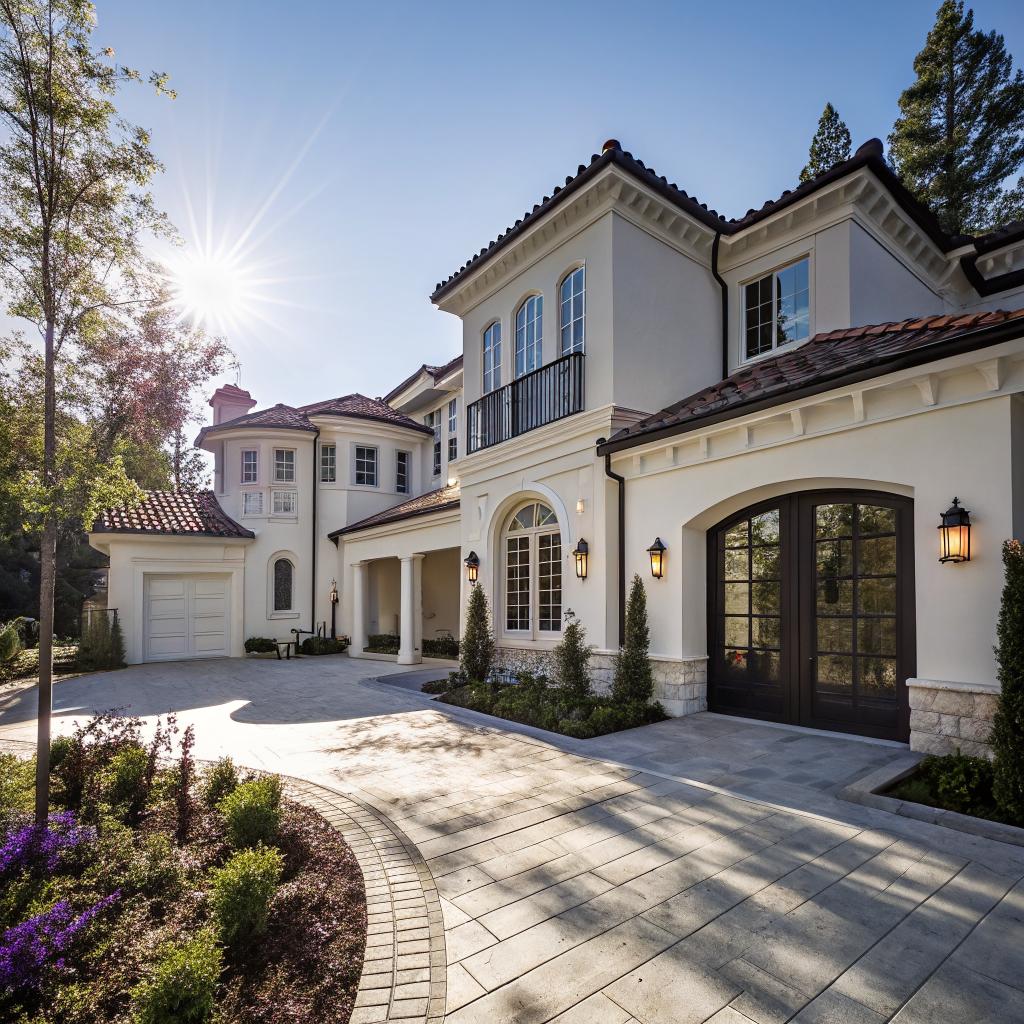

“Building a luxury custom home in Los Altos is only for celebrities and tech billionaires.”
That line sounds dramatic, but it is not really true. A luxury custom home in Los Altos is expensive, of course, but it is not some secret world that only a few people can access. If you plan well, pick the right architect and a good home builder Los Altos, understand the costs, and stay involved, you can build a high-end home that fits you, not just your ZIP code.
So if your question is “Can I actually build a luxury custom home in Los Altos without losing my mind or my entire savings?” the honest answer is: yes, you can, but only if you treat it like a serious project, not a fantasy. You will need time, patience, and a clear plan. You will also need to let go of a few Pinterest dreams along the way.
I have seen people start this process thinking the builder will “take care of everything” while they just pick finishes at the end. That sounds nice. It is also the fastest way to end up with delays, change orders, and a home that does not quite feel like what you pictured. A good project is more like a long conversation between you, your architect, and your builder. Sometimes a slightly tense conversation.
You do not need to become a construction expert. You do need to understand the basics: how budgets are built, what affects schedule, how the city of Los Altos views height limits and floor area, and what “luxury” really means in practical terms. Not just marble and fancy light fixtures, but how the home works when you live in it every day.
Luxury in Los Altos is less about showing off and more about quiet comfort, privacy, natural light, and homes that age well.
Let us walk through what that actually looks like, step by step, without pretending it is all simple or stress free. Because it is not. But that does not mean it has to be chaos either.
What “Luxury Custom Home” Really Means In Los Altos
People use the word “luxury” so often that it stops meaning anything. In Los Altos, it has a few very specific layers.
Luxury as location and land
You already know this: land in Los Altos carries a large part of the cost. The lot itself shapes what luxury can mean for you.
You are working with:
– Tight zoning rules about height, floor area, and setbacks
– Existing trees and grading
– Neighbors who care very much about privacy and views
A modest-looking house from the street may hide a large floor area that steps down a slope, or a full lower level that you only notice from the backyard. That is a very typical “quiet” form of luxury here.
Luxury as function, not just finishes
Many people start by picking stone, tile, or appliance brands. That is the fun part. The real luxury starts long before you pick a slab.
Ask yourself:
– Can two people cook together in the kitchen without crashing into each other?
– Is there a quiet spot to work without hearing everything from the great room?
– Are there places for guests that do not turn your whole home upside down?
A house that flows well, so you do not think about it every time you walk through it, is more “high-end” than one covered in trendy materials that annoy you in daily life.
Luxury as calm and privacy
In Los Altos, a “luxury” custom home usually aims for calm. Not drama.
You see this in:
– Thoughtful window placement that gets natural light without turning your living room into a fishbowl
– Sound insulation between bedrooms and public areas
– Landscaping that screens views from nearby homes
Luxury is often the stuff no one notices because it just works. That can be frustrating to pay for, but it is what makes the house feel good long term.
Step 1: Start With Your Site, Not Just Your Wish List
A common mistake is to fall in love with a floor plan or design style before you really study the lot. It is easy to do. I have done that daydream myself, scrolling through plans online and thinking “Yes, that is the one.” Then you walk your actual site and realize half of it does not make sense there.
The right luxury home in Los Altos is not copied from a book; it is grown from the lot, the light, and the rules of that specific street.
Key site questions to ask
Walk the lot at different times of day. Ask:
– Where does the sun rise and set relative to your future main living spaces?
– Where are your neighbors closest to you? Two stories? Windows facing you?
– Is there traffic noise from a nearby road, or is it generally quiet?
– Are there protected trees, power lines, drainage easements, or odd slopes?
You can sketch the greatest floor plan ever and then find out a large oak in the middle of your lot changes everything. Or that the only place the city will accept for your driveway is where you thought the guest suite would go.
Understand local zoning before you design
In Los Altos, zoning rules affect:
– Maximum height
– Setbacks from property lines
– Floor Area Ratio (how much house you can build relative to lot size)
– Basement or lower levels
– Garage location and size
You do not have to memorize the zoning code, but your architect and builder must know it well. A good team balances your wish list with what the city will allow, instead of drawing a dream and then chopping it down in review.
Building Your Team: Architect, Builder, And You
Some people think, “I just need a great architect. Any decent builder can follow the plans.” Others say the opposite. Both views are a bit off.
Luxury custom homes in Los Altos work best when architect and builder stay in close contact from early design through the last walk-through. Not arguing. Actually talking.
Choosing an architect for a luxury home in Los Altos
When you talk to architects, look for more than pretty pictures:
– Have they worked on your type of lot before, in Los Altos or nearby cities?
– Do they understand local review boards and city staff?
– Can they explain structural and cost tradeoffs in simple language?
– Do they listen, or do they push their own “signature” style?
Someone may have gorgeous work but mostly on flat, wide lots in other regions. Hills, narrow lots, and tree constraints change everything.
Choosing the right builder
For a luxury custom project, you want a builder who:
– Has completed projects in Los Altos or nearby cities with similar level of detail
– Is comfortable with both modern and more traditional styles
– Has strong relationships with quality trades
– Talks openly about cost, not just “we will figure it out”
Ask to walk at least one finished home and, ideally, one current job site. The finished one shows the final detail. The active site shows how they keep things organized and safe.
Why bringing a builder in early helps
You might think it is better to fully complete the design, then bid it to several builders. That can work, but it often leads to painful “value engineering” later when the bids come back higher than expected.
When a builder is involved during design, they can:
– Flag expensive structural moves before you draw around them
– Suggest simpler ways to achieve the same look
– Provide rough cost checks at each design stage
This way, you adjust as you go, not after you are emotionally attached to a plan that breaks the budget.
Budgeting Honestly For A Los Altos Luxury Custom Home
This part is uncomfortable. Many people understate their budget at first because they worry that if they share the real number, everyone will just spend every last dollar.
I understand the concern, but hiding your real range causes more harm than good. The team designs for a lower number, you ask for more features, and before you know it, no one knows what is real anymore.
Main cost categories
You are not just paying for “the house.” Below is a simple way to think about the main buckets. Numbers are just rough ideas and will change over time and with choices, but the structure stays similar.
| Cost Category | What It Covers | Notes |
|---|---|---|
| Land | Purchase price of the lot, closing costs | Largest single number for many projects |
| Soft costs | Architect, engineer, surveys, permits, city fees | Often 10% to 20% of total build cost |
| Site work | Demolition, grading, utilities, retaining walls | Highly variable; sloped lots cost more |
| Structure & shell | Foundation, framing, roofing, windows, exterior doors | Core of the house, hard to change later |
| Systems | HVAC, plumbing, electrical, solar, low voltage | Where comfort and energy use are set |
| Interior finishes | Cabinets, flooring, tile, fixtures, trim, paint | Prices swing widely based on selection |
| Exterior & landscape | Driveways, patios, decks, fencing, planting, lighting | Easy to underestimate; adds up quickly |
| Contingency | Unexpected conditions, owner changes | Somewhere around 8% to 15% is common |
Where luxury really shows up in the budget
People think luxury is just finishes. It is not.
Some high-impact luxury choices:
– Larger window and door openings with high performance glass
– Superior insulation and air sealing for comfort and quiet
– Thoughtful lighting design, not just basic cans everywhere
– Custom cabinetry instead of stock boxes
– High-end HVAC with zoning and smart controls
– Detailed millwork, paneling, and stairs
You do not need to splurge on every option. In fact, that is usually a bad idea. A better approach is to pick 3 to 5 areas that matter most to you and invest more heavily there, then keep other areas simple and durable.
Designing A Luxury Floor Plan That Actually Works Day To Day
This is where many luxury custom homes win or lose. Some look outstanding in photos but feel awkward to live in.
Think in zones, not just rooms
When you picture your future home, do not start with, “We need five bedrooms and a home theater.” Start with how you live.
Ask yourself:
– Morning: Where do you make coffee, read, get kids out the door, work out?
– Daytime: Who is at home? Do you work from home? Need private calls?
– Evening: Do you cook, order in, entertain often, or prefer quiet meals?
– Weekends: Do you host family, kids’ friends, out-of-town guests?
From that, you can think in zones: quiet, social, work, kids, guests, service. The exact labels do not matter. What matters is how they relate.
For example:
– Kids bedrooms often close to a family lounge area, not a formal living room
– Home office with some separation from kitchen noise
– Guest suite near an entry or side door, not buried in the center of family space
Common layout choices in Los Altos luxury homes
Some patterns show up again and again because they work well here:
– Open kitchen, dining, and living area facing the backyard
– Big sliding or folding doors to a covered patio
– Primary suite upstairs or at the back for privacy
– One bedroom suite on the main level for guests or aging family
– Mudroom connecting garage and kitchen or pantry
None of these are rules. You do not have to follow them. Just remember that moving plumbing and structure late in design, to correct a layout that was not fully thought through, is one of the most expensive changes you can face.
Ceiling height, volume, and scale
People often say they want “high ceilings” because it sounds luxurious. Higher ceilings can feel great, but only when they fit the scale of the room and the exterior form of the home.
Too high and you might get:
– Echo and sound problems
– Higher heating and cooling loads
– Exterior massing that looks bulky on your lot
In Los Altos, many luxury homes mix heights:
– 10-foot main living areas
– Slightly lower secondary spaces
– Thoughtful ceiling changes and simple beams for character
Ask your architect to show you sections and simple 3D views so you get a sense of volume, not just a flat floor plan.
Luxury Materials And Finishes That Age Well
You can spend a lot of money on finishes that look great for two years and then feel dated. Or you can choose a calmer base and bring personality in with elements that are easier to change.
Exterior finishes for Los Altos climate
Common choices:
– Stucco or plaster with clean lines
– Horizontal or vertical siding, often wood or fiber cement
– Stone in lighter, more subtle tones rather than heavy dark masses
The main questions for you:
– How much maintenance are you willing to live with? Real wood needs care.
– Do you want the home to quietly blend in or make a bit more of a statement?
– Will the exterior look balanced from all sides, not just the front?
Interior finishes that feel high-end without screaming
A few guidelines that tend to work for luxury homes here:
– Keep main flooring continuous across large areas. That makes spaces feel more generous.
– Use natural or natural-looking products where feet and hands touch them: wood floors, stone or good porcelain in baths, solid cabinet doors.
– Plan a lighting layout early so pendants, recessed lighting, and accent lights support the architecture instead of fighting it.
You can go very bold with some elements if you like, but it is often wiser to keep permanent surfaces calmer and bring stronger color into furniture, art, or smaller accent walls.
Energy, Comfort, And Smart Home Choices
Los Altos homeowners pay attention to energy use and comfort. Not just for savings, but for daily life: quiet rooms, stable temperatures, clean air.
Envelope and insulation
A strong building envelope is not glamorous on Instagram, but it is pure luxury when you live in the house.
Key items:
– Good quality windows with appropriate glazing for orientation
– Solid air sealing at framing, penetrations, and around openings
– Insulation levels that are at least code compliant, often higher
These choices reduce drafts and noise from outside, and they support a smaller, more comfortable HVAC system.
HVAC and ventilation
Think about:
– Zoning so each floor or zone can be controlled separately
– Quiet equipment and well-planned duct runs
– Fresh air systems and good filtration to handle smoke or poor air days
Many Los Altos luxury homes now include heat pump systems, radiant floor heating in some spaces, and smart thermostats that are easy to use. You do not need every gadget, but you do want a system that your future self will not curse every summer and winter.
Smart home features
It is easy to get carried away with technology. Try focusing on:
– Security and access: door locks, cameras, gate controls
– Lighting control: scenes for evening, away mode, dimming
– Climate: easy access to temperature and shades
Ask how the system can be updated over time. You do not want a complex setup that no one knows how to maintain 5 years from now.
Working With The City Of Los Altos
This part is rarely anyone’s favorite, but it is part of the process. Your architect and builder usually handle most of it, but you should understand the main steps.
Permitting steps in simple terms
Most projects move through:
– Planning review: where massing, setbacks, coverage, and sometimes design are checked
– Building review: detailed look at structure, energy, fire, and safety
– Possible neighborhood input: sometimes neighbors send comments or concerns
Your team will submit plans and answer questions. Having experienced professionals who know what each reviewer expects speeds things up.
A smooth city review is not luck; it comes from clear drawings, realistic designs, and a team that knows how local staff think.
If someone promises you a “fast track” or suggests ignoring certain requirements, be careful. Shortcuts like that often lead to bigger issues later.
The Construction Phase: What Actually Happens
It is easy to think of construction as one big block of loud noise and dust. In reality, it has stages, each with its own decisions.
Rough sequence of a custom build
You will see something like this:
1. Site prep and demolition
2. Foundations, footings, possible retaining walls
3. Framing of floors, walls, and roof
4. Rough plumbing, electrical, HVAC
5. Windows, exterior doors, roof, exterior cladding
6. Insulation and air sealing
7. Drywall and interior trim
8. Cabinets, tile, flooring, fixtures
9. Paint, finish details, hardware
10. Exterior concrete, decking, landscape
11. Final inspections and punch list
The fun part for many owners starts around drywall and finishes. Before that, it can feel slow and abstract, but that early work is where the bones of the home take shape.
Staying involved without getting overwhelmed
You do not need to visit every day, but you should:
– Attend key walk-throughs at framing, rough-ins, and before drywall
– Review mockups of finishes where possible
– Respond to questions from your designer or builder in a timely way
Most stressful situations come from slow decisions or unclear communication, not from actual construction mistakes.
Common Pitfalls In Los Altos Luxury Custom Homes
Every custom project has surprises. Some problems repeat enough that it makes sense to call them out.
Underestimating site and foundation costs
Hills, poor soils, and existing conditions under old homes can add serious cost. If your lot is not flat and simple, build some extra cushion into your budget for this.
Changing the plan too late
A small layout change on paper can turn into a big field change if walls are already framed or utilities are in place. Try to lock big decisions early, especially room sizes, window positions, and plumbing locations.
Chasing trends instead of thinking about your life
Design websites and social media show dramatic features that may not fit your daily routine or local style. For example:
– All-glass railings that are hard to keep clean
– Dark interior finishes in a home with lower natural light
– Overly minimal kitchens that lack storage for real cooking
Trends fade. You will still be living in this house long after they pass.
How To Work Well With Your Builder And Architect
You may think, “I am paying them, they should just handle it.” Up to a point, yes, but your input and clarity are a big part of success.
Communicate expectations early
Be specific about:
– What “luxury” means to you: quiet, materials, certain brands, design style, or something else
– How often you want updates: weekly calls, site visits, written reports
– Your tolerance for change orders and how you want them presented
If something confuses you, ask. Builders and architects sometimes fall into jargon without noticing.
Handle disagreements with facts
You will probably disagree with your team on something at some point. That is normal. Maybe you want a bigger opening where structure makes it hard, or you like a finish that will not perform well in a certain spot.
Instead of turning it into a standoff, ask:
– What are the tradeoffs in cost, time, and long-term performance?
– Are there two or three alternative ways to reach a similar goal?
Good teams will walk you through options and help you choose, rather than just saying “no” or “that is fine” to everything.
How Long Does A Luxury Custom Home In Los Altos Take?
The honest answer: longer than you wish, shorter than you fear if the project is well managed.
Typical timeline ranges
Every project is different, but a rough range looks like:
| Phase | Approximate Duration | What You Are Doing |
|---|---|---|
| Pre-design & programming | 1 to 3 months | Clarifying needs, budget, team |
| Schematic design | 2 to 4 months | Big-picture layout and massing |
| Design development | 2 to 4 months | Refining plans, key finishes, systems |
| Construction documents & permitting | 4 to 8 months | Detailed drawings, approvals |
| Construction | 12 to 20+ months | Building the home |
You can compress some parts, but rushing usually creates stress and mistakes. Careful planning saves time during construction.
Is A Luxury Custom Home In Los Altos Right For You?
This is the question many people skip. They assume that because they can afford it, they should build new. That is not always the right call.
Building from scratch may make sense if:
– You have specific needs that most existing homes do not support
– Your lot or future lot is strong, but the current house is outdated or too small
– You care about long-term comfort, energy use, and daily function enough to live through a long project
Buying an existing home and doing a thoughtful remodel or addition can also be a good choice, especially if you find a place with good bones and a layout you can adapt.
The “right” path is not the most expensive one; it is the one that fits your patience, your budget, and the way you actually live.
Quick Q&A To Wrap Things Up
Q: What is the single biggest factor that makes a Los Altos custom home feel truly luxurious?
A: Consistent comfort. Not just fancy surfaces, but stable temperatures, quiet rooms, soft natural light, and spaces that fit your daily routines without constant adjustment.
Q: Is it better to spend more on finishes or on structure and systems?
A: If you have to choose, invest in structure, windows, and mechanical systems first. You can change many finishes later with less disruption. Reworking poor structure or weak systems is expensive and painful.
Q: How much of my time will this take as a homeowner?
A: More than a simple remodel, less than a second job if your team is well organized. You will spend time on design meetings, product selections, site visits, and decision making. Plan for regular involvement, especially in the early and mid design stages.
Q: What is one mistake you would strongly urge people to avoid?
A: Do not start building until you are genuinely comfortable with the plans, the budget, and the team. Pushing ahead with doubts, just to “get going,” usually leads to costly changes, tension, and a house that feels a bit off from what you wanted. Taking a few extra weeks early often saves months later.
