
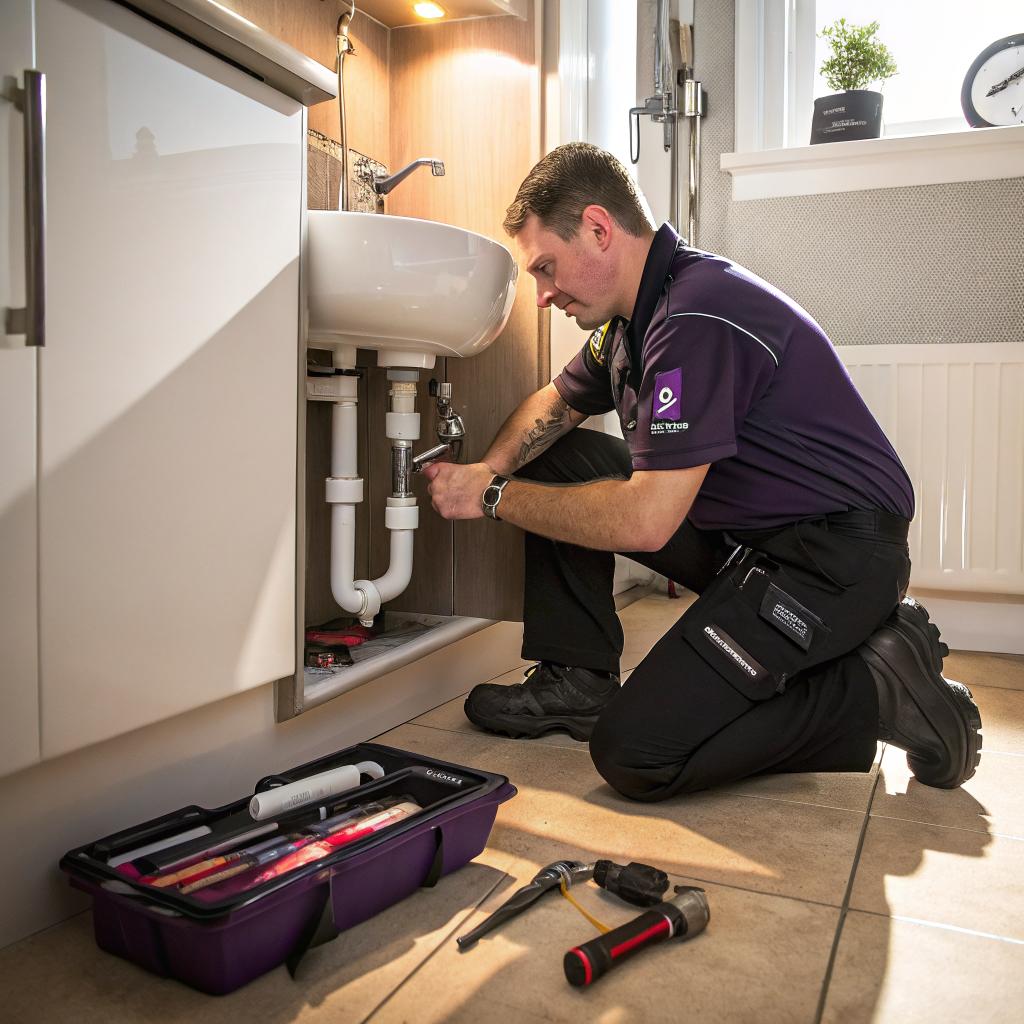

“The fastest way to find a good plumber near me is to call the first one on Google and hope for the best.”
That line is half true and half risky. Yes, searching for a plumber near me is usually the quickest way to get started, but calling the first result without any checks can cost you time, money, and peace of mind. The short answer is this: you can quickly find a solid local plumber by doing three things in order. First, make sure they are real and licensed. Second, skim recent reviews with a bit of healthy doubt. Third, talk to them on the phone and ask a few pointed questions. If you do that, you can move from panic mode to booked appointment in under 30 minutes, without guessing.
I say that as someone who once did call the very first listing and ended up with a half-finished repair, a wet floor, and a plumber who suddenly “had to leave for another job.” That mess taught me that speed is good, but blind speed is not. You do not need a long research project, though. You only need a small system that you repeat each time something leaks, clogs, or bursts.
Finding a plumber feels urgent because plumbing problems never wait for a free afternoon. Pipes burst at 2 am. Toilets back up right before guests arrive. Water heaters quit the day before a holiday. So your brain pushes you toward the quickest option, which is usually a search result or an online ad. That pressure is real. But you still have a few minutes to slow down your decision, even if the water on the floor is growing by the second.
There is also this hidden problem. Plumbing is one of those trades where quality is hard to judge from the outside. You cannot see inside your walls. You cannot see inside your drains. You only see water working or not working. A bad repair might hold for a few weeks, then fail later. That is why you need a way to judge the person, not just the promise.
So let us walk through how someone in a hurry, who still wants a good result, can handle this. We will keep it simple and practical. No magic tricks. Just steps that regular people actually use and that you can repeat every time.
What “best plumber near me” really means for you
When you say you want the “best” plumber, you probably do not mean the most famous one or the one with the biggest truck. You mean something closer to this: a plumber who answers, shows up, fixes the problem the right way, explains what they are doing, and charges a fair price.
For most people, “best” boils down to a mix of:
– Response time
– Skill and reliability
– Clear pricing
– Respect for your home
You might care more about one of these depending on the situation. If a pipe burst and water is spraying, response time might matter more than price, at least at first. If you are planning a bathroom remodel, you probably care more about skill and clear quotes than speed.
You do not need perfection. You need “good and trustworthy enough” for your situation. Keeping that in mind helps you avoid chasing some ideal that does not exist and helps you focus on the few signs that actually matter.
Step 1: Stabilize the emergency before you start searching
This part feels boring, but it might save you hundreds of dollars.
If you have an active leak, a burst pipe, or water flowing where it should not, your first move is not to grab your phone and search. It is to stop or limit the damage. Only then should you start hunting for a plumber.
Most homes have two simple controls:
– A main water shutoff valve for the whole house
– Local shutoff valves under sinks and behind toilets
Turn off water to the problem fixture first. If that does not help, or if the leak is in a wall or ceiling, shut off the main water supply. Yes, that means no water for a while. But it also means your ceiling, floors, and walls are not getting worse every minute.
Once water is off or at least slowed, your mind can work better. You are no longer in pure panic. Now your search for a plumber can be quick and calm instead of frantic and blind.
Step 2: Use search results the smart way
Typing “plumber near me” into a search box is a good start. It pulls up nearby plumbers, often with maps, phone numbers, and reviews. The problem is that the top few results are often ads, not always the best fit for you.
You do not need to scroll for hours, though. You can get most of what you need from the first page if you know what to look for and what to ignore.
Here is one simple approach that many people skip:
Look at 3 to 5 local plumbers, not just 1. Then compare the basic facts: location, reviews, and services offered.
Check:
– Are they clearly local to your area?
– Do they handle the type of work you need, like emergency repair, drain cleaning, water heater, or sewer?
– Do they have real reviews with recent dates?
You can often spot a problem by reading the first few lines of the reviews, scanning for patterns like “did not show up” or “surprise fees.” You do not need to read every review. Just enough to see a pattern.
I find it helps to pick a “shortlist” of two or three plumbers from search, then move to the next step. That alone feels more grounded than putting all your hope into whoever spent the most on an ad.
Step 3: Learn to read reviews like a skeptic
Reviews are helpful, but they can also be messy. Some are fake. Some are emotional. Some praise the plumber because they were friendly, but do not say if the repair lasted.
When you read reviews, you want to look for signals, not perfection.
What to look for in reviews
You might find this table useful as a quick guide:
| Review sign | What it usually tells you |
|---|---|
| Many recent reviews (last 6-12 months) | The business is active and still serving customers. |
| Mentions of “showed up on time” or “came same day” | Good sign for responsiveness and respect for your schedule. |
| Clear stories about a similar problem to yours | They know how to fix your type of issue. |
| Owner or company replies politely to bad reviews | They at least try to fix problems and care about their image. |
| Repeated complaints about surprise charges | Risk of unclear pricing and frustration later. |
| Comments about damage, mess, or rude behavior | Risk to your home and stress for you. |
A plumber with a mix of 4 and 5 star reviews, plus some honest 3 stars, can be more trustworthy than someone with a perfect 5.0 from just a handful of reviewers. Real work produces mixed feedback. That is normal.
If you see a bad review, read it, then see if there is a pattern. One rare bad day is not the same as lots of people having the same complaint.
Step 4: Confirm the basics before you call
You can avoid many problems just by checking a few simple facts before you even pick up the phone. It takes a couple of minutes and can prevent a wasted call.
If a plumber cannot pass a few basic checks, you do not need to overthink it. Move on to the next one.
Things to quickly check on their site or profile:
– Do they list a physical service area that includes your town or neighborhood?
– Do they mention licensing or certification?
– Do they offer emergency or same-day service if you need it now?
– Do they handle your type of work: repair, installation, or just maintenance?
Some regions require plumbers to be licensed or registered. Many plumbers list their license number openly. If you want to be extra careful, you can look up that number on your state or local licensing site. It takes an extra minute, but it can filter out unqualified operators.
If they pass these checks, they belong on your shortlist. Now it is time to talk to a real person.
Step 5: What to ask when you call
The phone call is where you get a sense of how this plumber treats people. It is also where you find out if their pricing makes sense.
You do not need a long script. Just a few direct questions.
Here are some practical questions to ask:
- “Do you serve [your area]?”
- “How soon can you come for a [describe problem briefly]?”
- “Do you charge a call-out or service fee, and how much is it?”
- “Do you price by the job or by the hour?”
- “Can you give me a rough range for this type of work before you come?”
- “Do you guarantee your work, and for how long?”
Listen not only to the answers, but to how they speak to you.
Some things that usually signal a reliable plumber:
– They explain their fees clearly and do not avoid the question.
– They do not promise a final price without seeing the problem, but they give a realistic range.
– They sound calm and used to handling similar issues.
– They treat your questions as fair, not annoying.
If the person on the phone sounds irritated, vague, or rushes you, that might be a hint of how they treat you during and after the job.
Step 6: Compare speed, price, and trust
At this point, you have talked to at least one or two plumbers. Now you need to pick one. It can help to think in terms of three main factors:
| Factor | Questions to ask yourself |
|---|---|
| Speed | How soon can they come? Is that acceptable for your situation? |
| Price | Is the call-out fee and expected range clear and within your budget? |
| Trust | Do you feel they listened, answered clearly, and gave honest expectations? |
You rarely get the very fastest, very cheapest, and very nicest option all in one. You choose the best mix for you. For an emergency, you might accept a higher fee if they can get there in an hour. For a routine job, you might wait a day or two for someone who gives a better quote.
If two plumbers seem similar on paper, trust your gut feeling from the call and the review patterns. Your impression does matter here.
Step 7: Know the difference between emergency and non-emergency jobs
Not all plumbing issues need someone at your door in the next 60 minutes. Knowing the difference can save you from paying high emergency rates when you do not need to.
Common true emergencies
These usually justify calling for urgent help:
– A burst pipe with active leaking that you cannot stop
– A sewer backup where sewage is coming up through drains
– No water in the house at all when there is no known utility work
– Gas line issues connected to water heaters or boilers
– A major leak near electrical wiring or breakers
If you can shut off the water and stop the damage, you might shift from “emergency pricing” to “same-day or next-day” which is often cheaper.
Problems that can often wait a bit
These still matter, but you might have time to compare more options:
– A slow drain in a sink or shower, as long as it is not backing up everywhere
– A dripping faucet that you can shut off at the valve
– A toilet that does not flush well, if you have another working toilet
– A small leak in a visible pipe that stops when you close the valve
Taking even one extra day for these can open up more choices, better scheduling, and maybe lower costs. That said, if something feels like it is getting worse quickly, do not ignore that feeling.
Step 8: Ask about pricing structure before they come
Money is often the most awkward part. Many people feel uncomfortable asking about costs, so they avoid the topic and then feel shocked later. You can prevent most of that by asking the right questions ahead of time.
There are two common pricing approaches:
– Flat rate by the job
– Hourly rate plus materials
Each has tradeoffs.
Flat rate can feel safer for you because you know the full price before work starts, once they see the problem. Hourly can be fair if the plumber works efficiently and you trust them. It can also feel endless if something takes longer than you expected.
Here are a few phrases that might help during the call:
- “Can you walk me through how you charge for a job like this?”
- “What is included in the call-out fee?”
- “Are there any common extra costs I should be aware of for this type of repair?”
You want to avoid surprise add-ons later. Clear talk now often stops awkward talks later.
Step 9: Prepare your home before the plumber arrives
Once you book someone, there are a few simple things you can do before they arrive that make the visit smoother and sometimes even shorter.
Small steps that help:
– Clear the area around the problem. Move boxes, rugs, or storage items so they have access.
– Make sure pets are secure in another room, so they do not get stressed or escape.
– If the issue is with a drain or toilet, avoid using it until they come.
– Take a couple of photos or a short video of the problem in action if it is intermittent, like a slow leak that appears sometimes.
These details might feel small, but they help the plumber see what is going on and start work faster. It also reduces the chance of damage to your belongings.
Step 10: How the visit should feel if you chose well
No repair visit is perfect, but there are some signs that things are going the right way.
Good signs during the visit:
– The plumber arrives within the promised window or calls if they are delayed.
– They look at the problem, ask questions, and explain what they think is happening in plain language.
– Before doing more work than expected, they talk to you about the price and get your consent.
– They protect your floors with drop cloths or similar, especially in messy areas.
– At the end, they show you what they did and test the repair in front of you.
If something feels off, you can speak up. Ask for clarification. Ask why a part needs replacing. Ask how urgent something is if they suggest extra work. A trustworthy plumber will not get upset by normal questions.
Red flags that suggest you should not book them again
It is helpful to know not only what to seek, but what to avoid. You might still go ahead if you are in a tight spot, but you will at least know what happened.
Watch out for:
– Pressure to make a decision “right now” on big extra work that you did not ask for
– Refusal to explain charges or a bill that does not match what you talked about
– No written invoice or record of what was done
– Disrespectful behavior toward you, your family, or your home
If too many of these show up, you can decide to look for someone else next time. Plumbing is personal because it involves your home. Your comfort with the person matters.
Planning ahead so next time is easier
One of the best ways to “quickly find the best plumber near me” is to not start from zero every time something breaks. You can build your own small list of trusted contacts.
After a good experience with a plumber, you can:
– Save their number in your phone with a clear label.
– Keep their business card or details in a drawer or digital note.
– Ask them what other services they handle, for future needs.
– Note how the pricing worked out so you remember what to expect.
If you know at least one plumber you are comfortable with, the next problem becomes simpler. Your search goes from “I have no idea who to call” to “Let me try my go-to person first, then look for a backup if they are booked.”
It is a small step, but it makes future emergencies feel less overwhelming.
Common questions about finding a local plumber, answered
How many quotes should I get before choosing a plumber?
For a real emergency, one or two is usually enough. You do not have time for five. For planned work, like replacing a water heater or remodeling a bathroom, getting two or three quotes can help you see the normal price range and spot anything that looks far too high or surprisingly low.
If one quote is much lower than the others, ask more questions. Sometimes a low price hides fewer included services or cheaper parts.
Is the highest rated plumber always the best choice?
Not always. A plumber with glowing reviews might be great, but they might also be very busy or more expensive. A slightly lower rated plumber with many solid reviews and a fast response time could be a better match for you.
Look at recency, response time, and how they talk to you, not just the number.
Should I always pick the cheapest option?
No. The cheapest option is not always bad, but price alone is a weak guide. You are paying for skill, parts, and reliability. If a quote is lower than others by a big margin, ask yourself why. Are they using lower quality materials? Are they skipping permits that might be required in your area?
Reasonable pricing that fits your budget, with clear explanations, is more valuable than a rock-bottom number with many unknowns.
What if the plumber finds a bigger problem after they start?
This does happen. A simple leak might reveal corroded pipes. A clogged drain might reveal roots in the sewer line. When that happens, a good plumber will pause, show you the issue, explain your options, and give a new price or range before going further.
You can ask:
- “Can you show me where you see the problem?”
- “Is this urgent or can some of it wait?”
- “What are the pros and cons of each option?”
That way, you are part of the decision, not just receiving a surprise bill.
How can I tell if a quote is fair if I know nothing about plumbing?
You do not need deep technical knowledge. You can judge fairness by:
– Comparing at least two quotes for the same type of work
– Making sure both include similar parts, permits, and cleanup
– Seeing if the plumber can break down what you are paying for in plain language
If they cannot explain a cost in simple terms, that is not a good sign.
What should I keep from the visit for my records?
Keep:
– The invoice or receipt with a description of the work
– Any warranty information on parts or labor
– Photos of the work area, especially if walls or floors were opened
These can help if you have issues later or if you sell the house and want to show what was done.
Is it rude to say no to extra work they suggest?
No. You can thank them for pointing out issues and still say you want to wait or get another opinion. It is your house and your money. Some extra work is truly urgent, but some is just “nice to have” or something that can be planned for later.
If they react badly to you saying “I need time to think,” that itself is useful information about how they do business.
How fast should I expect a plumber to arrive in a real emergency?
This depends on your area and time of day, but for a serious emergency, many plumbers aim to arrive within a few hours, sometimes within one. At night or on weekends, response times can be longer. When you call, ask directly: “When would you expect to arrive?” and decide if that works for you.
If they cannot give you any clear window, you might want to keep calling others.
Can I use the same plumber for everything?
Often yes, but not always. Some handle only general residential work. Others also handle gas lines, remodels, or commercial projects. After a good experience, you can ask what else they cover. If they do not handle certain work, ask if they recommend someone they trust. Many tradespeople know others in related fields.
What is one thing I should remember next time I search for a plumber?
Maybe this:
Take 10 extra minutes to check reviews, confirm basics, and ask clear questions before you book. Those 10 minutes now often save you hours of stress and years of frustration later.
