

“If your Temecula drains are slow, you can just pour in more drain cleaner and it will fix itself.”
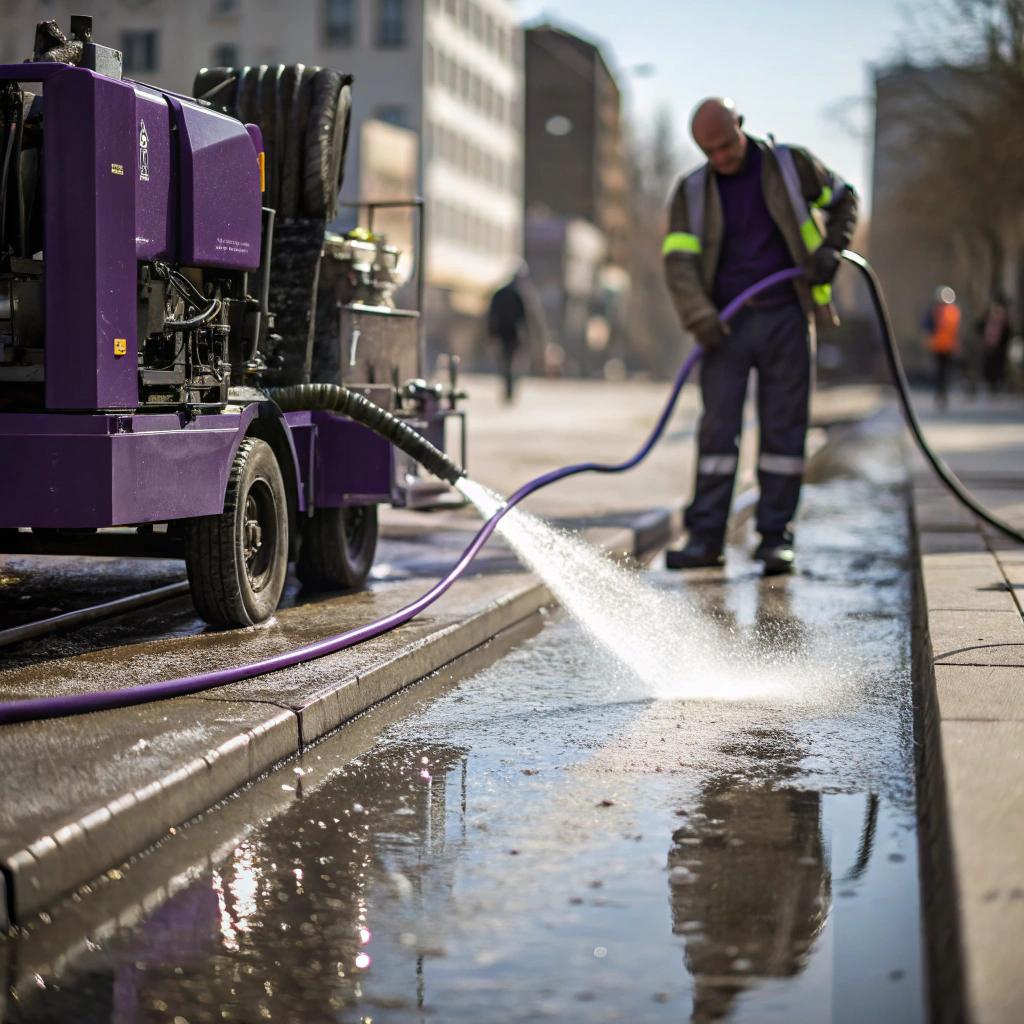
That line is false, and honestly a bit dangerous. If your drains in Temecula are backing up or clogging over and over, the fast and thorough solution is usually not another bottle from the store. It is often a professional service like hydro jetting Temecula, where a plumber in Lake Elsinore CA blasts the inside of your pipes with high pressure water to clear out grease, roots, and built‑up sludge so the line is actually clean, not just temporarily open.
So, what is hydro jetting in plain language?
It is a method plumbers use to deep clean drain and sewer lines with a special hose and nozzle that sprays water at very high pressure. Think of it as a pressure wash for the inside of your plumbing pipes. The water cuts through grease, food waste, scale, and even small tree roots. The goal is not just to punch a small hole through a clog, but to scrub the pipe wall so the line flows like it did when it was new, or close to that.
Some people worry it sounds a bit extreme. High pressure, strong stream, heavy equipment. Maybe you feel that way too. I get it. It sounds aggressive. But when it is done correctly by a trained plumber, hydro jetting is actually one of the safest and cleanest ways to restore a drain line, especially in areas like Temecula where you might have older homes mixed with newer construction and a lot of kitchen use, yard trees, and even hard water.
You might be wondering if it is overkill for a simple clog. Sometimes it is. Sometimes a basic snake is enough. There is no one single answer for every home. Still, if you keep having slow drains, gurgling toilets, or that faint sewer smell in the yard, then a quick snake is usually not fixing the real problem. It is more like poking a straw through a dirty cup and pretending the cup is clean.
Hydro jetting is not just about getting water moving again; it is about removing the gunk that caused the problem in the first place.
So let me walk through how it works, when it is smart to use it, when you should skip it, and a few Temecula specific details that people rarely mention but really should.
What Hydro Jetting Actually Is (Without The Jargon)
Hydro jetting uses a flexible hose connected to a machine that sends water through the line at very high pressure. The plumber feeds the hose through a cleanout or an access point in your plumbing system, then turns on the machine.
At the end of the hose is a nozzle with several small jets.
Some of the jets point forward to break up clogs.
Some point backward to pull the hose deeper into the pipe and scrub the walls.
The water pressure can often range from about 1,500 psi to over 4,000 psi, depending on the pipe size and the condition of your system. That is strong enough to cut through layers of grease and scale that a normal cable or store-bought tool cannot do much about.
The basic idea is simple:
The nozzle goes into the pipe.
Water jets fire in several directions.
The jets loosen and flush out debris.
The dirty water, grease, and sludge wash out of the pipe and into the sewer system.
No harsh chemicals. No repeated snaking for the same clog over and over.
It sounds almost too simple, but that is part of why it works so well. Mechanical tools like snakes are great at punching through a blockage in the middle. They are less good at scraping the full inner surface of the pipe. Hydro jetting does both at once.
Why Hydro Jetting Makes Sense For Temecula Homes
Temecula has a mixed range of houses and small businesses. Some have older clay or cast iron sewer lines. Others have newer ABS or PVC plastic pipes. There are hills, tree lined streets, and a lot of people who love to cook at home or host parties.
All of that can be rough on drains.
You tend to see a few repeat problems in this area:
Grease from kitchens, especially from frequent cooking.
Soap and hair in bathroom drains.
Mineral buildup from hard water.
Tree roots in older sewer lines.
Standard snaking helps, but often just enough to kick the problem down the road.
Hydro jetting, when used on a suitable pipe, goes further. It clears the blockage and cleans the pipe. That means fewer surprises on a holiday weekend, or fewer times calling someone out late at night because the main line backed up again.
Here is a simple comparison that helps make sense of hydro jetting versus snaking.
| Method | What It Does | Best Use | Limitations |
|---|---|---|---|
| Snaking (Drain Cable) | Breaks a hole through the clog | Simple, single clog near a fixture | Often leaves grease and buildup on pipe walls |
| Hydro Jetting | Washes and scrubs full length of the pipe with water | Recurring clogs, heavy grease, scale, root intrusion | Not ideal for very fragile or badly broken pipes |
So if your Temecula house or business has a single bathroom sink that is slow, a quick snake might be fine. If your whole house backs up at the lowest drain every few months, that is a strong sign of a problem in the main line where hydro jetting often makes much more sense.
How A Hydro Jetting Visit Usually Goes
Some people picture a huge mess, like hoses running through the living room and water everywhere. That is not how a normal visit looks. The process is more controlled than that.
Here is the usual flow for a typical home in Temecula.
1. Inspection And Questions
The plumber will ask what you notice:
Which drains are slow?
Does the problem come and go?
Any gurgling sounds in tubs or showers?
Has the yard been soggy or smelly?
They might do a simple flow test by running water and watching how fast it drains.
If the issue seems to be in the main line, they often recommend a camera inspection. The camera goes into the line through a cleanout, so they can see what they are dealing with before they start blasting water through it.
2. Camera Check
The camera video helps answer a few key questions:
Is there a major break, sag, or offset in the line?
Is the clog mostly grease, paper, or scale?
Are there visible tree roots?
Is the pipe material clay, cast iron, or plastic?
If the camera shows a collapsed line, or heavy damage, hydro jetting might not be safe. You do not want to wash more soil into a broken spot and make a sinkhole in your yard. In that case, repair or replacement comes first.
If the pipe looks intact but dirty, or shows root intrusion through joints, hydro jetting becomes a strong option.
3. Setting Up The Jetting Machine
The plumber connects a hose from a jetting machine to a water supply and to your drain access.
Usually they use an outdoor cleanout or sometimes access through the roof or a pulled toilet, depending on the layout.
They choose a nozzle type based on your pipe size and the type of clog. Some nozzles are better for roots, others for grease, others for general cleaning.
They set the water pressure level to match your pipe condition. Old, thin pipes do not need the same intensity as a newer, thicker PVC line.
4. Running The Jet
The hose feeds into the line slowly.
As water flows, the backward jets help pull the hose farther in, while the forward jets cut through debris.
The plumber will usually make several passes.
A forward run to reach the end of the dirty section.
A slow pull back to flush material toward the main sewer.
Sometimes a second or third pass if the first round brought out a lot of sludge.
During the work, it can sound a bit loud at the machine, but inside the house you mostly hear normal pipe water sounds, not something wild.
5. Final Camera Check
After a full cleaning, many plumbers run the camera again.
The second look helps confirm that:
The clog is gone.
The pipe walls are cleaner.
There are no new visible cracks or weak spots.
Then they test your fixtures again. Toilets flush better, tubs drain faster, sinks clear without burping or backing up into a nearby shower.
Good hydro jetting work feels a bit like getting your drains “reset” instead of just “patched.”
When Hydro Jetting Is A Good Idea
You do not need hydro jetting for every minor clog. That would be like calling a painter every time there is a small scuff on a wall. There are clear signs when it is a smart choice though.
Recurring Main Line Clogs
If more than one fixture backs up at the same time, and this keeps happening every few months, the main sewer line is often the culprit.
For example:
Water backs up into the shower when you run the washing machine.
Toilets bubble and gurgle when a sink drains.
The lowest floor tub fills with dirty water out of nowhere.
A basic snake can poke a gap through debris. That may buy time, but it often leaves a ring of grease and sludge. Each time you use the plumbing, more waste sticks to that greasy layer. After a while, you are back where you started.
Hydro jetting clears that layer, so your pipe is smooth inside again and waste has a harder time clinging to it.
Heavy Kitchen Grease
Temecula has many homes where the kitchen sees a lot of use. Grease from frying, cooking oil from pans, even fat that looks “liquid” when hot can cause real trouble.
Over time, that grease cools and hardens along the inside of the pipe. Dish soap can help a bit on the surface, but inside the line it still tends to coat and thicken.
Hydro jetting is one of the best ways to cut and wash away hardened grease buildup, especially on longer kitchen lines that run under slabs or long stretches of yard.
Root Intrusion
Roots seek water. Sewer lines carry water. When there is a tiny crack or loose joint in a pipe, roots can sneak in and grow.
A standard cable can cut and tangle roots, but it often leaves fuzzy ends behind. Those ends grab debris like a net.
Hydro jetting with a proper root cutting nozzle can slice and flush those roots much more thoroughly. It will not “kill” the tree or stop roots forever, but it gives you a cleaner starting point, often paired with a root control treatment if needed.
Heavy Scale Or Mineral Buildup
Older cast iron or galvanized pipes can build up scale over the years. Temecula water can be on the hard side, so mineral deposits also play a role.
Scale makes the pipe narrower and rougher inside. That slows water and catches debris.
High pressure water can chip and wash off much of this scale layer, regaining some of the lost pipe diameter and improving flow. It is not magic, but it often helps extend the useful life of older lines.
When Hydro Jetting Might Not Be The Right Move
Hydro jetting is powerful. Like any strong tool, it has limits.
Here are a few situations where a good plumber will likely pause or suggest another approach.
Severely Damaged Or Collapsed Pipes
If the camera shows a section of pipe that has collapsed, is heavily cracked, or has a large section missing, forcing high pressure water through can move soil, break more pipe, or cause a bigger problem.
In those cases, the priority is repair:
Spot repair for small sections
Pipe bursting or trenchless replacement
Traditional trench work if needed
Sometimes, after repairs, hydro jetting the rest of the line still makes sense. But the repair comes first.
Very Old, Fragile Lines
Some older clay or thin cast iron lines in Temecula areas can be weak. If the pipe wall is extremely thin or flaky, strong jetting can be risky.
Here, the plumber might:
Use lower pressure settings
Avoid certain nozzles
Rely more on gentle cleaning or targeted repairs
It is not that hydro jetting is always off the table. It just needs more caution.
Small, Isolated Fixture Clogs
If you have:
One bathroom sink clogged with hair
A tub with a kid toy stuck in the trap
A kitchen sink with food caught near the p-trap
Hydro jetting would often be too much. A hand auger, small cable, or simple trap cleaning is simpler, cheaper, and more direct.
Hydro jetting shines more for main lines or long branch lines with deep built-up debris, not simple shallow problems.
Hydro Jetting Safety: Will It Hurt Your Pipes?
This is one of the most common concerns:
Will hydro jetting destroy my plumbing?
When done correctly, the answer is no. High pressure water can be adjusted. It is not a fixed, one level blast. A professional chooses a pressure setting and nozzle that matches your pipe material and condition.
Some key safety points:
Camera inspection first whenever possible.
Avoid jetting into known breaks or collapses.
Adjust pressure for older pipes.
Use nozzles suited for the job, not generic hardware.
If your pipes are in fair shape, hydro jetting often leaves them in better condition than before, because they are cleaner and less stressed by clogs.
The real risk often comes from ignoring chronic clogs, not from cleaning them correctly.
Repeated backups can cause:
Sewage exposure inside your home
Moisture damage to flooring and walls
Mold growth
Extra strain on old pipes from standing water and pressure
So while it is wise to ask questions and be cautious, avoiding a proper fix just because it sounds strong can sometimes be the bigger problem.
Hydro Jetting Cost Factors In Temecula
Prices vary by company, line length, and access points, so I will avoid hard numbers here. Instead, look at what affects the price.
1. Location And Access
If there is a cleanout in a simple spot, the job is easier.
If the plumber has to pull a toilet, go on the roof, or work around awkward yard features, that can add to time and cost.
2. Line Length And Complexity
A small home with a short main line is quicker to clean than a large property with multiple long runs or complicated branching.
3. Condition And Type Of Clog
Light grease buildup takes less time than thick, solidified grease mixed with roots and scale.
Very dirty lines might need multiple passes and more camera checks.
4. Extra Services
Camera inspection
Root treatments
Spot repairs
Some companies bundle these services, others list them separately. When you call, it helps to ask:
Is camera inspection included?
Is the price flat or hourly?
Does the quote cover both the jetting and cleanup?
Hydro jetting is usually more expensive than a basic snaking visit. But if it removes the cause of repeated clogs, it can be cheaper over a few years than paying for 3 or 4 emergency calls and cleaning up repeated water damage.
Hydro Jetting For Homes vs Small Businesses
Temecula has a lot of small restaurants, wine tasting rooms, and retail spaces. Many of these have tougher drain demands than the average home.
Hydro jetting is common for:
Restaurants with heavy cooking grease
Commercial kitchens
Properties with shared bathrooms and frequent use
In those locations, maintenance jetting is often scheduled on a routine basis, not just when there is a clog.
For example:
A restaurant might schedule jetting every 6 to 12 months.
A busy office might schedule every 1 to 2 years.
The idea is to keep lines clear before a big backup happens during peak hours.
For homes, as-needed jetting is more common. You might not need it yearly. Instead, you do it when symptoms appear.
Signs Your Temecula Home Might Need Hydro Jetting Soon
You do not need to be a plumber to notice early warning signs. Here are things worth paying attention to over a few weeks, not just one day.
Slow Drains In More Than One Room
One slow sink is often local.
Slow drains in:
Kitchen
Hall bath
Master shower
often point to a bigger issue in the shared line.
Gurgling Sounds
If a drain talks back when another one is used, that suggests air and water fighting for space in the pipe.
Examples:
Toilet gurgles when you run the shower
Tub gurgles when the washing machine drains
This can suggest partial blockage, poor venting, or both. A camera inspection can help sort it out.
Recurring Smells
Sewer or rotten smells near floor drains, tubs, or low points in the yard can mean trapped waste or leaks.
Hydro jetting alone will not fix a broken pipe, but it can remove the buildup that causes odor in an intact line.
Repeated Use Of Store Cleaners
If you catch yourself buying drain cleaner every month, that is a red flag.
Chemical cleaners can:
Damage older pipes
Eat away at rubber seals
Generate heat in the line
And they rarely address deeper root or heavy grease issues.
If you feel stuck in that loop, a hydro jetting visit plus an inspection can break the pattern.
How To Prepare For A Hydro Jetting Visit
You do not need to do much. Still, a few small steps can make the visit smoother.
Clear Access Points
Try to clear:
The area around the main cleanout
The path from the driveway to that cleanout
Any bathrooms where the plumber might need to test fixtures
If the cleanout is hidden by bushes or stored items, moving those in advance saves time.
Know Your Symptoms
It helps if you can tell the plumber:
When the clogs started
Which fixtures clog first
Whether backing up is worse during heavy water use
If you notice patterns, even if they seem small, share them. They help narrow down whether the main line, a branch line, or vents might be involved.
Ask About Camera Recording
If a camera is used, ask if you can get the video or at least a snapshot of problem spots.
Having a record helps if you ever need future work, or want a second opinion.
Can You Hydro Jet Pipes Yourself?
Some homeowners like to handle repairs on their own. That can work well for many tasks, but hydro jetting is tricky to do safely at home.
Consumer grade “jetter” attachments for pressure washers exist, but:
They rarely reach the pressure or flow of a professional machine.
They often lack proper nozzles for serious clogs.
Without a camera, you cannot see if you are blasting into a broken or sagging line.
There is also a risk of water backing up into the home if you misjudge where to insert the hose or how fast to feed it.
For simple maintenance on small lines, DIY tools can help a bit. For main line cleaning with real blockages, professional hydro jetting is usually the better route.
Hydro Jetting And Long Term Drain Care
One nice side effect of a thorough jetting is that it puts your plumbing system in a cleaner state. You can then change habits going forward to keep it that way longer.
Some practical ways to help:
Throw grease and fat into the trash, not the sink.
Use sink strainers to catch food particles and hair.
Spread out laundry loads so the system does not get slammed all at once.
Watch for roots near older sewer lines and consider removing or managing problem trees.
Remember, hydro jetting is not magic. It does not make pipes new again. But it makes them cleaner, so simple good habits work better for a longer time.
Common Questions About Hydro Jetting In Temecula
Is hydro jetting safe for PVC pipes?
Yes, when done by a trained plumber who sets the right pressure level. PVC in good condition handles hydro jetting well. The main concern is not the material itself, but existing cracks or weak spots. That is why camera inspections matter.
Will hydro jetting fix bad smells from my drains?
If the smell comes from buildup inside the pipes, hydro jetting often helps a lot. It removes the trapped waste that feeds bacteria and odor. If the smell is from a broken pipe, a dry trap, or a vent issue, jetting alone will not solve it, so the plumber needs to diagnose that first.
How long does a typical hydro jetting job take?
For a standard single family home with good access, you might expect a couple of hours, give or take. That includes setup, jetting, and testing. If the line is very dirty or long, or repairs are needed, it can take longer.
Will my yard be torn up?
Usually no. Hydro jetting works through existing access points like cleanouts. If your home does not have a cleanout and one needs to be installed, there might be some digging in one spot, but that is not part of every job.
How often should I hydro jet my drains?
For many homes, it is not a yearly thing. You might only need it when real symptoms appear. Some properties with heavy use, like restaurants or large families that cook a lot, may benefit from a regular schedule. If you just had a severe clog cleared, your plumber can suggest whether a routine plan makes sense or if waiting and watching is fine.
Can hydro jetting remove all roots?
It can remove most roots that have grown into the pipe, at least the parts inside the line. New roots can grow back through the same openings over time. Sometimes jetting is combined with root control products or followed by pipe repair to seal the entry points.
Is hydro jetting messy inside the house?
In normal cases, no. The work happens at the cleanout or outside access. Drains inside are tested, but water stays in the fixtures. If a line is very full at the start, the plumber may take steps to relieve pressure and protect floors before jetting.
What if I am not sure whether I need hydro jetting or just a snake?
Tell the plumber your full set of symptoms and history. How often clogs happen, whether more than one drain is involved, any smells, any gurgling. A good plumber will explain your options simply, not push the most expensive one by default. Sometimes a camera and a basic cable job are enough. Sometimes going straight to hydro jetting saves you from a cycle of repeat visits.
If you had to sum it up for Temecula: hydro jetting is not a magic cure for every minor clog, but for recurring, whole house drain issues, heavy grease, or stubborn roots, it is usually the most thorough way to get your drains truly clean and flowing again.
