
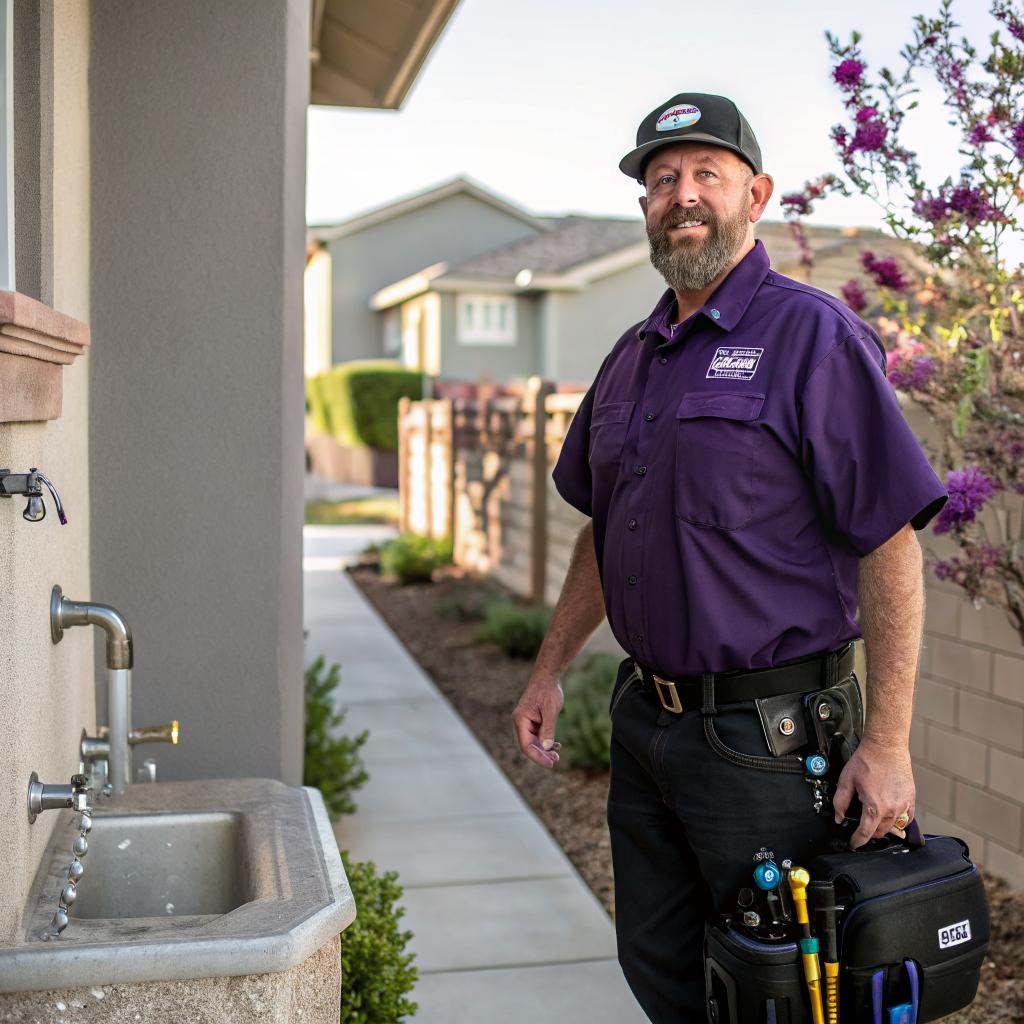

“Most plumbing issues can wait a few days. You rarely need a plumber the same day.”
That sounds nice in theory, but it is usually false. Many problems need attention right away, or they quickly turn into bigger repairs. If you are dealing with a leaking pipe, an overflowing toilet, or no hot water, you probably need a trusted plumber in Lake Elsinore CA.
Some issues are clear emergencies. Water where it should not be is usually the main one. Gas is another. Then there are problems that are “urgent enough” because they affect your daily life.
Here are a few situations where waiting is usually a bad idea:
Active leaks and flooding
If you see water actively dripping, spraying, or pooling, you should act quickly. It might seem obvious, but people still wait, hoping it will stop on its own.
Common examples:
– A burst pipe in a wall or ceiling
– Water pouring from under the sink
– Hot water heater leaking onto the floor
– Water stains on the ceiling that keep growing
Even a slow drip can cause serious damage over time. It soaks wood, drywall, insulation, and flooring. Then you may deal with mold, warped boards, and soft spots under your feet. A quick response from a local plumber usually costs far less than repairing walls and floors later.
Sewer backups and bad smells
If sewage is backing up into tubs, showers, or toilets, that is not something to ignore. It is messy, unhealthy, and frankly, unpleasant to live with.
Signs you may have a serious sewer or drain issue:
– More than one drain is clogged at the same time
– Flushing one toilet makes water rise in another
– You hear gurgling in drains when you run water
– You smell sewage or rotten egg odors inside the house
These problems often point to a blockage in the main line, not just a little hair in the shower drain. A trusted plumber can clear the line with proper equipment instead of you trying random chemicals that may or may not help.
No water or no hot water
Having no running water, or only very weak water flow, is a quality-of-life issue. You cannot cook, clean, shower, or flush normally.
Total loss of water can come from:
– A main line issue
– A hidden leak
– A supply valve problem
– A problem with the water meter or city connection
No hot water can point to:
– Water heater failure
– A bad thermostat
– A failed heating element or burner
– Gas supply or venting issue
I think everyone has had at least one cold shower they did not plan for. Once is tolerable. Several days of it gets old very quickly.
Gas line concerns or strong odors
Plumbers in Lake Elsinore often handle gas line work too. If you smell gas, hear a hissing sound near a line, or suspect a leak, this is urgent. This is not something to diagnose alone while watching videos.
In that case, you should:
– Leave the area if the smell is strong
– Avoid turning lights or appliances on or off
– Call your gas company and an emergency plumber
It is one of those problems where being too cautious is better than being casual.
If you are not sure if it is an emergency, call and describe what you see, hear, and smell. A good plumber will tell you honestly whether it can wait or not.
Common plumbing problems in Lake Elsinore homes
Homes in Lake Elsinore are a mix of older and newer builds. That mix brings a variety of plumbing setups. Some homes have older galvanized pipes, some have copper, and many newer ones use PEX.
Because of that, plumbers in this area see a wide range of issues, from small annoyances to serious system failures.
Clogged drains and recurring backups
Kitchens, bathrooms, and laundry rooms all feed into the same general system, so habits in one room affect others.
Typical causes:
– Grease and food debris poured down sinks
– Hair and soap scum in bathroom drains
– Flushable wipes, which are not really flushable in practice
– Tree roots breaking into older sewer lines outside
That last one surprises a lot of people. Roots love tiny cracks in pipes. They grow into the pipe, pick up more debris, and then you get slow drains or full blockages.
Plumbers often clear these clogs with augers, drain machines, or hydro jetting. The method depends on how bad the clog is and what type of pipe you have.
Water pressure problems
If water pressure is too low, showers feel weak and filling a pot takes forever. If it is too high, pipes and fixtures wear out faster and may start to leak.
Causes of low water pressure can include:
– Sediment buildup in pipes or fixtures
– Partially closed shutoff valves
– A failing pressure regulator
– Problems with the main supply line
High pressure often comes from a faulty pressure-reducing valve. You may not notice it until hoses burst or fixtures start leaking sooner than you expect. A plumber can check the pressure with a simple gauge and adjust or replace the regulator if needed.
Toilet issues that keep coming back
A toilet that runs all the time is not just annoying. It wastes water and shows that some part inside is not sealing or filling correctly.
Typical toilet problems:
– Constant running or ghost flushing
– Weak flush that needs more than one try
– Rocking or loose toilet base
– Water pooling around the bottom
A loose toilet can also let sewer gas leak into the room, even if you do not see much water. It is not something to leave for months.
Water heater troubles
Water heaters usually sit quietly in the corner of a garage or closet, and people forget about them until there is a problem.
Common signs of trouble:
– Not enough hot water
– Water that is too hot or changes temperature suddenly
– Rusty or cloudy hot water
– Rumbling or popping sounds
– Leaks at the base
Many water heaters last about 8 to 12 years. In real life, some last longer, some shorter. It depends on water quality, maintenance, and luck. Plumbers in Lake Elsinore deal with both tank and tankless models, and the needs are a bit different for each.
If your water heater is older than 10 years and you see rust or water around it, start planning for replacement before it fails on a weekend or during a holiday.
How to tell if you can wait until tomorrow
Not every drip needs a same-day visit. Some issues are annoying but stable enough that you can schedule service in a day or two.
You might be okay to wait if:
– The leak is very slow, in a bucket, and you can shut a valve
– A single sink drains slowly, but other drains are fine
– A toilet runs sometimes, but you have another working toilet
– A faucet handle is loose, but not leaking badly
– You hear occasional mild pipe noise, but no water appears
In these cases, shutting off local valves, cleaning small clogs with a simple tool, or avoiding the problem fixture for a short time might hold you over.
Still, I would not push it for weeks. Small plumbing issues have a habit of choosing the worst possible time to get worse.
What a “trusted” plumber in Lake Elsinore really means
Everyone says they are trusted, reliable, professional, and all that. The word loses meaning when every company uses it in ads.
So it helps to spell out what trusted should mean in real life.
Clear communication before they arrive
If you call a plumber and get vague answers, that is usually a red flag. You should expect:
– A straight answer about availability today or tomorrow
– A ballpark window for arrival
– A simple description of their service fee or trip charge
– Honest information about emergency or after-hours rates
No one can quote an exact price for a job they have not seen, and if someone pretends they can, I would be a bit cautious. But they can explain how their pricing works.
Obvious licensing and insurance
In California, a plumbing company should have:
– A valid state license number
– Proof of insurance
You can ask for this. You are not being difficult. You are protecting your home. If a plumber seems annoyed that you asked, that might tell you something.
Respect for your home
This part is simple but matters:
– Wearing shoe covers or being careful with flooring
– Laying down drop cloths for messy jobs
– Cleaning up debris, cut pipe pieces, and packaging
– Explaining what they did in normal language
Small details like wiping down a work area make a big difference in how you feel when they leave.
Transparent estimates and no pressure
Once they look at the problem, a trusted plumber should:
– Explain the issue in clear terms
– Offer options when possible, not just the most expensive choice
– Tell you what might happen if you delay the repair
– Give you a written estimate before starting major work
Some repairs only have one realistic option. A burst pipe in the wall, for example, needs to be fixed, not “watched.” Other times, you might choose between repairing an old water heater or replacing it. That is where options matter.
What services a Lake Elsinore plumber usually offers
Most local plumbing companies provide a core set of services that cover what homeowners face most often. The exact list varies, but you will usually see things like:
Leak detection and pipe repair
This includes:
– Finding hidden leaks in walls, ceilings, or slabs
– Fixing broken or cracked pipes
– Replacing sections of old or corroded pipe
– Dealing with hose bibs and outside lines
Some leaks are obvious, like a spray under the sink. Others are hidden and only show up as higher water bills or damp spots. Plumbers may use moisture meters, cameras, or other tools to locate them.
Drain and sewer cleaning
Drain cleaning covers:
– Kitchen and bathroom sink clogs
– Shower and tub blockages
– Main line clearing when multiple drains back up
– Removing tree roots and heavy buildup in main sewers
Methods can include:
– Hand augers for small clogs
– Power snakes for tougher blockages
– Hydro jetting for heavy grease, scale, or roots
Fixture repair and replacement
This covers the visible parts of your plumbing:
– Faucets and shower valves
– Toilets
– Sinks and disposals
– Hose bibs
– Laundry hookups
Sometimes a simple repair is enough. Sometimes replacing an old, leaking faucet is smarter than rebuilding it.
Water heaters
Plumbers commonly:
– Repair gas and electric water heaters
– Replace old or leaking units
– Install tankless systems
– Flush tanks to reduce sediment buildup
– Check temperature, pressure, and safety valves
Many people wait until their water heater fails completely. Then they have to pick a new one under pressure. Planning replacement even 3 to 6 months early gives you more control over cost and type.
Emergency vs standard plumbing visits
The timing affects both your options and your cost. It helps to understand what you are really paying for.
Here is a simple comparison:
| Type of visit | When it happens | Typical reason | What to expect |
|---|---|---|---|
| Standard / scheduled | Weekdays, normal business hours | Maintenance, small leaks, slow drains, minor repairs | Lower rates, more flexible scheduling, more time to discuss options |
| Same-day urgent (business hours) | Same day during normal hours | Active leaks, backups, no hot water, moderate emergencies | Higher than a standard visit, but usually less than late-night emergency rates |
| After-hours / emergency | Nights, weekends, holidays | Serious leaks, sewer backups, gas concerns, flooded areas | Highest rates, faster response, focused on stopping damage first |
Sometimes you can lower your cost by stabilizing the problem until normal hours. For example, shutting off a valve to a leaking sink and using a different bathroom overnight.
What you can do before the plumber arrives
While you are waiting, there are a few simple steps that protect your home and help the plumber work faster. Just stay within your comfort level and do not take risks.
Find and use shutoff valves
Most fixtures have their own small shutoff valves. Look:
– Under sinks for hot and cold valves
– Behind toilets near the floor
– Near the water heater
– Outside near the main supply
Turning these off can stop leaks or at least slow them. If the leak is serious and you cannot find a local valve, you can shut off the main water valve to the whole house.
Clear the work area
It sounds simple, but it makes a difference. Move items under sinks, around the water heater, or near the affected area. Pets should be secured in another room, both for their safety and the plumber’s.
Take a few photos or notes
Sometimes the problem comes and goes. If you can, take photos or short videos of:
– Water backing up into tubs or sinks
– The spot where water first appeared
– The face of the water heater label (model and serial number)
This can help the plumber understand what is happening, even if the symptom is not active the second they walk in the door.
How to avoid the same plumbing problem again
It is nice to fix the immediate issue, but most people do not want to keep calling for the same thing every year. A little prevention pays off more than it sounds, and it is not all about yearly contracts or anything like that.
Simple habits that help a lot
Some small changes around the house can reduce plumbing trouble:
– Do not pour grease down the sink. Let it cool and throw it away.
– Use drain strainers in showers and sinks to catch hair and debris.
– Skip “flushable” wipes. Trash them instead.
– Do not hang heavy items on shower fixtures or handles.
– Run hot water after using the disposal to help clear the line.
These sound basic, and they are, but plumbers see these same causes over and over.
Regular checks you can do yourself
Once every few months, you can:
– Open cabinets under sinks and feel for dampness
– Look at ceilings under bathrooms for stains or bubbles
– Check around the water heater for rust or moisture
– Flush toilets and look for wobbles or slow refills
– Listen for water sounds when no fixtures are in use
If you hear water and nothing is on, you might have a hidden leak, especially if you also notice changes in your water bill.
When professional maintenance makes sense
There are times when having a plumber come out on purpose, before a problem, is helpful:
– If you own an older home with original plumbing
– If you have had several drain clogs in the same year
– If your water heater is older and has never been flushed
– If you see signs of corrosion on pipes or valves
They can inspect key points, test pressure, and spot small issues before they become big ones.
Preventing every plumbing issue is not realistic, but reducing the number and the severity is very possible with a mix of better habits and occasional checkups.
What to expect during a typical visit
Many people feel uneasy about having a stranger work on their home. Knowing the basic flow of a visit can ease that feeling a bit.
Arrival and basic questions
When the plumber shows up, they will usually:
– Confirm your name and the problem you described
– Ask about when it started and how it has changed
– Look at the affected area first, then related fixtures
Try to give clear, honest answers, even if you feel awkward about something, like flushing the wrong item. They have seen it all.
Diagnosis and explanation
Next, they will:
– Test fixtures, drains, or valves
– Possibly remove access panels or look under sinks
– Use tools such as cameras or gauges if needed
They should then explain:
– What they found, in simple terms
– What needs to be done
– How long it will likely take
– Any parts they need to bring in or order
If something does not make sense, ask them to go over it again. You are not being a bother. It is your house.
Repair and cleanup
During the work, some noise, dust, or water is normal. Good plumbers try to keep this controlled. After the repair, they should:
– Test the system again
– Show you what changed
– Clean up the area reasonably
– Give you any relevant paperwork or notes
Keep any receipts or notes about what was done. They can help later if you sell the house or face a related issue.
Questions people often ask about Lake Elsinore plumbers
Can I really wait until tomorrow, or do I need someone right now?
Ask yourself:
– Is water flowing where it should not be?
– Is there any sign of sewage or strong odors?
– Are safety issues involved, like gas or electrical exposure to water?
If you answer yes to any of these, treat it as urgent. If it is a slow, controlled problem and you can shut off a valve, you might safely wait until the next business day. When in doubt, call and describe the situation. A good plumber will not push you into emergency service if it is not needed.
Why do plumbers charge extra for emergency calls?
Emergency work pulls someone away from scheduled jobs and often happens at night or on weekends. The higher rate covers overtime, travel, and the disruption to the normal schedule. You are paying partly for speed and availability at inconvenient times.
Are drain cleaning chemicals a good idea?
Some over-the-counter products can help with very light clogs, but they also can:
– Damage older pipes
– Make the area unsafe to work on if they do not clear the clog
– Push the problem further down the line instead of solving it
If a clog is recurring or affects more than one drain, chemicals are usually a poor approach. A mechanical clearing done by a plumber is safer and more complete.
How do I know if I should repair or replace my water heater?
Think about:
– Age of the heater
– Severity of the problem
– Cost of repair versus cost of replacement
– How long you plan to stay in the home
If the heater is under 8 years old and has a simple part failure, repair often makes sense. If it is older than 10 and leaking from the tank, replacement is usually the smarter choice.
What should I ask a plumber before they start work?
You can ask:
– What exactly are you planning to do?
– Are there other options?
– What could change this estimate?
– How long will it take?
– Does your work come with any guarantee?
A trustworthy plumber will answer these calmly and directly.
Is it better to have one “go-to” plumber or keep shopping around?
Having a regular plumber who knows your home can be helpful. They remember past issues, past repairs, and quirks of your system. That said, you are not locked in for life. If service quality drops or something feels off, you can always look elsewhere.
If you are in Lake Elsinore right now, staring at a leak or a slow drain, the key question is simple: is this something you feel safe waiting on, or do you need it handled today? Once you decide that, the next step is just making the call.
