
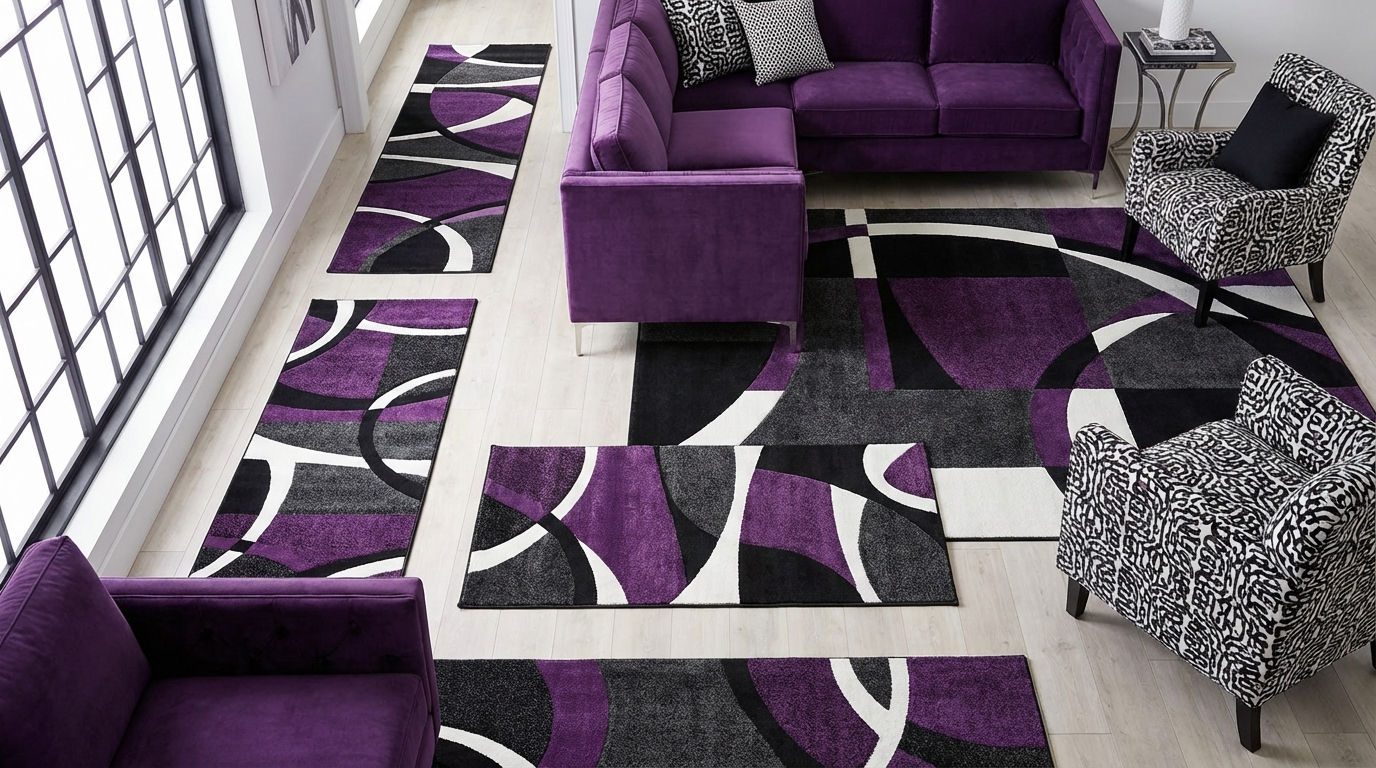

“Rugs are just decor. Size does not really matter as long as the pattern looks good.”
That idea sounds harmless, but it is wrong. Size matters more than pattern. A rug that is too small can make a room feel chopped up and awkward, even if the design is beautiful. The right rug size pulls the whole room together and quietly connects your furniture, your walkways, and yes, your flooring. If you get the size right first, color and pattern get much easier.
I will say something that might sound a bit strong: if your rug is wrong, your room will never look quite right. You can have premium floors, a great sofa, designer lighting. A “floating” rug will still make the room feel off. I might be wrong, but from what I have seen in real homes and in client photos, rug sizing is one of the most common reasons people feel frustrated with their living spaces.
Most people start with what they like visually. They see a pattern they love, they check the price, they glance at the size, and then they click buy. That is backwards. You want to start with the room, the furniture layout, the floor material, and the way people will move through the space. Only then do you pick a size. After that, you choose the style and pattern that fits.
This is where flooring enters the picture. Rugs do not replace your floor. They work with it. A rug on hardwood feels different than a rug on carpet or luxury vinyl. The same size might look heavy in one room and perfect in another. So you cannot really talk about rug size without thinking about what is under it.
Let us walk through this step by step, room by room, and link it back to the type of floor you have. No need to overcomplicate anything. Once you get the basics, you will be able to look at any room and know exactly what size rug it needs.
“If I can see some of the flooring around the rug, I am fine. That is all that matters.”
Not quite. You want more than “some” flooring. You want the right amount of flooring showing, in the right places, so the room feels grounded and intentional, not random.
—
Why Rug Size Matters More Than You Think
“I will just buy a big rug. Bigger is always better, right?”
That is another common myth. Going larger helps, but “larger” is not a strategy. You want proportion. A rug that is huge and almost touches the walls can look like carpet that does not quite fit. A rug that stops halfway under your sofa can make the room feel squeezed.
Here is what rug size actually affects:
1. How large or small the room feels
2. How cohesive your furniture arrangement looks
3. How your flooring is visually framed
4. How comfortable the space feels when you sit, walk, or stand
If you get the size right, the rug becomes a quiet base. Your eye stops worrying about edges and starts looking at the things you want to highlight: the sofa, the coffee table, the wood grain of your floor, the artwork on the walls.
If you get the size wrong, you always feel like something is off but cannot explain why.
—
General Rug Sizing Principles (Before You Measure)
“I cannot measure everything. I will just eyeball it.”
Eyeballing is exactly how people end up with rugs that are 1 or 2 sizes too small. You do not need complicated math, just a few clear rules that you apply before you shop.
Key ideas to keep in mind
1. Leave a floor border
Around the edges of the room, you usually want some of your flooring to show. On hard floors like wood, tile, or vinyl, this border frames the rug.
A basic guide:
– Small rooms: 8 to 12 inches of bare floor between rug and wall
– Medium rooms: 12 to 18 inches
– Large rooms: 18 to 24 inches
2. Connect the furniture to the rug
The rug should touch or sit under the main furniture in that zone. A rug that floats in the middle with all furniture off of it feels disconnected.
3. Think in zones, not only rooms
Many homes today have open plans. One large room might hold a living area, a dining area, and a workspace. Each zone can have its own rug that defines that area, but the sizes should still relate to the room and to each other.
4. Respect walkways
Rugs that stick halfway into a walking path are a tripping hazard and look messy. Either the rug defines a path or it stays clear of it.
These ideas will guide how you measure. Then you link those measurements to common rug sizes.
—
Common Rug Sizes and When They Work
Below is a quick reference table for typical area rug sizes and where they tend to fit best.
| Rug Size | Typical Room Usage | Best With |
|---|---|---|
| 3′ x 5′ | Entry, small kitchenette, bedside accent | Small spaces, layered over carpet or wood |
| 4′ x 6′ | Small office, kids play area, reading corner | Hard floors where you want a compact zone |
| 5′ x 7′ / 5′ x 8′ | Small living areas, under coffee table only | Apartment living rooms, bedrooms |
| 6′ x 9′ | Medium living rooms, under small dining tables | Wood or vinyl rooms with compact furniture layouts |
| 8′ x 10′ | Standard living rooms, under queen beds, medium dining | Most family rooms and bedrooms |
| 9′ x 12′ | Large living rooms, king beds, large dining | Spacious rooms with larger furniture |
| 10′ x 14′ | Very large living areas, open concept zones | Big rooms with high ceilings and wide plank flooring |
The goal is not to memorize this table. The goal is to measure your space, figure out the range of sizes that would fit, then choose the closest standard size.
—
Living Room Rugs: The Most Common Sizing Mistake
“If the rug fits under the coffee table, it is good enough.”
This is where so many living rooms go wrong. A 5 x 7 rug under a coffee table and nothing under the sofa legs almost always looks too small. It can work in very tight spaces, but usually it makes the seating area feel like it is floating.
There are three main ways to size a rug in a living room.
1. All furniture on the rug
This works best in larger rooms. The sofa, side chairs, and main tables sit fully on the rug, with space left around them.
Guidelines:
– Leave 8 to 24 inches of floor showing between the rug and the walls.
– Make sure the rug extends at least 6 inches beyond the furniture on all sides.
– On hard flooring like wood or tile, this creates a strong, grounded look.
Example sizes:
– For a room around 12′ x 18′: an 8′ x 10′ or 9′ x 12′ is typical.
– For a very large living room: 9′ x 12′ or 10′ x 14′.
2. Front legs on, back legs off
This is the most flexible layout and works for many homes. The front legs of the sofa and chairs sit on the rug. Back legs rest on the bare floor. The coffee table sits fully on the rug.
Guidelines:
– Aim for at least 8 to 10 inches of rug under the front legs.
– Keep some consistent overlap between seating pieces and rug edge.
– Maintain a clear edge on your floor beyond the rug so the rug does not crowd the walls.
Example sizes:
– Small to medium living room: 6′ x 9′ or 8′ x 10′.
– Sectional sofa: often 8′ x 10′ or 9′ x 12′, depending on the sectional length.
3. Coffee table only (small spaces)
This is the layout people default to too quickly. It can still work if the room is very tight or if you are layering a smaller accent rug on top of a larger one or on top of carpet.
Guidelines:
– Make sure the rug still relates to seating by coming close to the front legs.
– Keep at least the full coffee table plus 6 inches of space around it on the rug.
– Do not use a tiny rug that is barely larger than the table.
Example sizes:
– 4′ x 6′ or 5′ x 7′ in very compact living rooms or studio apartments.
How living room rugs interact with flooring
Here is how different floors change your rug choices:
| Floor Type | Rug Sizing Tips | Extra Notes |
|---|---|---|
| Hardwood | Keep a clear border so you can see the wood edges. | Use a good rug pad to protect the finish and prevent slipping. |
| Engineered wood / laminate | Similar to hardwood; avoid rugs that trap moisture. | Rug pad that allows airflow can help. |
| Luxury vinyl plank / tile | Size rules are the same; watch for rubber-backed pads with some finishes. | Check the flooring warranty before picking a pad. |
| Tile | Rugs help soften echo; go a little larger to cover grout lines near seating. | Thicker pads improve comfort underfoot. |
| Wall-to-wall carpet | Rug can be slightly smaller since you already have softness. | Use a felt or low-grip pad to keep the area rug from wrinkling. |
Carpet on carpet is common in rentals and bedrooms. Many people skip an area rug when they already have carpet. That can be a mistake. The right rug size can still define the seating zone and add contrast, especially if the carpet color blends too much with the furniture.
—
Dining Room Rugs: Protecting Floors and Chairs
“The rug just needs to fit the table.”
This is another half-true idea. The rug does not just need to fit the table. It needs to fit the table and the chairs when people are sitting down.
If the chair legs fall off the rug edge when you pull them back, guests feel like they are tipping. It also puts edge pressure on your flooring, especially with heavy chairs.
How to size a rug for your dining table
Here is a simple method:
1. Measure your table
Measure the length and width of the table. For a round table, measure the diameter.
2. Add at least 24 inches on each side
Add 24 to 30 inches on all sides so chairs can slide out while staying on the rug.
3. Compare with standard rug sizes
Match the new numbers to the closest standard rug size.
Examples:
– Table: 36″ x 60″
Add 24″ on each side:
New footprint: 84″ x 108″ (about 7′ x 9′)
Best rug size: 8′ x 10′.
– Table: 42″ x 72″
New footprint: 90″ x 120″ (7.5′ x 10′)
Best rug size: 8′ x 10′ or 9′ x 12′ if you want more breathing room.
– Round table: 48″
Add 24″ all around: circle of 96″ (8′)
Best rug size: 8′ round or 8′ x 10′ rectangular, centered.
Dining rugs and flooring protection
Dining rooms can be tough on floors. Chairs scrape back and forth, food drops, drinks spill. Here is how rug size and flooring type work together:
| Floor Type | Rug Sizing & Choice Tips | Care Advice |
|---|---|---|
| Hardwood | Always give chairs room to stay on the rug; use flat-weave or low pile. | Use a pad to reduce friction and protect finish from chair legs. |
| Luxury vinyl | Same sizing; avoid very heavy rubber backing. | Blot spills quickly; follow floor cleaning guidelines. |
| Tile | Larger rugs soften sound and chair noise. | Check that the rug edges lie flat to reduce tripping. |
| Carpet | Rug can be more for visual definition than protection. | Pick a rug with enough weight so it does not buckle. |
I might be wrong, but many people worry too much about stains here and forget comfort. A bare dining arrangement on hard floors can feel cold and echo-heavy. A rug sized correctly helps with both sound and warmth.
—
Bedroom Rugs: Comfort When You Step Out of Bed
“I have carpet already. I do not need a rug in the bedroom.”
Carpet is softer than wood, true. Still, a rug can anchor the bed, add color, and create a visual base for side tables, benches, and storage. On hard floors, a rug can make those first steps in the morning feel much better.
There are three main bedroom rug layouts, and they all start with the bed size.
Under the entire bed (with nightstands)
The bed, nightstands, and possibly a bench at the foot all sit on the rug. This works well in larger bedrooms.
Basic size guide:
| Bed Size | Room Size (Approx.) | Common Rug Sizes |
|---|---|---|
| Queen | 10′ x 12′ or larger | 8′ x 10′ |
| King | 12′ x 12′ or larger | 9′ x 12′ |
| California King | 12′ x 14′ or larger | 9′ x 12′ or 10′ x 14′ |
You want at least 18 to 24 inches of rug showing on each side of the bed where you step out.
Under the lower two-thirds of the bed
The head of the bed and nightstands sit on the bare floor or carpet. The rug starts a bit in front of the nightstands and extends beyond the foot of the bed.
This saves money because you can pick a smaller rug while still giving your feet something soft at the sides and bottom.
Guidelines:
– Rug should start just below the nightstands.
– Leave equal rug length at the bottom and sides for balance.
Example sizes:
– Queen bed: 6′ x 9′ often works.
– King bed: 8′ x 10′ can be enough in many rooms.
Side runners or smaller rugs
If the room is tight or the bed sits off-center, you can place runners on each side.
Guidelines:
– Runners should be at least the length of the bed area you step out from.
– Keep 3 to 6 inches between the runner and the side of the bed.
– Make sure the runner fits the walking path to the door or bathroom.
Bedroom rugs and floor feel
Here is how bedrooms connect to flooring type:
| Floor Type | Rug Role | Sizing Thoughts |
|---|---|---|
| Hardwood / laminate | Add warmth, cut noise, protect finish under bed and nightstands. | Err on the larger side so stepping areas are covered. |
| Vinyl | Soften underfoot, add texture. | Use a pad that is compatible with vinyl. |
| Tile | Keep feet off cold tile when waking. | Runners can be useful if full rug is not possible. |
| Wall-to-wall carpet | Provide visual anchor, add pattern or color. | Rug can be slightly smaller, but still should frame the bed. |
Some people skip a rug when they have carpet because they are afraid it will look layered and messy. The key is size. If the rug is large enough to clearly sit under the bed and extend out in a balanced way, it looks intentional, not random.
—
Hallways, Entries, and Kitchens: Runners and Small Rugs
“Small spaces only need tiny rugs.”
Small rooms and narrow spaces often need longer rugs than people expect. A too-short runner makes a hallway feel chopped up. A small mat in a wide entry can look like an afterthought.
Hallway runners
For hallways, you want the runner to cover most of the length without touching the walls.
Guidelines:
– Leave 3 to 6 inches of floor on each long side.
– Leave 6 to 12 inches of bare floor at each end, if possible.
– Match the runner orientation with the hallway; long side to long side.
Common sizes:
– Width: 2′ to 3′.
– Length: 6′, 8′, 10′, 12′ depending on the hall.
On wood or vinyl, runners help protect from foot traffic patterns. On tile, they reduce noise. On carpet, they are more for visual definition or to highlight a path.
Entry rugs
Entry rugs need to be practical. They catch dirt and moisture before it reaches the main flooring.
Guidelines:
– Size the rug to the door swing so the door can open freely.
– Ideally, people can step fully onto the rug with one or two steps.
– Leave a visible border of your entry flooring around the rug.
Common sizes:
– 3′ x 5′ or 4′ x 6′ for medium entries.
– 2′ x 3′ at a minimum for tight spaces.
If you have wood near the front door, getting the rug size and placement right can protect against water and grit scratching the finish.
Kitchen rugs
Kitchen rugs can be tricky because of spills and frequent cleaning. Still, they help with comfort when standing at sinks or islands and add warmth to tile or vinyl.
Common placements:
– Runner in front of the sink.
– Runner between island and main counter run.
– Small rug in front of the stove.
Guidelines:
– Keep rugs away from places where they create a tripping hazard.
– Size them so you do not have tiny strips surrounded by hard flooring.
– Use low-pile or flat-weave so chairs and doors move easily.
On hard floors like tile, a cushioned pad under a runner can make long cooking sessions easier on your back and knees.
—
How to Measure Your Room and Match to Rug Sizes
You do not need special tools. A simple tape measure, a notepad, and maybe some painter’s tape on the floor will help.
Step-by-step sizing method
1. Measure the room
Write down the length and width wall to wall.
2. Map your furniture layout
Note where your main pieces sit: sofa, bed, table, desk, etc.
3. Sketch the area you want to define
For example, the seating zone in the living room, the bed area, or the dining footprint.
4. Decide how close to the walls you want the rug
Remember that you usually want some floor border.
5. Use painter’s tape
Tape out a rough rectangle on the floor where you think the rug should go. Adjust until it feels right when you walk around.
6. Measure the taped area
Check length and width of the taped outline.
7. Compare with standard rug sizes
Pick the size that is closest without going larger than your space can handle.
This method sounds simple. It works well in practice. The tape on the floor helps you see the relationship between rug, furniture, and flooring before you spend any money.
—
Linking Rug Choices to Flooring Choices
If you are choosing new flooring and rugs at the same time, your decisions are linked. The size, color, and placement of your rugs will affect how much flooring you see, where it needs more protection, and how the room feels.
How rug size can guide flooring decisions
Here are a few practical connections:
– If you know you want a very large rug in the living room, you might be comfortable choosing a more character-heavy wood pattern there, because the rug will break it up visually.
– If you prefer smaller rugs for easier cleaning, you might pick a floor that is quieter in tone so the room does not feel too busy.
– In open concept spaces, you can use the same floor everywhere and then use rugs to define zones, instead of mixing different floor materials.
| Goal | Flooring Strategy | Rug Sizing Strategy |
|---|---|---|
| Make a small space feel larger | Use lighter flooring and keep it consistent across rooms. | Choose one larger rug per zone, not many small ones. |
| Protect wood in high-traffic zones | Use hardwood or engineered wood, sealed properly. | Place runners and area rugs in walkways, sized to cover traffic lines. |
| Create cozy seating areas on hard floors | Install durable wood, laminate, or vinyl underneath. | Use bigger rugs under seating so people can sit, stretch, and walk on soft surfaces. |
| Reduce noise in open spaces | Choose floors with a bit of texture, not mirror-smooth. | Place larger rugs in living, dining, and bedroom areas to absorb sound. |
I see many homeowners pick flooring first without thinking about rugs. Then they realize later that their favorite rug sizes do not work with the room layout or traffic lines. Starting with a basic rug plan, even if it is rough, can make your flooring choice feel more grounded.
—
Common Rug Sizing Mistakes to Avoid
Let me be direct here. If you are about to buy a rug and you are doing any of the following, you are likely heading down the wrong path.
1. Choosing the rug last
Waiting until the end and then picking a rug that happens to be on sale, in any size, often leads to compromises. You end up working around the rug instead of using the rug to support the furniture and flooring.
Better path: at least define the target rug size range early. You can still choose the exact pattern later.
2. “One size fits all” thinking
Using the same rug size everywhere rarely works. Different rooms have different furniture footprints, traffic patterns, and visual needs.
Better path: measure each room and pick size ranges for each one.
3. Ignoring door swings and vents
Rugs that block doors, vents, or floor access panels cause daily friction. They also might reduce airflow from HVAC vents.
Better path: check where doors open, where vents sit, and how high the clearance is before choosing rug thickness and size.
4. Going too small to save money
I understand the urge to drop one size to save cost. The problem is that a smaller rug that does not fit the space wastes both your money and your time.
Better path: if the correct size is out of budget, consider a simple, neutral rug in the right size rather than a fancy pattern in the wrong size.
5. Forgetting rug pads
On hard floors, pads are not just about slippage. They can extend the life of the floor finish and the rug itself by reducing friction.
Better path: factor a rug pad into your rug budget from the start.
—
Putting It All Together: A Simple Room-by-Room Checklist
Here is a quick reference you can use when you plan rugs and flooring together. Use it like a practical cheat sheet.
| Room | What to Measure | Common Rug Size Range | Flooring Link |
|---|---|---|---|
| Living Room | Seating footprint, wall-to-wall size, walkways. | 6′ x 9′ to 10′ x 14′. | Highlight wood or vinyl edges with a visible border. |
| Dining Room | Table size plus chair pull-back distance. | 8′ x 10′ or 9′ x 12′ for most tables. | Protect hardwood or vinyl from chair legs. |
| Bedroom (Queen) | Bed size and room edges. | 6′ x 9′ or 8′ x 10′. | Soften tile or wood; anchor furniture on carpet. |
| Bedroom (King) | Bed plus nightstand span. | 8′ x 10′ or 9′ x 12′. | Balance around the bed while showing some floor. |
| Hallway | Hall length and width, door clearances. | 2′ x 6′ to 3′ x 12′. | Protect traffic paths on wood, vinyl, or carpet. |
| Entry | Door swing and step area. | 2′ x 3′, 3′ x 5′, or 4′ x 6′. | Guard flooring from moisture and grit. |
| Kitchen | Sink run, island length, walkways. | Runners 2′ x 6′ to 3′ x 10′. | Add comfort on tile or vinyl, define path zones. |
If you walk through your home with this checklist, a tape measure, and a clear eye on the floors, you will start to see where your current rugs are helping and where they are fighting the space.
Rugs do not have to be complicated. You do not need design jargon. Measure the room, respect the furniture, leave a clear border of flooring, and keep your walkways clean. Connect that to the type of floor you have, and you will be ahead of most people who buy based only on color and pattern.
If anything in your current plan ignores scale, walkways, or the flooring underneath, it is probably a bad approach. Fixing rug size is one of the fastest ways to make a space feel calmer and more pulled together, without replacing every piece of furniture you own.
