
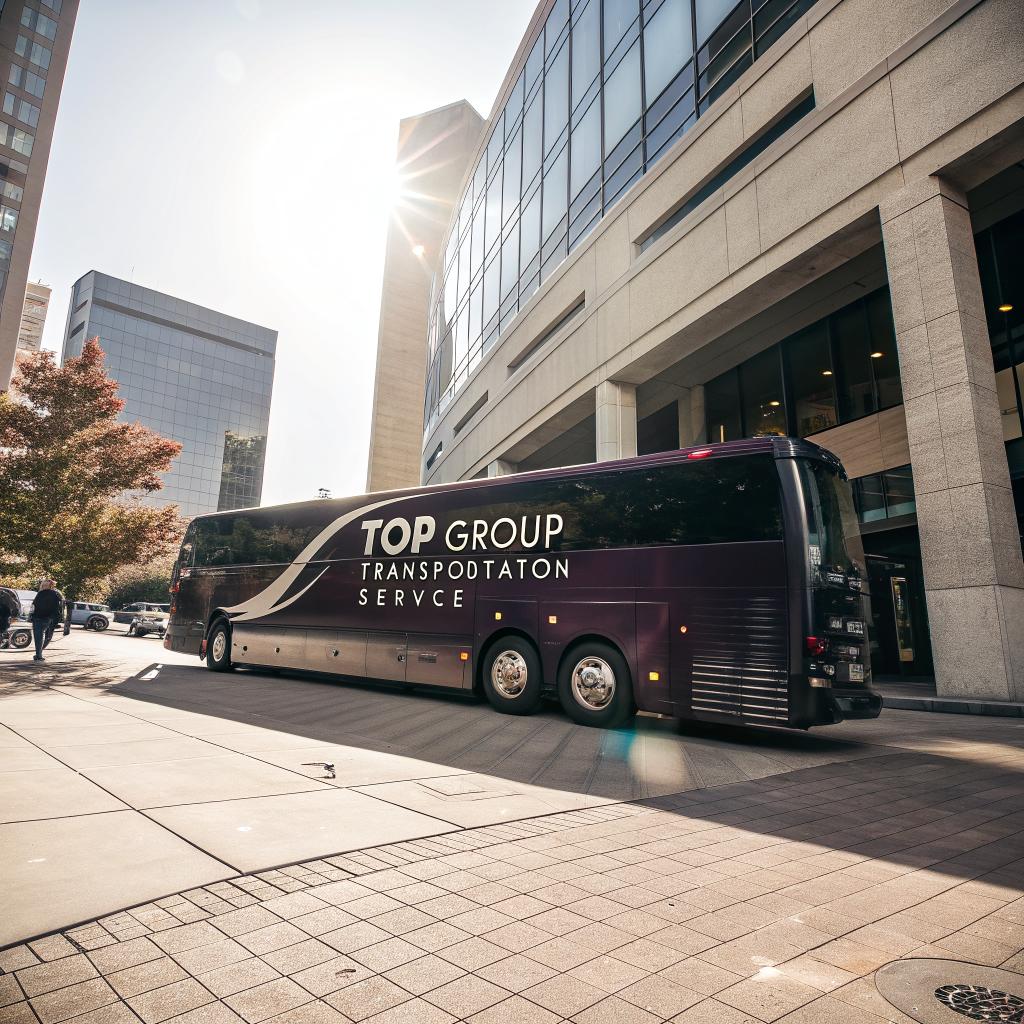

“Group transportation in Denver is all the same, so you might as well just book the cheapest bus you can find.”
That line sounds practical, but it is false. If you want people to arrive on time, in the right place, and in a decent mood, the service you pick matters a lot. The short answer is this: the top group transportation services Denver travelers love are the ones that match the size of your group, the type of trip, and your budget, and that treat planning like a partnership instead of a one-off sale. Price matters, of course, but reliability, clear communication, and the right vehicle often matter more than a small discount. A good place to start is with dedicated providers of group transportation services Denver planners already use for events, tours, and corporate trips.
I think a lot of people learn this the hard way. They book whatever pops up first on a search page, then hope it works out. Sometimes it does. Sometimes it means you are calling the driver the morning of your event, wondering where the bus is and why no one is picking up.
So the goal here is not to scare you off buses or shuttles. It is to show you what actually works in Denver, what to watch for, and how to match your group and your plans with the right kind of service. Denver has plenty of options. Some are great for weddings. Some are better for conferences near the convention center. Some make more sense for school trips or ski weekends.
If you get a few basics right early, the rest of the planning feels much easier. You do not have to obsess over every small detail to have a smooth trip. But you also do not want to leave everything to chance and a few vague emails.
The groups that have the best time in Denver are usually the ones that treat transportation as part of the event, not a last-minute chore.
That might sound like extra work, but it actually saves time. When everyone knows where to meet, who to call, and what the ride will be like, people relax. You relax too.
Let us walk through the main types of group transportation in Denver, what they are good for, and some real tradeoffs. I will also share a few planning tips that I have seen help people avoid stress on the actual travel day.
What “top” group transportation in Denver really means
When you see phrases like “top group transportation” or “best bus company” it can feel a bit vague. What does “top” mean in real life when you are moving 10, 40, or 200 people around Denver?
From what many planners and frequent travelers say, it usually comes down to a mix of these things:
– The buses or vans are clean and match what was promised.
– The driver shows up on time and knows the route.
– The booking process is clear, with pricing that does not suddenly change.
– The company responds quickly if plans shift or something goes wrong.
Notice what is missing there. It is not really about leather seats or built-in WiFi, although those are nice. It is more about trust and predictability.
Let us be honest: transportation is not the fun part of your trip. People are more excited about the wedding, the hike, the meeting, or the game. Your goal is usually simple. You want everyone to get from A to B in comfort, without confusion, and without stories about a bus getting lost on I-25.
Common types of group transportation Denver travelers use
Most group trips in Denver end up choosing between a few main options:
– Charter buses and coaches
– Minibuses and shuttles
– Vans and sprinter-style vehicles
– Ride share or taxis, on their own or as backup
Each has a place. Each has downsides too.
You probably already know this at a basic level. A charter coach is good for a big group. Vans are better for small groups. But there are more subtle points that matter in Denver, especially with weather, traffic around downtown, and distance to the mountains.
Charter buses: the workhorse for large Denver groups
If you have a big group, anything from 30 people up to 200 or more, a full-size coach is often the most practical option. It is not glamorous in the way a limo might be, but it does its job quietly.
When a full coach makes sense
Charter buses tend to fit well for:
– Conferences and conventions near the Colorado Convention Center
– School trips and university outings
– Corporate retreats in the foothills
– Large wedding guest shuttles between hotel and venue
– Sports teams heading to games or tournaments
Denver has a wide spread. The airport is far from downtown. Many venues sit on the edge of town or near the mountains. A large coach that keeps the group together cuts down on late arrivals and “Where are you?” messages.
Plus, parking for many cars can become its own problem. One 56 passenger coach can replace 15 or more cars. That matters at mountain venues or tight downtown locations where parking fills quickly.
What people tend to like about coaches
Most full-size coaches in Denver today have:
– Air conditioning and heating that can handle summer heat or winter cold
– Reclining seats
– Luggage bays under the bus
– Overhead storage inside
– Restrooms on longer-distance coaches
You also gain a single point of contact. You call or text the dispatcher or coordinator if the schedule changes. You are not trying to message 30 different drivers or deal with a patchwork of separate rides.
One planner I spoke with said she used to rely on car pools for her non profit events. She switched to charter coaches after a snowstorm caused several drivers to back out last minute. Now she says she simply sleeps better knowing a single professional driver is responsible for the group.
Tradeoffs and limits of big buses
Charter buses are not perfect for every case.
They can struggle with:
– Narrow mountain roads or steep driveways at small venues
– Very short transfers where boarding takes longer than the drive
– Tiny groups where the cost does not make sense
You also have to think about loading time. Getting 50 people on a bus with bags always takes longer than it seems on paper. If your schedule is tight, you may want more buffer than you think.
Still, for many larger groups, a coach is the backbone of a solid Denver transportation plan.
Minibuses and shuttles: flexible options for mid-size groups
For groups in the 10 to 30 person range, minibuses or smaller shuttles often hit a sweet spot. They keep everyone together, but they are nimble enough for tighter streets and short runs.
Where minibuses shine around Denver
You see a lot of minibuses used for:
– Corporate offsites between downtown offices and nearby restaurants
– Wedding parties before and after the ceremony
– Brewery or distillery tours
– Campus tours at local colleges
– Airport transfers for visiting teams, boards, or client groups
One nice thing about minibuses in Denver is how they handle mixed schedules. You might have one group staying at a hotel near Union Station and another at a hotel in Cherry Creek. Two minibuses can do staggered pickups without looking like overkill.
Minibuses also feel more personal. A 20 person bus lets people talk, laugh, and plan. It feels like a shared moment, not just a ride.
Comfort features people usually care about
Many Denver minibuses include:
– Air conditioning and heating
– Comfortable seats with some recline
– Sound systems you can plug into
– Overhead storage for bags or coats
Some might have WiFi or power outlets, but that varies. In my experience, people talk a lot more about legroom and temperature than about WiFi on shorter rides.
Where minibuses fall short
Minibuses usually do not have:
– Onboard restrooms
– Large luggage bays
– As much space between seats as full coaches
For short hops around town, this is fine. For long drives into the mountains, especially with luggage, a bigger coach might still work better.
There is also a gray area when your group is right at the edge of the capacity. If you have 23 people and the minibus fits 24, it sounds perfect. In practice, you may wish you had a little extra space, especially in winter when everyone has coats and gear.
Vans and sprinters: good for smaller groups and tight budgets
Not every trip calls for a bus. For many small groups, a van or sprinter works fine, especially if you want something simple.
When vans make sense in Denver
People often book vans for:
– Small wedding parties going to photo spots
– Company teams of 8 to 12 people
– Family trips from Denver International Airport to a hotel or rental
– Small hiking or ski groups that already know each other
Vans are usually cheaper per trip than a full bus and work well for door to door service. They can handle tight hotel entrances, small parking lots, and some of the more residential areas around Denver.
Some travelers are tempted to rent vans and have someone in the group drive. Sometimes this works. Sometimes it does not.
If you go that route, you need to ask:
– Is the driver comfortable with mountain driving and winter conditions?
– What happens if your driver gets sick or wants to drink at the wedding or event?
– Who deals with parking, fuel, and possible damage?
Often, hiring a van with a professional driver costs more up front but reduces risk and stress, especially if the roads might be icy or your schedule is tight.
Comparing main options at a glance
When you are weighing choices, a simple snapshot can help. Here is a basic comparison many Denver planners find useful:
| Vehicle type | Typical capacity | Best for | Key perks | Main tradeoffs |
|---|---|---|---|---|
| Full-size charter bus | 40 to 56 passengers | Large events, conferences, school trips, big weddings | Lots of seats, luggage bays, onboard restrooms on many coaches | Harder on tight roads, higher total cost, longer loading time |
| Minibus / shuttle | 18 to 30 passengers | Mid-size groups, short shuttles, city transfers | More nimble, easier loading, more personal feel | Less storage, usually no restroom, can feel tight if full |
| Van / sprinter | 8 to 14 passengers | Small teams, family trips, small wedding parties | Lower trip cost, flexible routes, easy parking | Limited comfort on long rides, almost no luggage space if full |
This is simplified, but it gives you a quick starting point. You can then layer your own details on top: how many stops, how far, what time of year, and what kind of guests.
What makes Denver group transportation a bit different
If you have planned trips in other cities, you may already know how buses and shuttles usually work. Denver adds a few twists that are worth calling out.
Altitude and weather
Denver has dry air and a mix of hot summers and cold winters. On top of that, many trips from Denver go higher into the mountains.
This affects group transportation in a few ways:
– Air conditioning and heating matter more than in mild climates.
– People may feel tired or dehydrated faster at high altitude.
– Sudden weather shifts can slow traffic on I-70 or mountain roads.
If you have guests from sea level, especially older relatives or young kids, a comfortable, climate controlled bus is not a luxury. It is basic care.
Traffic patterns and event timing
Rush hours in Denver are not as heavy as some large coastal cities, but they still affect travel times, especially:
– Morning traffic from suburbs into downtown
– Evening traffic leaving downtown and major business parks
– Game days near Ball Arena, Coors Field, or Empower Field
If your event lines up with these times, you want a transportation partner who can give realistic timing and suggest slight shifts. Arriving 30 minutes earlier than needed is almost always better than being 20 minutes late with a grumpy crowd.
Distances between key points
The distance from Denver International Airport to downtown surprises many visitors. Add side trips to Red Rocks, Golden, Boulder, or ski towns, and your “simple” transportation plan can become a logistically complex trip.
Groups that plan only for the first leg, like “airport to hotel,” often forget to plan the rest properly. Ask yourself:
– How are people getting to dinner or evening events?
– How will you handle late arrivals or early departures?
– Does everyone know where to meet the bus?
Sometimes the best answer is one reliable bus or shuttle that stays with your group for the day instead of juggling many separate taxi or ride share trips.
Popular group scenarios and what usually works best
Let us walk through some common situations where people look for group transportation in Denver. These are not firm rules, but they reflect patterns that tend to work.
Weddings and social events
Weddings can be one of the most stressful types of group travel because they mix tight timing, emotional stakes, and guests who may not know the area.
For most Denver weddings, a common setup is:
– A shuttle loop between hotel(s) and the venue before the ceremony
– A separate shuttle or the same one for the reception and return trip
– A smaller vehicle for the wedding party, if you want something private
If your guest list is large, a full-size coach or two usually makes sense. For smaller events, a minibus or two can handle it.
People often underestimate how tired guests feel by the end of the night. A clear, simple return plan matters a lot. You do not want grandparents or out of town friends stuck trying to order ride share from a mountain venue with weak cell coverage.
For many wedding groups, the most loved transportation is not the fanciest bus, but the one that quietly gets everyone home safely without drama.
One small tip: share the shuttle schedule with guests in advance and again on signs at the venue. It reduces questions on the night itself.
Corporate meetings and conferences
Corporate groups tend to care more about punctuality, quiet, and WiFi than party vibes. They also often have more rigid schedules.
Popular patterns for Denver corporate groups include:
– Airport transfers in minibuses or coaches, depending on group size
– Morning and evening shuttles between hotels and the convention center
– Point to point rides for dinners or team activities
If you are planning for executives or clients, you might mix in black car services for a few people and buses for the larger team. That way you balance cost and comfort.
Try to build in buffer time. If a charter is supposed to leave at 8:00, you might tell your team 7:45. People will run late, get coffee, or stop to talk. The bus cannot teleport.
School and youth trips
For school groups, safety and cost usually top the list. Parents and administrators want to know:
– Who is driving the bus and what is their background
– Whether the company has insurance that covers the group
– How many hours the driver will be on the road
In the Denver area, you see charter buses used a lot for:
– Museum or zoo trips
– Sports teams visiting other schools
– Choirs and bands heading to events
– University tours around Colorado
Charter coaches with restrooms and luggage bays help on longer trips, especially to mountain towns or multi day tournaments.
Here, clear rules on the bus help too. Simple things like where to put bags, whether food is allowed, and who sits where can avoid arguments on the day.
Tourism, ski trips, and outdoor groups
Denver sits at the edge of many outdoor attractions. Groups often combine city time with:
– Ski days at resorts like Keystone, Breckenridge, or Copper
– Hikes near Golden or Boulder
– Red Rocks concerts or tours
For ski groups, storage for gear is key. A coach with big luggage bays makes life easier. If your group is small, a van with a trailer can work, but check this before you book. You do not want skis and boards jammed into the aisle where people trip over them.
Weather can delay mountain trips. When that happens, you want a transportation partner who stays in touch and adjusts routes when needed, not someone who disappears as soon as problems arise.
How to choose a group transportation provider in Denver
Once you know roughly what type of vehicle you need, the next step is picking a company. This part can feel tedious, but it pays off.
Questions worth asking before you book
Here are some direct questions that can save headaches:
- What exact vehicle will we get and how old is it?
- Is the price a flat quote or can it change? Why would it change?
- Is parking, tolls, and driver lodging (if needed) included?
- What is your cancellation policy?
- How do you handle delays or mechanical issues on the day of travel?
- Will we have one driver for the whole trip, or will there be a shift?
You do not need to run a full audit, but you also do not want to just accept the first number you see and hope for the best.
Reading reviews with a critical eye
Online reviews help, but they can be noisy. When you scan reviews for Denver transportation services, look for clues like:
– Do people mention on time performance?
– Are there comments about communication before and during the trip?
– Does anyone describe how the company reacted when something went wrong?
Perfect scores everywhere can be a bit suspicious, but endless complaints about no-shows or surprise fees are a bad sign. Reviews that share specifics, both good and bad, are more helpful than vague praise.
Balancing cost and quality
Price will always matter, especially for schools, non profits, and family events. The lowest quote is not always the cheapest in the end if it comes with hidden charges or poor service.
Try to compare:
– Total trip cost, not just hourly rate
– What is covered: fuel, parking, driver hotel, tolls
– What happens if your schedule shifts by an hour or two
Sometimes a slightly higher quote buys you a lot more peace of mind. Other times, you might be overpaying for features you do not need, like luxury interiors for a simple 15 minute transfer.
If you feel pushed into upgrades you did not ask for, or if answers are vague, that is usually a sign to step back.
Planning tips that make Denver group transport smoother
Once you have picked a type of vehicle and a company, the rest of the job is small but important details.
Build a clear, realistic schedule
Try to write down:
– Exact pickup times and addresses
– How long boarding will take for your group
– Any planned stops, even brief ones
– Contact info for one point person on your side and one on the company’s side
Share this with the provider early. Ask if anything looks tight or unrealistic. You might feel like you are nagging a bit, but clarity now prevents panic later.
Give guests simple instructions. For example:
– “Meet in the hotel lobby at 4:15. The bus leaves at 4:30.”
– “Look for the white 50 passenger coach labeled XYZ on the front.”
Clarity beats cleverness.
Have a simple backup plan
You do not need a full disaster plan. But think about:
– What if the first bus is 30 minutes late?
– What if a small group needs to leave early?
– What if weather causes a schedule change?
Sometimes the backup is as small as:
– Keeping ride share apps handy
– Having one extra vehicle on standby for a large event
– Agreeing with the vendor on a clear process if things slip
You hope you never need it. When you do, you are glad you thought ahead.
Communicate with your group
People feel calmer when they know:
– Where to be
– When to be there
– Who to ask questions
You can handle this in many ways:
– A short email with shuttle details
– A printed card with pickup times
– A message in your event app or group chat
Do not assume everyone reads everything. Repeating key info in more than one place helps.
Little details that travelers actually notice
It is easy to focus on big things like price and capacity. Yet many of the comments you hear after a trip are about small details.
Temperature and comfort
People feel temperature differently. Some are always cold, others run hot. In Denver, where the outside weather can be extreme, this stands out even more.
If you can, ask the driver to:
– Turn on heat or AC a bit before boarding, so the bus is comfortable
– Adjust settings during the ride if people mention it
This sounds trivial, but a too hot or too cold bus can overshadow everything else.
Cleanliness and smell
A bus does not need to be fancy, but it should be clean. Sticky floors or bad smells make people uneasy. Most reputable providers handle this, but if you hear repeated complaints in reviews, take them seriously.
Driver attitude
One friendly driver can change the whole mood of a trip. Someone who greets guests, helps with bags, and answers basic questions with patience leaves a strong impression.
You cannot fully control who your driver will be, but companies that invest in training and retain good drivers tend to do better here.
Frequently asked questions about Denver group transportation
Is a charter bus in Denver worth it for a short event?
If your venue is close and your group is small, a charter bus might feel like overkill. In that case, a minibus or van may be enough.
If you expect people to drink, parking is tight, or your guests are from out of town, even a short ride can be worth organizing. Having everyone depart together and arrive together keeps your event more relaxed and reduces the risk of people getting lost or driving when they should not.
How far in advance should you book group transportation in Denver?
For large events in peak seasons, many planners aim for:
– 3 to 6 months ahead for major weddings, conferences, or ski season groups
– 1 to 3 months for smaller events and off-peak dates
You can sometimes book last minute, but you will have fewer choices on vehicle type and timing, and prices may be higher. If your date overlaps with major local events, such as big concerts or games, earlier is safer.
Is ride share enough for group transportation in Denver?
Ride share apps can work as a backup or for small groups that do not mind splitting up. For larger groups, it gets tricky:
– Cars may not all arrive at the same time.
– Costs can spike during busy periods or storms.
– Some areas have limited ride share coverage, especially later at night or in the mountains.
If timing and coordination matter, or if you need to move people at set times, a charter or shuttle is usually more reliable.
How do you estimate the right vehicle size?
A simple approach is:
– Count your guests.
– Add a small buffer for last minute joins, plus space for bags or gear.
– Pick the smallest vehicle that comfortably fits that number, not the absolute maximum capacity.
If you are between sizes, think about comfort and luggage. A 30 person group with heavy skis might feel better on a 40+ passenger coach than packed tight into a minibus.
What is one thing most planners forget about Denver group transportation?
Many people forget to plan how guests will get home or back to hotels after late events, especially outside downtown. It is easy to focus on getting everyone there and then assume “people will figure it out later.”
They often do, but it can be stressful and more expensive on the spot.
One simple rule: if you organized a ride to the event, think through the ride back just as carefully.
If you keep these points in mind, your group transportation around Denver has a much better chance of fading into the background, which is usually the goal. No big drama. No frantic calls. Just people arriving where they need to be, ready to enjoy the real reason they came.
