
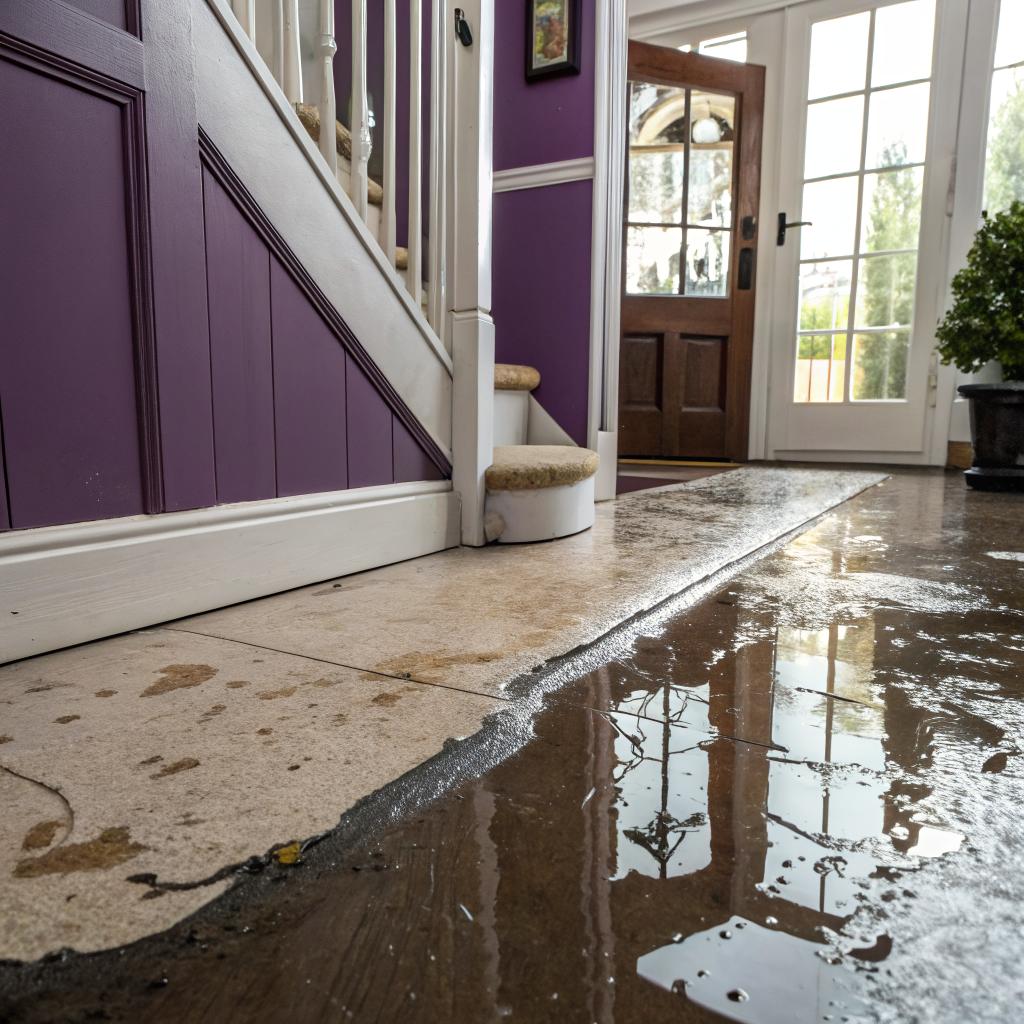

“My insurance will handle everything. Water damage is just a quick claim and a check.”
That idea is half true at best. Your insurance can help a lot, but water damage in Utah rarely feels quick or simple, and the claim process often decides whether you are made whole or stuck paying thousands out of pocket. The real key is how you handle those first hours, what you document, what you say to the adjuster, and how you coordinate cleanup and repairs. If you want the short version: act fast to stop the water, document everything, start safe cleanup, and treat your policy and your claim like a detailed project, not a casual form. A good local company for water damage restoration Utah services will also help guide you through the claim, but you still need to understand the basics so you do not rely on luck.
I have seen people assume insurance will “take care of it” and leave soaked drywall in place for days. They waited for the adjuster, mold showed up, and suddenly the carrier said some of the damage was “secondary” and avoidable. That is a rough conversation. On the other hand, I have seen careful homeowners who took 20 minutes for photos and small notes, kept receipts, and called a restoration company early. Their claims went smoother, and not because the company was nice, but because there was less to argue about.
So, if you are in Utah and dealing with a burst pipe in January, a water heater leak in the basement, or runoff sneaking into the foundation after a storm, this guide is meant to be blunt and practical. No magic tricks. Just steps that fit how insurers and adjusters actually work, and how water behaves in a real house, not in a brochure.
How Utah Conditions Shape Your Water Damage Claim
Utah is not the first place most people think about when they hear “water damage,” yet it happens here a lot. The way it happens here is a bit specific though.
Cold winters mean frozen and burst pipes. Dry summers can hide small leaks because things dry on the surface while deeper materials stay damp. Spring runoff can expose gutter problems and poor grading around the home. Older homes along the Wasatch Front often have aging plumbing, and newer homes sometimes have tight construction that traps moisture inside the building envelope.
All of that affects claims. Adjusters in Utah often look at:
– Was the damage sudden and accidental, like a burst pipe, or was it slow and ongoing, like a tiny leak under a sink for a year?
– Was there freezing involved and did you keep the heat on to a reasonable level?
– Is the water from inside your home systems, or from surface water outside?
Your answers point toward “covered,” “partially covered,” or “probably not covered.” There are gray areas, but your first actions on the day of the loss shape how those questions get answered.
Step One: Safety First, Then Stop The Water
You might feel pressure to start taking photos for insurance right away, but that can wait a few minutes. The first priority is safety.
Ask yourself:
– Is there a risk of electrical shock?
– Is the ceiling sagging or warped?
– Is there any gas appliance in the wet area, like a furnace or water heater?
If the water is near outlets or electrical panels, many homeowners choose to shut off power to that part of the house. If the ceiling is bulging and looks like it might fall, do not stand under it just to “see how bad it is.”
Once you feel safe enough to move around, stop the water source if you can. This might mean:
– Closing the main water shutoff valve
– Turning off the water supply to a single fixture
– Switching off the water heater
Some people hesitate here because they feel nervous about touching valves or the main shutoff. I understand that. But insurance companies often expect that a “reasonable person” would try to limit damage. If you do not act, they might claim some of the later damage was preventable.
Documenting The Damage Like An Adjuster Will
You do not need to be a photographer. You just need clear evidence that shows:
– Where the water came from
– How far it spread
– What it damaged
Take more photos and videos than you think you need. Walk slowly through the wet areas and talk out loud. Say what room you are in, point at the ceiling, floor, and walls. This audio can help you later when you forget the order things happened.
Focus on:
– The source: broken pipe, failed supply line, cracked water heater, etc.
– The path: ceilings, walls, floors, baseboards
– Contents: furniture, rugs, electronics, clothing, books
If standing water is present, get a wide shot first, then close-ups of the depth. Put a coin or tape measure in the frame. For warped wood or swelling cabinets, capture the edges and joints.
Try to get a couple of photos where your phone shows the date and time. You do not need this for every image. One or two can help confirm when the problem was discovered.
When To Call Your Insurance Company
Most policies require that you report a claim within a “reasonable time.” That phrase is vague. In practice, if you call within a day or two of discovering the water, you are usually fine. Waiting weeks is harder to defend.
Some people like to fix everything first and then call, thinking a cleaner story will make the claim easier. This often backfires because you lose proof that it was sudden and accidental.
On the other side, you do not have to call during the first minutes while you are still trying to control the situation. Always:
1. Make things safe.
2. Stop the water as best you can.
3. Take photos and short videos.
4. Then call.
When you call, keep things simple and factual. A basic phrase like:
“My name is [Name]. I am calling to report a new water damage claim. I had a sudden leak from [describe source] in [room]. The water got into the [list areas]. I have turned off the water and taken some photos.”
That is enough to start. The phone representative will open a claim number and tell you what happens next.
Understanding What Kind Of Water You Are Dealing With
Insurance companies sometimes group water into categories. It also affects health concerns and how aggressive the cleanup must be.
Here is a simple table that combines how restoration companies think and how insurers often see it:
| Water Type | Common Utah Examples | Health & Cleaning Impact | Typical Coverage Questions |
|---|---|---|---|
| Clean water | Burst supply lines, broken water heater, frozen pipe in wall | Lower initial health risk, but can grow mold in 24 to 48 hours | Usually covered if sudden and accidental, subject to deductible |
| Gray water | Washing machine overflow, dishwasher backup, some sump failures | May contain soaps, chemicals, light contamination, more cleaning needed | Often covered, cleaning and materials removal may be stricter |
| Black water | Sewage backup, river or canal flooding, storm water entering from ground | Health risk is higher, requires protective gear and strong cleaning methods | Often limited or excluded unless you have special endorsements |
You might not know exactly which category you have, and that is fine. But try to tell the adjuster where the water came from. For example, “It came from the upstairs toilet supply line” is very different from “It came up through the floor drain.”
How Utah Policies Usually Treat Water Damage
Most standard homeowners policies in Utah cover:
– Sudden, accidental discharge from plumbing, heating, air conditioning, or a fire sprinkler
– Water heater failures that spray or leak quickly
– Some appliance failures, like a washing machine hose that bursts
They often exclude:
– Long term leaks that happened over weeks or months
– Repeated seepage, like a slow drip in a crawlspace
– Surface water coming in from outside, especially from flooding or poor drainage
Roof leaks can be tricky. Rain from a storm that comes in through a wind-damaged part of your roof might be covered, while slow wear and tear on old shingles is not. The water damage to your drywall might be covered, even if the old roof itself is not.
Some policies also offer optional sewer and drain backup coverage. If you live in an area with heavy clay soils or older sewer lines, it is worth checking your policy for that endorsement. Backups are messy, and without that extra coverage, cleanup can be costly.
Your Role vs The Adjuster’s Role
Many homeowners feel like the adjuster is there to “fight them.” Sometimes it feels that way, but that is not always fair. The adjuster has a few basic jobs:
– Confirm there was a loss
– Decide whether the loss is covered
– Estimate the reasonable cost of repairs
Your job is different:
– Show what happened and when
– Prove what was damaged
– Cooperate while still protecting your own interests
You are allowed to ask questions. You are allowed to say, “I am not sure I understand that part. Can you explain it again?” You are allowed to say, “I need time to review this estimate.”
Try to see the adjuster as a source of information, not as your project manager. You still need to make your own decisions for your home.
If you disagree with the adjuster’s estimate, you can:
– Provide your own contractor or restoration estimate
– Ask for a detailed breakdown of line items and measurements
– Point to items that may have been missed, like baseboards, closet interiors, or built-in shelves
Sometimes, adjusters who handle many claims in many states might miss small Utah-specific issues, like older basement foundations that wick moisture differently, or heavy texture on walls that changes repair costs. Local photos and clear explanations matter here.
Working With A Utah Water Damage Restoration Company
You do not have to hire a professional company, but for anything beyond a small puddle, it usually makes sense. Water often travels under flooring, inside walls, and through insulation. You might see a small stain while the subfloor is soaked underneath.
A good local company can help you:
– Map the wet areas with moisture meters
– Quickly remove standing water
– Set up fans and dehumidifiers
– Remove damaged materials like soaked carpet pad, baseboards, and parts of drywall
– Provide a detailed estimate and scope of work
Some Utah companies also help document the loss for your claim, with moisture readings, photos, and written notes. This can support your side if there is a dispute.
You are not required to use the vendor your insurance suggests. You can choose your own. The key is that they are licensed, insured, and familiar with both cold-weather problems and Utah building styles.
Ask the restoration company to copy you on everything they send to your insurance carrier. You want the same information the adjuster is seeing.
What To Do In The First 24 Hours
If the water problem is more than a minor spill, those first 24 hours matter a lot for both damage and your claim.
Some practical tasks for that first day:
– Move belongings out of standing water or off damp carpet
– Elevate furniture legs on blocks or foil
– Pull back small area rugs so the flooring underneath can dry
– Place aluminum foil or plastic between furniture feet and damp flooring
– Start fans and, if you have one, a dehumidifier
Try not to tear out large sections of building materials before the adjuster or the restoration company sees them, unless leaving them in place is clearly unsafe. If you must remove something for safety, take photos first, then bag or store a sample.
One common Utah example is a ceiling full of wet, heavy drywall after an upstairs bathroom leak. If you feel the ceiling might fall, many contractors will advise making small, controlled cuts to drain trapped water, instead of waiting until a full sheet falls on someone. Take photos before and after those cuts.
Preventing Mold While Still Protecting Your Claim
Mold coverage in homeowners policies is often limited. Some policies cover only a small amount. Some exclude it almost entirely, except when it follows a covered water loss and you acted quickly.
So you are caught in a bit of tension:
– You want to act fast to reduce mold risk.
– You also want the adjuster to see the original damage.
This is where detailed documentation saves you. If you have strong photos and video from the first hours, you can feel better about starting controlled demolition and drying.
Good drying usually involves:
– Removing soaked carpet pad and, sometimes, carpet
– Taking off baseboards to let wall cavities dry
– Making small cuts in drywall at the base, often called “flood cuts”
– Using air movers and dehumidifiers for several days
If you skip these steps and just run a box fan for an afternoon, you might not see mold right away. Then during a humid week in late spring, you smell something off. At that point, your insurer might say the mold is a separate problem.
Common Utah Scenarios And How Claims Often Go
Every claim is different, but a few patterns show up a lot in Utah homes. These are general trends, not strict rules.
Frozen Pipe In An Exterior Wall
This happens in colder valleys and mountain areas when a pipe is in an uninsulated wall or crawlspace.
Typical questions from the adjuster:
– Was the heat on in the home?
– Were you away for a long time?
– Did you do anything to winterize, like opening cabinet doors or letting faucets drip?
If the home was heated and occupied, and a pipe still froze in an odd cold snap, that often leans toward coverage. If the home was left vacant in winter with the heat turned off, the insurer might push back.
Water Heater Failure In The Basement
Very common along the Wasatch Front. The tank rusts, the seam fails, or the drain valve leaks.
Coverage questions:
– Is the water damage sudden or slow?
– Is there any sign that the water heater had been leaking for a long time?
The insurer usually does not pay to replace the old water heater itself, since that is considered wear and tear. They often cover the damage to floors, walls, and contents from the sudden release of water. Photos of rust lines or stains can cut both ways here, so be honest with the adjuster about when you first noticed the problem.
Runoff Or Groundwater Seeping Into The Basement
This one is hard. After a big storm or during spring melt, water can come through window wells, foundation cracks, or under the basement slab.
Many standard policies exclude surface water and groundwater coming from outside. Some limited coverage might apply if the water enters through a defined opening created by a covered event, but that is often debated.
In these cases, homeowners often use their own funds for repairs, and the conversation shifts from claims to prevention:
– Regrading soil away from the foundation
– Extending downspouts
– Adding or improving sump pumps
– Sealing obvious foundation cracks
It may not feel fair, but it is common across many states, not just Utah.
Reading Your Policy Without Losing Your Mind
Insurance policies are not fun reading. Still, during a water claim, it helps to know at least three parts:
1. The “insuring agreement” section that says what is covered in general.
2. The exclusions that talk about water, seepage, mold, and neglect.
3. The duties after loss section that says what you must do after damage happens.
You do not need to memorize them. Just skim and write down phrases that stand out, like:
– “Sudden and accidental”
– “Repeated seepage”
– “Wear and tear”
– “Mold, fungus, or wet rot”
– “Duties after loss”
If a phrase seems unclear, you can ask your adjuster, “How are you applying this part of the policy to my situation?” Then write down their answer in your own words.
Sometimes, if a term is genuinely unclear, Utah law may favor an interpretation that helps the insured. That is something you can discuss with a public adjuster or attorney if the claim is large and disputed. For moderate sized losses, clear notes and patient questions often get you most of what you need.
Handling Repairs And Payments
Once the drying and demolition phase is over, you move into repairs. This is where many homeowners feel tired and ready to be “done.” Try not to rush the decisions here, because you live with these repairs for years.
Common steps:
– Review the insurance estimate line by line.
– Decide if you will use the restoration contractor for repairs or hire separate trades.
– Confirm what your deductible is and how depreciation will be handled.
If your policy has replacement cost coverage, the insurer might first pay the “actual cash value,” which is the replacement cost minus depreciation. Then, after you complete repairs and provide invoices, they may release the withheld depreciation amount.
This can feel complicated. A simple way to see it:
1. Insurer pays part of the claim upfront.
2. You finish the work.
3. You submit proof.
4. Insurer releases the rest, up to the total approved amount.
Keep all invoices, receipts, and any change orders if the scope of work shifts during repairs. If you choose nicer finishes than what you had before, be ready to pay the difference yourself.
Personal Property And Contents Claims
Dealing with damaged contents can be emotional. Family photos, kids toys, favorite books. It is not just about money.
For the insurance side, you usually need:
– A list of damaged items
– Their approximate age
– Original cost, if you know it
– Photos if they are helpful
Some insurers send a spreadsheet template. Others handle this over the phone. I recommend making your own list anyway. Room by room, shelf by shelf. It feels tedious, but it gives you more control.
If an item is borderline, like a couch with a water line across the legs, talk openly with the adjuster about health concerns and whether professional cleaning is safe and cost effective.
What Utah Homeowners Can Do Before A Loss
Preparing for water damage sounds pessimistic, but it is really just practical. Utah homes have plumbing, water heaters, and appliances like any other place.
Some simple, realistic steps:
– Learn where your main water shutoff valve is and test that it moves.
– Check under sinks and around toilets twice a year for signs of leaks.
– Replace old rubber washing machine hoses with braided stainless types.
– Keep the heat on during cold snaps, even in rooms you do not use much.
– Store valuables and important documents off the basement floor.
You do not need a perfect setup. Just a bit of preparation makes those first scary minutes feel less chaotic.
Frequently Asked Questions About Utah Water Damage Claims
Will my rates go up if I file a water damage claim?
They might. Carriers look at both the number and type of claims you file. A single, moderate water loss after many claim free years may have a smaller impact than repeated claims. Still, paying out of pocket for a large loss just to avoid a possible rate change rarely makes sense. For smaller losses near your deductible, it can be a tougher decision.
Should I wait for the adjuster before starting any work?
Do not wait to make the home safe and to prevent more damage. That means shutting off water, removing standing water if you can, and starting reasonable drying. Just document everything before and during that work. For large demolition or permanent changes, many people wait until at least the restoration company has documented the conditions.
Can I choose my own contractor in Utah?
Yes. Your insurer can suggest preferred vendors, but you are not required to use them. Choose someone you feel comfortable with who understands local building styles and codes. Confirm they will work with your insurance estimates and are willing to explain their scope of work to you, not just to the adjuster.
What if I disagree with the insurance estimate?
You can request a review. Provide your own contractor estimates, measurements, and any missing items you noticed. Often, simple corrections fix most gaps. If the difference is large and the claim is significant, you can talk with a public adjuster or attorney who can review the policy and the estimate from your side.
How fast can mold grow after water damage?
Under the right conditions, mold can start to grow within 24 to 48 hours on wet materials. That does not mean your home will be full of mold in two days, but it does mean you should not let wet drywall, carpet, or framing sit untreated for a week while waiting for calls to be returned.
What should I do if water comes into my basement from a storm?
First, make the area safe and move belongings from the water if you can. Take photos and videos. Then review your policy or call your agent to ask about coverage for surface water or sewer backup. Often, this type of event has limited or no coverage under standard homeowners policies. Even if it is not covered, proper drying and cleaning still matter for your health and the long term condition of the home.
Is there anything I should say or not say to the adjuster?
Be honest and factual. Avoid guessing when you do not know an answer. It is fine to say, “I am not sure when that started, but I first noticed it on [date].” If you made a mistake, like forgetting to shut off water when you left for a trip, do not hide it. Adjusters deal with real life, and clear information usually helps them find a reasonable path through the policy.
If you had to pick just one habit to keep from all of this, it might be this simple question to ask yourself whenever you see water in your Utah home:
“Can I prove what happened here, and am I doing everything reasonable today so I do not regret it in six months?”
