
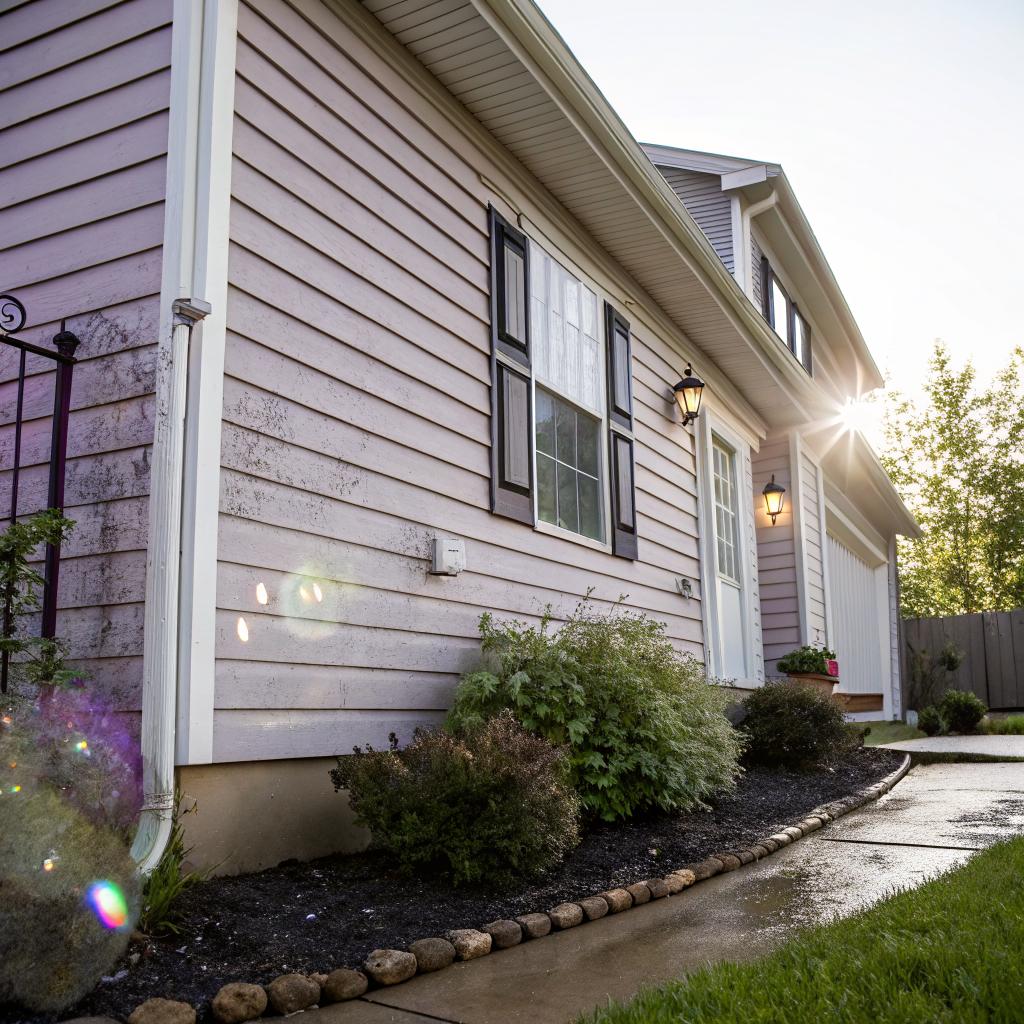

“Soft washing is just glorified garden hosing. It cannot really clean like pressure washing does.”
That statement is false, and it is one of the main reasons many homeowners damage their siding, roof, and decks. A proper soft wash, done by trained technicians from a company like Certified Softwash Solutions, removes organic growth and grime more thoroughly than high pressure, while being far safer for most exterior surfaces. The short answer is that people trust certified soft wash services because they protect your home, last longer between cleanings, and avoid the harsh impact of traditional pressure washing.
I know that might sound a bit bold if you have always seen people blasting their driveway or siding with a loud machine. High pressure looks powerful. You see dirt shoot off. It feels satisfying. But many things that look powerful are not the smartest choice for delicate materials like shingles, vinyl siding, painted trim, or older brick.
Soft washing takes a different path. It focuses on the actual cause of the staining and streaks, not just the symptom. Instead of tearing at the surface, it targets the algae, mildew, bacteria, and other growth that live in the pores and edges. Then it rinses them away with low pressure. Some homeowners are surprised when they hear this and think it sounds almost too gentle. It is not. It is just controlled.
You might have had that feeling, standing in your driveway, looking at green streaks or black roof marks, asking yourself: “Is it time to bring in a pro, or can I fix this myself?” That question is at the heart of why certified soft wash companies exist. People want a clean home, but they do not want to ruin it in the process.
What soft washing actually is (and what it is not)
Soft washing is a cleaning method that combines low water pressure with cleaning solutions that are designed for exterior surfaces. The pressure is closer to what comes from a garden hose than a pressure washer. The cleaning power comes mainly from the solution and dwell time, not from force.
Many people confuse soft washing with simple rinsing. That is not accurate. A correct soft wash uses:
– Calibrated pumps and nozzles that keep pressure low
– Mixing systems that control the ratio of water, cleaning agents, and surfactants
– Application techniques that avoid overspray and protect plants and fixtures
The goal is not to “blast away” dirt. It is to:
1. Break down organic growth like algae, moss, mildew, lichen, and bacteria
2. Loosen contaminants such as pollen, grime, and some airborne pollutants
3. Rinse gently so surfaces are left clean without scarring or pitting
Traditional pressure washing relies on high PSI to scrape material from a surface. That can be acceptable on hard concrete, but it can scar softer materials and strip away protective layers.
High pressure treats all dirt as an enemy to be crushed. Soft washing treats dirt and growth as a problem to be dissolved and removed.
It sounds like a small difference in words, but in practice the effect on your home is huge.
Why homeowners are wary of high pressure
If you talk to people who live in older homes, many will have at least one story where pressure washing went wrong.
Maybe:
– Paint peeled off in sheets from trim
– Water got pushed under vinyl siding and led to mold inside walls
– Granules washed off asphalt shingles
– Mortar between bricks eroded, leaving fine channels
– Window seals failed earlier than expected
These are not rare problems. Pressure washers can reach 2,000 to 4,000 PSI or more. That is enough to etch concrete if you hold the wand too close. On softer materials, it is like sanding them down with water.
Some homeowners rent a machine, stand a bit too close, or linger in one spot, and the damage is instant. Others use a contractor who does not adjust pressure correctly. The result is the same: surfaces that look “clean” but have lost years of life in one afternoon.
This is one core reason people start seeking alternatives and land on services like certified soft washing. They want their siding and shingles to last. They do not want to gamble every time someone pulls a trigger on a high pressure wand near their home.
What “certified” means in soft washing
You might wonder if the word “certified” is just another marketing label. Sometimes it is. But in soft washing, real certification usually means the technicians have gone through:
– Training on chemistry: understanding which solutions work on which stains and surfaces
– Safety courses: handling cleaning agents, protecting landscaping, and working at height
– Equipment training: mixing, testing, and applying at correct ratios and pressures
– Practical exams: supervised work on different materials
Soft washing chemicals are not random. They target living growth and stains through known reactions. Used correctly, they are controlled and predictable. Used incorrectly, they can be weak and useless, or too strong and harsh on surfaces or plants.
A certified operator is trained to avoid both problems. They check weather, surface temperature, material type, and surrounding areas before they start.
Homeowners trust certified soft wash services because the people holding the hose actually know what is in it and how it behaves on your roof, siding, and deck.
There is also usually some ongoing education. New products come out, regulations change, and better methods appear. A company that takes certification seriously treats exterior cleaning more like a skilled trade and less like a casual side job.
Soft wash vs pressure wash: a simple comparison
To see why people lean toward soft washing for many surfaces, it helps to lay the two methods side by side.
| Aspect | Soft Washing | Pressure Washing |
|---|---|---|
| Main cleaning force | Chemistry and dwell time | High water pressure |
| Typical pressure | Low (similar to garden hose, often under 500 PSI) | High (often 2,000 to 4,000 PSI or more) |
| Best for | Roofs, siding, stucco, decks, fences, outdoor furniture | Concrete, some stone, metal surfaces, heavily soiled hardscapes |
| Risk of material damage | Lower when done correctly | Higher, especially on softer materials |
| Effect on organic growth | Kills and removes at the source | Often just strips surface growth, spores remain |
| Typical frequency of cleaning | Longer intervals between visits | May need more frequent cleaning |
This is not to say pressure washing is “bad” across the board. It has its place. Long driveways, heavily stained concrete, or some masonry surfaces handle it well when used with care. The real issue is that many people try to use one method for everything. That is where damage shows up.
Why chemistry matters more than force
It might feel more comforting to see physical power at work. We want to see dirt blown away in real time. But many stains on homes are biological, not just dusty. Think about:
– Green algae streaks on siding
– Black streaks on asphalt shingles
– Lichen spots on stone or shingles
– Mildew on shaded decks and fences
These organisms cling to tiny pores and gaps. If you just blast the surface, you remove the top layer, but you can leave the roots or spores intact. That means the growth comes back faster.
Soft wash solutions are mixed to get into those tiny spaces. They break down the structure of the growth. When you rinse afterward, you are not just pushing dirt aside. You are flushing dead material away.
There is also a simple physics point. High pressure can drive water behind siding, under shingles, and into small cracks. That trapped moisture is exactly what mold and rot like. So the “stronger” method can, strangely, create a better home for the very things you are trying to remove.
Protecting your roof with soft wash
Roofs are one of the most common areas where the choice between soft wash and pressure wash really matters.
Those black streaks you see on many asphalt roofs are usually a type of algae that feeds on the filler in the shingles. It does not just look bad. Over time, it can shorten the life of the roof.
Some people are tempted to hit those streaks with high pressure. That can remove:
– The protective granules on shingles
– Some of the top coating that resists UV
– Shingle edges, leading to curling and faster wear
A soft wash on a roof uses low pressure so the shingles are not stripped, while the solution works on the algae itself. When done correctly, the roof looks much lighter and more even, and the surface protection stays in place.
Homeowners who have gone through one expensive roof replacement tend to be very careful about this. Once you have seen how much a new roof costs, the idea of shaving years off its life for a quick pressure wash becomes far less appealing.
Siding washing: why gentle is smarter
Siding washing is another task where certified soft wash companies stand out.
Vinyl, fiber cement, and painted wood all react differently to water and pressure. High pressure can:
– Push water behind the boards where there are gaps
– Strip paint from older wood
– Leave visible wand marks on softer siding
– Crack aging or brittle vinyl panels
A soft wash approach uses low pressure with a siding-safe solution. It targets:
– Road film and dust
– Spider webs and insect residue
– Algae and mildew in shaded areas
– Pollen and light staining
People often report that after a proper soft wash, the siding not only looks clean, but the color seems brighter again. That makes sense, since a lot of what dulls siding is a thin layer of growth or grime that regular rain never removes.
It might feel almost too simple: apply, let it sit, and rinse at low pressure. But that is the point. The job is done by understanding the surface and the stain, not by pushing the water harder.
Why “certified” feels safer from a homeowner’s point of view
When you let someone work on your home exterior, you are not just buying a clean wall or roof. You are trusting that:
– They will not damage your property
– They understand which methods are safe for each material
– They will handle chemicals with care around your plants and pets
– They carry insurance in case something goes wrong
A company that has gone through certification and training generally takes these points seriously.
From a homeowners perspective, a few things tend to create trust:
Clear communication
You want someone who can explain, in plain words:
– What they are going to clean
– Which method they will use and why
– How long it will take
– How they will protect landscaping, fixtures, and neighbors
If a contractor struggles to explain why they prefer high pressure on your vinyl siding, that is a red flag. A certified soft wash technician is usually comfortable talking through options and tradeoffs.
Consistent results
People talk to neighbors, family, and coworkers. They notice:
– Whether the house still looks clean months later
– If any damage showed up after a cleaning
– If plants were burned or discolored
– How often they need to call someone back
Soft wash companies that rely on training and proven methods tend to give more consistent results, because they are not guessing each time. They follow a process. That predictability is part of why trust builds up over time.
Respect for the property
Respect sounds like a soft word, but it shows in small things:
– Covering or pre-wetting plants
– Protecting electrical outlets and lighting fixtures
– Being careful around windows and seals
– Cleaning up hoses and equipment without dragging dirt across surfaces
People remember if a crew treated their home like a job site or like a place someone lives in. Certified services that focus on repeat customers know that the second option is what keeps people calling.
Safety and environmental awareness
Soft washing uses cleaning solutions, so it is fair to ask how safe they are for people, pets, and plants.
A trained soft wash company will:
– Choose solutions that are appropriate for the stain and surface
– Control concentrations so they are strong enough to work but not excessive
– Rinse thoroughly after dwell time
– Wet nearby plants before and after to dilute any drift
– Avoid runoff into delicate areas where possible
Untrained users sometimes think that if a little chemical works, a lot will work better. That is not true. At higher concentrations, you risk surface damage, plant burn, and lingering residue. At lower than needed levels, you waste time and leave growth alive.
Certified techs are taught to follow tested mix ratios and application steps. They are also more likely to stay current with regional rules on runoff and product use.
For families with children or pets, this matters. You want to feel comfortable letting your kids play in the yard after the job, without worrying about what might be on the deck rails or grass.
Longer lasting results and real cost
On the surface, pressure washing might look cheaper or faster. One machine, one method, lots of noise, quick visual change. But if the growth returns in a few months because spores were left in place, how much did you really gain?
When a soft wash kills growth more completely, the surface stays clean longer. Fewer repeat visits mean:
– Less total cost over a span of years
– Less wear on the surface from repeated cleaning
– More stable curb appeal
There is also the hidden cost of damage. If an aggressive pressure wash reduces the life of your roof or paint by even a couple of years, that can be thousands of dollars lost. People who have been through surprise repair bills tend to become very sensitive to this.
It is not about never washing the house again. It is about choosing a method that cleans while preserving the materials you already paid for.
Where soft washing fits and where it does not
To keep this honest, soft washing is not magic. It is very good at certain problems and less suited for others.
Soft washing is usually best for:
– Roof shingles, tiles, and some metal roofs
– Vinyl, wood, and fiber cement siding
– Stucco and EIFS
– Painted surfaces and trim
– Fences and decks
– Outdoor furniture, railings, and many screen enclosures
Pressure washing is still often used for:
– Concrete driveways and sidewalks with deep, non-organic staining
– Heavily stained pavers where joint sand is not a concern
– Some types of stone and brick when handled carefully
Many certified soft wash companies actually use both methods, but with judgment. They might soft wash the house and roof, then pressure wash the driveway at an appropriate pressure, using the right tip, and keeping a safe distance.
The key point is not to treat every inch of your property as if it were a sidewalk. Your home is more complex than that.
How homeowners judge a soft wash company
If you are thinking about hiring a service, you may find yourself weighing a few practical questions.
1. Do they explain their process without hiding behind jargon?
If someone can explain, in normal language, why soft washing your siding is safer than high pressure, that is a good sign. If they avoid details or just repeat buzzwords, that is less helpful.
Good questions to ask:
– What pressure will you use on my roof or siding?
– What types of stains or growth will your solution remove?
– How will you protect my plants and outdoor fixtures?
2. Are they insured and trained?
Certification is one part. Insurance is another. Things can still go wrong: a ladder slip, a broken fixture, or an unexpected reaction on a delicate surface.
Knowing a company carries coverage, and that they invest in training, shows they take their work seriously. It also shows they expect to be in business for the long term, not just this weekend.
3. Do their past customers see lasting results?
When you talk to neighbors or read reviews, look for mentions of:
– How long the house stayed clean
– Whether any damage or plant issues happened
– How the crew behaved on-site
Repeated comments like “our siding still looks good many months later” or “no damage to our landscaping” are good signs that the process is under control.
A small thought experiment about risk
Think for a moment about your roof, siding, and deck as investments, not just surfaces. You probably spent:
– Thousands, sometimes tens of thousands, on a roof
– Several thousand on siding or paint
– Considerable money on decks, fences, and outdoor living areas
Now picture two choices:
1. A fast, strong method that might shorten the life of those materials, even if the damage is not clear right away
2. A measured approach that cleans more gently, targeting what is growing rather than scraping at the surface
Where do you want to take risks? On a driveway, you might be comfortable with more aggressive cleaning. On a roof or siding, most people, when they pause to think, prefer the safer line.
That quiet, cautious preference is a big part of why homeowners keep turning to certified soft wash providers. It is not just about getting today’s dirt off. It is about keeping tomorrow’s repairs as far away as possible.
Common questions homeowners ask about certified soft washing
Question: If soft washing uses chemicals, is it really safer than pressure washing?
Answer: Yes, when done correctly. The word “chemical” can sound worrying, but almost all cleaning involves chemistry, from dish soap to laundry detergent. Soft washing uses solutions in controlled concentrations to break down organic growth. Certified companies are trained on mix ratios, dwell times, and proper rinsing. They also protect plants by wetting them before and after and by managing runoff. High pressure, on the other hand, can drive water into places it should not go and physically damage surfaces. In practice, for roofs and siding, the gentle method with the right solution usually carries less risk than brute force with plain water.
