
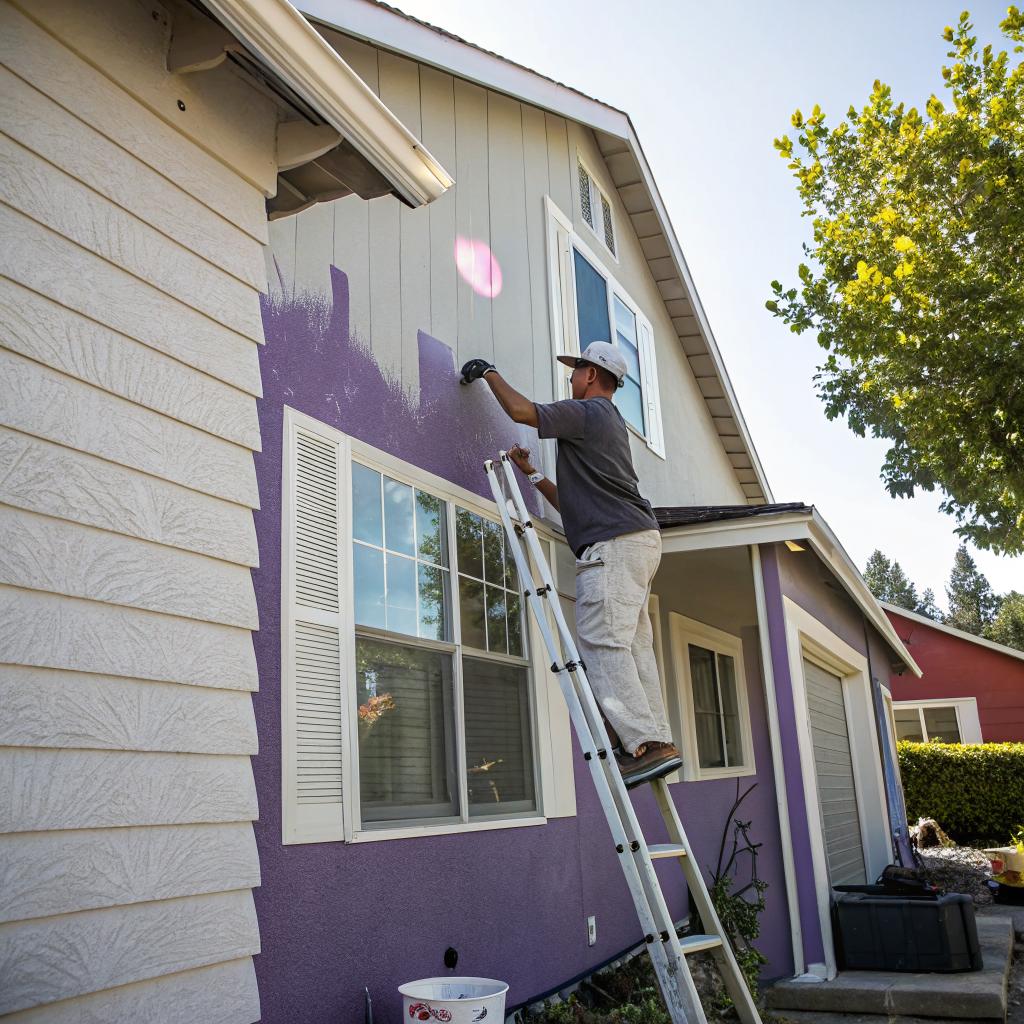

“Any painter can handle a house in Chico. Paint is paint, right?”
That sounds confident, but it is not true. The right painting contractor can make your home look clean and fresh for years, while the wrong one can leave uneven lines, peeling paint, missed spots, and a bigger bill than you expected. If you want a painting contractor Chico homeowners trust, you need to look at more than price. You need to check experience, process, references, and how they actually treat you and your home from the first call. If you do not have time to read everything, here is the short answer: compare at least two or three local companies, ask for written estimates with clear scope, look at recent local projects, and choose the contractor who explains their process clearly and backs the work with a solid warranty, not just the one who is cheapest. A good option for many homeowners is a local, established team like residential painting Chico, but you should still do your own homework.
You probably already know that a new paint job can change how your home feels. Fresh color, clean lines, fewer marks on the walls. It can even help with resale value. But picking the right painter is where most people get stuck. I have seen people spend weeks choosing a paint color, then hire the first painter who answers the phone. That order should be reversed.
The truth is, I think we often underestimate how much skill goes into good painting. On paper, it looks simple: clean, tape, paint, clean again. In real life, walls are not straight, the old paint is peeling in some spots, there are hairline cracks, moisture stains, kids scribbles, furniture in the way, pets walking through the room, and a tight schedule. A serious contractor has to plan for all of that.
You might be wondering if you are overthinking this. Maybe you are, but that is still better than paying for a poor job and living with it for years. So let us walk through how to choose a painter in Chico who actually cares about the result, not just the check.
What “Right” Means For A Chico Painting Contractor
Before you start comparing quotes, it helps to be clear about what “right” even means for you. It is not the same for everyone.
Some homeowners care most about price. Others care more about schedule, or about using low odor paint, or about very sharp lines on trim. Some want a contractor who helps pick colors. Others want someone to show up, do the work, and leave them alone.
If you are in Chico, there are a few local factors that matter more than people expect:
- Summer heat and strong sun that can fade exterior paint faster
- Rainy seasons and occasional storms that stress exterior surfaces
- Older homes with layers of old paint hiding under the surface
- Lots of trees and dust that can stain or dirty siding faster
A contractor who works in Chico all the time will know which products handle the sun better on south-facing walls, what to do about chalky old paint, and how to time exterior work around weather.
So the “right” painting contractor for you should at least:
- Be based in or very familiar with the Chico area
- Have a clear, repeatable process they can describe in normal language
- Give you a written estimate that spells out work and materials
- Show examples of recent local projects similar to yours
- Offer a real warranty on labor and materials
Nothing here is fancy. It is just clear and honest. That is usually what you want.
Licensing, Insurance, And Why They Matter More Than You Think
This part is a bit dry, but it is where a lot of trouble starts if you skip it.
In California, painting contractors who work over a certain dollar amount need a contractor license. It is not just a formality. It means they have passed some checks and are legally allowed to do the work.
Ask every painter: “Are you licensed and insured, and can you show proof before we sign anything?”
Do not just take a quick “yes” on the phone. Ask to see:
- Contractor license number
- General liability insurance
- Workers compensation coverage (if they have employees)
Why this matters:
| Item | What It Is | Why You Care |
|---|---|---|
| License | State approval to operate as a contractor | Protects you from unqualified or banned contractors |
| Liability insurance | Covers damage caused to your property | If something is broken or stained, you are not paying for it yourself |
| Workers comp | Covers worker injuries on the job | Protects you from medical or legal claims if someone gets hurt |
A lower bid from an unlicensed, uninsured painter can look tempting. But you are taking on financial risk without really meaning to. If something goes wrong, that cheap job can get very expensive.
I know it can feel awkward to ask for these documents. But a professional contractor will not be offended. If they act annoyed or defensive, that is a sign by itself.
Experience With Chico Homes And Conditions
Painting a new build in a different city is not the same as painting a 30 year old home in Chico that has seen summer after summer of heat. You want someone who is used to working here.
Ask about:
- How long they have worked in the Chico area
- How many jobs they have handled in your neighborhood or similar ones
- If they have worked on homes with similar siding or surfaces
For exterior painting, Chico has a few common surfaces:
- Stucco
- Wood siding
- Fiber cement
- Brick accents
Each one needs different prep and sometimes different products. Stucco, for example, often needs repairing cracks and chalky areas before painting. Wood siding may need scraping, sanding, and spot priming, especially on the sunnier sides of the house.
An experienced local contractor will talk about these things without you having to push much. If they just say “Yeah, we paint everything, no problem” for every question, you might not be getting the full story.
What A Good Painting Estimate Should Look Like
The estimate tells you how the contractor thinks. A vague estimate often means a vague job.
A strong, clear estimate should include:
- Exact areas included (for example, walls and ceilings, but not inside closets)
- Number of coats and type of paint
- Brand and product line of paint, or at least an equal option
- Prep work in plain words: cleaning, sanding, caulking, repairs
- How they will handle primer, stains, and glossy surfaces
- What is not included (for example, major drywall repairs, carpentry, mold removal)
- Approximate start and finish dates
- Payment schedule tied to milestones
Watch for tiny one-line estimates like “Paint entire exterior: $X”. That is not enough detail for a real project.
If three contractors give you quotes and only one gives this level of detail, that one usually understands the job better. It does not mean they are perfect, but they have thought through the steps.
Comparing Quotes Without Getting Lost
Let us say you get three bids for your exterior:
| Contractor | Price | Detail Level | Paint Brand / Coats |
|---|---|---|---|
| A | Lowest | Very basic | Not clearly stated |
| B | Middle | High detail | Named brand, 2 coats |
| C | Highest | Good detail | Named brand, 1 coat |
Contractor B might be your best starting point, because they offer clarity and a reasonable price. Contractor A might be cutting corners. Contractor C might be using higher priced materials or padding the job.
Ask follow-up questions. You are allowed to say:
- “Can you explain why your price is higher or lower than others?”
- “What prep work is included in this price?”
- “Is this one coat enough for my walls, or do you recommend two?”
See who answers clearly without getting defensive.
Prep Work: The Part You Do Not See But Always Feel
If you only remember one thing from this whole article, let it be this:
The paint job is only as good as the prep work under it.
Most failures happen because of weak prep, not because of the color or brand. Common prep steps for a solid job:
- Washing surfaces to remove dust, dirt, and mildew
- Scraping loose or peeling paint
- Sanding rough or shiny spots
- Filling holes and small cracks
- Caulking gaps around trim, windows, and doors
- Priming stains, bare wood, or patched areas
Ask each contractor to walk you through their prep process for your exact home. Not in theory, but for your stucco, your siding, your interior walls.
If a wall has kids drawings or oil stains, how do they handle that?
If your exterior siding has cracked caulk around windows, do they re-caulk?
Their answers should be practical and a bit detailed. They do not need to give you a lecture, but they should not skip over it either.
Choosing The Right Paint And Finish For Chico Homes
You do not have to become a paint expert, but a basic understanding helps you judge if your contractor is making good recommendations.
Interior Paint
For interior walls, you will usually see:
- Flat or matte: hides flaws but marks more easily, often used for ceilings or low-traffic rooms
- Eggshell: common for living rooms and bedrooms, a balance between look and cleanability
- Satin: good for hallways, family rooms, and areas where walls get touched a lot
- Semi-gloss: often for trim, doors, and cabinets
Ask your contractor where they recommend each finish, and why. They should connect their choice to how you use the space. For example, if you have young kids and pets, eggshell or satin might be more practical than flat for most walls.
Exterior Paint
Chico sun can be rough on exterior paint. A better quality exterior paint usually:
- Holds color longer under UV light
- Resists chalking and peeling
- Handles changes in temperature better
You might spend a bit more at first, but it tends to last longer, so you repaint less often. Ask for a good balance between cost and durability, not just the cheapest product on the shelf.
Scheduling, Weather, And How Long It Will Take
Painting projects often take longer than people expect, especially exterior work. Good contractors in Chico are busy in the best weather months, so booking ahead helps.
Questions to ask:
- “When can you start, realistically?”
- “How many days do you think this project will take?”
- “How many people will be working on the job?”
- “What happens if we get rain or wind in the middle of the project?”
You want a schedule that is realistic, not just fast. If someone promises to paint your whole two story exterior in one day with one painter, that is usually not a good sign.
For interior work, also ask:
- “What hours will your crew be in the house?”
- “How will you handle furniture and flooring protection?”
- “Can we still use the rooms at night?”
A careful contractor will talk about plastic, drop cloths, moving and covering furniture, and cleaning up daily. This matters a lot more than people first think.
Checking References And Reviews Without Getting Misled
Online reviews help, but they do not tell the full story. Some are too harsh, others are too glowing. Try to read them with a calm eye.
Look for:
- Patterns instead of single complaints
- Comments on communication and cleanliness
- Photos of finished interior and exterior jobs
Then, ask the contractor for 2 or 3 recent local references. Not from years ago, but from the last 12 months or so.
You can ask past customers:
- “Did they finish roughly on time?”
- “Were there any surprises in the bill?”
- “How did they handle small issues or touch-ups?”
- “Would you hire them again?”
If you cannot get references at all, that is a sign. A solid contractor is usually happy to connect you with at least a couple of past clients.
How They Communicate Tells You A Lot
This part is more about feel than facts, but it matters.
When you first call or email, ask yourself:
- Do they respond within a reasonable time?
- Do they show up when they say they will for the estimate?
- Do they listen, or do they talk over you?
- Do their answers sound clear and simple, or vague?
If communication is rough before the job starts, it rarely gets better once painting begins.
You do not need them to be your friend. You just need steady, respectful, clear contact. If something in your gut feels off, it is alright to keep looking.
Red Flags When Hiring A Painting Contractor
Not every low priced contractor is bad, and not every expensive one is good. But some warning signs are fairly common.
Watch out for:
- No written estimate, only a verbal price
- Very high deposit, like most of the job cost upfront
- Refusal or delay in showing license and insurance
- Only a P.O. box, no local address at all
- Pressure to “sign today” or the price goes up
- No clear plan for surface prep
- Very vague on what paint brand or type they will use
- Not willing to explain their warranty in writing
Any one of these is enough reason to slow down and reconsider. Two or three together, and you are probably better off walking away.
Interior, Exterior, And Cabinets: Different Skills, Same Care
Painting is not one single skill. There are different types of projects, and some contractors are better at one than another.
Interior Painting
Interior work demands clean lines, careful masking, and respect for your space. You want:
- Sharp lines between walls, ceilings, and trim
- No roller marks or lap marks on walls
- Minimal paint on outlets, hinges, and floors
- Good coverage over old colors and marks
Ask to see photos of similar interior projects. Living rooms, bedrooms, hallways, stairwells that look like yours. Look closely at the trim and edges in the photos.
Exterior Painting
Exterior jobs need strong prep and attention to weather. Ask about:
- Power washing or hand washing
- Scraping and sanding peeling areas
- Spot priming bare spots
- Caulking gaps and joints
If you see a contractor rushing through these parts, you might get a nice looking job that only lasts a couple of years before peeling or fading.
Cabinet Painting
Cabinets are a bit of a different world. A good cabinet finish feels smooth, almost like a factory finish. This often needs:
- Careful cleaning and degreasing
- Sanding and de-glossing
- Bonding primers made for slick surfaces
- High quality paints or coatings for cabinets
- Controlled spraying or very careful brushing
Not every house painter does cabinets well. If your project includes cabinets, ask direct questions:
- “How many cabinet projects have you finished in the last year?”
- “Do you spray or brush, and where do you do it?”
- “Can I see photos of finished cabinet work?”
If they hesitate or only show distant, blurry pictures, you might want a contractor who often does cabinet painting, not one who only does it once in a while.
Warranty, Touch-Ups, And Support After The Job
Paint jobs are not perfect. Small flaws happen. What matters is how your contractor handles them.
Ask about:
- Written warranty length on labor and materials
- What is covered and what is not
- How to request touch-ups after the job
A common, fair approach:
- Short period after completion where minor touch-ups are handled quickly
- Multi-year warranty against peeling or failure where the prep was done by the contractor
Ask them to write the warranty terms into the contract, even if it feels repetitive. Verbal promises are hard to rely on if there is a disagreement later.
Preparing Your Home Before The Painters Arrive
You can make the project smoother and faster by doing a few things before the crew shows up. Some contractors do more setup than others, but you can agree on this ahead of time.
Common things you can help with:
- Removing wall art, mirrors, and fragile decorations
- Clearing small furniture or moving it away from walls
- Unplugging electronics that are close to working areas
- Talking with the contractor about pets, kids, and room access
Then ask the contractor:
- “What do you want us to move, and what will your crew handle?”
- “How will you protect floors and large furniture?”
- “Where will your crew set up equipment and paint?”
This kind of small planning can prevent damage and stress on both sides.
Local Focus: Why A Chico-Based Contractor Matters
You do not have to hire someone who lives two streets away, but a painter who works in Chico all the time has some real advantages:
- Knows how local weather affects exteriors over time
- Understands common house styles and surfaces in the area
- Likely has references from nearby neighborhoods
- Less travel time, so more time on site
They also have a reputation to keep up in a smaller community. That can make them more careful about communication and follow-up, because word travels fast.
At the same time, do not assume every local painter is automatically good. Local or not, still ask your questions, check documents, and look at past work.
Balancing Cost And Quality Without Regretting It Later
It is natural to focus on price. Painting is not cheap, especially for a full exterior or a whole house interior. But the lowest price is not always the best value.
Think about cost in two parts:
- What you pay right now
- How long the job lasts before you need to repaint or repair
A slightly higher price that includes better prep and paint can make the finish last more years. Over time, that can be cheaper than repainting more often.
When you look at numbers, ask:
- “Where are you saving money compared to the higher bids?”
- “If I pay more for better paint or extra prep, what does that change?”
Their answers will tell you how they think about quality. If the conversation is only “We are cheapest”, that is not enough.
A Quick Question And Answer To Wrap Things Up
Q: If I only have time to check three things before hiring a painting contractor in Chico, what should they be?
A: If you need to keep it very simple, focus on these three:
- Proof of license and insurance
Ask for the license number and insurance certificates before you sign anything. This protects you if something goes wrong. - Clear written estimate with prep details
Make sure the estimate lists the areas included, number of coats, paint type, and prep steps. Avoid vague one-line quotes. - Recent local work and honest communication
Look at photos or addresses of recent Chico projects similar to yours, and pay attention to how the contractor answers your questions. If they explain their process clearly and do what they say, that is a good sign you can trust them in your home.
If you cover those three, you are already ahead of most people, and your chances of getting a paint job you can live with for years are much higher.
