
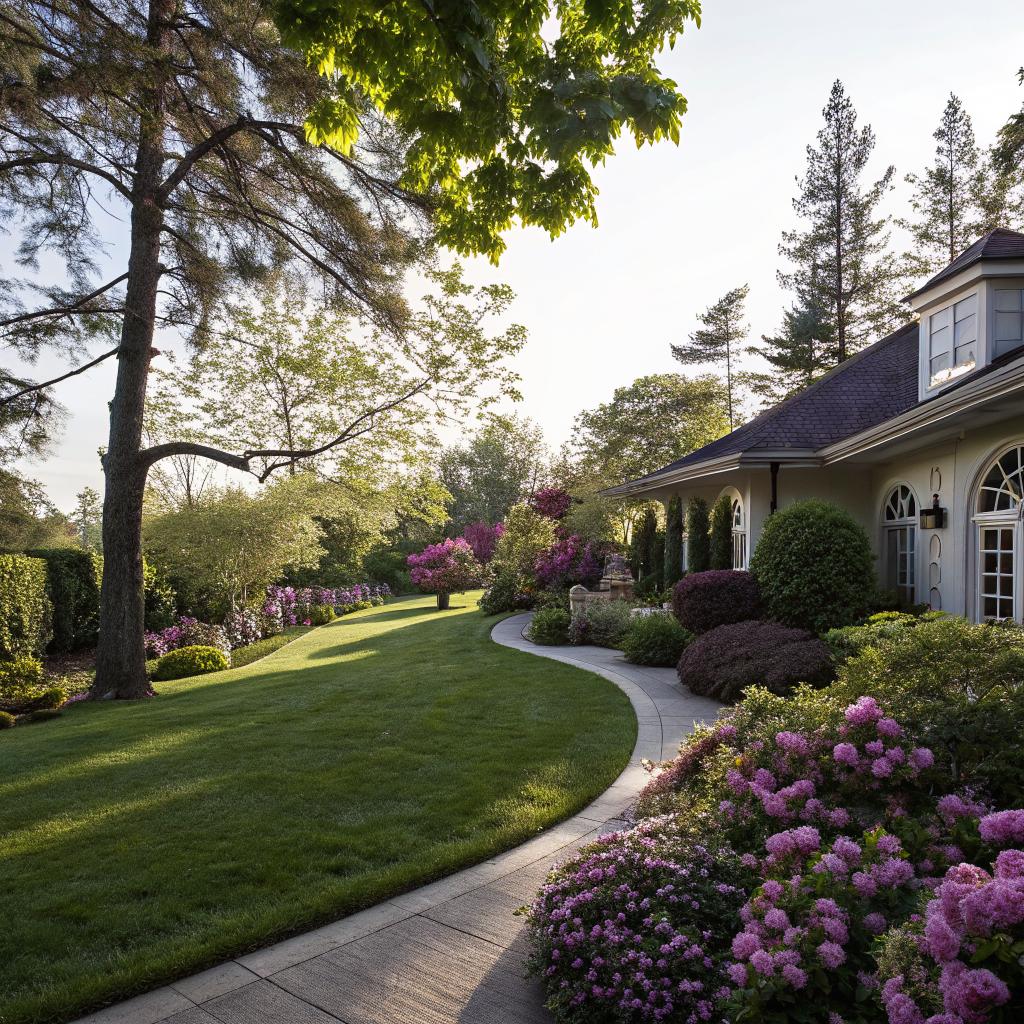

“In Appleton, if you want a nice yard, you basically have two choices: spend every weekend working on it or give up and settle for weeds.”
That sounds harsh, and I do not think it is true. You can have long lasting, good looking landscaping in Appleton without giving up every Saturday, as long as the design, materials, and maintenance plan are right from the start. That is really what people mean when they talk about landscaping Appleton homeowners enjoy year after year: something planned for this climate, this soil, and this pace of life. If you work with someone who understands that, like a local company that focuses on landscaping Appleton, you can have a yard that looks good in spring, holds up in January, and does not turn into a full time job.
I will be honest though. There is no such thing as a yard you never touch. Even the lowest care design still needs some attention. But the goal is not perfection. It is a space that still feels good five, ten, even fifteen years from now. The kind of yard where you look at old photos and think, “That tree was so small back then.”
For Appleton homeowners, that long view matters. The climate is not mild. Winters are cold. Snow sits heavy on branches. Freeze and thaw cycles push pavers around. Summers can be hot and dry, then suddenly wet. If your yard was planned for a softer climate, it can start to look tired after just a few seasons.
So the question is not “How do I get a perfect yard this summer?” A better question is, “What choices today will still make sense in six or seven years, when the plants have grown in and the stone has seen a few winters?”
That is what this article is about. Not quick fixes. Just honest, practical ideas that work in Appleton and keep working over time.
What “Year After Year” Landscaping Really Means In Appleton
When people say they want a yard that “lasts,” they usually mean three things, even if they do not phrase it this way.
You want it to:
1. Look good in more than one season
2. Hold up to weather and daily use
3. Stay manageable as life changes
Some homeowners only focus on the first part. They pick plants that look nice in June, maybe a bold flower here, a trendy shrub there. For a season or two it photographs well. After that, gaps show up. Grass dies along the edges. Pavers shift. The whole space starts to feel tired.
On the other side, there are purely functional yards. Rock, plastic edging, maybe one or two shrubs. They are easy to mow, yes. But they never feel like a space you want to sit in. Kids might not enjoy them. Guests do not remember them.
Long lasting landscaping in Appleton usually sits somewhere between those two extremes. Strong structure, smart plant choices, and just enough detail so the space feels personal. Not perfect. Just thought through.
Good Appleton landscaping is less about how it looks on day one and more about how it behaves in year five.
If you keep that idea in mind, a lot of decisions become easier. You start to care more about root systems than flower color. You think about drainage instead of that one trendy plant you saw on social media. It sounds less fun at first, but I think it actually takes pressure off. Because you stop chasing “instant” and start building “steady.”
Appleton Climate: The Rules Your Yard Has To Play By
If you live in Appleton, you already know the weather can swing. Warm days in March and then a snowstorm in April. Heavy rain that soaks the soil, then long periods where everything feels dry. The tricky part is that your plants and hardscape do not forget those swings, even if you do.
Cold, Snow, And Freeze-Thaw Cycles
The cold is not just about temperature. It is about the cycle of freezing and thawing. Soil expands and contracts. Water in cracks of pavers or walls freezes and pushes things apart. Mulch lifts. Edging shifts.
This is where careful installation starts to matter. A patio without a solid base might look fine in year one. By year three, you start to feel uneven spots under your feet. By year seven, the whole thing can feel off. That is not a mystery. It is just weather doing what weather does in Wisconsin.
Summer Heat And Dry Spells
Strong sun and dry wind can quickly stress shallow rooted plants. New sod looks fine at first, then suddenly you have patches of thin, faded grass.
This is one reason deep rooted perennials and native plants do well here. Their roots go down farther, so they are less panicked by one or two dry weeks. You still water them, of course, but they do not need as much babysitting once they are established.
Rain, Drainage, And Slopes
A lot of Appleton yards have some slope. Sometimes it looks minor. A small tilt toward the house or toward a neighbor. That slight angle can send a surprising amount of water in the wrong direction. Over time, soggy areas can kill grass, attract mosquitoes, and even affect foundations.
This ties into long standing features like retaining walls, swales, and grading. Landscaping that works year after year accepts that water will always try to move. It does not pretend water will “just drain somehow.”
Here is a simple table that shows how local conditions affect design choices:
| Appleton Condition | What Happens If You Ignore It | Better Long Term Choice |
|---|---|---|
| Freeze-thaw cycles | Pavers and walls shift, cracks open, edges heave | Thick base material, proper compaction, quality edge restraint |
| Heavy snow loads | Broken branches, crushed shrubs, blocked walkways | Strong branching plants, smart plant spacing, clear snow routes |
| Summer dry spells | Stressed turf, dead annuals, weak shrubs | Deep rooted perennials, mulch, drip irrigation or soaker hoses |
| Rain on sloped yards | Erosion, bare spots, pooling near structures | Grading, retaining walls, drainage paths, groundcovers |
Hardscape: The Backbone Of A Long Lasting Yard
Soft features like plants come and go. Trees grow, shrubs get moved, beds expand. Hardscape is different. Once you place a patio, front walk, or wall, you want it to stay for a long time.
This is where I think many homeowners in Appleton either win or lose the “year after year” game. Not with their flowers, but with their stone and concrete.
Patios That Do Not Fight Every Winter
A patio is often the main outdoor room. You grill there, sit with a drink, or just stand for a moment after work. If it shifts, you feel it right away.
For a stable patio in this climate, three things matter more than the pattern of the pavers:
1. Base depth and material
2. Compaction
3. Edge control
Granular base material (like crushed stone) needs enough depth so it can handle movement without sending that movement straight to the surface. Each layer should be compacted, not just poured and leveled. Edging should hold pavers tightly so they cannot wander over time.
People sometimes focus on the color of the paver and treat the base like an afterthought. That is backwards. A plain gray paver on a strong base will outlast a fancy one sitting on soft, thin prep.
Walkways That Stay Safe And Clean
Walkways in Appleton have a hard job. They deal with:
– Foot traffic
– Snow shovels or blowers
– Ice melt products
– Freeze-thaw cycles
Here, smooth flow matters. Sharp turns, sudden steps, or narrow sections tend to collect snow and ice. A gentle curve and consistent width feel better to walk and are simpler to clear in winter.
Material choice also matters. Some stones get slick when wet or icy. In a climate where paths see snow for months, a slightly textured surface is more friendly than something glossy.
Retaining Walls That Do Real Work
Many Appleton yards use some kind of wall to manage slopes. The question is whether the wall is there for looks, for function, or both. In the long run, function has to come first.
A wall that holds back soil must handle:
– Pressure from behind
– Water that moves through the soil
– Freeze-thaw shifts
That calls for proper base depth, drainage stone, and sometimes a drain pipe behind the wall. Without those, a wall can bulge, lean, or fail after several winters.
The funny thing is, well built walls rarely get attention. They just sit there quietly, season after season. People notice when they crack or tip. But the real success is the wall that does not give you anything to talk about.
Plants That Age Well In Appleton Yards
Many people pick plants by how they look in the store. They stand in front of a bright bloom and think, “I like this one.” There is nothing wrong with that. But if you want a yard that matures well, there are other questions to ask.
Such as:
– How big will this be in 10 years?
– What does it look like outside peak bloom?
– Will it handle late frost, wind, and snow?
Trees: The Long Story In Your Yard
Trees shape your yard more than any other plant. They add shade, frame views, and tie a design together. They can also cause problems if placed in the wrong spot.
For Appleton, hardy, well known trees tend to be the safest bet. Many native or adapted species handle cold, snow, and local soil better than imported “collector” trees. Think of maples, oaks, birches, crabapples bred for disease resistance, and serviceberries.
Spacing is key. That baby tree at the nursery can look lonely. You might feel tempted to plant trees closer so the yard feels “finished” sooner. Later, those trees fight each other for sun and space. Branches tangle. Roots disturb walkways. The yard feels crowded.
I think it helps to imagine the yard not next year, but when kids or grandkids are old enough to sit in that shade. Does the tree still make sense at that size?
Shrubs: Structure In Every Season
Shrubs sit closer to eye level. They frame entries, fill corners, and soften walls or fences. In Appleton, shrubs must cope with:
– Winter burn
– Heavy snow on branches
– Freeze-thaw around roots
Evergreen shrubs bring winter color, but some types do not love wind and winter sun. Broadleaf evergreens often struggle here unless they are carefully placed and protected.
Deciduous shrubs, which drop their leaves, can carry interest in other ways. Good branch structure, colorful fall leaves, or flowers that support bees and birds. Hydrangeas, dogwoods, spireas, and some viburnums tend to do well when matched to site conditions.
Perennials And Groundcovers: Filling The Gaps
Perennials come back year after year, which fits the theme here. But not all perennials behave the same. Some politely stay in their space. Others spread fast and can crowd out neighbors.
Groundcovers can help with erosion on slopes, edges of beds, and areas where turf struggles. Again, the key is balance. You want them to cover soil, not take over the entire yard.
For Appleton, plants with good cold tolerance and honest growth habits often win in the long run, even if they look plain in a pot. Sometimes the most “boring” plant in the nursery becomes the quiet star of the yard five years later.
Designing For All Four Seasons, Not Just June
Some Appleton yards peak in early summer. After that, interest fades. That is fine if you are rarely outside in fall. But many people enjoy a warm September evening on the patio as much as a June afternoon.
So it helps to think season by season.
Spring: Waking Up Without A Mess
In spring, the difference between a yard that ages well and one that does not is pretty visible.
– Are beds full of dead, mushy annuals, or do you see new shoots from perennials?
– Does mulch still stay in place, or has it washed out?
– Are hardscape edges clean, or are pavers pushed around by frost?
Perennials that handle cold can push up early, giving color without needing to replant everything. Good edging and base prep for hardscape reduces clean up in this season.
Summer: Shade, Use, And Daily Life
Summer is when you actually live in the yard.
Questions to ask yourself:
– Is there shade at the time of day you like to sit outside?
– Is the grill close enough to the kitchen to feel easy, but far enough that smoke does not blow inside?
– Can kids or guests move around without cutting through your best plants?
Here again, structure matters more than small details. A simple, well placed patio with one good shade tree and a practical path to the house can feel much better than a complex layout that fights how you live.
Fall: Color, Cleanup, And Wind
Fall is a chance for the yard to shine again. Trees change color, light gets softer, air feels different.
At the same time, wind picks up and leaves fall. If every plant in your yard drops something that needs to be raked, this season turns into a chore. But if you balance evergreen structure with some selective fall color, you can enjoy the view without being buried in cleanup.
Winter: Not Just “Dead Season”
Winter in Appleton is long. If your yard looks bare and forgotten from November through March, that is a lot of time to feel slightly unhappy every time you pull into the driveway.
You do not need a holiday light show. Simple elements help:
– Evergreen shrubs or trees that hold form and color
– Stone walls or raised beds that add clear lines against snow
– A front walk that stays visible and is easy to clear
There is a quiet pleasure in seeing pines lightly dusted with snow, or a well built wall holding a clean line along a path. The yard is resting, but it does not feel abandoned.
Landscaping that works in winter is not about more decoration. It is about structure and care that still show through snow and cold.
Maintenance Plans That You Might Actually Follow
Many yards fail not because the design is wrong, but because the care plan ignores real life.
If your schedule is full, a design that needs two hours of trimming every weekend will not stay on track after the first year. That is not laziness. It is just normal life.
So, when you plan landscaping in Appleton, ask honest questions:
– How many hours per month do you really want to spend outside working?
– Do you like detailed tasks like pruning, or do you prefer simple jobs like mowing and spreading mulch?
– Are kids or pets going to stress certain areas more than others?
Simple Routines Beat Big Projects
A yard usually stays in better shape with small, regular tasks than with huge, rare ones.
For example:
– 15 minutes pulling weeds each week in spring
– A light pruning session for shrubs at the right time of year
– Replacing a few dead plants rather than ignoring a whole area
This keeps problems from becoming overwhelming. It also makes the yard feel like a place you interact with, not a project you dread.
Mulch, Edging, And Weed Control
Mulch can be overdone or done poorly. A thick “volcano” around tree trunks can harm trees. Old, compacted mulch can start to repel water instead of holding it.
Applied in a moderate layer and refreshed every year or two, mulch does help:
– Retain soil moisture
– Keep roots insulated
– Suppress some weeds
Edging is another area where strong installation helps. A flexible plastic edge laid lightly on the surface is more likely to bulge over time. A properly set edge, secured and level with the grade, holds lines longer.
Weeds are not a sign of failure. They are a sign that nature likes open soil. If you expect some and have a plan to control them, they stay minor. Ignoring them for a full season turns them into the new “owners” of the space.
Lawn Care That Matches Reality
Lawns in Appleton can look good, but they do not need golf course standards to feel welcoming. Thick, healthy turf comes from a mix of:
– Correct mowing height
– Thoughtful watering
– Periodic feeding and overseeding
Short mowing and constant bagging remove strength from the grass. A slightly higher cut and leaving clippings on the lawn can actually support deeper roots.
Again, this is about long term thinking. A lawn that is treated gently but consistently usually outlives one that gets heroic treatment one year and nothing the next.
Making Space That Fits Your Life In Appleton
Sometimes the most durable yards are not the most beautiful in pictures. They are the ones that quietly match how people really live.
Think for a moment about your typical week:
– Do you sit outside with coffee in the morning?
– Do kids or pets run in certain areas over and over?
– Do you host friends a few times a year, or more often than that?
If your landscaping supports those habits, you will naturally care for it. If it works against them, frustration builds.
Front Yard: First Glance, Daily Use
Front yards in Appleton often handle:
– Parking and walkways
– Snow storage in winter
– Curb appeal from the street
A modest, clean design often makes more sense here than something complex. A clear walk, a simple planting near the entry, and maybe one or two key trees can carry most of the work.
Planting huge beds right up to the driveway can cause trouble when snow piles need a place to go. Spiky or fragile plants next to the walk can suffer from shovels and salt. So subtle restraint in the front can pay off.
Back Yard: Private And Flexible
Back yards usually handle more personal activity:
– Play
– Relaxing
– Gardening or hobbies
This is where patios, fire areas, or quiet seating nooks can shine. A back yard can be divided into simple zones without feeling busy.
For example:
– A sitting area close to the house for daily use
– A slightly more distant fire circle or lounge spot
– A play area where rough use is expected
Plants and hardscape can support those zones. Soft turf near play areas, stronger shrubs to mark boundaries, and maybe raised beds in a corner for vegetables or herbs.
Over time, you may adjust these areas. Kids grow, hobbies change. A design that allows you to slowly shift use without ripping out the entire yard tends to age better.
Common Mistakes Appleton Homeowners Regret Later
Since you asked for honest thoughts, I will mention a few patterns I often see people regret after a few years.
Chasing Trends Over Local Sense
A plant or style may be popular online but not well suited to Appleton. For example, large plantings of borderline hardy shrubs that look great in warmer zones, but struggle here every other winter.
That does not mean you must avoid every new idea. It just means you treat trends as accents, not the foundation.
Ignoring Drainage And Grading
Water will always find a path. If the yard slopes toward the house or a patio sits in a low spot, that water will cause trouble sooner or later.
Fixing grading before installing patios, walks, or walls is less fun than picking colors. It is also far more important for long term comfort.
Overstuffing Plant Beds
At planting time, young plants look small. It is tempting to fill every gap. Two or three years later, that bed turns crowded. Plants shade each other, airflow drops, and disease finds a home.
Reading mature size on plant tags and trusting that information, even when the bed looks a bit open at first, is one of the best habits for long lasting design.
What A 10-Year Yard In Appleton Might Look Like
Picture a home in Appleton where the yard was planned with the long view in mind.
Year 1:
Patio goes in on a solid base. Simple, stable walk connects driveway to front door. A couple of young trees, a handful of shrubs, and perennials fill wider beds with plenty of space between them. It looks a little new, but neat.
Year 3:
Trees start to offer light shade. Shrubs have filled in, but there is still air around them. Perennials have spread, so you see fewer open soil patches. Mulch is refreshed lightly. Path and patio feel just as level as the first year.
Year 5:
One or two plants that did not love the site are replaced. A small privacy screen has grown in along the patio. Kids use a portion of the yard for play. Lawn shows some wear, but holds up after overseeding. Drainage is quiet and controlled, even after heavy rain.
Year 10:
Trees define the space. Their roots are not lifting hardscape. Patio stones look settled, not cracked. Beds have a clear structure. Some plants are moved or divided, but the original design still makes sense. The yard feels like part of the home, not a separate, fragile project.
That is the kind of slow, steady success many Appleton homeowners want. It does not make for dramatic before-and-after photos, but it makes for a comfortable daily life.
Good landscaping in Appleton rarely feels dramatic. It feels like your home finally matches the way you want to live outside.
Questions Appleton Homeowners Often Ask
Q: How long should good landscaping in Appleton actually last?
A: Hardscape features like patios and quality retaining walls should last decades if installed on a proper base with drainage. Plants are more variable. Well chosen trees and shrubs can thrive for many years, sometimes longer than you will live in the home. Perennials may need dividing or replacement every few seasons, but the overall design can stay strong if the structure is thoughtful.
Q: Do I really need professional help, or can I do this myself?
A: You can handle many parts yourself, especially smaller plantings, bed shaping, and basic maintenance. Where professional help matters most is in grading, drainage, and any structure that must handle pressure or foot traffic. If a patio or wall fails, the cost and mess of fixing it later are higher than doing it right up front.
Q: How much maintenance is realistic for a “low care” Appleton yard?
A: Even a low care yard usually needs regular attention. Expect some weeding, occasional pruning, light mulch refresh every year or two, and seasonal cleanup in spring and fall. You might spend a few hours per month in the growing season. If that sounds like too much, you can simplify plant choices further or plan on some outside help for key tasks.
Q: What is one change I can make this year that will matter most long term?
A: If you have water pooling, erosion, or clear frost damage in hardscape, start there. Fixing grading or improving drainage protects everything else. If that is not an issue, then focus on one strong anchor: a well placed tree, a solid front walk, or a stable patio. Building one durable piece at a time often leads to a yard you will still appreciate many years from now.
